One week in Madrid with day trips: the complete 7-day itinerary
Madrid: Prado Guided Skip the Line
Quick answer: A full week in Madrid is Spain’s best itinerary value — the city and its surroundings are this good and this close together. The structure: three days building the city foundation (Royal Palace, golden triangle, La Latina, Retiro, flamenco), then Toledo on Day 4 (33 min by AVE), Segovia on Day 5 (27 min by AVE), El Escorial on Day 6, and Day 7 for neighbourhood depth and a Michelin dinner. Seven days, two museums, three day trips, one stadium, and you will leave knowing Madrid.
Madrid operates at a different density than most capitals: a genuinely world-class art collection, three UNESCO-listed cities within an hour by train, a stadium that defines football history, neighbourhood cultures that are as varied as any in Europe, and a food scene that is honest and affordable. One week is the right time to do it without feeling either rushed or padded.
The itinerary assumes no car — everything below is by metro and AVE. If you have a car, days 4–6 can be combined differently (Aranjuez + Chinchón in one day, the Sierra de Guadarrama on another), but the AVE connections to Toledo, Segovia, and El Escorial are fast enough that a car adds nothing except parking headaches.
| Where | Madrid city plus Toledo, Segovia and El Escorial (Castile) |
| Cost | Around €1,200–€1,800/person for 7 days, excluding flights |
| Time needed | 7 full days, no car required |
| Getting there | AVE from Atocha (Toledo) and Chamartín (Segovia); Cercanías from either for El Escorial |
| Best time | Spring (April–May) or autumn (September–October) for comfortable day-trip walking |
Why a full week works better than three or four days
Shorter Madrid itineraries force a choice between the city and its day trips; a week removes that trade-off entirely. The three-day-trip structure here is deliberate: Toledo, Segovia, and El Escorial each represent a genuinely different register of Spanish history — Toledo’s layered religious coexistence, Segovia’s Roman and medieval visual drama, El Escorial’s austere royal solemnity — and seeing all three in one trip gives a far more complete picture of Castile than any single day trip can. A week also absorbs the inevitable friction of travel (an early flight, a slow morning after the flamenco show, a siesta on the hottest afternoon) without collapsing the plan, which is the main reason four- and five-day versions of this itinerary tend to feel rushed by day three.
Pacing matters as much as the list of sights. This itinerary alternates high-intensity museum mornings (Prado, Reina Sofía) with lower-key afternoons (Retiro, neighbourhood walks) and reserves full days for the out-of-town trips so you are never trying to combine a day trip with a major museum on the same day. If you are travelling with a partner or friend who wants less museum time, days 4–6 (the day trips) are the easiest to split off or replace with the Aranjuez and Chinchón day trip instead.
How to adapt this week to your travel style
This itinerary is written for first-timers who want the complete Madrid-plus-Castile experience, but the structure flexes for different priorities without breaking the logistics. Art-focused travellers can extend the Prado to a full morning and add a second Reina Sofía visit on Day 7 instead of neighbourhood wandering — see the golden triangle art walk for a route that links all three museums efficiently. Football fans should move the Bernabéu tour earlier in the week in case of scheduling conflicts with a live match, which can require rerouting the stadium tour entirely; the Bernabéu stadium tour guide covers match-day exceptions.
Families travelling with this itinerary’s pace in mind should read it alongside the Madrid with family guide — the day-trip days in particular (Toledo’s hilly old town, Segovia’s uphill Alcázar walk) are more demanding for young children, and swapping El Escorial for a lighter Day 6 in the Retiro often works better with kids under 8 (the Teleférico cable car is closed for refurbishment, with reopening planned for the first quarter of 2027 according to EMT Madrid; check before planning). Couples wanting a more romantic pace can slow down Days 1–3, adding a rooftop bar evening or a longer Retiro picnic, and treat Days 4–6 as the anchor structure since the day trips are naturally well-paced regardless of travel style.
Budget travellers can trim costs meaningfully without cutting sights: the free evening entry windows at the Prado and Reina Sofía (check current hours before travelling), the free Monday afternoon at the Thyssen, and self-guided versions of the Toledo and Segovia day trips (skip the guided tour, follow the Toledo from Madrid and Segovia from Madrid guides independently) can bring the week’s total down by €150–€250 per person without losing any of the seven days’ core content.
Day 1: Arrival and the historic core
Afternoon: Royal Palace and the Austrias quarter
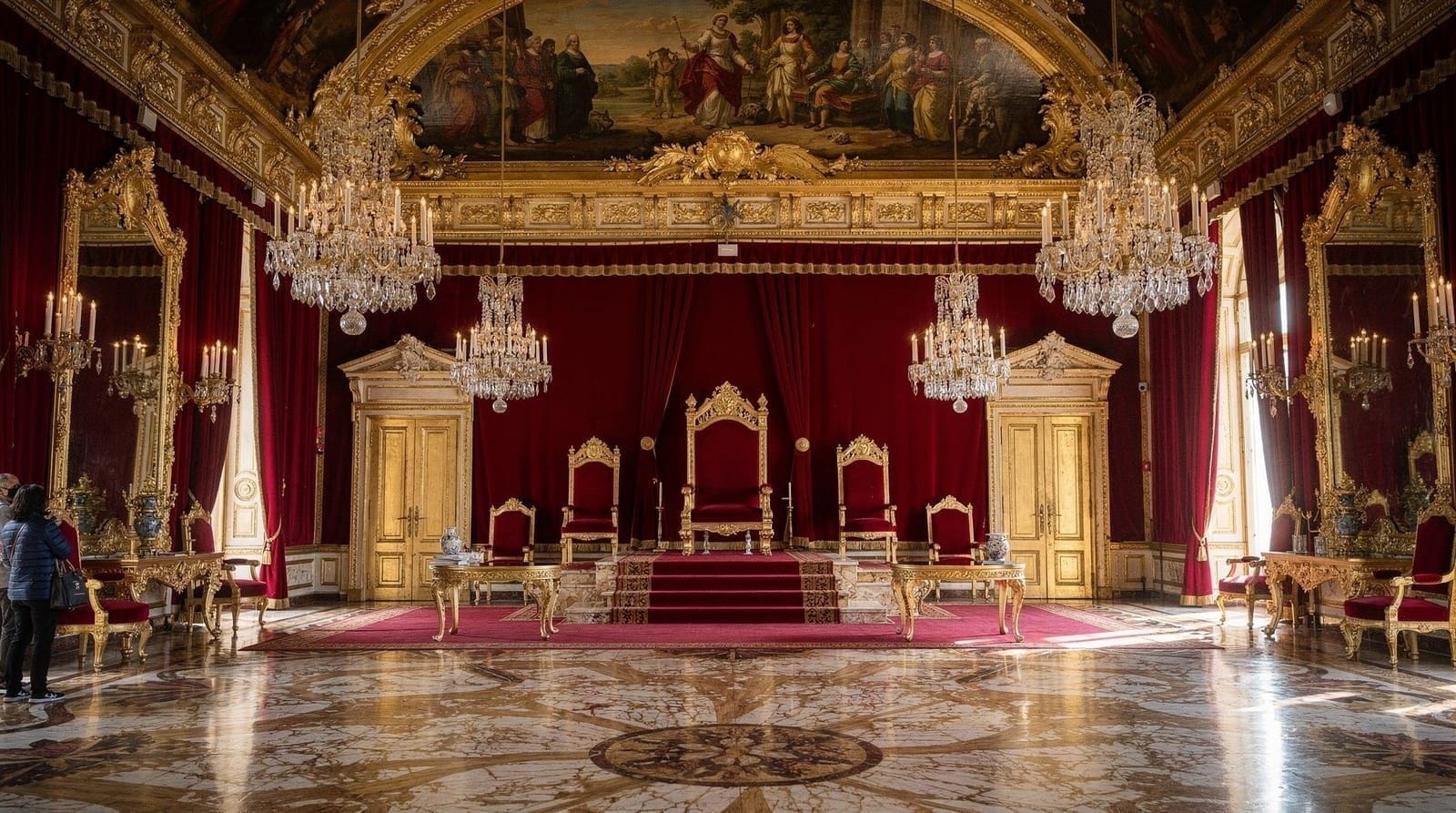
Arrive on Day 1 with enough time for a focused afternoon. Pre-book the Royal Palace fast-access ticket — even on arrival day, 90 minutes at the palace is better than the airport hotel. The palace circuit (Throne Room, Gasparini Room, Royal Armoury) plus the Almudena Cathedral exterior takes 90–120 minutes.
Walk east through Madrid de los Austrias — the original Habsburg capital streets — to Puerta del Sol. This is the geographic centre of Spain, busy, well-lit, and surrounded by the chain restaurants and tourist traps that every first-time visitor should see once and then leave.
Evening: La Latina introduction
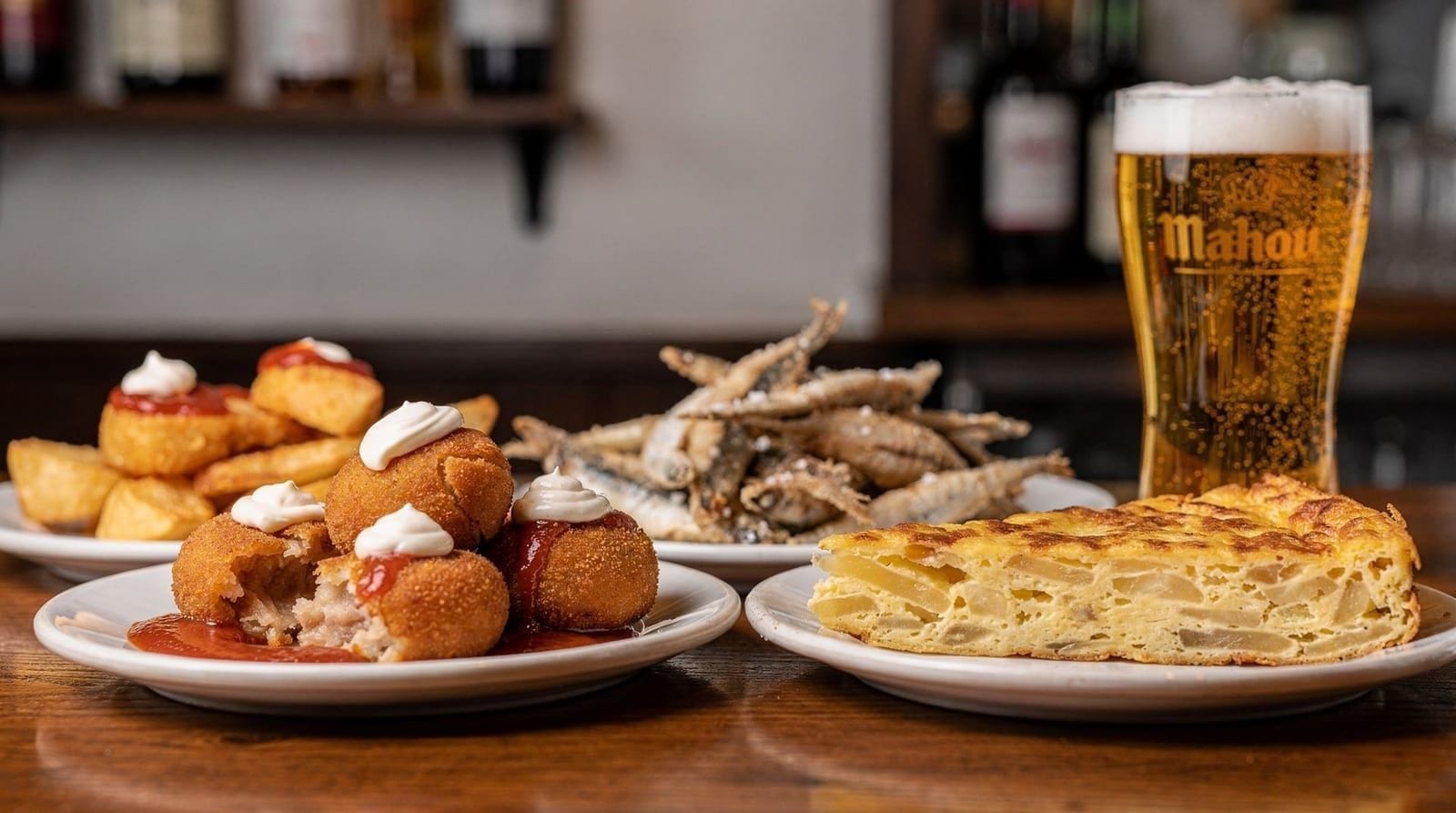
Metro to La Latina for the first tapas evening. Cava Baja is the main street; get a caña, order from the bar, and start learning the rhythm. The where to eat in La Latina guide has the specific recommendations. Madrid dinner at 9–10 pm; until then, the bar circuit is the meal.
Day 2: Prado in depth, Retiro, flamenco evening
Morning: Prado Museum
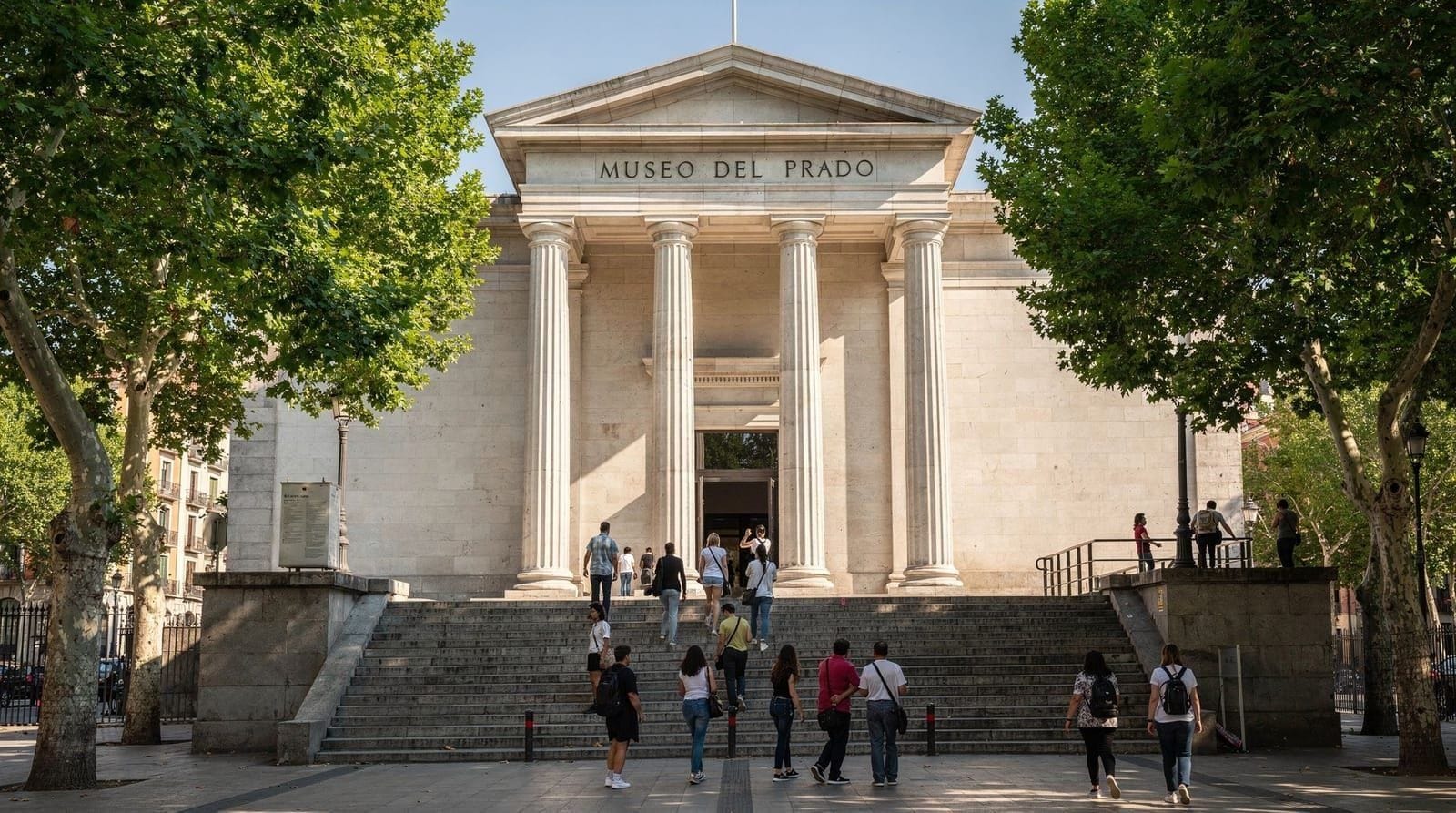
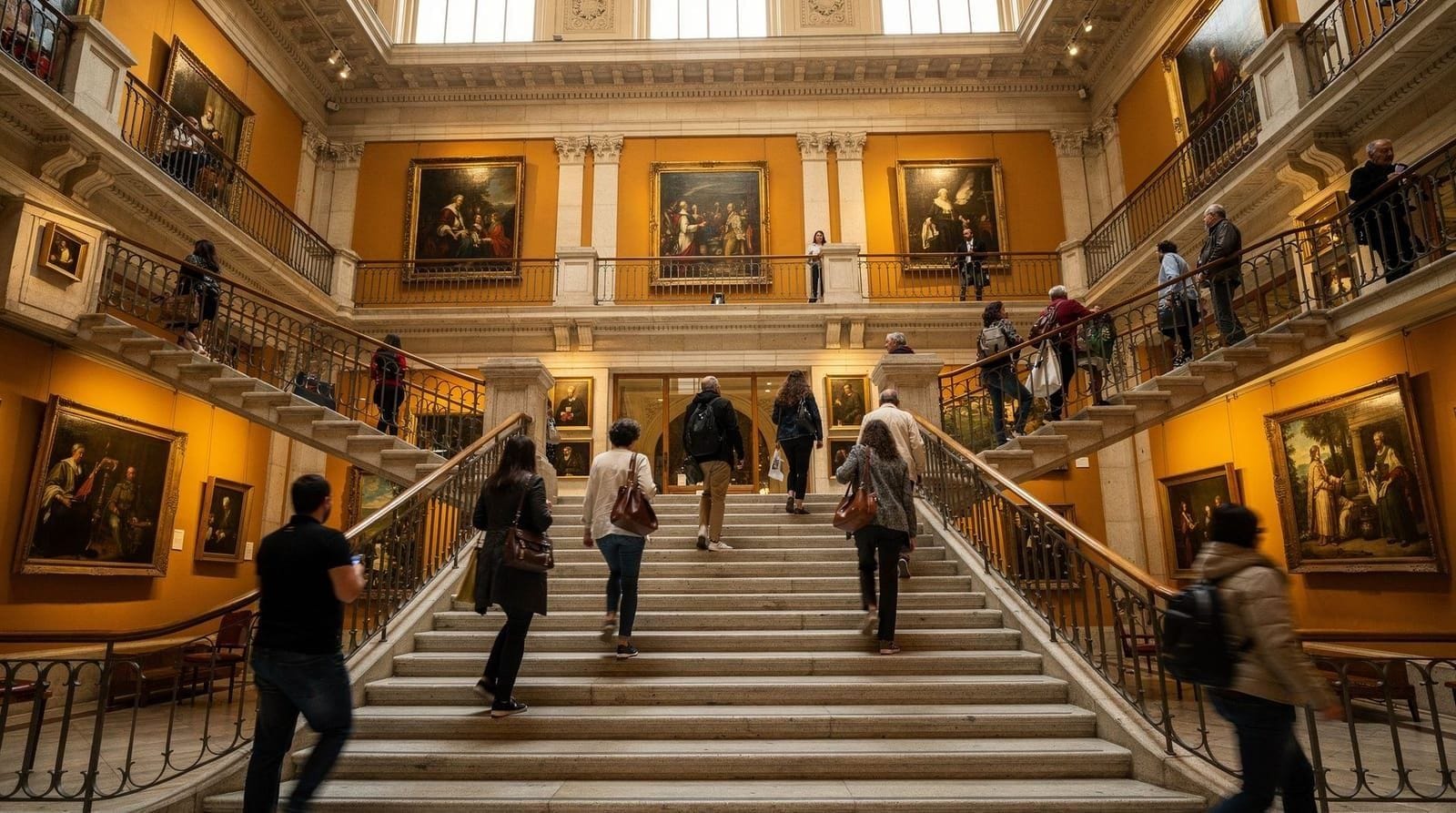
Two hours at the Prado. Take the Prado skip-the-line guided tour for a first visit — the orientation tour covers Velázquez, Goya, and El Greco with the historical context that the self-guided path typically misses.
The Prado’s three non-negotiable rooms: Velázquez (Room 12 — Las Meninas), Goya Black Paintings (Room 67 — Saturn Devouring His Son), Bosch (Room 56A — The Garden of Earthly Delights). If you have only 90 minutes, these three are the visit.
Midday: Retiro Park
Exit the Prado and cross into the Retiro Park for lunch at a park kiosk or a nearby restaurant in Barrio de las Letras. The Retiro in the midday lull (weekday 13:00–15:00) is quieter than morning and evening.
A 30-minute walk through the park: the Estanque Grande, the Crystal Palace (free contemporary art installation), and the south end rose garden.
Afternoon: Golden triangle art walk
Walk the golden triangle route — a self-guided walk through Barrio de las Letras that links the Prado, Thyssen, and Reina Sofía with café stops. You will not visit all three museums on one afternoon; the walk is about the neighbourhood and the architectural context.
Browse the Thyssen-Bornemisza Museum for 60 minutes (focused on the impressionist rooms if time is short; free on Mondays).
Evening: Flamenco
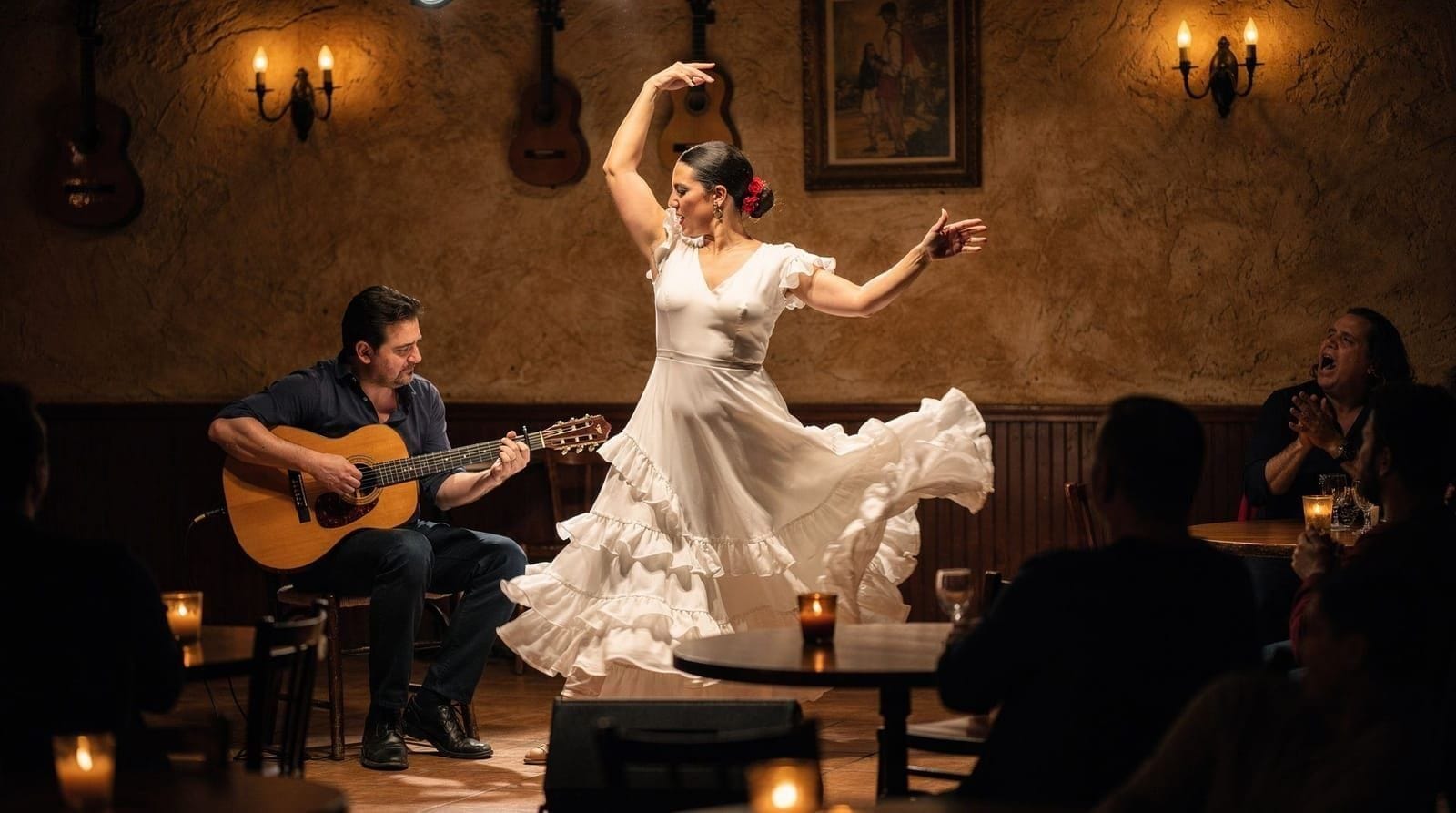
Book a flamenco show in advance for this evening. The Emociones live flamenco show is one of the most-recommended options for a first visit. The flamenco guide and best tablaos guide help choose the right format.
Dinner before or after the show depending on your start time; Barrio de las Letras has the best restaurants in the central zone at this price point.
Day 3: Reina Sofía, Bernabéu and evening neighbourhoods
Morning: Reina Sofía
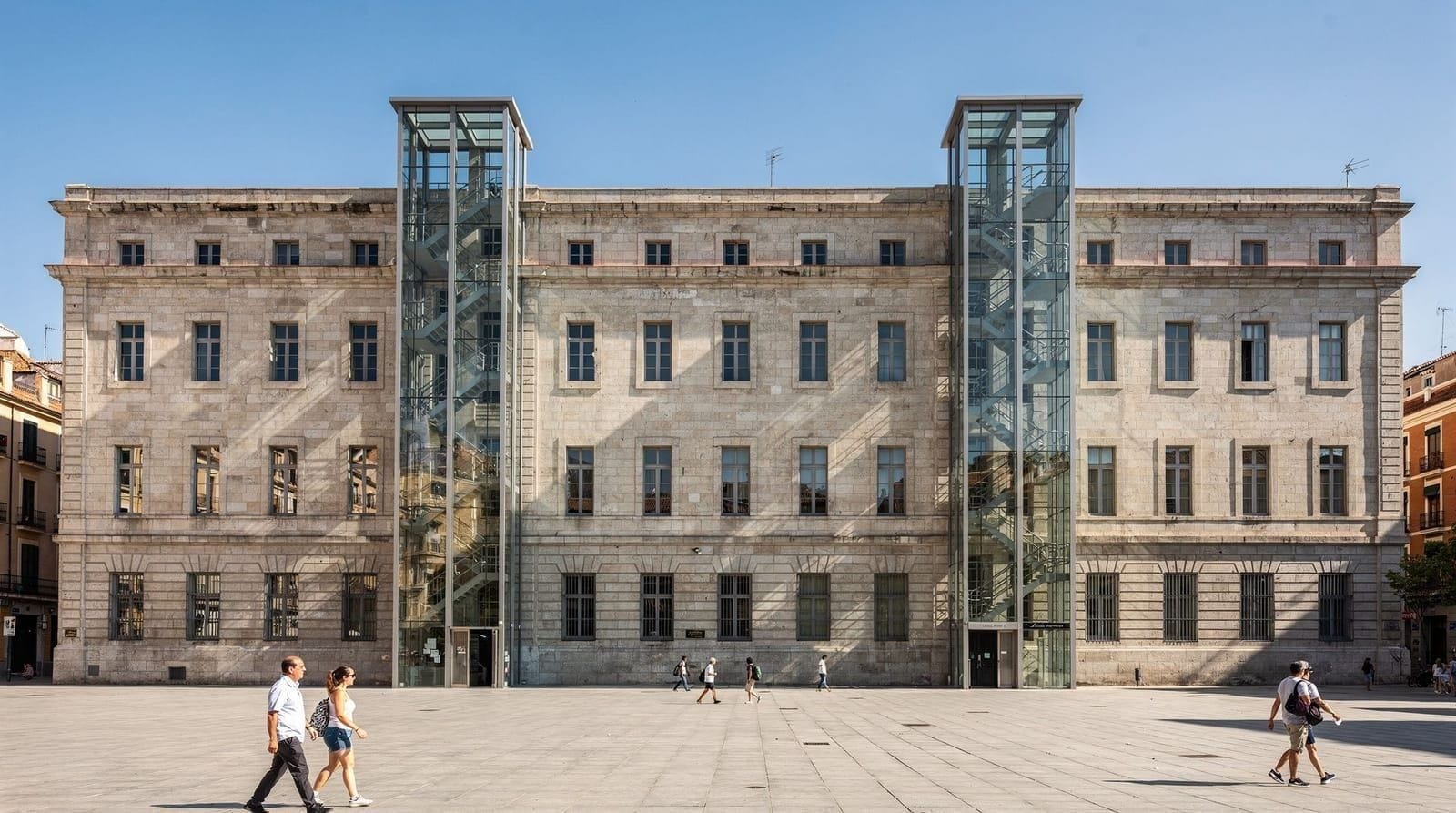
Open at 10 am; the Reina Sofía takes 90 minutes for the essential visit focused on Guernica (Room 206) and the surrounding Civil War-era collection. The Dalí and Miró rooms on floor 3 extend this to two hours.
Lunch near the Reina Sofía or in Lavapiés — the neighbourhood immediately west is genuinely multicultural and has the cheapest and most varied lunch options in the centre.
Afternoon: Santiago Bernabéu stadium tour
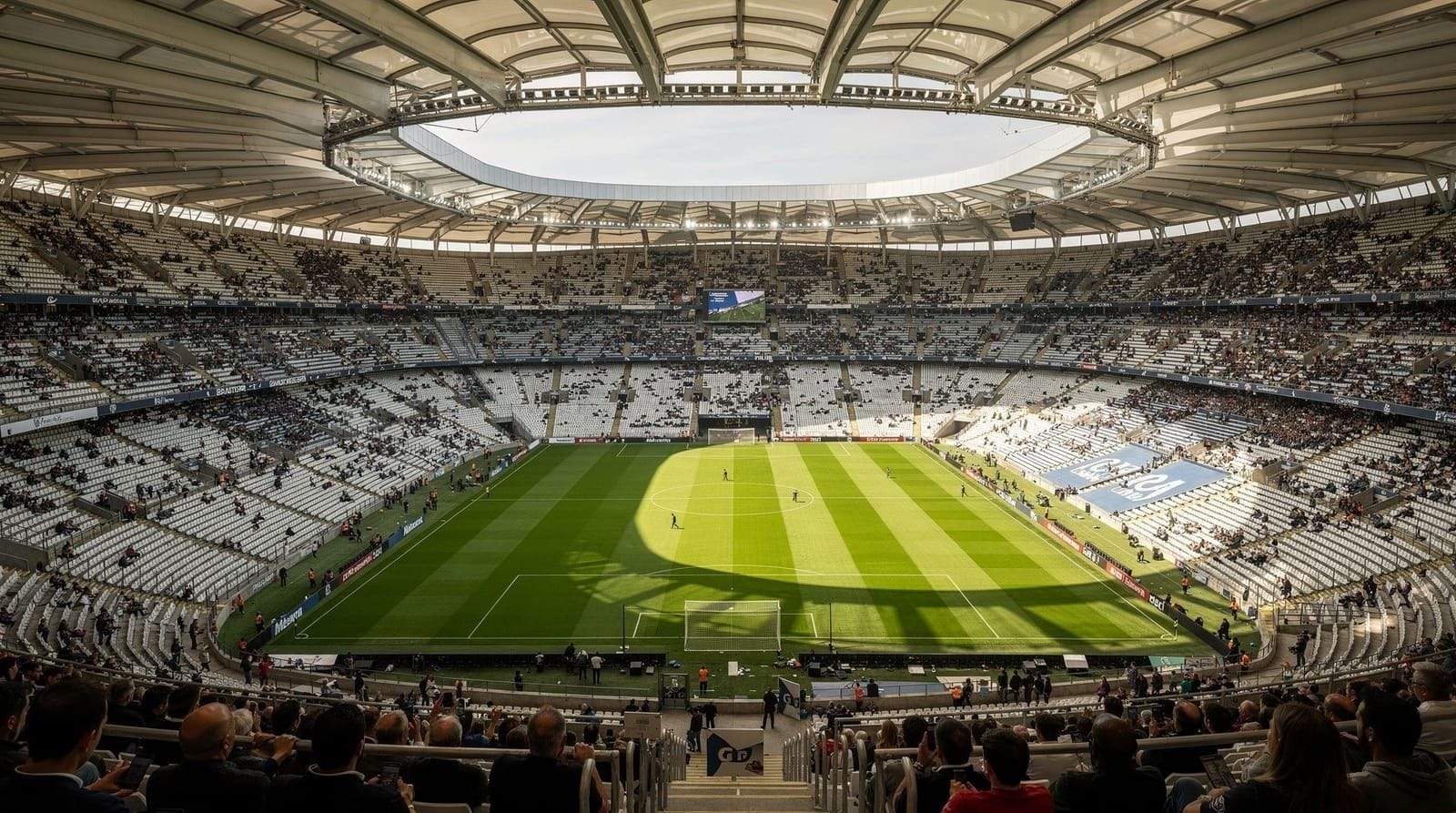
Metro Line 1 from Atocha → Sol → Tribunal, then Line 10 → Bernabéu. Pre-book the Bernabéu entry ticket. The 90-minute circuit covers the trophy room (15 Champions League trophies), the changing rooms and players’ tunnel, the pitch-side view, and the new multimedia areas covering the renovation.
For Real Madrid fans, this is the visit. For neutral football fans, the architectural experience of the renovated stadium alone justifies the ticket. For non-football visitors, the Bernabéu can be swapped with the Sorolla Museum (metro to Gregorio Marañón, equally excellent in a completely different way; only the new building on calle Zurbano is open for now, the original house being closed for renovation) or the Thyssen afternoon.
Evening: Malasaña and Chueca
Explore the northern neighbourhoods for the evening. Malasaña is independent, slightly scruffy, full of vintage shops and old-school bars; Chueca is neater and more design-conscious. Both are excellent for walking and bar-hopping, with prices well below the tourist centre.
Dinner in either neighbourhood; the Chueca restaurants on Calle de Hortaleza and Calle de Pelayo are some of Madrid’s best mid-range options.
Day 4: Toledo day trip
AVE from Atocha: 33 minutes
Book the AVANT train from Madrid Atocha to Toledo at least the day before — weekends sell out. Trains run from around 7:00 am; aim for the 8:30 or 9:00 slot to arrive before the day-tripper crowds. Ticket: €12–€16 each way.
From Toledo station, bus No. 5 or taxi (€5–€7) to the historic centre. The Toledo from Madrid guide covers the full independent logistics.
Full day in Toledo
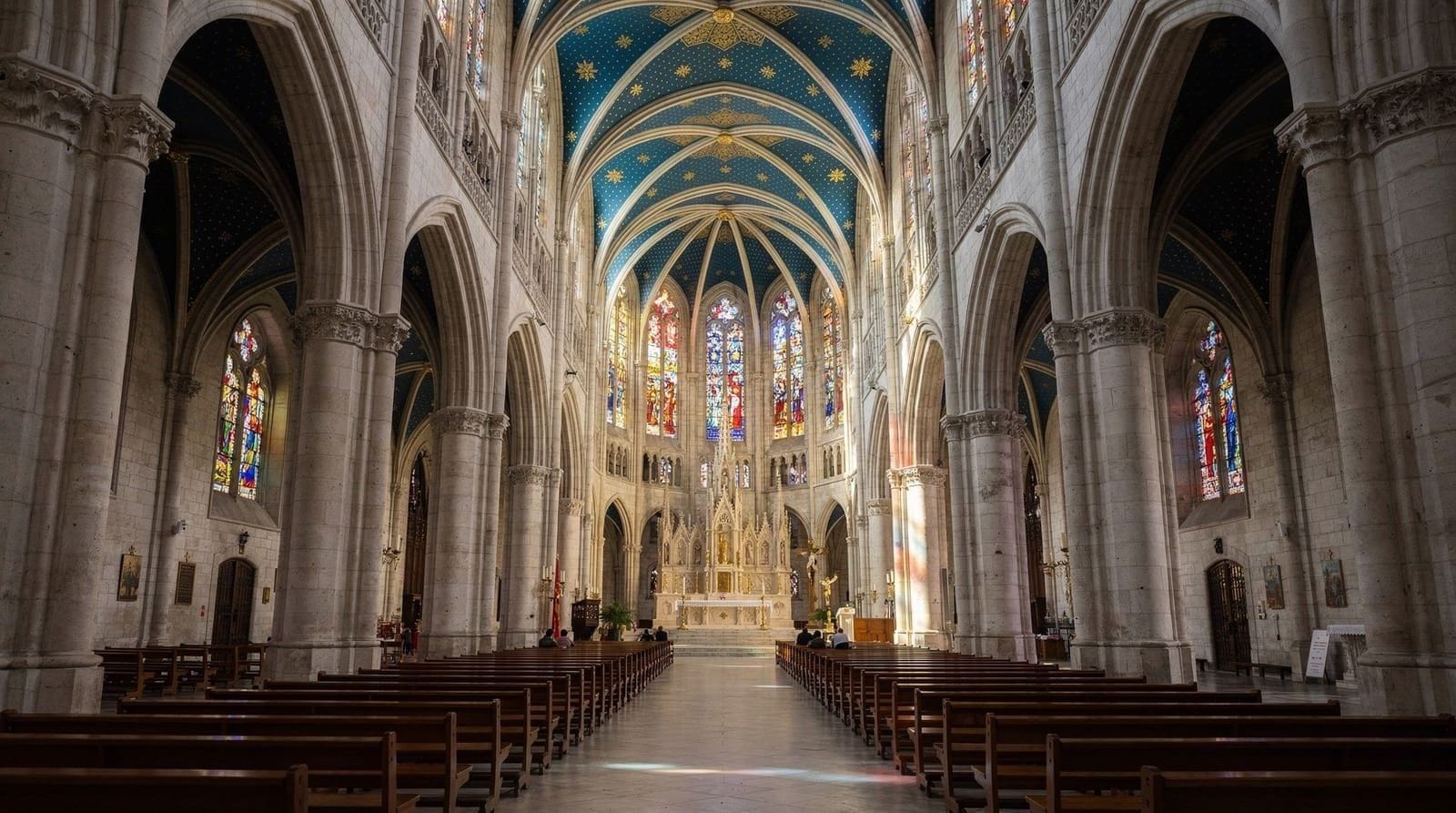
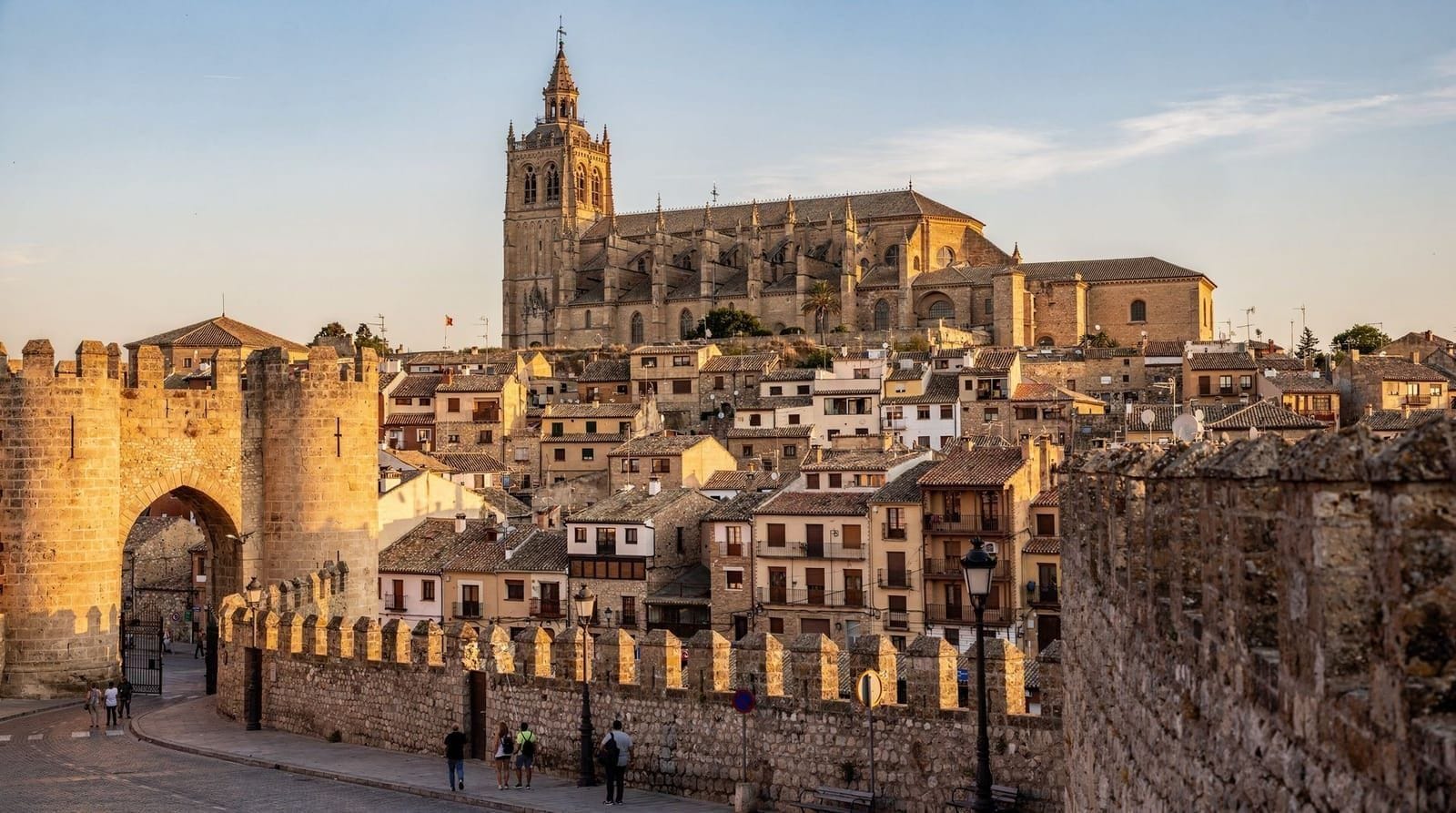
Toledo in a day: Toledo Cathedral (Gothic, 1226–1493, one of Spain’s greatest — arrive early; tickets €10 online), the Jewish quarter (Sinagoga del Tránsito and Sinagoga de Santa María la Blanca — the two medieval synagogues that survived by being converted to churches after 1492), the Alcázar fortress (city viewpoint and military history museum; €5), and the Mirador del Valle (the panoramic viewpoint across the Tagus, a 20-minute walk from the Alcázar — this is the photograph of Toledo).
A Toledo guided day trip from Madrid handles transport and entrance fees in one package; for independent travellers, all monuments are easy to reach on foot from Toledo station (with the bus or taxi to the old city entrance).
Lunch in Toledo: traditional Castilian cooking — perdiz en escabeche (partridge in escabeche), venison, and Toledo marzipan for dessert. Taberna el Botero near Plaza de Zocodover for tapas; Adolfo Colmenero near the cathedral for a serious lunch.
Return to Madrid by late afternoon; Toledo to Madrid by AVE in 33 minutes.
Day 5: Segovia day trip
AVE from Chamartín: 27 minutes
Segovia trains leave from Chamartín (not Atocha). Take metro Line 1 or Line 10 to Chamartín. Book in advance (Renfe, €12–€18 each way). From Segovia-Guiomar AVE terminus, bus No. 11 to the city centre (€1.50, 20 minutes).
Aim to arrive in central Segovia by 10:00 am.
Full day in Segovia
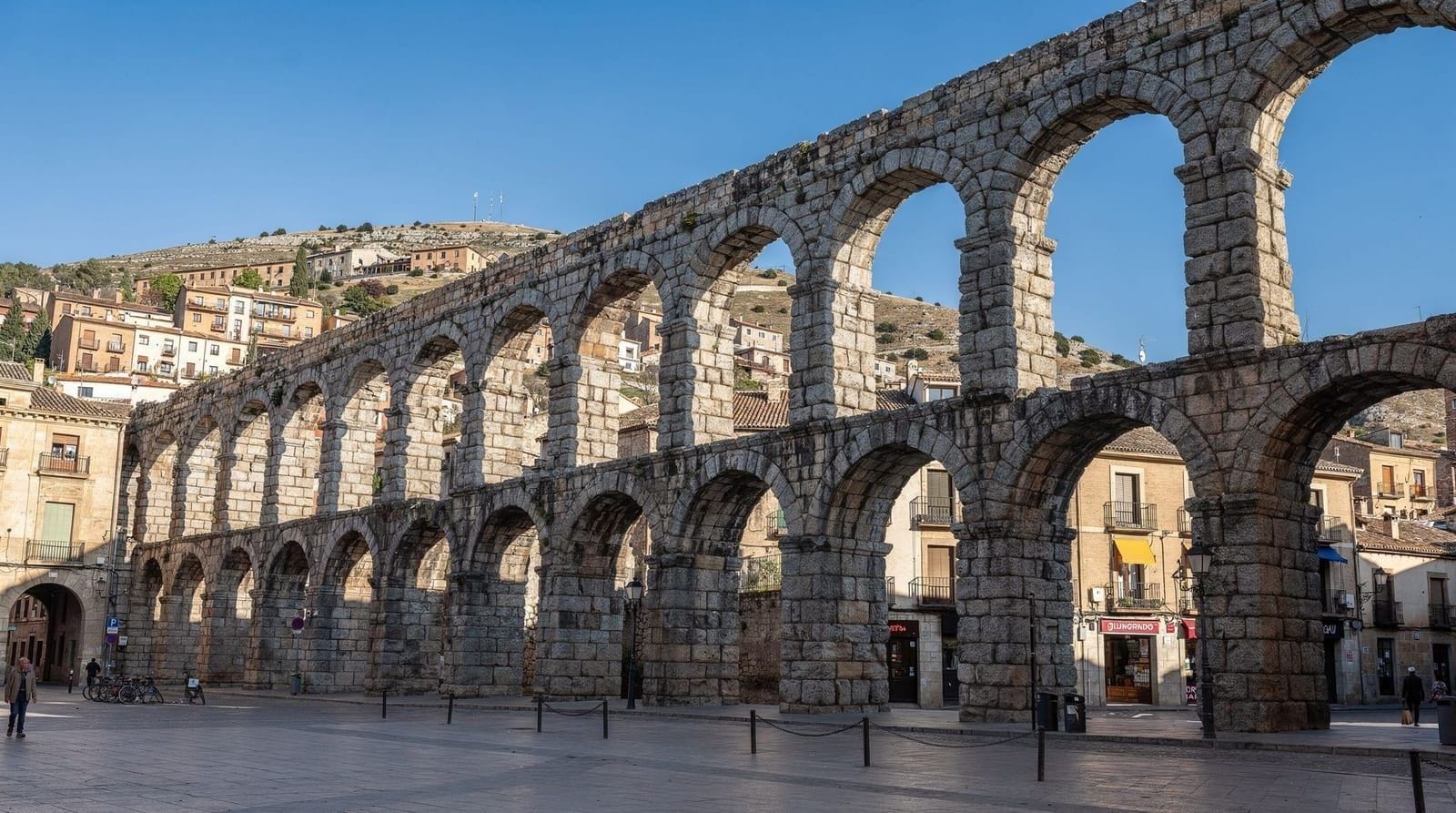
Start at the Roman aqueduct in Plaza del Azoguejo — 29 metres high, 728 metres long, built without mortar in the 1st or 2nd century AD. Walk uphill through the medieval city to Segovia Cathedral (the last Gothic cathedral built in Spain, completed 1577; €4 entry), then to the Alcázar of Segovia (the fairy-tale castle that reportedly inspired Disney, now a military history museum; €7 plus €3 for the tower).
The view from the Alcázar tower over the meeting of two rivers is the panoramic justification.
Lunch: cochinillo asado. Segovia’s roast suckling pig is the non-negotiable meal — reserve at Mesón de Cándido (next to the aqueduct, open since 1786) or José María in advance. €30–€40 per person for a full lunch.
The Segovia guided walking tour with Alcázar entry is the structured option; the Segovia from Madrid guide has the full independent logistics.
Return to Madrid by evening. The Toledo vs Segovia guide compares both day trips — both are strong; one week allows you to do both.
Day 6: El Escorial and Sierra de Guadarrama
El Escorial by Cercanías
Cercanías C-8 from Atocha or Chamartín to El Escorial station (55 minutes), then bus to the monastery (5 minutes). Trains roughly hourly; no advance booking needed.
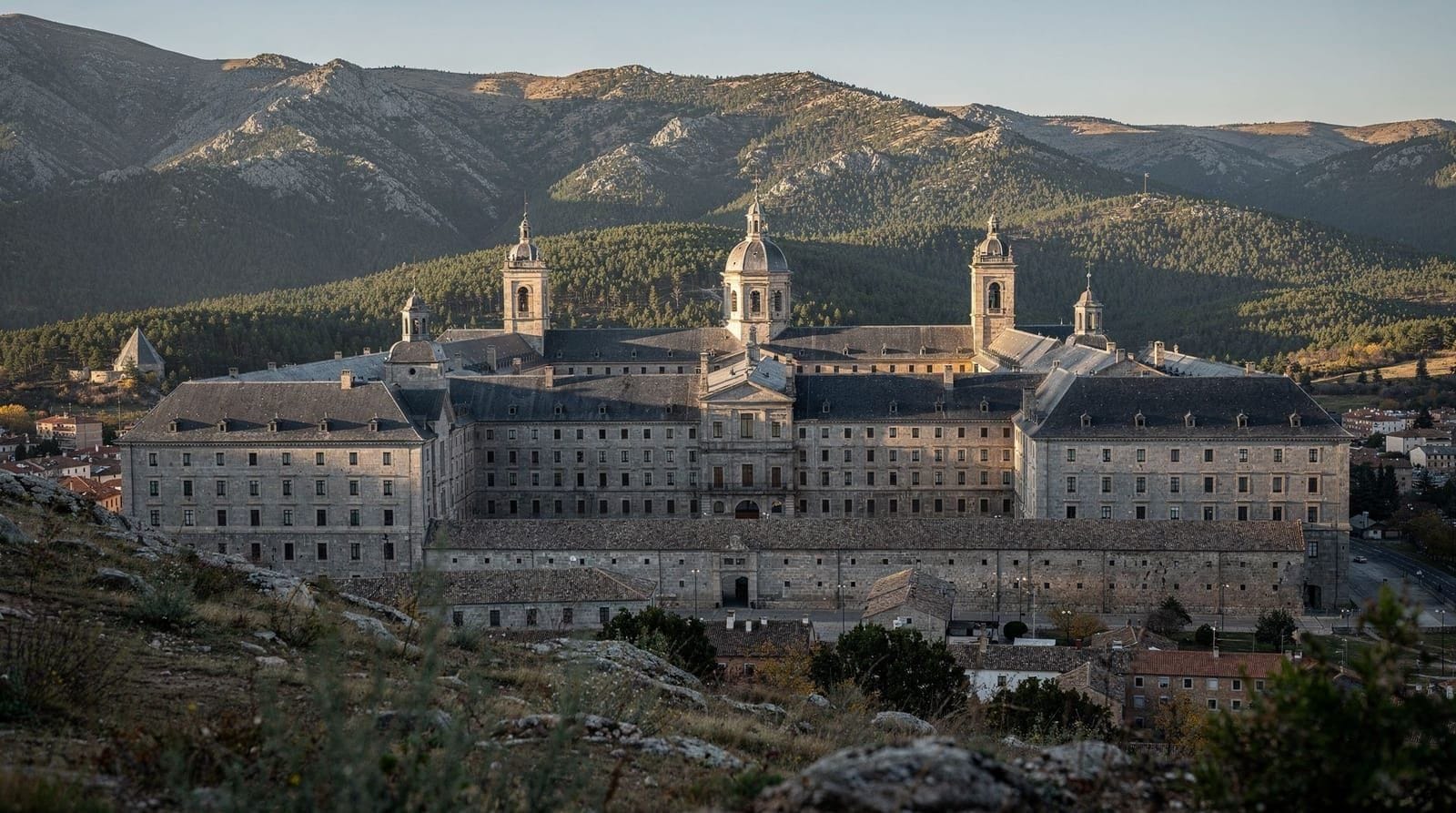
El Real Monasterio de San Lorenzo de El Escorial (closed Mondays): Philip II’s granite monastery-palace-mausoleum, built 1563–1584 as the dynastic burial place of Spanish monarchs. The Panteón de los Reyes beneath the high altar (26 kings and queens of Spain in identical marble sarcophagi) and the Library (65 metres long, 40,000 volumes) are the essential spaces. The Madrid to El Escorial half-day guided trip covers transport and entrance.
Allow three hours for the monastery; exit by 14:00.
Afternoon: Sierra de Guadarrama or Valle de los Caídos
Two options for the afternoon:
Option A: The Valle de los Caídos (Valley of the Fallen / Valle de Cuelgamuros), 13 km from El Escorial, is the monument built by Franco’s regime using prisoner labour to commemorate (and largely glorify) the Nationalist dead of the Civil War. Franco was buried here until his exhumation in 2019; the monument remains deeply controversial and has been the subject of ongoing political and historical debate in Spain. The el escorial from madrid guide covers both sites.
Option B: A short walk or drive into the Sierra de Guadarrama — the granite mountain range north of El Escorial. The peaks are accessible by bus from El Escorial; the Sierra de Guadarrama guide identifies the best walking options. Return to Madrid from El Escorial in the evening.
Day 7: Neighbourhood depth and final evening
The last full day is for what was missed or what you want to see again.
Morning options
- Sorolla Museum (metro to Gregorio Marañón) — Joaquín Sorolla’s museum, one of the best smaller museums in Madrid. The original house is closed for renovation (official museum website, Ministry of Culture); the new free building on calle Zurbano 68 is open Tuesday to Saturday 9:30 am–8 pm and Sunday and public holidays 10 am–3 pm, closed Monday. Check the official museum website for the reopening of the house.
- El Rastro (if this is a Sunday) — the flea market through La Latina and Lavapiés from 9 am to 2 pm.
- Chamberí neighbourhood walk — Madrid’s 19th-century mid-bourgeois quarter, less visited than the tourist districts, excellent neighbourhood cafés.
Afternoon: Mercado de San Miguel and La Latina
A final Spanish market visit at the Mercado de San Miguel near Plaza Mayor — the 1916 cast-iron hall with the best product selection in the tourist zone. Then a last walk through La Latina and the Austrias quarter.
The Temple of Debod at sunset is the right final afternoon image — the ancient Egyptian temple facing west, the light over the Casa de Campo reservoir, the Madrid skyline behind you.
Evening: Dinner at a Michelin-starred restaurant
A tasting menu at one of Madrid’s Michelin-starred restaurants is a considered spend for the final evening. The Michelin Madrid guide identifies the restaurants where a menu with wine runs €100–€130 per person — less expensive than comparable Paris or London starred restaurants by a meaningful margin.
Alternatively, a long dinner at a neighbourhood restaurant in Barrio de las Letras (€30–€45 per person), followed by a nightcap at one of the wine bars in Malasaña.
Where to stay for a full week
Barrio de las Letras is the strongest base for a one-week visit — walking distance from the Prado and Retiro, metro links to the train stations for day trips, the best restaurant density in the central zone. Mid-range doubles: €110–€160/night.
Sol/Gran Vía for pure centrality (everything is 5–15 minutes by metro or foot); slightly noisier.
La Latina for neighbourhood life and the best evening atmosphere. Slightly less convenient for the northern sights (Bernabéu, Chamartín for Segovia trains).
The where to stay guide covers each neighbourhood in detail.
One-week logistics summary
| Day | Main activity | How to get there |
|---|---|---|
| Day 1 | Royal Palace, La Latina | Metro/walking |
| Day 2 | Prado, Retiro, flamenco | Walking |
| Day 3 | Reina Sofía, Bernabéu, Malasaña | Metro |
| Day 4 | Toledo | AVE from Atocha (33 min) |
| Day 5 | Segovia | AVE from Chamartín (27 min) |
| Day 6 | El Escorial | Cercanías from Atocha/Chamartín (55 min) |
| Day 7 | Neighbourhood + Michelin | Walking/Metro |
Book in advance: Royal Palace, Prado guided tour, Bernabéu, flamenco show, AVE tickets, and the final evening restaurant. Everything else can be spontaneous.
Frequently asked questions about one week in Madrid
Is a week in Madrid too long?
No — most visitors say they need more time. Seven days fills comfortably with three day trips and city depth; if anything, the week passes quickly. The honest answer is that a week is the minimum for the city plus day trips at a pace that feels like a holiday rather than a military exercise.
Which day trip is best — Toledo, Segovia or El Escorial?
Toledo for historical depth (Jewish, Christian, Muslim heritage layers), Segovia for visual impact (the aqueduct and the Alcázar together), El Escorial for the royal/religious context and the most solemn monument in Spain. If you have a week, do all three. The best day trips guide ranks them all.
Do I need to book AVE trains in advance?
Yes — book on Renfe at least one day ahead, preferably two or three days ahead on weekends. Toledo trains from Atocha and Segovia trains from Chamartín sell out on Friday–Sunday mornings. The same-day walk-up is sometimes possible on weekdays.
How much does a week in Madrid cost?
Mid-range budget: accommodation €110–€160/night (€770–€1120 for the week), meals €30–€50/day, museum tickets €0–€15/day (using free windows where possible), AVE day trips €30–€50/day return. Total excluding flights: approximately €1,200–€1,800 per person for seven days.
Can I do all three day trips if I only have five or six days?
It’s tight but possible if you drop a museum morning or shorten Day 7 — Toledo, Segovia and El Escorial can each be done in under a day thanks to the AVE and Cercanías connections. For most travellers with five days, though, choosing two of the three (Toledo and Segovia together, or El Escorial paired with the closer Valle de los Caídos) gives a less rushed trip; the best day trips guide helps prioritise.
Is it worth renting a car for this itinerary?
No — a car adds parking costs and stress without saving time, since the AVE reaches Toledo in 33 minutes and Segovia in 27 minutes from central Madrid stations. A car only becomes useful if you want to combine Aranjuez and Chinchón in a single day or explore the Sierra de Guadarrama beyond the bus-accessible points near El Escorial.
Top experiences
Bookable activities with verified prices and instant confirmation on GetYourGuide.