Where to eat in La Latina: the complete guide to Madrid's tapas quarter
Madrid: Food Tour Tapas Spanish Wine
Where should I eat in La Latina, Madrid?
For tapas: Casa Revuelta (bacalao), Almendro 13 (huevos rotos), El Tempranillo (wine and small plates). For a sit-down meal: Taberna Txakoli (Basque), Casa Lucio (eggs and meats). Avoid the main Cava Baja strip on weekend evenings — it has become tourist-heavy. Explore side streets for better value.
In brief: La Latina is the most established tapas neighbourhood in Madrid. The best bars are on the side streets around Cava Baja, not on the main strip itself. Sunday from 12:30 to 16:00 is the peak experience. The area has gentrified significantly in the last decade — prices have risen accordingly.
| Where | Cava Baja and Cava Alta, south of Plaza Mayor |
| Best time | Sunday, 12:30–16:00, after El Rastro |
| Typical tapa | Around €3–5; a ración €12–18 |
| Getting there | Metro Line 5, La Latina station |
| Avoid | The main Cava Baja strip on weekend evenings |
La Latina’s food geography
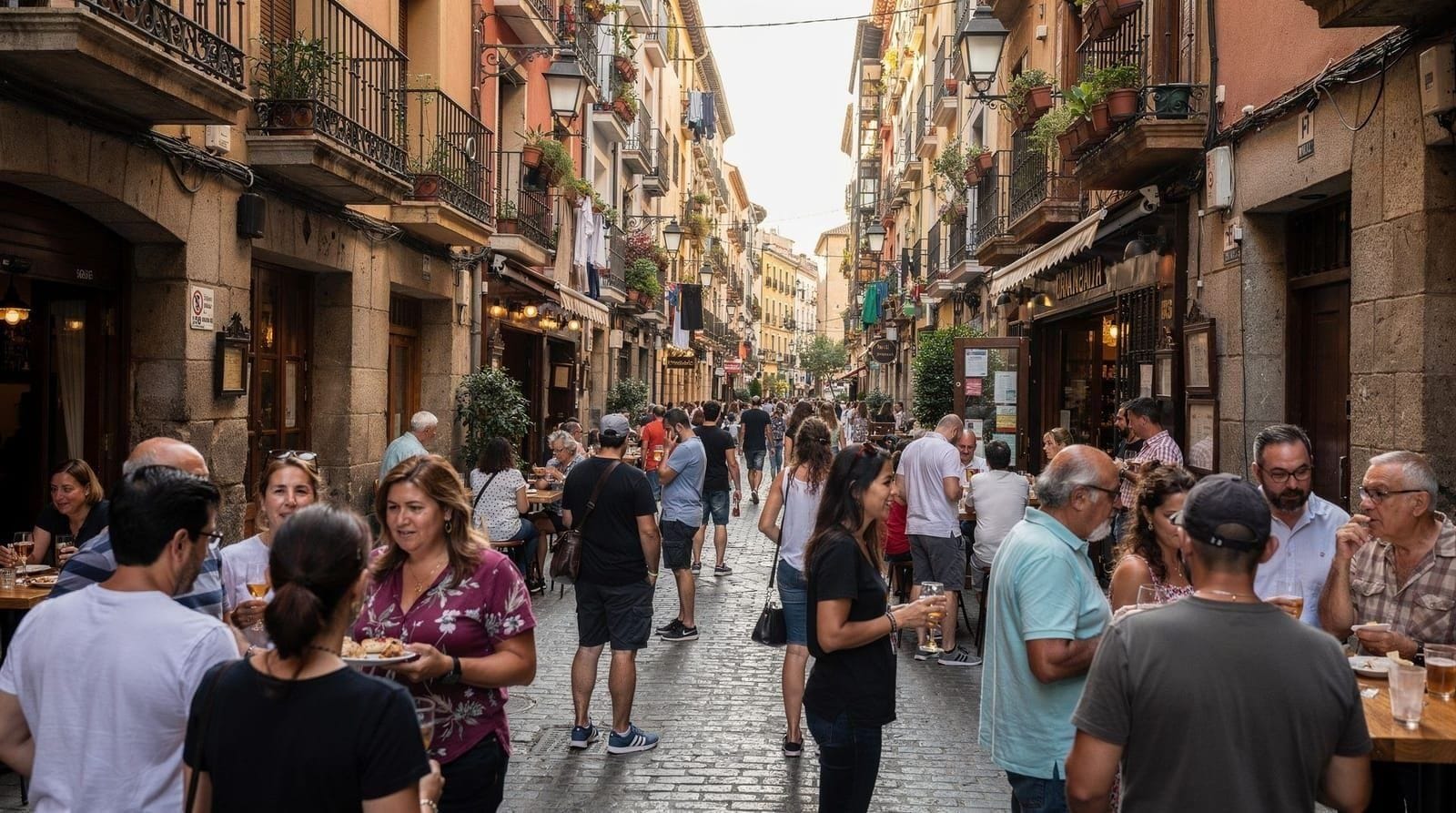
La Latina is a neighbourhood in the old medieval core of Madrid, south of Plaza Mayor and west of the Barrio de las Letras. Its central axis is Cava Baja — a sloping street that follows the line of the old medieval city wall — and Cava Alta, which runs parallel one block north. These two streets, and the maze of lanes connecting them, contain the highest concentration of tapas bars in Madrid.
The neighbourhood character has changed substantially in the 2010s. A decade ago, Cava Baja was visited by madrileños and slightly adventurous tourists. Now it is a tourist destination in its own right, with queues outside the most-reviewed bars on weekend evenings and prices that reflect the new clientele. Quality has not collapsed, but the ratio of tourist bars to genuine neighbourhood places has shifted.
The workaround: Walk one block off Cava Baja in any direction. Streets like Calle del Almendro, Calle de la Cava Alta, Calle del Humilladero, and Calle de la Paloma still have bars primarily serving local residents. These are often unmarked, slower-paced, and significantly cheaper.
The essential bars and restaurants
Casa Revuelta (Calle de Latoneros 3)
The non-negotiable La Latina entry. A tiny bar that has been serving fried bacalao (salt cod) and huevos revueltos (scrambled eggs) since the 1950s. Standing room at the counter, no pretension, tremendous bacalao. Arrive before 13:30 on Sunday or accept a queue. Price: €2–3 per tapa.
Note: They close on Sundays after Rastro — specifically, they close around 15:30 when they run out of food. Go early.
Almendro 13 (Calle del Almendro 13)
The neighbourhood institution for huevos rotos (fried potatoes with broken eggs and ibérico ham or chorizo). Also notable for good raciones of cured meats and decent house wine. Now substantially more famous than it used to be — the wait for a table on Sunday afternoons can reach an hour. The counter area sometimes has faster turnover. Worth it, but go with a flexible schedule.
El Tempranillo (Calle de la Cava Baja 38)
The best wine bar on Cava Baja. Serious natural wine selection (unusual in this area), rotating small plates, and staff who know what they are serving. One of the more consistently good places on the main strip. Busy but not outrageously so. €3.50–6 per glass of wine, €5–9 for plates.
Casa Lucio (Calle de la Cava Baja 35)
One of the most famous restaurants in Madrid — known for its eggs (huevos estrellados, eggs broken over potatoes), its jamón, and its clientele (politicians, businesspeople, film directors). Quality is genuine; prices are high (€30–45 per person). Reservations essential. The eggs are as good as claimed. Not a tapas bar — a proper restaurant.
Txirimiri (Calle del Humilladero 6)
A Basque pintxos bar two blocks from Cava Baja. Counter covered with bread-topped pintxos — hot and cold, rotating throughout the day. €2–3.50 per pintxo, ordered at the counter. A useful and good-quality stop between Cava Baja bars.
Juana la Loca (Plaza de la Puerta de Moros 4)
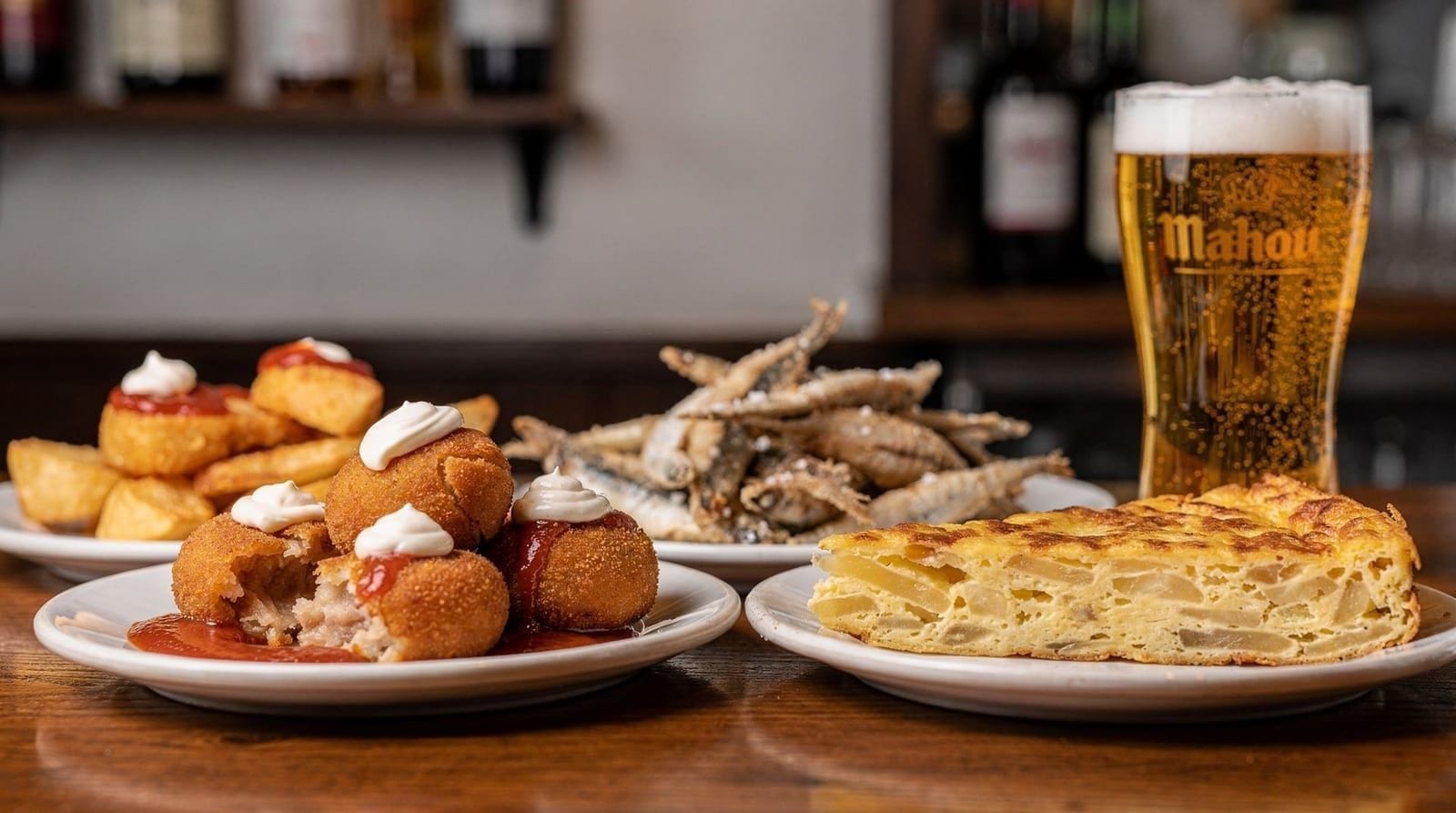
Known for its tortilla española with caramelised onion — a non-traditional version that is nevertheless excellent. Also good for croquetas and small plates. Medium price range (€4–8 for tapas). Crowded at peak times.
Taberna Txakoli (Calle del General Vara de Rey 4)
Another Basque bar with excellent quality and slightly less foot traffic than Cava Baja. Good txakoli wine (Basque white, slightly fizzy, low alcohol), pintxos, and a more relaxed atmosphere. Worth the two-minute walk from the main strip.
The Sunday post-Rastro ritual
Sunday in La Latina follows a specific cultural choreography:
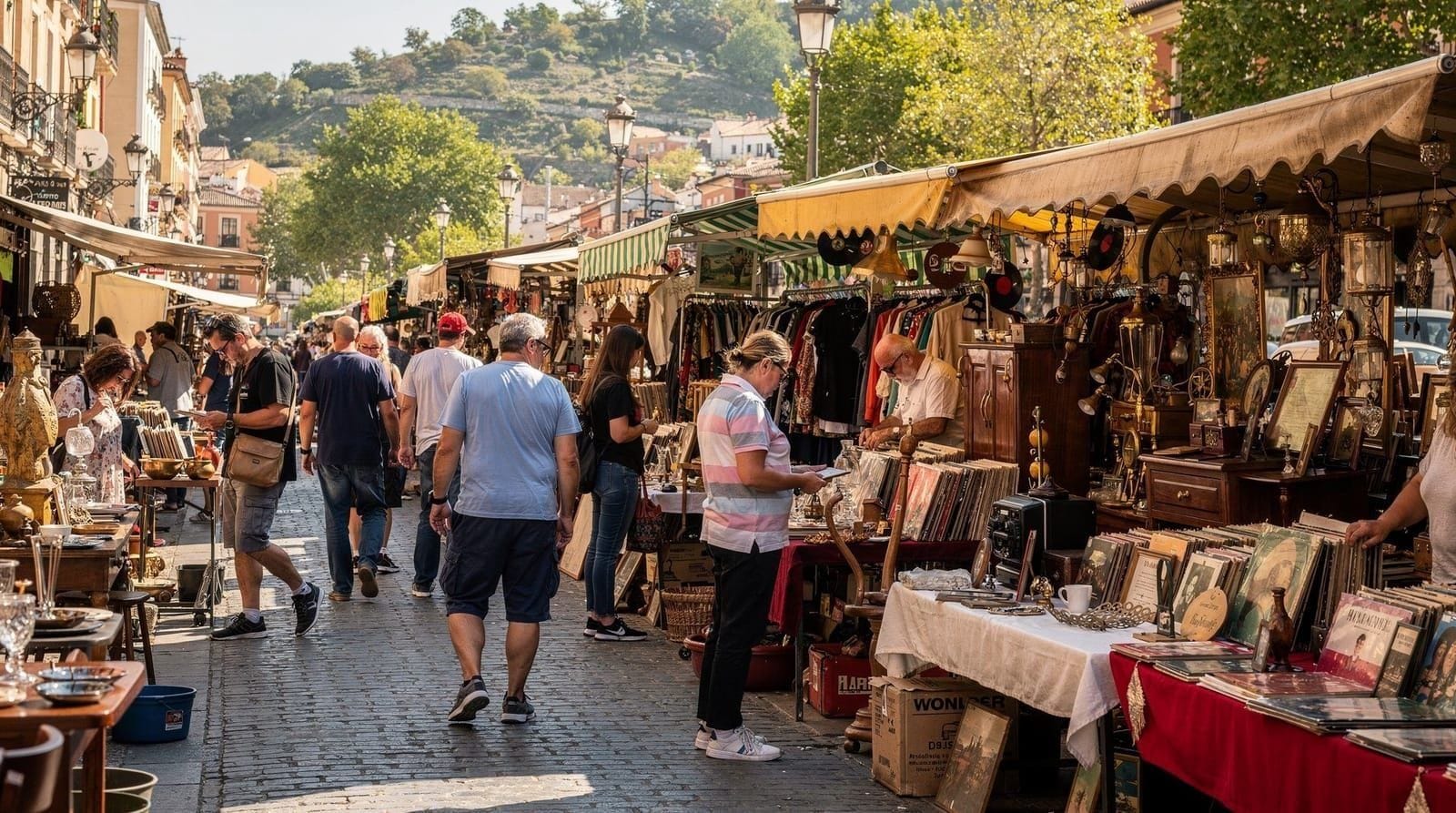
- 09:00–11:00: El Rastro flea market opens on Calle de la Ribera de los Curtidores, one street east of La Latina proper. Browse, buy, argue about prices.
- 11:30–13:00: The flea market winds down. The neighbourhood transitions.
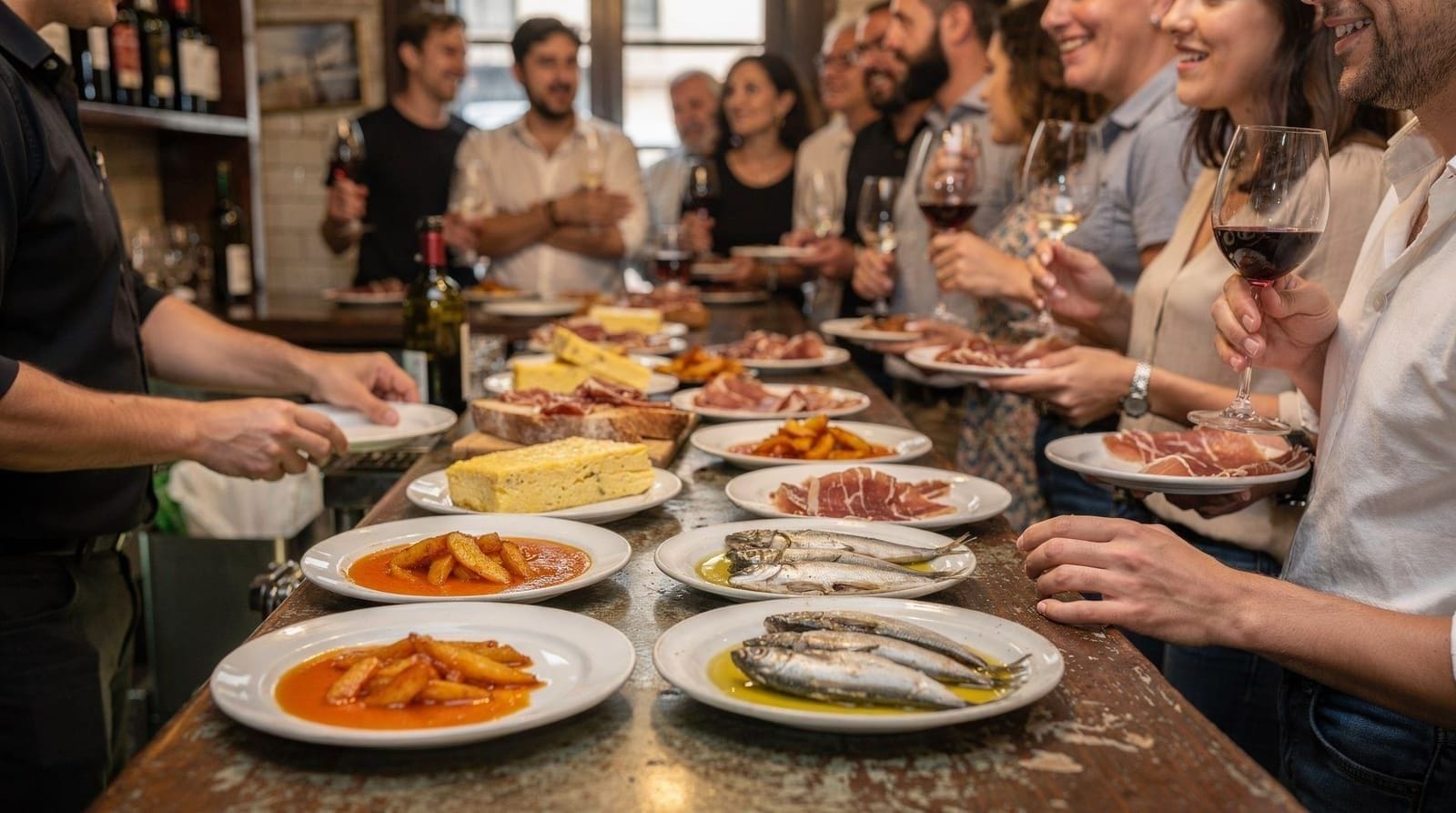
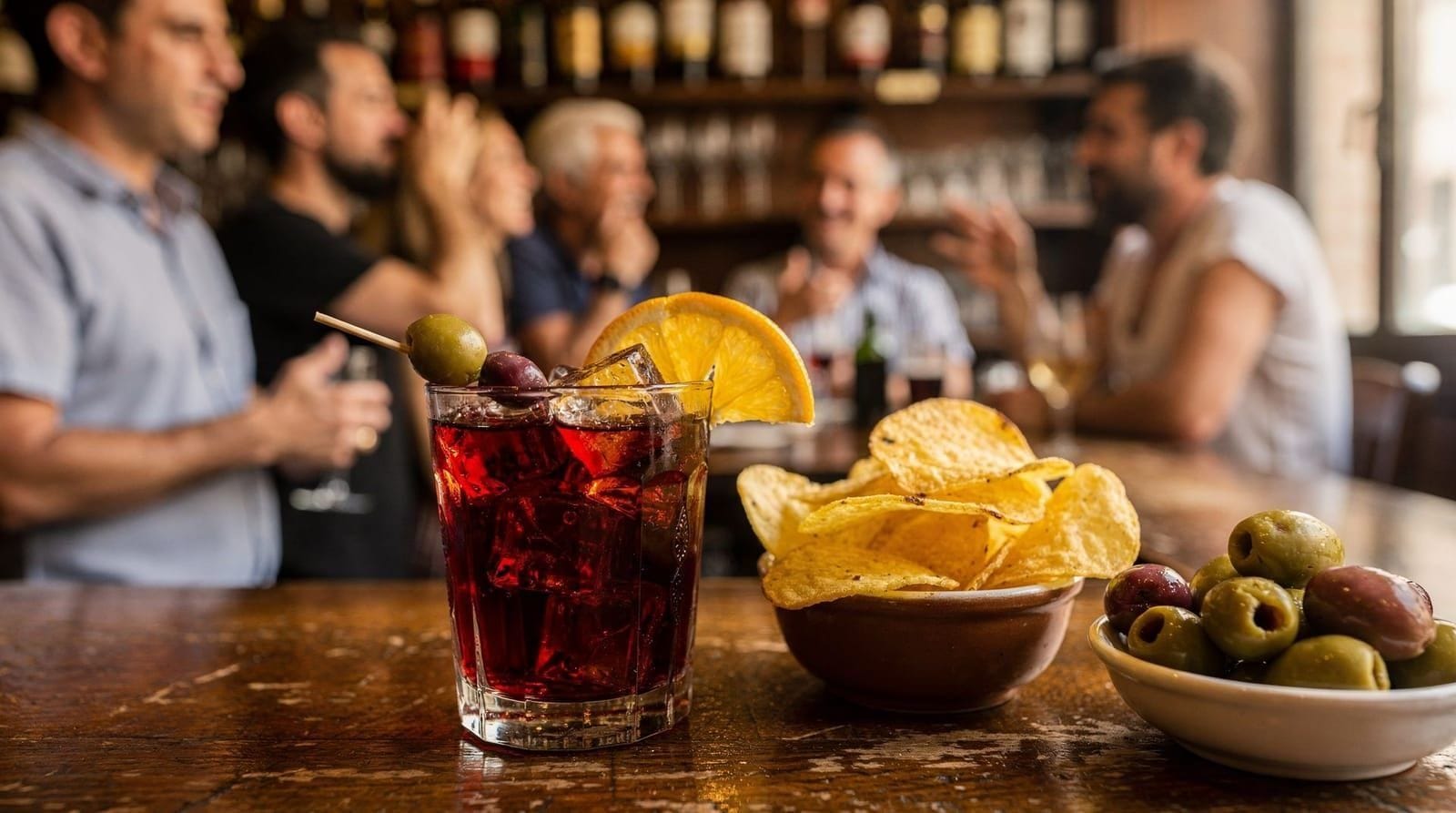
- 12:30–16:00: Every bar and terrace in La Latina fills with people eating and drinking. This is the vermut hour — vermouth on tap at every bar, small plates, noise, social energy.
- 15:30–17:00: The lunch peak. Every table full. Queues outside the most popular places.
- 17:00 onwards: The neighbourhood quiets dramatically. Many bars close after the Sunday lunch rush. Monday is the traditional day off.
The Sunday experience is genuinely special and does not require booking or advance planning — you walk into the neighbourhood and it is simply happening around you. The downside is that it is now very well-documented online, so the Sunday post-Rastro crowd is increasingly international. Still worth it.
What to eat: La Latina’s signature dishes
Huevos rotos / estrellados: The neighbourhood’s most famous dish. Thin-sliced fried potatoes topped with a fried egg broken and folded over, often with ibérico ham or chorizo alongside. Simple, perfect when done well. Order at Almendro 13 or Casa Lucio.
Bacalao frito: Fried salt cod at its simplest. Casa Revuelta’s version is the benchmark.
Jamón ibérico de bellota: La Latina has more jamón specialists than any other neighbourhood. Many bars cut it from the whole leg to order. Look for the black hoof (pata negra) as a sign of ibérico breeding.
Vermouth: Sunday aperitivo culture in La Latina runs on vermut de grifo — draught vermouth served in a small glass with an olive or slice of orange. Between €1.50–3.50. Order a round at any old-school bar on the side streets.
Prices: what is honest here now
La Latina pricing has increased significantly:
- A tapa at a counter bar: €3–5 (was €2–3 in 2019)
- A ración: €12–18 (was €8–14)
- Beer (caña): €2–3.50
- Glass of house wine: €3–5
- Sit-down restaurant lunch: €25–40 per person
By Spanish standards, La Latina is no longer budget territory. By London or Paris standards, it is still good value. If you are on a budget, the best strategy is to eat at the counter standing rather than at a table (some bars charge more for table service) and to explore the side streets away from Cava Baja.
Getting there and around
La Latina metro station (Line 5) drops you directly in the neighbourhood. From Sol, it is a 10-minute walk south through Calle Mayor or west from Plaza Mayor.
On Sunday, the neighbourhood around El Rastro is closed to cars from early morning. Walking is the only practical mode. The La Latina guide covers the neighbourhood geography in full.
When La Latina is not the right choice
The neighbourhood is primarily a weekend daytime experience. On weekday evenings, the bars are quieter and some are closed on Monday. If you are visiting in August, many neighbourhood restaurants close for 2–4 weeks of holidays.
For weekday evening tapas, Malasaña and Chueca have more consistent energy. For a complete picture of where to eat in Madrid, see the Madrid tapas guide.
A tapas and wine food tour is a good way to understand La Latina’s geography if this is your first time in the neighbourhood.
A local-guided food and drink walking tour covers the neighbourhood with a guide who can steer you past the tourist-facing options.
La Latina beyond the tapas: morning food culture
La Latina’s food scene is not exclusively evening tapas and Sunday vermut. The neighbourhood has a morning food culture worth knowing:
Mercado de la Cebada (Plaza de la Cebada): La Latina’s local covered market. A utilitarian 1960s structure (the beautiful predecessor was demolished controversially) but functioning — fish, meat, vegetables, spices, and a growing food hall component on the upper floor. Open Monday through Saturday. Less photogenic than the Mercado de San Miguel but far more useful.
La Panetteria (Calle del Humilladero): A bakery that draws queues on weekend mornings for bread and pastries. The sourdough quality is good by Madrid standards.
Café del Nuncio (Calle del Nuncio 12): A café with a long staircase down to a terrace that faces the old city wall remnants. Good for morning coffee, particularly on weekdays when it is quieter.
Seasonal differences in La Latina
Summer: La Latina’s outdoor terraces are at their best in June through September. The neighbourhood operates later — bars stay open until 02:00–03:00, terrace seats are at a premium after 20:00. The Sunday Rastro and vermut crowd is present but the post-Rastro intensity is slightly less concentrated due to summer holiday patterns.
Winter: The covered bars and tabernas come into their own. The cocido madrileño season is October through March. Sunday lunch in La Latina in November, when the streets are cold and the bar interiors are warm, is a different but equally valid version of the same ritual.
Spring and autumn: The best conditions for outdoor terrace eating — warm but not oppressive. April and October are the peak months for the outdoor component of La Latina’s bar scene.
Budget eating in La Latina
La Latina has gentrified but still has options for budget eating:
Menú del día at neighbourhood restaurants (weekdays): €12–15 for a three-course lunch including wine. Several restaurants on the side streets off Cava Baja offer this — look for chalkboards with “Menú” and prices. The quality is often excellent.
Counter-only bars: Smaller bars with no table service, where you eat standing at the counter. These are typically 20–30% cheaper than sit-down alternatives for the same food. Casa Revuelta is the prototype.
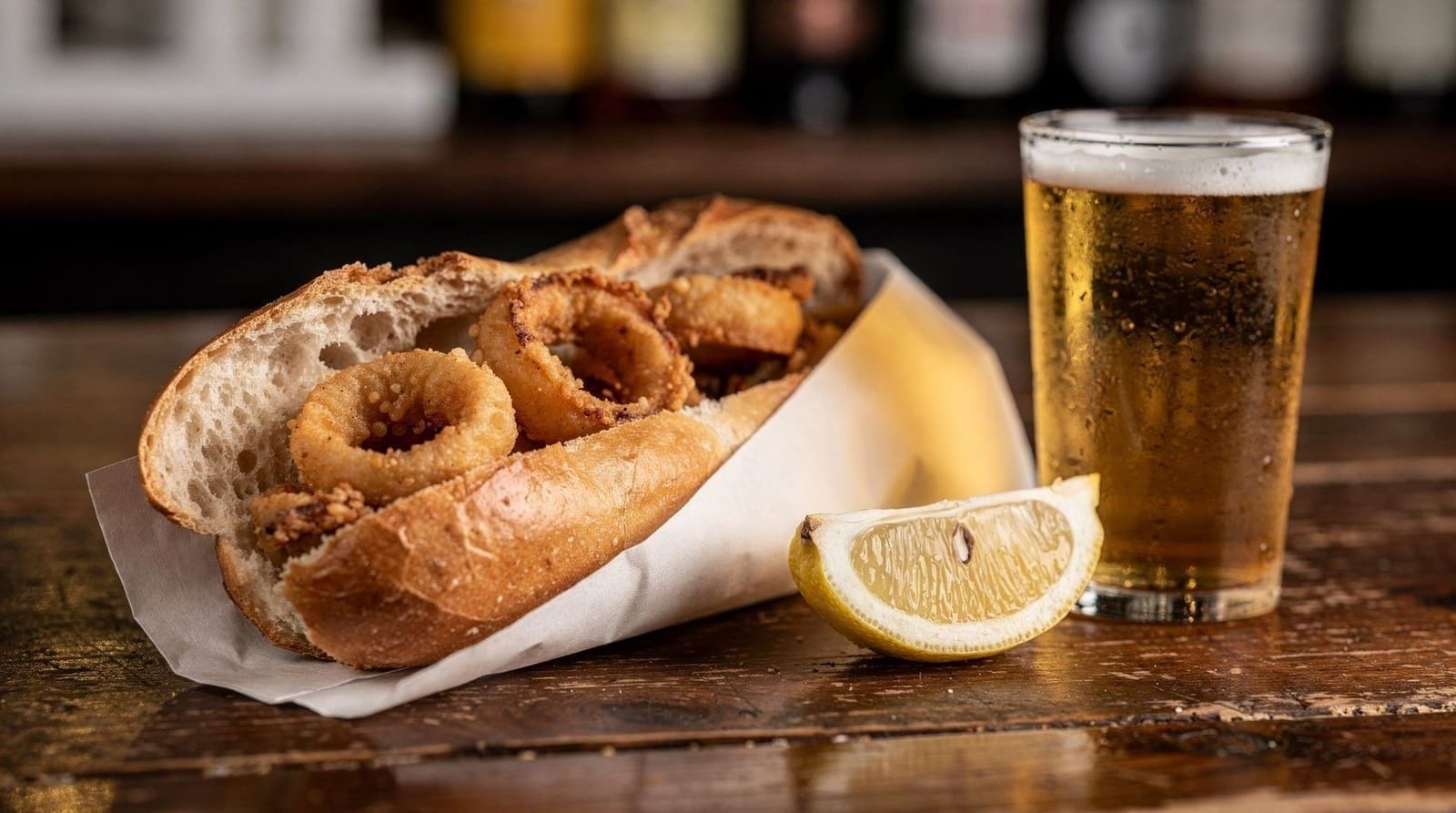
Bocadillos: Simple sandwiches at any bar — jamón, tortilla, or mixed fillings. €2.50–4. The cheapest filling meal option.
What to avoid for budget eating: Restaurant menus with tourist-focused pricing (€12+ for a single tapa, menus in 8 languages). Two blocks off the main Cava Baja strip, prices are generally honest.
Combining La Latina with other neighbourhood food experiences
La Latina’s food scene is excellent but specific. For a complete picture of Madrid eating:
- La Latina for: Traditional tapas, Sunday culture, jamón, classic Castilian food
- Malasaña for: Natural wine, indie bars, creative tapas, younger local scene
- Chueca for: Cocktail bars, wine bars, LGBTQ+ social eating
- Barrio de las Letras for: Restaurant dining, literary atmosphere, mid-range quality
- Barrio Salamanca for: Premium restaurants, Michelin dining, upscale food shopping
The Madrid tapas guide maps the full food geography. The best tapas bars guide lists specific addresses across all neighbourhoods.
La Latina restaurant tips: practical advice
Reservations: For popular places (Casa Lucio, Almendro 13, Juana la Loca), book 2–4 days ahead for weekend lunches and evenings. Counter service at smaller bars needs no booking.
English language: La Latina is now tourist-accustomed. Most bars have at least one English speaker or can manage basic ordering in English. Traditional old-school bars (Casa Revuelta) may have staff who only speak Spanish — pointing at what someone else is eating remains universally understood.
Children: La Latina’s Sunday culture is explicitly family-friendly. Children in bars at 14:00 are completely normal; you will see toddlers in high chairs at tapas bars. There is no age culture issue here.
Solo dining: Counter service is ideal for solo tapas — standing at the bar with a glass of wine and a tapa is the intended solo dining format in Spain. You are not conspicuous, you are not expected to order a full meal, and the interaction with the barman fills the social gap.
La Latina’s food scene in numbers
For context on what you are entering:
- Cava Baja is approximately 300 metres long and contains 15–20 bars and restaurants
- Calle del Almendro (running parallel, one block west) has another 8–12 food establishments
- The La Latina metro area (approximately a 500-metre radius) probably contains 50+ places to eat and drink
This density is high by European standards — comparable to a busy Lisbon bairro or an active Barcelona barrio. It means the quality competition is real, and the worst bars on the main strip are worse than they could be because they rely on foot traffic rather than quality.
The best restaurants and bars — Casa Lucio, El Tempranillo, Almendro 13 — have survived and thrived because they earned their reputation rather than inherited it from their location.
The evolution of La Latina: what has changed
Cava Baja in 2010 was primarily a local tapas street with moderate tourist awareness. By 2018, it was on every “best tapas in Madrid” list in every travel publication. By 2026, it is a destination with the full tourist-overlay: Instagram-familiar bars, tour groups, higher prices, and an increasing number of establishments that have optimised for volume rather than quality.
This is not unique to La Latina — it is what happens to every authentic food street in every European city that becomes famous. The question is what survives the transition.
What has survived: The quality anchors — Casa Revuelta, El Tempranillo, Almendro 13 — have maintained standards. The side streets (Humilladero, Almendro, Calle del Nuncio) still have bars with genuine neighbourhood clientele.
What has degraded: The main Cava Baja strip has several bars that traded on the street’s reputation rather than their own. These are identifiable by the full tourist menu, the price increases, and the absence of local regulars.
The strategy: Walk one block off the main street in any direction. The quality-to-price ratio improves immediately.
La Latina and the honest Madrid philosophy
The site’s positioning — “the honest Madrid guide” — is nowhere more relevant than in La Latina. The neighbourhood’s tapas culture is genuinely excellent. But it has been hyped beyond its reality in some travel writing.
What is true:
- La Latina has the best traditional tapas neighbourhood atmosphere in Madrid
- The Sunday post-Rastro ritual is genuinely special
- Several bars here are among the best of their type in the city
What requires context:
- It is no longer a local-only secret — it is well-documented internationally
- Prices have increased 30–40% since 2019 at the main-strip establishments
- The best bars require arriving early (before 13:30) or accepting queues
The honest recommendation: go to La Latina, know what you are getting, navigate toward the side streets, and appreciate what is genuinely excellent without expecting the undiscovered gem experience.
The tourist traps guide covers the broader issue of over-hyped vs genuinely good Madrid experiences.
Frequently asked questions about eating in La Latina
Do I need to book ahead for Cava Baja on a Sunday?
For the most famous spots — Casa Lucio, Almendro 13, Juana la Loca — yes, book 2–4 days ahead if you want a table rather than a counter spot. Smaller counter-only bars like Casa Revuelta and Txirimiri don’t take reservations; you queue or squeeze in, which is part of the normal Sunday rhythm.
Is La Latina still worth it if it has gotten more touristy?
Yes, with the caveat in this guide: walk one block off the main Cava Baja strip. The quality anchors (Casa Revuelta, El Tempranillo, Almendro 13) have held their standards, and the side streets — Almendro, Humilladero, Cava Alta — still have bars serving mostly local regulars at honest prices.
Top experiences
Bookable activities with verified prices and instant confirmation on GetYourGuide.