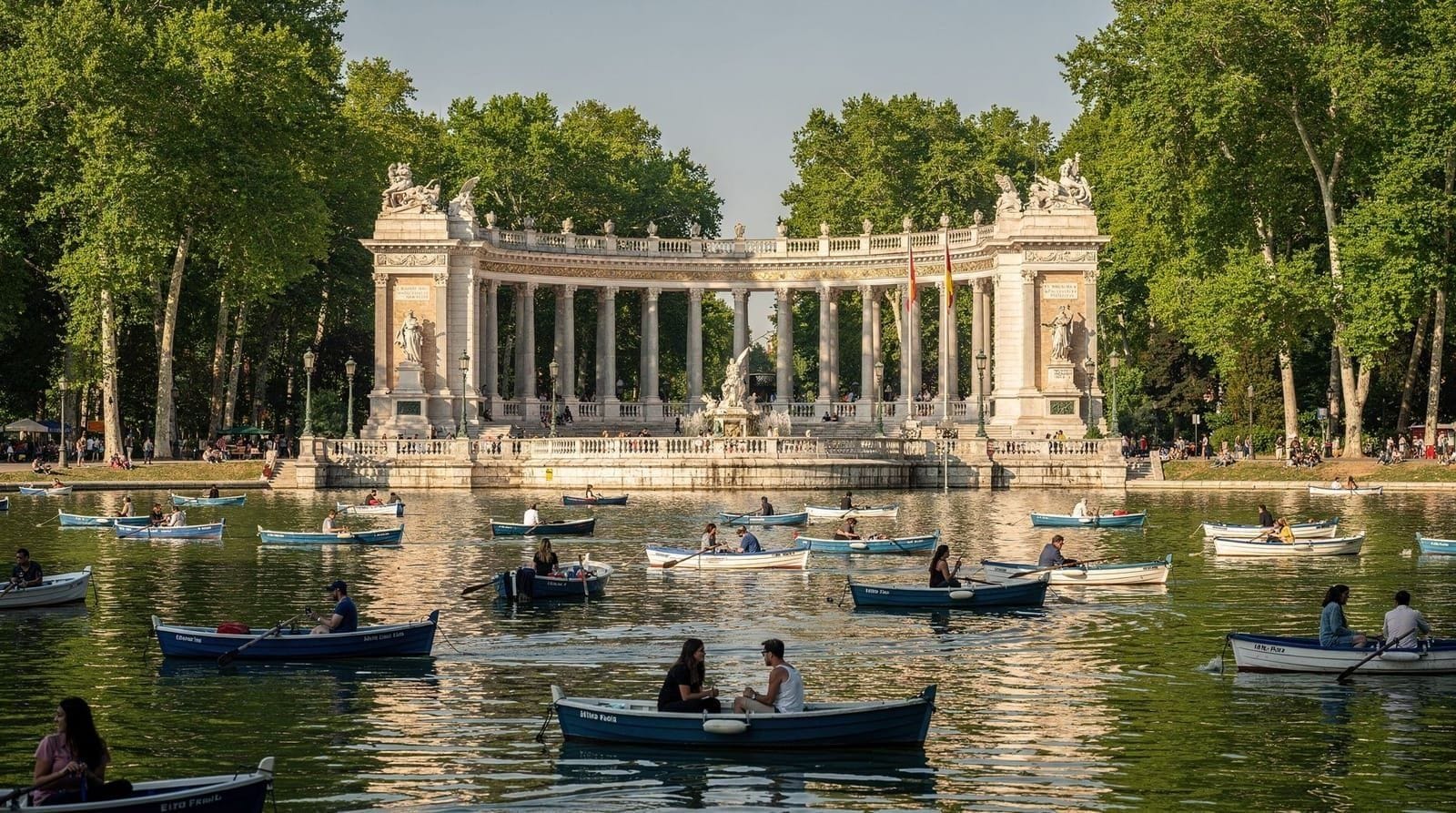
Retiro and Jerónimos
The Prado, Retiro Park, Reina Sofía, and the Jerónimos quarter — Madrid's greatest cultural mile. How to structure a day, free hours, real costs.
Madrid: Prado Guided Skip the Line
Quick facts
- Metro
- Banco de España (L2), Atocha (L1), Retiro (L2)
- Prado free hours
- Mon–Sat 18:00–20:00, Sun/holidays 17:00–19:00
- Reina Sofía free hours
- Mon & Wed–Sat 19:00–21:00, Sun 12:30–14:30
- Retiro Park area
- ~125 hectares — Madrid's main park
- Rowing boats (Retiro)
- €7.50–€10 for 45 minutes
- Prado ticket
- €15 (standard)
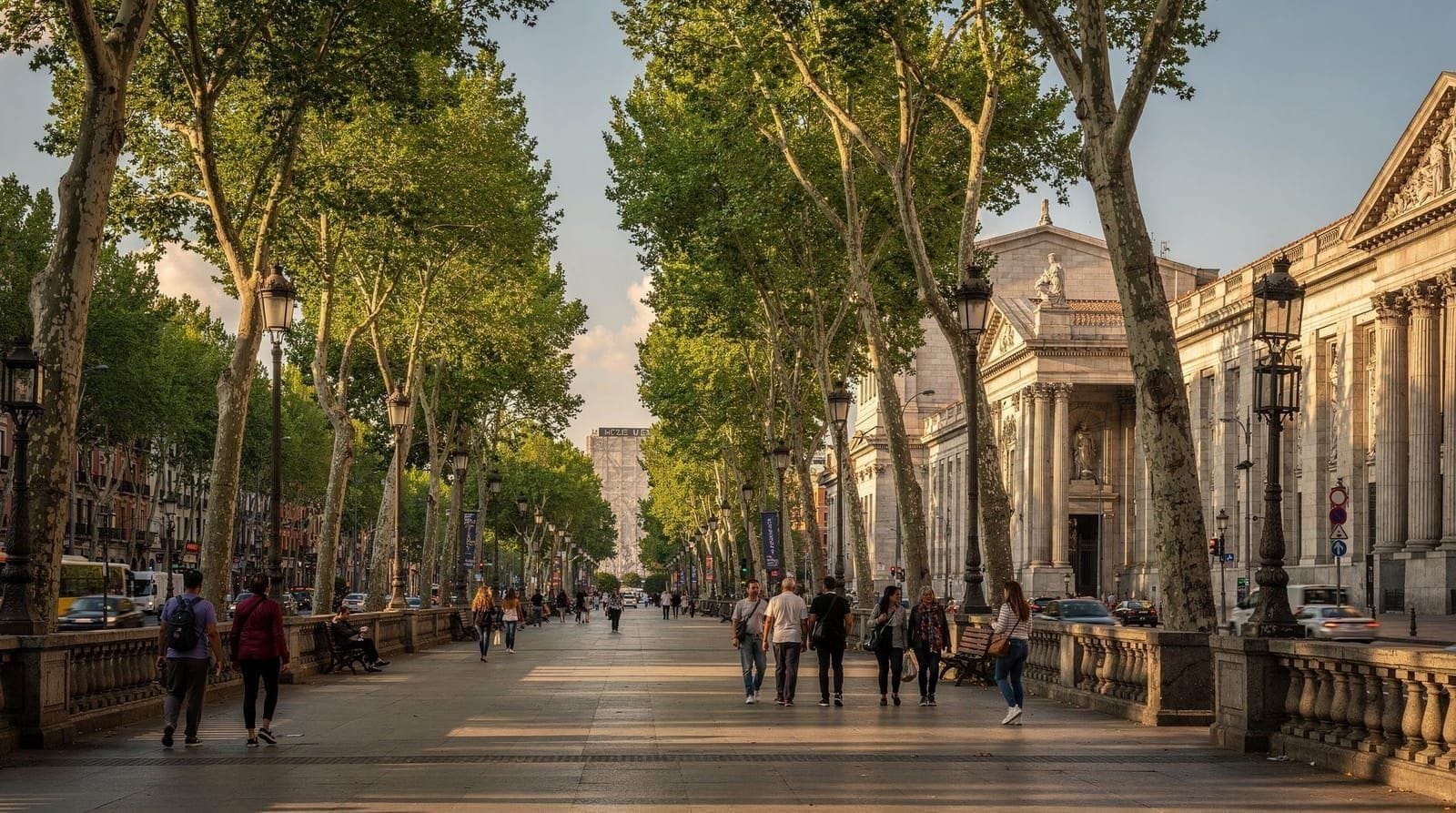
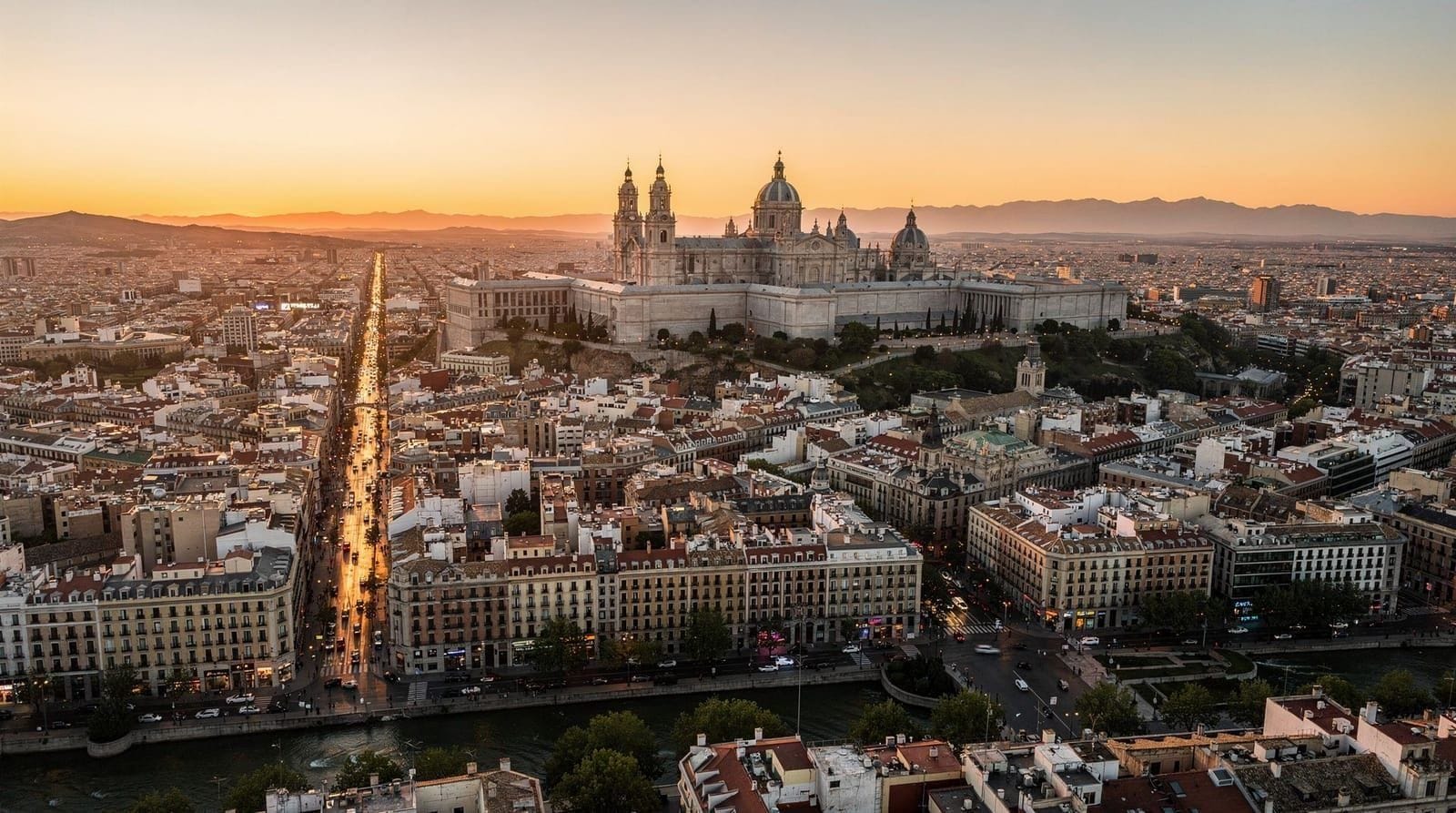
The Retiro and Jerónimos area is Madrid’s greatest mile — the 2 km stretch between Atocha station in the south and the Cibeles fountain in the north contains the Prado, the Casón del Buen Retiro, the Real Jardín Botánico, the western edge of the Retiro Park, and within a short walk, the Reina Sofía and the Thyssen-Bornemisza. No comparable stretch of European city offers this concentration of world-class art and green space in a single walkable distance.
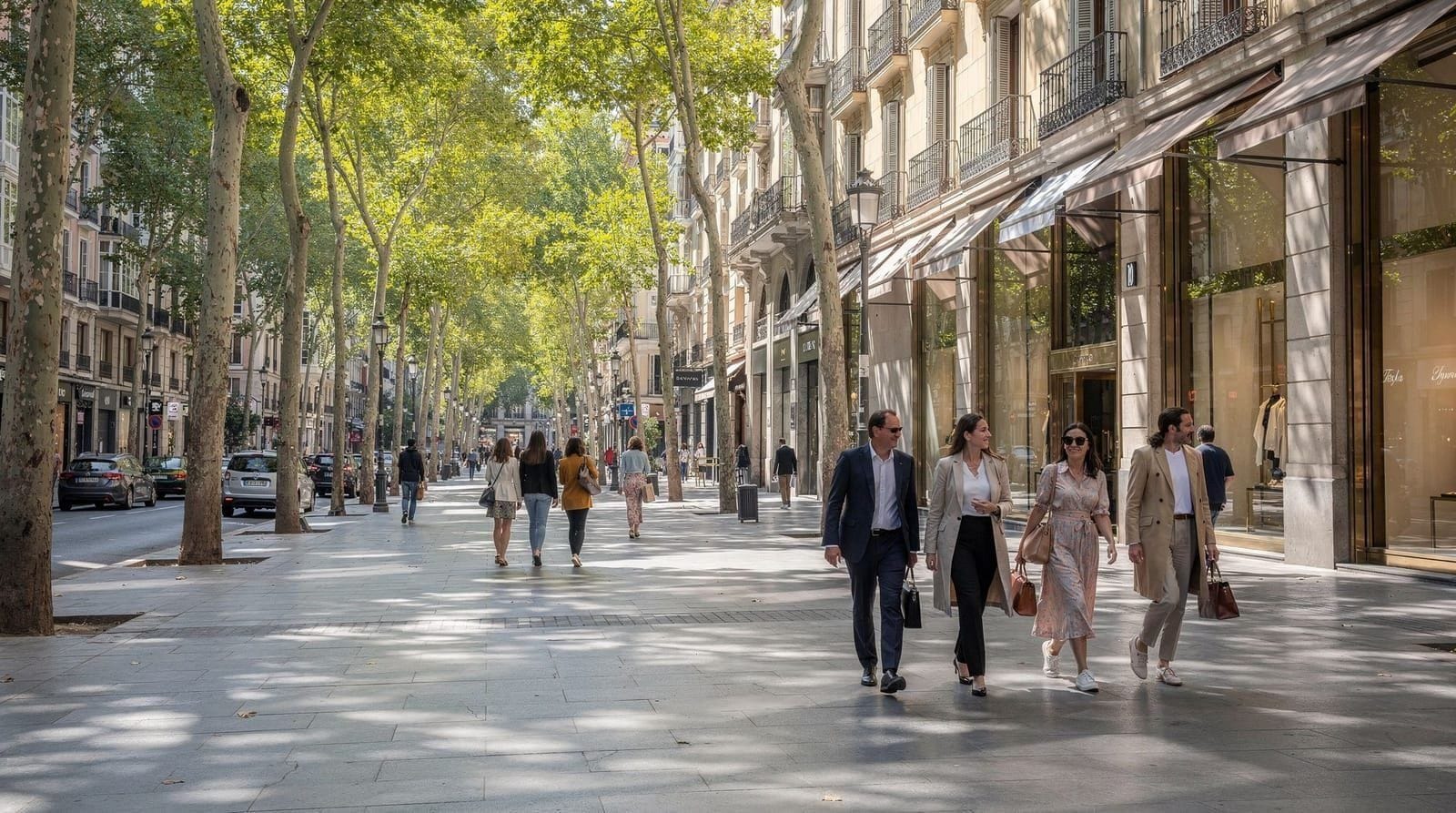
The physical character of the area supports extended visits: wide tree-lined avenues, a low density of commercial activity, the constant presence of the park on the east side, and a quiet that is unusual for a European capital’s most-visited cultural district. It is genuinely pleasant to spend a full day here — not just to see the museums but to move between them at the pace the collection quality deserves.
| Where | Paseo del Prado corridor, between Atocha and Cibeles |
| Cost | Prado €15, Reina Sofía €12, Botanic Garden €4; Retiro Park free |
| Time needed | One full day for Prado + Retiro; two days with Reina Sofía and Thyssen |
| Getting there | Metro Banco de España (L2), Atocha (L1), or Retiro (L2) |
| Best time | Free evening windows year-round; spring for the park |
The Prado: what to know before you go
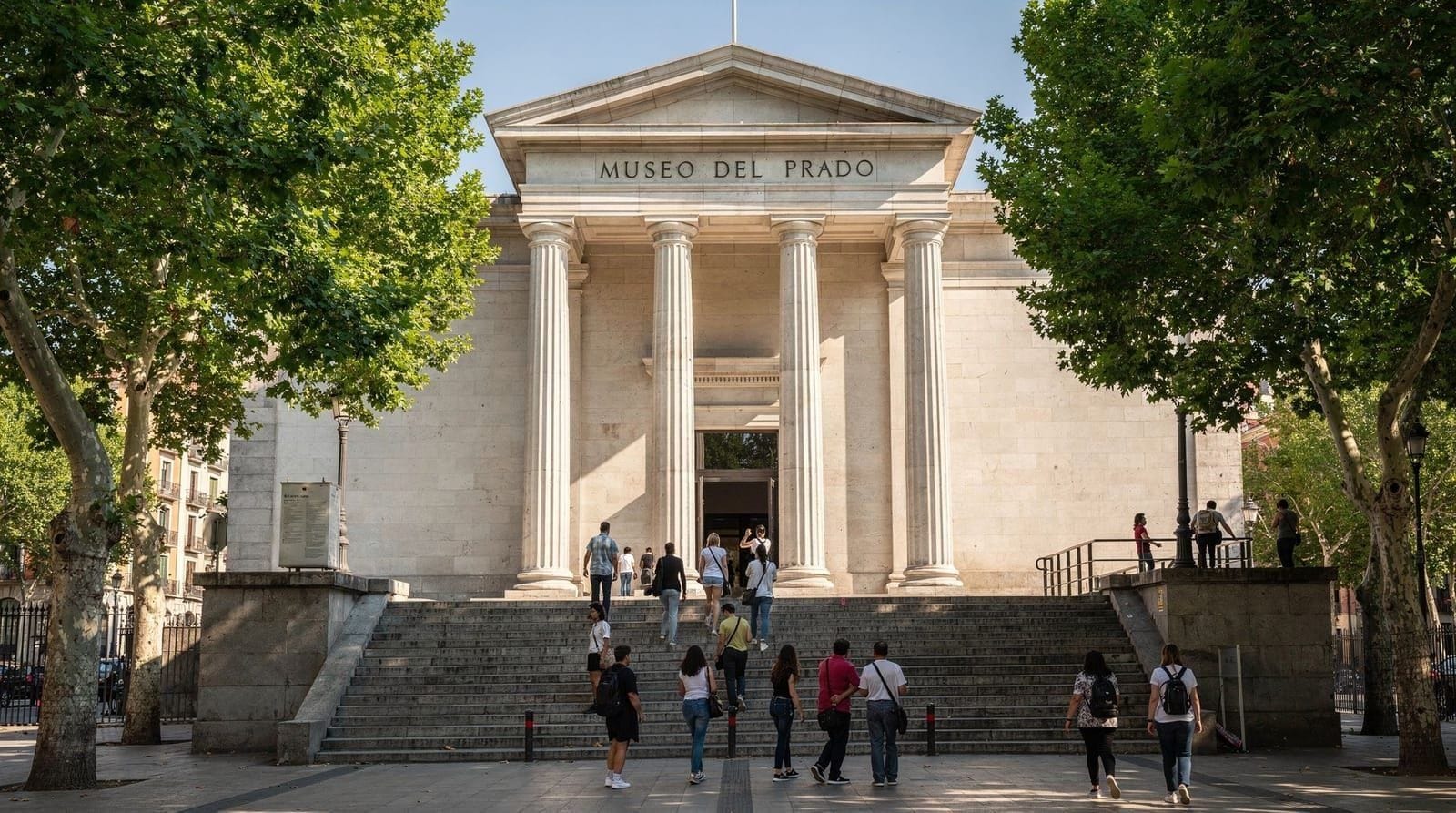
The Museo del Prado (Paseo del Prado 8, Metro Banco de España or Atocha) is not a comprehensive art history survey — it is a specific royal collection assembled by the Spanish monarchs across five centuries, which makes it one of the most coherent and distinctive in the world. The collection’s strengths reflect the specific collecting tastes and diplomatic relationships of the Spanish crown, which means exceptional depth in certain areas and genuine gaps in others.
Velázquez (Rooms 10–15, upper floor): the Prado holds the world’s definitive collection of Diego Velázquez. Las Meninas (Room 12) is in a class by itself — no reproduction conveys the scale (3.18 × 2.76 m), the spatial complexity, or the way the painting changes depending on where you stand in the room. Budget at least 15 minutes with this painting alone. The equestrian portraits, the portraits of court dwarfs and jesters, and Philip IV across multiple stages of life are all in this section.
Goya (multiple rooms): the largest Goya holding in the world. The upper floor has the portraits and tapestry cartoons; the lower level (Rooms 65–67) has the Black Paintings — Saturn Devouring His Son, Witches’ Sabbath, and others painted directly onto the plaster walls of his house in his later years, transferred to canvas after his death. These are among the most psychologically intense paintings in the Western canon; they require time.
El Greco (Rooms 9B, 10B): a dedicated section with the best El Greco holdings outside Toledo. The Adoration of the Shepherds is generally considered among his greatest works.
Flemish masters (Room 29): The Three Graces (Rubens, 1635) is the centrepiece of a section that also includes exceptional Bruegel.
Italian (various rooms): Titian’s equestrian Charles V at Mühlberg (1548) — a portrait of the Holy Roman Emperor immediately after his greatest victory — hangs in Room 27. Raphael and Fra Angelico are also represented.
Hieronymus Bosch (Room 56A): The Garden of Earthly Delights (c.1490–1510) is one of the most enigmatic and discussed paintings in European art. The triptych’s three panels — Eden, the earthly realm of sin, Hell — are full of figures and details that have been debated by scholars for five centuries without resolution. Allow 20 minutes minimum.
Ticket: €15 standard. Online booking strongly recommended; the physical ticket queue can be 30–60 minutes on busy days. Skip-the-line options with a guide available via GetYourGuide for visitors who want context rather than self-guided navigation.
Free hours: Mon–Sat 18:00–20:00, Sun and public holidays 17:00–19:00. The free window is genuinely excellent — the same collection, the same quality, no difference except a queue that forms 30–40 minutes before the opening. Arriving at the Puerta de Goya (main entrance) at 17:30 for the evening free window will typically result in entry within 20 minutes.
Prado Museum guided tour with skip-the-line access and expert commentaryWhat to do at the Prado: a practical approach
The Prado is enormous (86 rooms, 8,000+ works on display, and a permanent collection of 20,000+ items in storage). Attempting to see everything produces exhaustion rather than appreciation. A focused 2–3 hour visit covering the key rooms is far more satisfying than a comprehensive but rushed tour.
Two-hour route (focused on the core): Las Meninas (Room 12) → Velázquez portraits (Rooms 10–15) → Goya portraits and tapestry cartoons (Rooms 32–38) → Flemish (Room 29, Rubens) → Italian (Titian in Room 27) → Bosch (Room 56A, if the triptych is not on loan) → Black Paintings (lower level, Rooms 65–67).
What to skip on a first visit: the extensive 16th-century Spanish painting rooms, the large decorative arts collection, and the rooms of lesser-known Flemish and German work. These are excellent for return visits or for visitors with specific research interests.
The Prado museum guide has a room-by-room breakdown with timing estimates.
If you only have a couple of hours, the blog post on the Prado in two hours takes the same approach and is a useful companion to the route above. For the timing of the evening windows across all the big museums, the museum free hours guide lays them out side by side.
Retiro Park
Parque del Buen Retiro (125 hectares, Metro Retiro, Banco de España, or Atocha) was the private royal garden of the Buen Retiro palace from the 17th century until the palace was destroyed during the Napoleonic Wars. The park was opened to the public in 1868. It is now Madrid’s primary city park — the place where residents run, picnic, rent rowing boats, and seek shade in the summer heat.
Estanque Grande (the great lake): the centrepiece of the park, with rowing boats available for hire at the southeast corner (€7.50–€10 for 45 minutes, with the ornate Alfonso XII monument and colonnade forming the backdrop). The lake is particularly atmospheric in the morning before the crowds arrive, and in the late afternoon when the light on the water is at its best.
Palacio de Cristal (Crystal Palace): a glass and iron greenhouse designed by Ricardo Velázquez Bosco in 1887 for a Philippines colonial exhibition. One of the finest examples of Victorian iron and glass architecture in Spain — comparable in quality to the Palm House at Kew or the Crystal Palace in Sefton Park (though different in scale). Now used as a satellite exhibition space for the Museo Reina Sofía, showing large-scale contemporary art installations. Always free; check the Reina Sofía website for current exhibition.
Palacio de Velázquez (a second exhibition pavilion nearby): designed by the same architect, slightly smaller, same function as the Crystal Palace. Both buildings are worth entering regardless of the current exhibition simply for the architecture.
La Rosaleda (rose garden, at the park’s southern end): 4,000 rose bushes of 100 varieties, best in May–June when the flowers peak. Free and open all day.
El Ángel Caído (the Fallen Angel monument): the only public monument in the world to Lucifer — a bronze of Satan falling from heaven, installed 1878. In the southwestern section of the park.
The park’s trees: the Retiro has exceptional specimen trees accumulated over centuries of royal cultivation — ancient cypresses, Lebanon cedars, and an extraordinary magnolia near the Palacio de Cristal that is one of the largest in Europe.
The Jerónimos church: adjacent to the Prado’s eastern extension (the Moneo building), the Real Basílica de San Jerónimo el Real is a late-Gothic church founded in the 15th century and rebuilt several times since — it hosted the coronation of Alfonso XII and the proclamation of several Spanish monarchs, and gives the wider district its name. Free to enter outside service times, it’s a quiet, often-overlooked stop between the Prado and the park.
Feria del Libro: for two weeks each spring (usually late May to mid-June), the Retiro hosts Madrid’s book fair — hundreds of bookstalls line the park’s Paseo de Coches, and the atmosphere is genuinely local rather than tourist-oriented. If your visit coincides, it’s worth a browse even without fluent Spanish, for the atmosphere alone.
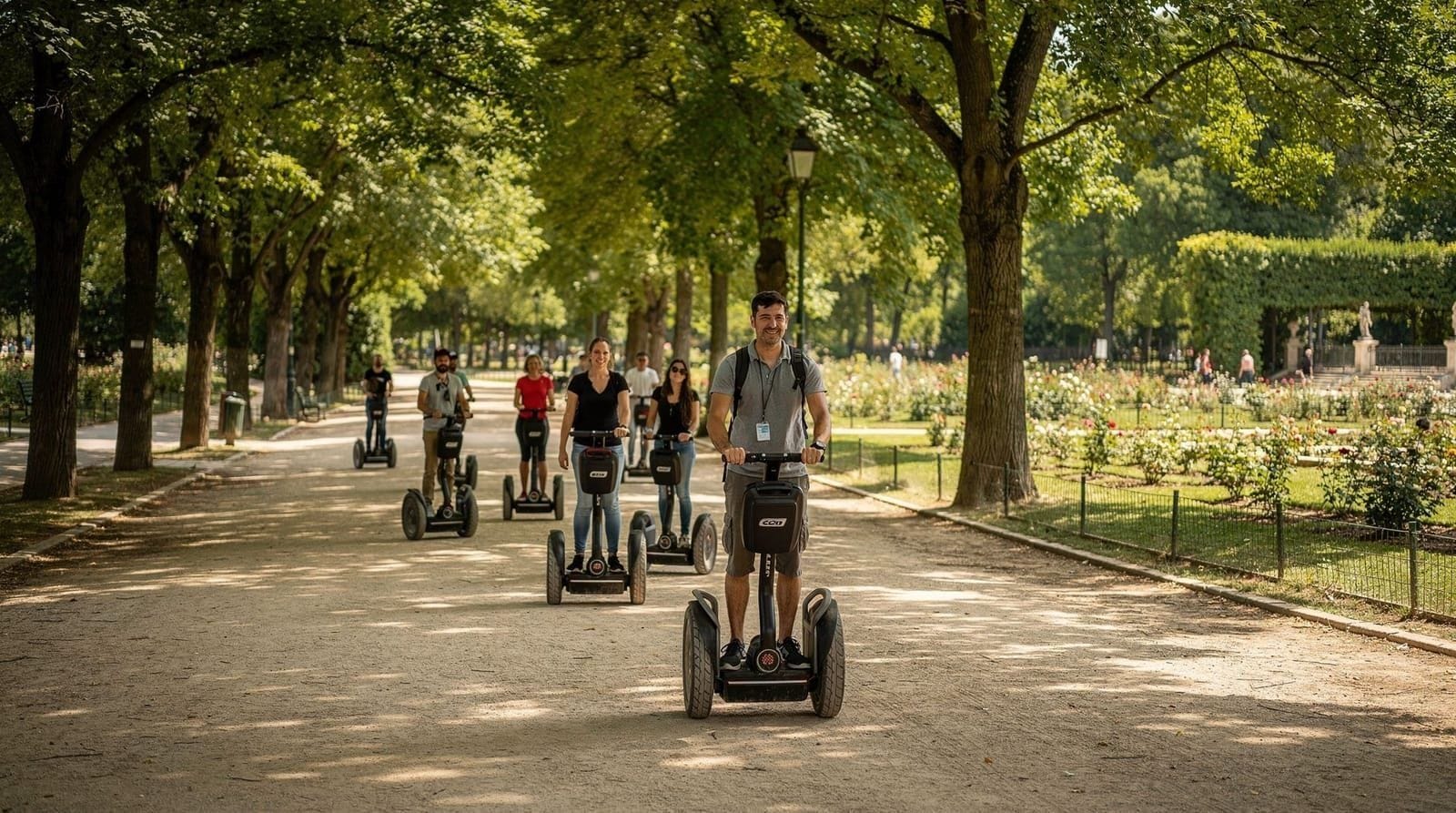
Retiro Park segway tour: lake, Crystal Palace, rose garden, key monumentsThe Retiro Park guide goes further into the park’s corners and paths, and anyone who prefers to cover ground on wheels can read about the Segway option in the Retiro before deciding. Early-morning regulars also use the park for jogging, which the running in the Retiro guide covers. If your visit falls in the greener months, the Madrid in spring guide explains what else is at its best then.
Real Jardín Botánico
The Royal Botanic Garden (Paseo del Prado 10, adjacent to the Prado’s southern entrance) covers 8 hectares and contains approximately 5,000 plant species. Founded in 1755 under Ferdinand VI, it is the oldest botanical garden in Spain. Ticket: €4 (concessions available).
The garden is less visited than the Retiro Park but more interesting for specifically botanical content — the collection of Mediterranean species, the historical plant collection (plants cultivated in Spain for centuries), and the garden’s specific Neoclassical design make it worthwhile. The glasshouses (invernaderos) contain tropical and subtropical species. Allow 60–90 minutes. The Real Jardín Botánico guide has more on what to look for inside.
The Reina Sofía connection
The Museo Reina Sofía (Calle Santa Isabel 52, Metro Atocha) is 10 minutes on foot south of the Prado — close enough to make a combined day visit standard, but far enough that it is worth planning rather than drifting between them.
The Reina Sofía museum guide has room-by-room priorities for a focused visit.
The Thyssen-Bornemisza, the third point of the triangle
Completing the Golden Triangle, the Museo Thyssen-Bornemisza (Paseo del Prado 8, directly opposite the Prado’s Villanueva building) holds the private collection assembled across two generations by the Thyssen family, acquired by the Spanish state in 1993. Unlike the Prado’s royal-collection focus or the Reina Sofía’s 20th-century specialism, the Thyssen fills the gaps between them — a genuinely comprehensive survey running from medieval Italian panel painting through German Expressionism to American 20th-century art, with particularly strong holdings of early Netherlandish painting and 17th-century Dutch and Flemish work that the Prado’s Spanish-royal focus never collected in depth.
For visitors doing all three museums, the Thyssen works well as the second stop after the Prado — the walk between them is under five minutes, and the collection’s breadth gives useful context for what the other two do not cover. Free entry on Mondays 12:00–16:00; €14 standard ticket (€10 reduced), with temporary exhibitions priced separately. The Thyssen-Bornemisza museum guide covers the collection’s layout, and the Golden Triangle art walk strings the three museums into a single route.
Guernica (Picasso, 1937, Room 205, Sabatini building): the painting’s dimensions (7.78 m wide, 3.49 m tall) are not visible in any reproduction. The subject — the bombing of the Basque town of Guernica by Nazi Germany and Fascist Italy during the Spanish Civil War — is stated in the painting’s history rather than depicted literally. What the painting shows is chaos, suffering, and specific figures (the screaming woman with dead child, the horse in agony, the bull) whose symbolism Picasso deliberately left ambiguous. Spend at least 15 minutes in the room; most people do not. The blog post Guernica: what to know is a good primer to read beforehand.
Dalí (second floor of the Sabatini building): significant holdings including The Great Masturbator (1929) and several works from the 1920s–30s surrealist period.
Joan Miró and Juan Gris are also strongly represented.
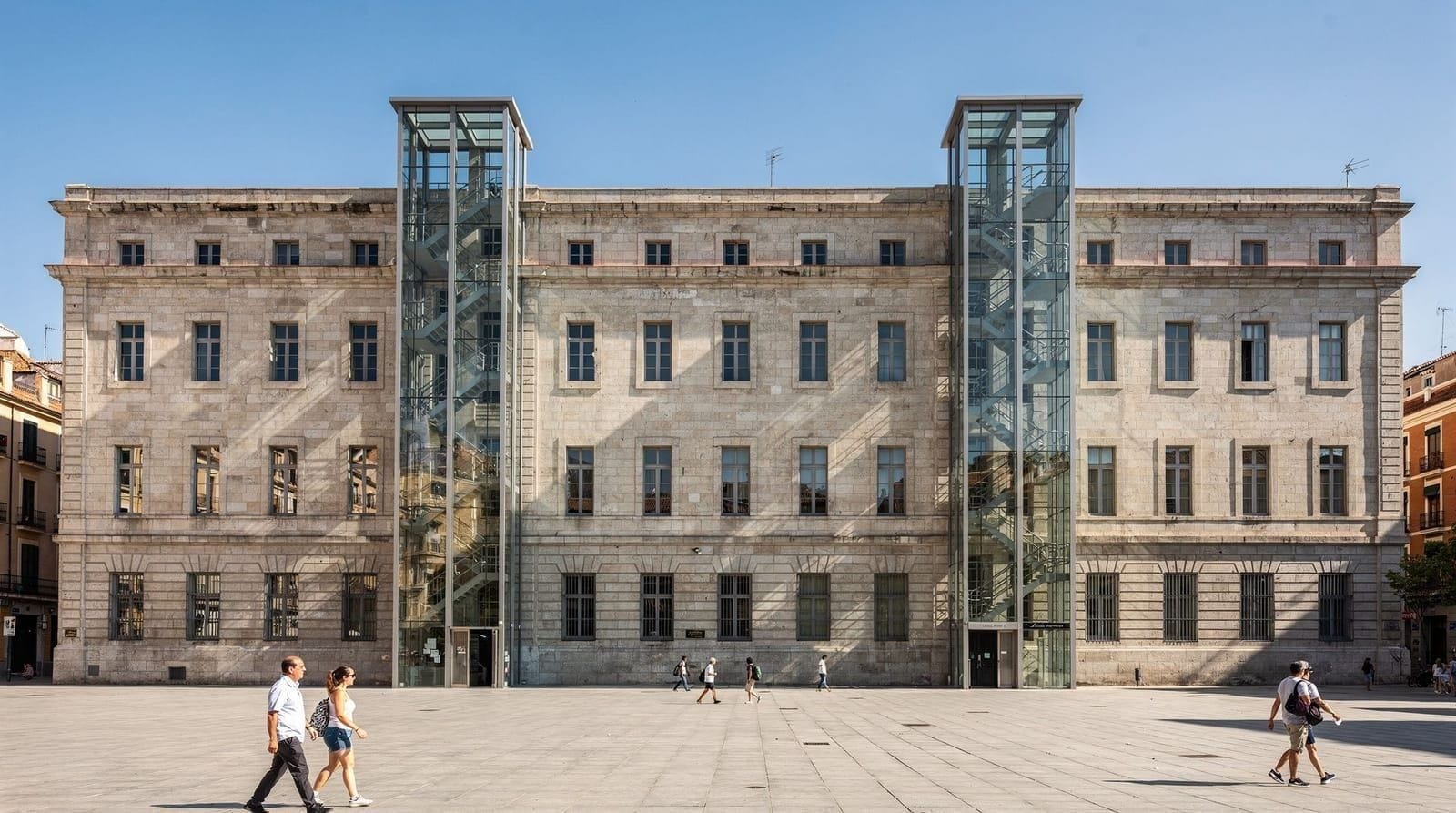
The Reina Sofía’s permanent collection is concentrated in the Sabatini building (the original 1788 hospital building); the Jean Nouvel extension (2005) handles temporary exhibitions. Free: Mon and Wed–Sat 19:00–21:00, Sunday 12:30–14:30 only. Ticket: €12. Closed Tuesdays.
Prado and Reina Sofía guided tour with entry ticketsThe Casón del Buen Retiro
The Casón del Buen Retiro (Calle Alfonso XII 28, entry included in the Prado ticket) is an annex of the Prado housed in the 17th-century banquet hall of the original Buen Retiro palace — the rest of which was destroyed by fire and by the Napoleonic Wars. The Casón contains the Prado’s collection of 19th-century Spanish painting, which is less internationally known than the Golden Age works in the main building but includes several masterpieces: the large-format history paintings of Eduardo Rosales (Death of Lucrezia, 1871), the Romantic landscapes of Carlos de Haes, and the extraordinarily ambitious Diorama of the Battle of Tetuán by Mariano Fortuny. The ceiling fresco in the main hall — The Apotheosis of the Golden Fleece, attributed to Luca Giordano, 1697 — is one of the finest Baroque ceiling paintings in Spain.
The Casón is usually far less crowded than the main Prado building and represents a genuinely good 45–60 minute addition to a Prado visit, particularly if you have any interest in 19th-century European art. Because it’s included in the standard Prado ticket at no extra cost, it’s one of the better-value additions available anywhere in the area — most visitors who skip it simply don’t know it’s there.
The Palacio de Cibeles rooftop
The Palacio de Cibeles (Plaza de Cibeles 1), Madrid’s city hall and cultural centre, has one of the best free rooftop terraces in the city. Entry to the building’s public exhibitions is free; the rooftop bar (Azotea de Cibeles) requires purchasing a drink (approximately €6–€10) for access to the terrace with its unobstructed 360-degree views over the Castellana and the Jerónimos quarter.
The views are particularly good at dusk — the Palacio de Comunicaciones was designed to be seen from outside, and the view down the Castellana toward the Prado and Retiro, with the mountains of the Guadarrama behind, is one of the better standard views of the city. The bar is busy on weekend evenings; arrive before 19:00 for a table at the parapet. It’s a genuinely good way to close out a museum-heavy day without another indoor stop, and works well timed to sunset after the Prado’s evening free window.
Structuring a day in the area
Classic one-day art and park route:
- 10:00 — Prado opens. Arrive early for the first 1–2 hours with minimal crowds. Focus: Velázquez (Room 12), Goya Black Paintings (lower level), Bosch (Room 56A).
- 13:00 — Lunch in Barrio de las Letras (10 minutes west). Menú del día €12–€15 at La Finca de Susana or similar.
- 14:30–17:30 — Retiro Park: rowing boat (45 minutes), Palacio de Cristal (current exhibition), rose garden, tree walk.
- 17:30 — Queue for Prado free window (Mon–Sat 18:00–20:00). Arrives in time for a focused second room.
- 20:00 — Evening: drinks in Barrio de las Letras or continue to Reina Sofía on a Wednesday–Saturday (free 19:00–21:00).
Two-day art route: day 1 covers Prado + Retiro as above; day 2 covers Reina Sofía (morning or evening free window) + Thyssen (free Mon 12:00–16:00) + the Cibeles area and the Botanic Garden.
This corridor slots naturally into a longer stay: the three-day Madrid itinerary places it alongside the historic centre, and the blog post on free art in Madrid shows how to stretch a modest budget across the museums. For a wider list of no-cost options in the city, see free things to do in Madrid.
Cibeles and the Castellana
The northern edge of the Jerónimos area is marked by the Cibeles fountain at the intersection of the Castellana and Calle Alcalá — one of the most recognisable images in Madrid. The Palacio de Cibeles (formerly the central post office, now the city’s cultural centre and the offices of the Mayor) is one of the finest Neo-Plateresque buildings in Spain, built 1907–1919. Its public spaces include a free exhibition area and a rooftop terrace bar (Azotea de Cibeles) with excellent city views — open to the public with a drink purchase, approximately €6–€10.
Getting to Retiro and Jerónimos
Metro: Banco de España (Line 2) for the Prado’s northern entrance and the Cibeles area. Atocha (Line 1) for the Prado’s southern entrance and the Reina Sofía. Retiro (Line 2) for the park’s western entrance.
On foot: from Sol approximately 25 minutes to the Prado. From La Latina about 25 minutes east. From Barrio de Salamanca, about 15 minutes west, making a Salamanca-shopping-then-Retiro afternoon an easy pairing.
Frequently asked questions about Retiro and Jerónimos
How do I use the Prado free hours effectively?
Arrive at the Puerta de Goya (main entrance) at least 30 minutes before the free window opens — 17:30 for the 18:00 weekday window. The queue moves reasonably fast once doors open. If arriving exactly at opening time, the queue will be significantly longer.
Can I see the Prado and Reina Sofía in one day?
Yes, but it requires a disciplined plan. Two focused hours at the Prado, a lunch break, then two hours at the Reina Sofía works. Include the Retiro Park as a midday break and the day is full but satisfying. The art lovers itinerary has a day-by-day structure.
Is the Retiro Park safe?
The main areas (around the lake, Crystal Palace, rose garden, main paths) are safe during daylight hours and extremely busy on weekends. The wooded areas at the eastern end are quieter and best avoided after dark. Solo visitors, including women, generally find the park comfortable during opening hours given the constant foot traffic.
What is the Palacio de Cristal and what is inside?
A Victorian iron-and-glass greenhouse (1887) now used as a free Reina Sofía satellite space for large-scale contemporary art installations. The building itself is exceptional regardless of what is inside; the current exhibition changes regularly — check the Reina Sofía website before visiting.
Is the Botanic Garden worth visiting?
Yes if you have botanical interest or want a quiet, less crowded green space near the Prado. Ticket is only €4. The garden is consistently well-maintained and the glasshouses are genuinely interesting. Allow 60–90 minutes.
Do I need to visit all three Golden Triangle museums?
No — the Prado alone is worth a trip for most visitors. The Reina Sofía adds essential 20th-century context (Guernica in particular), and the Thyssen fills the historical gaps between the two. Prioritise based on available time rather than trying to force all three into one day.
Top experiences
Bookable activities with verified prices and instant confirmation on GetYourGuide.