Barrio de las Letras
Madrid's literary quarter — Cervantes, Lope de Vega, the Prado corridor, good restaurants, lively bars. Compact and walkable. Honest 2026 guide.
Madrid: Old Town Poets District
Quick facts
- Also called
- Huertas / Barrio de las Letras
- Metro
- Antón Martín (L1), Banco de España (L2), Sol (L1/2/3)
- Literary connection
- Cervantes and Lope de Vega both lived here
- Distance from Prado
- ~10 minutes on foot
- Best for
- Pre-Prado lunch, evening bars, Golden Age history
The neighbourhood between Puerta del Sol, the Prado, and Lavapiés has been Madrid’s literary and intellectual district since the 16th century, when the city became the capital of the Spanish Empire and writers and playwrights followed the court. Miguel de Cervantes (Don Quixote) and Lope de Vega (the most prolific playwright in Spanish history) both lived and died within a few hundred metres of each other in these streets. The neighbourhood has never entirely shed that identity — it remains one of the better places in central Madrid for an unhurried meal, a literary bookshop browse, and a pre-Prado espresso.
| Where | Between Sol, the Prado and Lavapiés, central Madrid |
| Getting there | Metro Antón Martín (L1) or Banco de España (L2) |
| Distance to Prado | ~10 minutes on foot |
| Time needed | Half a day |
| Best for | Pre-Prado lunch, Golden Age history, evening bars |
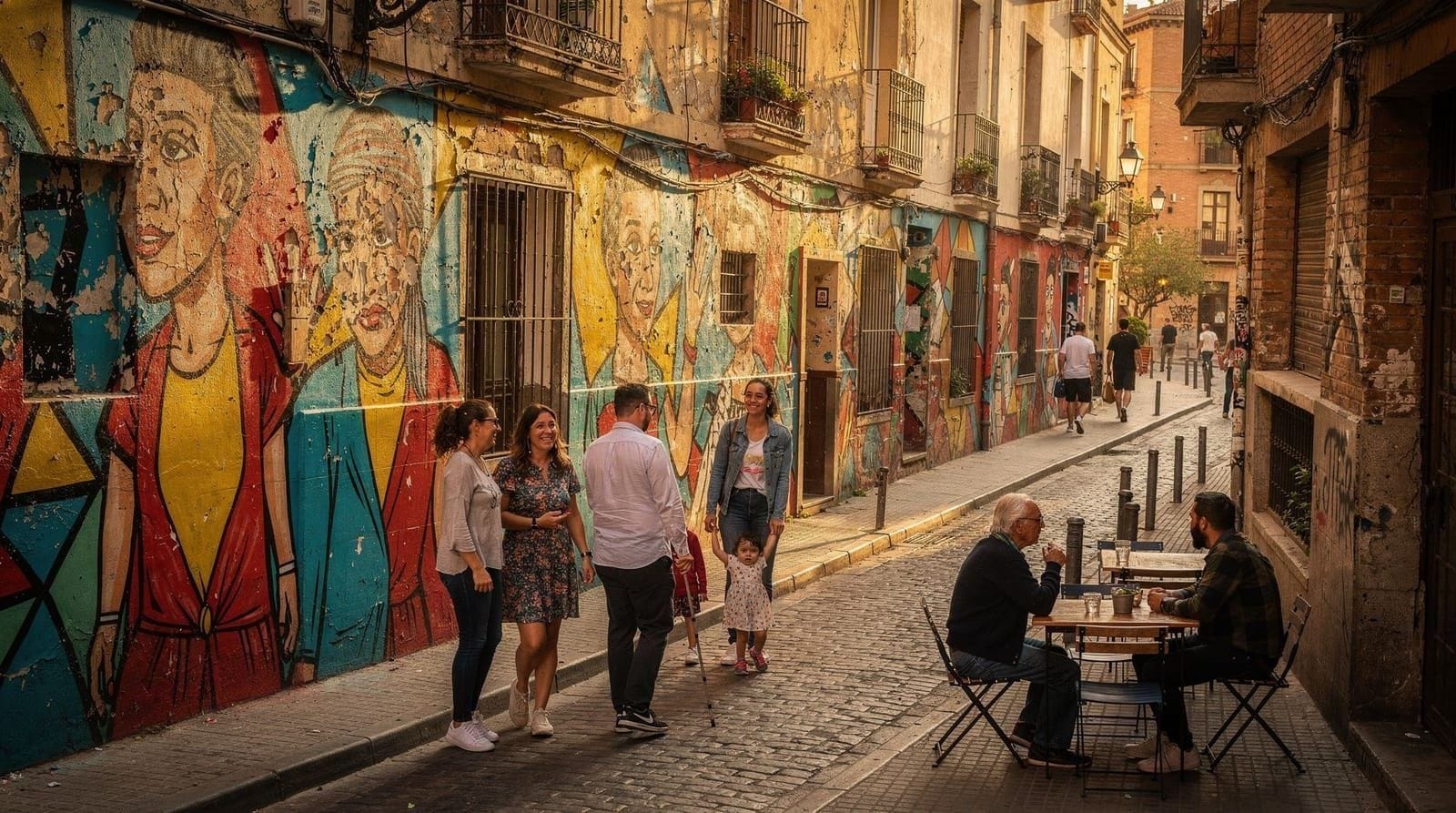
The area is officially split between two barrios — Cortes (around Huertas) and Antón Martín further south — but most visitors and residents refer to the whole area as Barrio de las Letras or simply Huertas, after its main commercial street. Whatever you call it, the neighbourhood does something unusual for central Madrid: it manages to be both tourist-accessible and genuinely used by the people who live and work in it, with a mixed economy of literary cafés, neighbourhood restaurants, and the kind of bars where a single table is occupied by the same conversation for three hours.
Literary history in the streets
The Spanish Golden Age of literature (approximately 1560–1680) produced most of its major works within a kilometre of what is now Calle Huertas. The term Golden Age is not entirely hyperbolic: Spain in this period was writing Cervantes, Lope de Vega, Calderón de la Barca, Quevedo, Góngora, and Tirso de Molina — roughly simultaneously. The capital attracted them all, which is why the neighbourhood has such a specific literary concentration.
Cervantes quotations are etched into the paving stones of Calle Huertas itself — passages from Don Quixote, La Galatea, and other works set into the pavement in bronze lettering, visible as you walk from Sol toward the Prado. It is an unusual way to mark a literary heritage, more embedded into daily life than a plaque and less ignored. The quotations were installed in the early 2000s during a neighbourhood renewal; they are the kind of civic detail that makes a place feel thought about.
Casa de Lope de Vega (Calle Cervantes 11, Metro Antón Martín): Lope de Vega lived in this house from 1610 until his death in 1635, a quarter-century during which he reportedly wrote 400 of his plays in these rooms. The final count of his dramatic output varies by historical source — somewhere between 800 and 1,800 plays, along with hundreds of poems and prose works — but any figure represents an output without parallel in European letters. The house is preserved as a period museum with the original floor plan, period furniture, and the garden described in his own letters. Free admission; small group tours run regularly on weekday mornings. Book ahead if you want a guided tour rather than self-guided access, as group sizes are limited.
Cervantes’ death site: Miguel de Cervantes died on 23 April 1616 at a house on Calle León (the exact number has been debated; a commemorative plaque marks the block). This date — 23 April — is also the date of Shakespeare’s death (and birth), an alignment so tidy that historians have noted it for centuries, though the dates only coincide due to the difference between the Julian and Gregorian calendars, which Spain had adopted but England had not. His remains were lost after burial at the Convento de las Trinitarias Descalzas and were rediscovered in 2015 during forensic excavations beneath the convent (Calle Lope de Vega 18). The bones were reinterred with a ceremony in 2015. The convent is not regularly open to visitors, but the street exterior is worth passing.
The geographical irony of the neighbourhood: Calle Cervantes and Calle Lope de Vega cross each other at right angles. Cervantes lived on a street named for his contemporary and literary rival; Lope de Vega lived on the parallel street named for Cervantes. This was not deliberate irony — the streets were renamed after their deaths — but it serves as a compact reminder that these writers were literal neighbours who reportedly found each other’s company difficult. Cervantes wrote disparagingly of Lope’s prolific output; Lope’s opinion of Cervantes is not recorded in the same terms but was not particularly generous either.
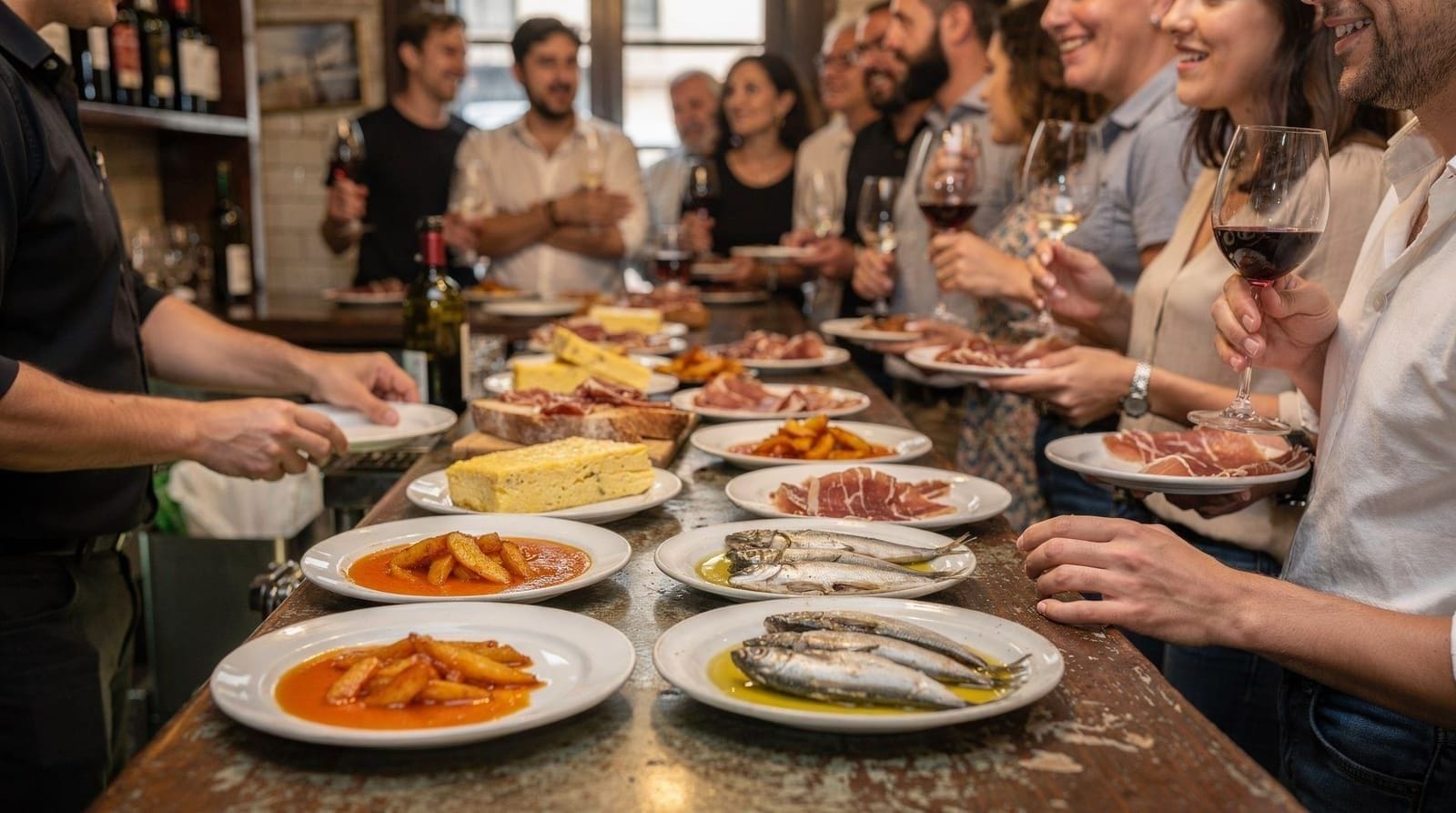
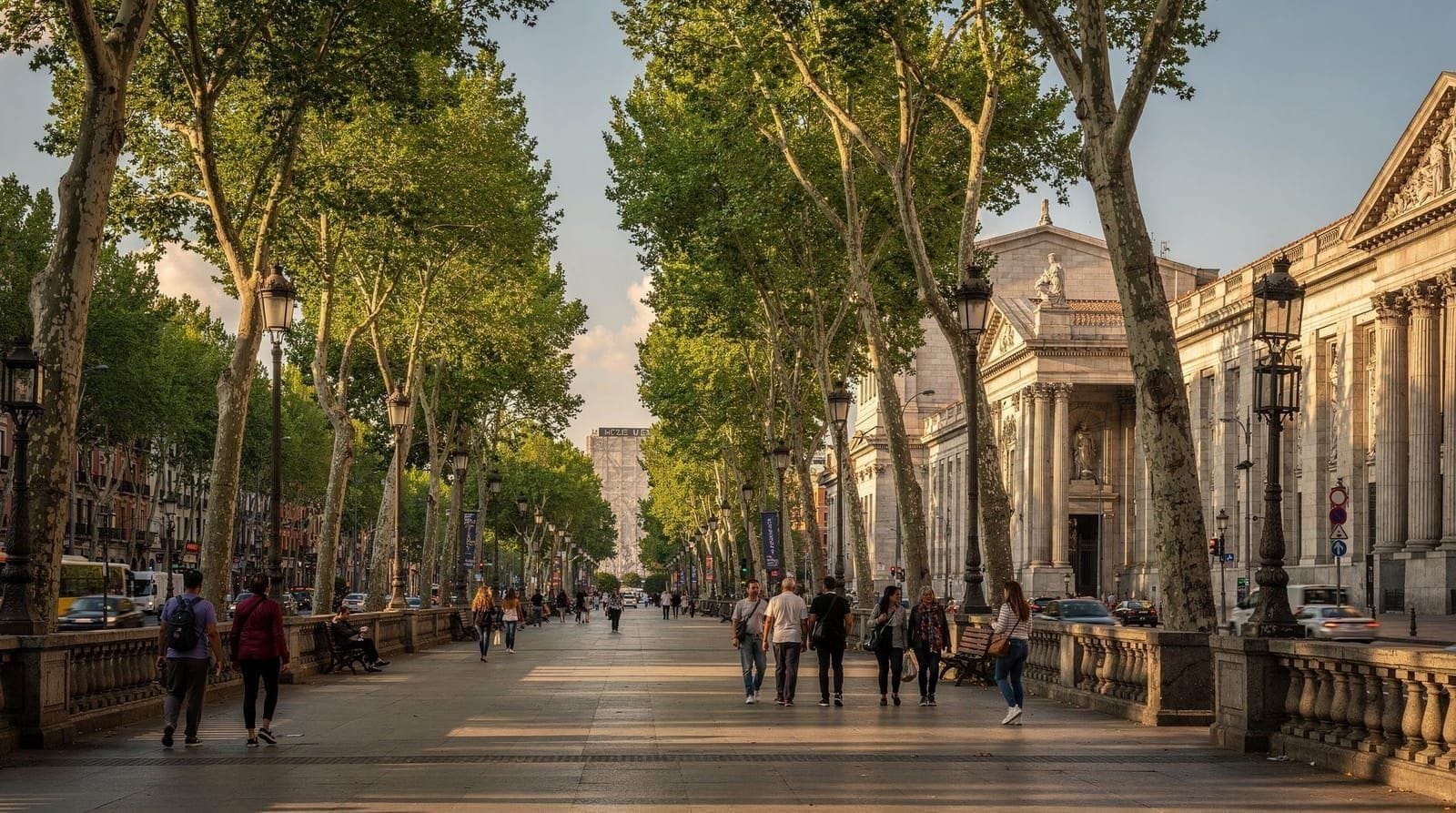
Madrid walking tour: poets district, literary quarter, hidden patiosFor a deeper walk through the writers’ streets, the literary quarter and Cervantes guide and the dedicated Barrio de las Letras guide follow the same ground with more on individual houses and plaques. If the Golden Age is what drew you here, the wider Habsburg and Bourbon history guide explains the court that the writers were orbiting.
The Golden Age context
Why did the Golden Age happen here and why did it happen then? The answer involves economics and politics more than inspiration. When Philip II made Madrid the permanent capital in 1561, the city transformed from a minor Castilian town of 20,000 to the administrative centre of the world’s largest empire within a generation. The court arrived, the bureaucracy arrived, the merchants followed, and the writers and artists who needed patronage and audiences came with them.
The theatre culture of Golden Age Madrid was particularly intense. The corrales de comedias — open-air theatre yards in converted house courtyards — were one of the primary forms of popular entertainment. The Corral de la Cruz (1579) and the Corral del Príncipe (1583) were the two main venues; both were in or adjacent to this neighbourhood. The corrales had different social sections (the higher galleries for nobles, the standing yard for the groundlings, the women’s area) and ran performances almost daily. Lope de Vega wrote specifically for these venues — his plays are structured around the attention spans and expectations of a mixed popular audience. Don Quixote, meanwhile, was written partly as a commentary on the excesses of this same popular chivalric literature.
The physical corrales are gone — the Corral del Príncipe’s site is now occupied by the Teatro Español (Plaza de Santa Ana) — but the theatre culture persists in modified form. The Teatro Español is one of Madrid’s main public theatres; several other smaller venues in the neighbourhood continue the performing arts tradition. If you read Spanish, checking the programming at these venues for contemporary versions of Golden Age plays is worthwhile.
Plaza de Santa Ana
The central square of Barrio de las Letras is neither the most architecturally distinguished nor the most intimate in Madrid, but it functions well as the neighbourhood’s hub. The Teatro Español takes up the north side; the Hotel Me Madrid (its terrace bar is one of the better rooftop options with views over the square and the neighbourhood) occupies the east. The terraces of the surrounding bars fill on any warm evening.
Taberna Vinos González (Calle de León 12): a wine shop and deli with a small restaurant attached — one of the best places in the neighbourhood for lunch if you want to explore Spanish regional wines alongside a meal. The jamón, cheese, and conserves in the shop are also worth browsing.
Cervecería Alemana (Plaza de Santa Ana 6): a German-style beerhouse that has been on the square since 1904 and is on every tourist map — Ernest Hemingway drank here, as the sign inside notes. It is more tourist-facing than some nearby options but genuinely serves good cold beer and basic tapas without pretension.
Eating and drinking in Barrio de las Letras
If you want to place the neighbourhood within Madrid’s wider food scene, the best tapas bars and eat like a local guides give context, and the tourist menu traps piece explains what to avoid on the busiest stretch of Calle Huertas.
The neighbourhood has a significantly better restaurant-to-tourist-trap ratio than Sol and Plaza Mayor. The main tourist axis runs along Calle Huertas; one block in either direction and the price-quality ratio improves markedly.
La Finca de Susana (Calle Arlabán 4): a consistent mid-range restaurant with excellent value menú del día at lunch (€12–€15) and a Mediterranean-influenced dinner menu. Popular with the local professional class; often full at peak lunch hours (14:00–15:30). Arrive at 13:30 for the first seating or reserve the day before.
Taberna La Dolores (Plaza de Jesús 4): one of the best traditional tabernas in this part of the city — 1920s azulejo tiles, good cañas, free tapas with drinks. The tuna montadito (small open sandwich) is the house specialty and costs under €3. Standing or perching on stools at the counter is the local format.
Cervecería Cervantes (Plaza de Jesús 7): directly opposite La Dolores; similarly traditional, slightly more focused on proper food rather than just tapas. Good patatas bravas, excellent boquerones en vinagre, and a wide selection of conserves. Mid-range pricing.
Casa Alberto (Calle Huertas 18): open since 1827, occupying a building where Cervantes reportedly lived and wrote part of Don Quixote. Vermouth from a barrel at the bar (a specific Madrid tradition — vermouth should be served at room temperature from a wooden cask at a traditional bar), cocido madrileño on Thursdays, traditional Madrid dishes. A genuine historical restaurant without the artifice of some self-proclaimed “oldest” establishments.
Maceiras (Calle Huertas 66): the best Galician restaurant in this neighbourhood, serving pulpo a la gallega (octopus with paprika and olive oil), Galician empanada, and excellent Albariño wine by the glass. A good alternative to the Castilian-focused restaurants that dominate the area.
Círculo de Bellas Artes rooftop bar (Calle Alcalá 42, technically just outside the neighbourhood): the most accessible public rooftop in central Madrid — a small admission fee (€6, or €7 for a combined ticket with the exhibitions) buys access to the rooftop of the 1926 building with views over Gran Vía and the neighbourhood’s roofline. Drinks are priced at rooftop-bar level (€7–€12) but the setting — including the famous statue of Minerva — is among the best publicly accessible viewpoints in the city.
Bars and nightlife
Barrio de las Letras has a more mixed bar scene than Malasaña or Chueca — less strictly hipster, less strictly LGBTQ+, tending toward the kind of place where a glass of wine and a long conversation is the point. That said, Calle Huertas on a Friday or Saturday night is busy, loud, and runs late. The street caters to multiple demographics simultaneously — foreign tourists, young Madrileños on a night out, older neighbourhood residents — and this mixing is part of what gives it a different character from the more segment-specific nightlife of Malasaña and Chueca.
Los Gabrieles (Calle Echegaray 17): a cocktail bar famous for its extraordinary 19th-century azulejo decoration — the tiles were originally commissioned for a slaughterhouse (you can find the original purpose depicted if you look closely) and were purchased and moved here. Worth visiting for the interior even if you do not drink; arrive in the early evening before it fills up for the best chance to see the tiles without being compressed.
Lateral (Calle Fuentes 3 and other locations): a reliable modern tapas bar with good wines by the glass and a menu that works for a pre-concert or pre-Prado meal. More consistent than some of the Huertas strip options.
The streets between Huertas and Antón Martín — particularly Calle Moratín and Calle Santa María — have quieter bars popular with university students and young local residents. Less photogenic than the main strip, considerably cheaper.
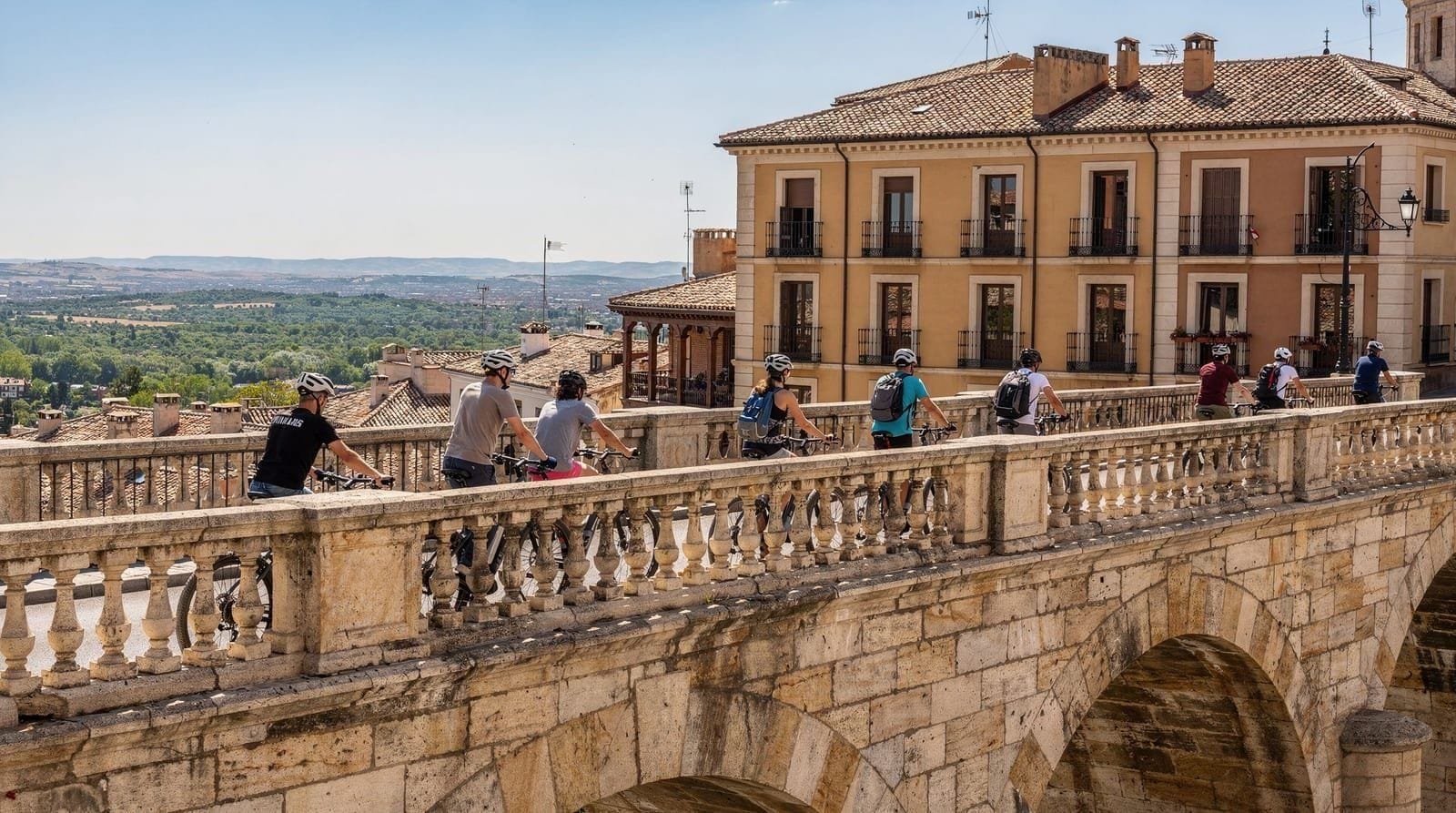
E-bike tour: literary quarter, Retiro Park, and the Paseo del ArteAfter an evening here, the late-night Madrid guide and the broader Madrid nightlife guide help you decide whether to stay on Huertas or move on. For something more specific, wine bars and vermut in Madrid suit the unhurried, conversation-first character of this quarter.
Between the Prado and the quarter
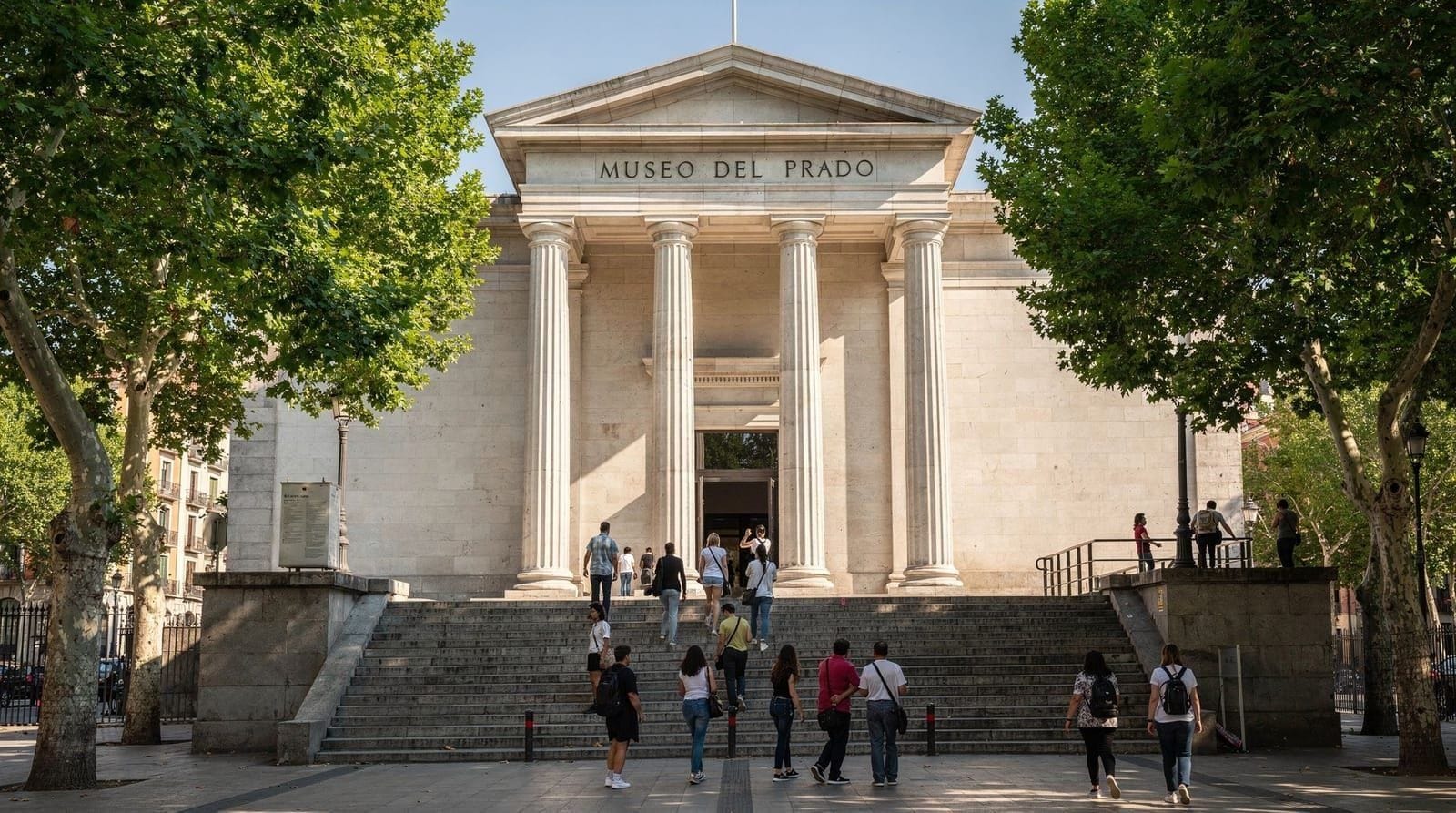
Barrio de las Letras functions as the natural pre-Prado lunch or post-Prado drink territory. The Prado’s Puerta de los Jerónimos (eastern entrance, closest to the area) is about 10 minutes on foot from Antón Martín metro. The free admission windows (Mon–Sat 18:00–20:00, Sun 17:00–19:00) align well with a 13:30–17:30 neighbourhood afternoon: lunch at La Finca de Susana or Casa Alberto, a coffee, browsing the bookshops on Calle Huertas, then arriving at the Prado at 17:30 to queue for the free entry.
A logical full day in this part of Madrid:
- 10:00–13:00 — Prado (paid entry, skip the queue with advance booking)
- 13:30–15:30 — Lunch in Barrio de las Letras
- 15:30–17:30 — Casa de Lope de Vega (free, tours at regular intervals), walk the Huertas pavement quotations
- 17:30–18:00 — Queue for Prado free window or shift to Reina Sofía (free Mon & Wed–Sat 19:00)
- Evening — Plaza de Santa Ana terraces
The Prado museum guide has room-by-room recommendations. The golden triangle art walk guide covers the broader museum circuit.
Other museums sit within the same corridor: the Reina Sofía museum guide and the Thyssen museum guide fit naturally into a day built around Letras, and the museum free hours guide helps you time the evening windows. After the galleries, the Retiro Park guide suggests a calm way to wind down.
Bookshops and literary culture
The neighbourhood’s literary identity supports several good bookshops, some of which have survived the Amazon-era better than expected:
Librería Desnivel (Plaza Matute 6): specialist outdoor and adventure books — travel, mountaineering, climbing guides. Useful if you are planning trips to the Sierra de Guadarrama or elsewhere.
La Central de Callao (Calle Postigo de San Martín 8, near Sol): one of Madrid’s best general bookshops with a genuine English-language section and a café that does not require a purchase. Good browsing.
Casa del Libro (Calle Fuencarral branches and Gran Vía): the national chain, large stock, reasonable English sections.
Getting there
Metro: Antón Martín (Line 1) is the most central station for the southern part of the neighbourhood. Banco de España (Line 2) for the northern edge and the Cibeles end. Sol (Lines 1/2/3) puts you 10 minutes on foot from the neighbourhood’s northern edge.
On foot: 10–15 minutes from Sol, 10 minutes from the Prado, 15 minutes from La Latina, 10 minutes from Lavapiés.
Moving on from here, Sol and Gran Vía lie to the north, Retiro and Jerónimos to the east, and the wider Madrid overview shows how the quarter fits into a full trip. The Madrid in three days and Madrid for art lovers itineraries both pass through the quarter, and getting around by metro covers the stations mentioned above.
Barrio de las Letras compared with nearby neighbourhoods
Deciding where to spend an evening among Madrid’s central neighbourhoods is a common dilemma for first-time visitors. Here’s how Letras stacks up against its closest comparisons:
| Neighbourhood | Character | Best for | Distance from Prado |
|---|---|---|---|
| Barrio de las Letras | Literary, mixed-age, moderately busy | Pre/post-museum dinner, wine bars | ~10 min |
| Lavapiés | Multicultural, alternative, gritty | Cheap eats, street art, diversity | ~15–20 min |
| Malasaña | Youth-oriented, indie, late nightlife | Vintage shopping, all-night bars | ~25 min |
| La Latina | Traditional tapas, Sunday market energy | Cava Baja tapas crawl, El Rastro | ~20–25 min |
Letras occupies a useful middle ground: closer to the Prado than any of the alternatives, calmer than Malasaña, and more polished than Lavapiés, without the specific Sunday-market intensity of La Latina. For a single Madrid evening built around the Prado, Letras is usually the most efficient choice; for a dedicated night out, Malasaña or La Latina offer more.
Frequently asked questions about Barrio de las Letras
What is Barrio de las Letras famous for?
Its Golden Age literary associations — Cervantes and Lope de Vega both lived here in the early 17th century — and as the neighbourhood most naturally positioned between Sol, the Prado, and the Retiro. It has a good restaurant and bar scene without the tourist saturation of Sol, and the pavement quotations from Don Quixote on Calle Huertas are a specific attraction worth noticing.
Is the Casa de Lope de Vega worth visiting?
Yes, particularly if you have any interest in Spanish Golden Age literature or period domestic interiors. It is free, small (an hour is sufficient), and genuinely well-preserved — the garden in particular is carefully maintained to match Lope’s own descriptions of it in his letters. Book a tour slot in advance as group sizes are limited.
Where should I eat in Barrio de las Letras before visiting the Prado?
La Finca de Susana (Calle Arlabán 4) for reliable good-value lunch and minimal waiting at 13:30. Casa Alberto (Calle Huertas 18, since 1827) for the most historically authentic experience. Taberna La Dolores (Plaza de Jesús 4) for the quickest tapas stop.
How does Barrio de las Letras compare to Malasaña for nightlife?
Letras is quieter and more mixed in character. Malasaña is more youth-oriented, with a stronger indie/alternative culture and later hours. Letras works better for a relaxed dinner followed by a couple of drinks at a bar with tiles; Malasaña for a full late night out. The Letras bar scene on Calle Huertas does get lively on Friday and Saturday from 22:00 onward but tends to wind down by 02:00–03:00 rather than Malasaña’s dawn.
Is Barrio de las Letras safe?
Yes — it is one of Madrid’s most visited and well-lit neighbourhood areas. Standard urban precautions (bag security, awareness in crowds) apply as they do throughout central Madrid, but there is no specific safety concern in this neighbourhood.
Can I combine Barrio de las Letras with a Prado visit?
Yes, and it is one of the most natural combinations in Madrid. The Prado is 10 minutes on foot. The standard pattern: lunch in Letras, visit the Prado in the afternoon (either paid entry from 14:00 onward with advance booking, or the free window starting at 18:00), then return to the neighbourhood’s bars for the evening.
How many hours should I budget for Barrio de las Letras?
For the core experience — Casa de Lope de Vega, the Cervantes pavement quotations, and a proper lunch — 3–4 hours is enough. Adding an evening on Plaza de Santa Ana’s terraces extends that naturally into a half-day-plus-evening visit, which is how most travellers actually experience the neighbourhood.
Is Barrio de las Letras walkable at night?
Yes — it is one of central Madrid’s better-lit and more consistently populated areas after dark, with foot traffic on Calle Huertas continuing well past midnight on weekends. Standard urban awareness applies, but there’s no particular reason to avoid walking here in the evening.
Top experiences
Bookable activities with verified prices and instant confirmation on GetYourGuide.