Madrid
Complete guide to visiting Madrid — neighbourhoods, museums, day trips, food, football, and transport. Honest facts, real prices, no filler.
Madrid: Old Town Walking Tour
Quick facts
- Country
- Spain (Schengen)
- Population
- ~3.4 million (city), ~6.8 million (metro)
- Altitude
- 667 m — highest EU capital
- Airport
- Madrid-Barajas (MAD), 4 terminals
- Currency
- Euro (EUR)
- Language
- Spanish (Castilian)
- Time zone
- CET/CEST (UTC+1/+2)
- Best seasons
- April–May and September–October
- City centre to airport
- Metro L8 ~20 min / taxi flat €33
Madrid is a city that works better in practice than on paper. On paper it is the fourth-largest city in the EU, a former imperial capital, home to one of the world’s great museum collections. In practice it is compact, walkable, affordable by northern European standards, genuinely welcoming, and blessed with a day-trip network that no comparable European capital can match — Toledo in 33 minutes, Segovia in under 30, El Escorial in an hour, all by direct high-speed train.
This guide covers the city honestly: what the neighbourhoods are actually like, which museums justify full-price admission versus which have free windows worth using, where Madrileños actually eat rather than where tourists are steered, and how to structure a visit of 2, 3, or 5 days with the day trips worked in.
| Where | Central Spain, 667 m altitude, ~3.4 million residents |
| Cost | Menú del día €12–€15; mid-range hotel €100–€180/night |
| Time needed | 3 days for the core city; 5–7 days with day trips |
| Getting there | MAD airport, Metro L8 to centre ~20 min, taxi flat €33 |
| Best time | April–May or September–October |
Why Madrid works for city-breakers
The historic core of Madrid is remarkably compact. From the Royal Palace in the west to the Retiro Park in the east is about 3.5 km on foot — a 45-minute walk that passes through Sol, the Prado corridor, and most of what first-time visitors want to see. The neighbourhoods are adjacent and distinct: La Latina for tapas bars and medieval streets, Malasaña for independent shops and nightlife, Chueca for LGBTQ+ life and design, Lavapiés for immigrant food and street art, Salamanca for luxury shopping.
The metro is excellent (13 lines, single ticket ~€1.50–€2, Tourist Travel Pass covers unlimited metro/bus for 1–7 days with no airport supplement to pay). The centre is so walkable, however, that most visitors spend more time on foot than on any metro line.
Prices are roughly 20–25% lower than Paris or London. A coffee costs €1.60–€2.40, a caña (small beer, often served with a free tapa) is €2–€3.50, a menú del día (three-course set lunch with a drink) is €12–€15. Mid-range hotel doubles run €100–€180/night in the centre, cheapest in winter.
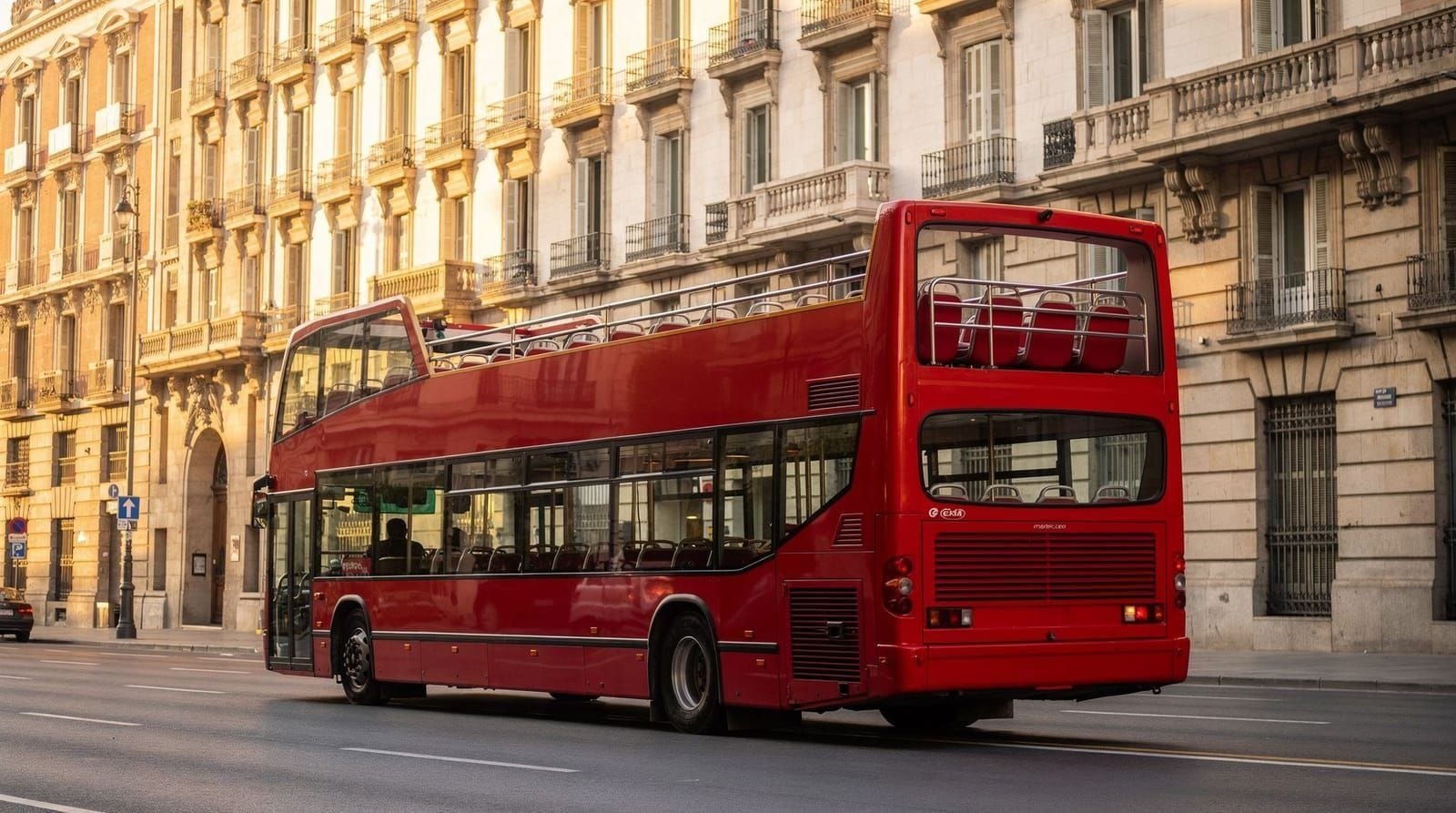
Madrid old-town walking tour: Royal Palace, Plaza Mayor, La Latina, SolThe neighbourhoods at a glance
Madrid’s neighbourhoods are covered in detail in their own destination pages, but here is the essential map:
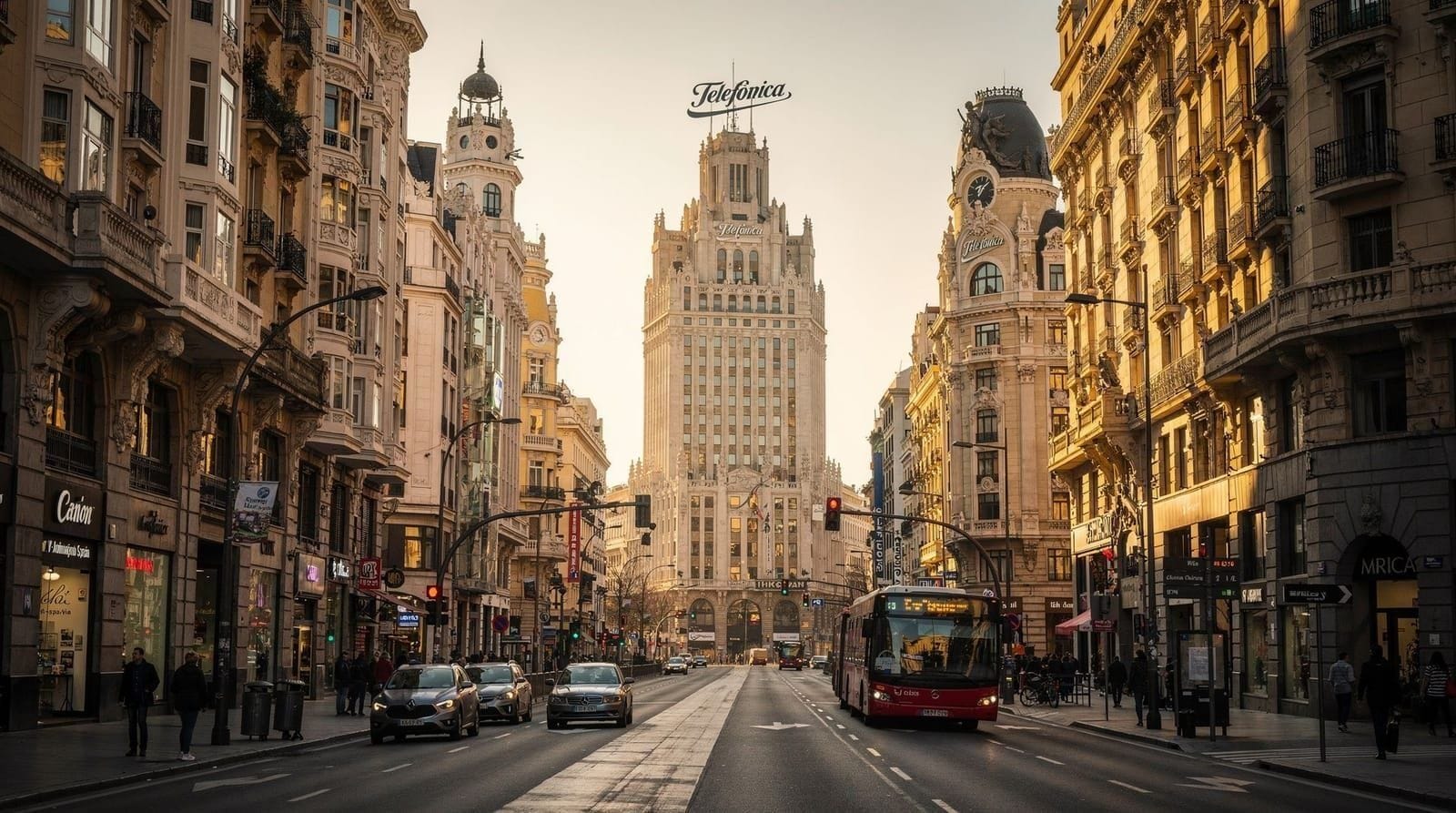
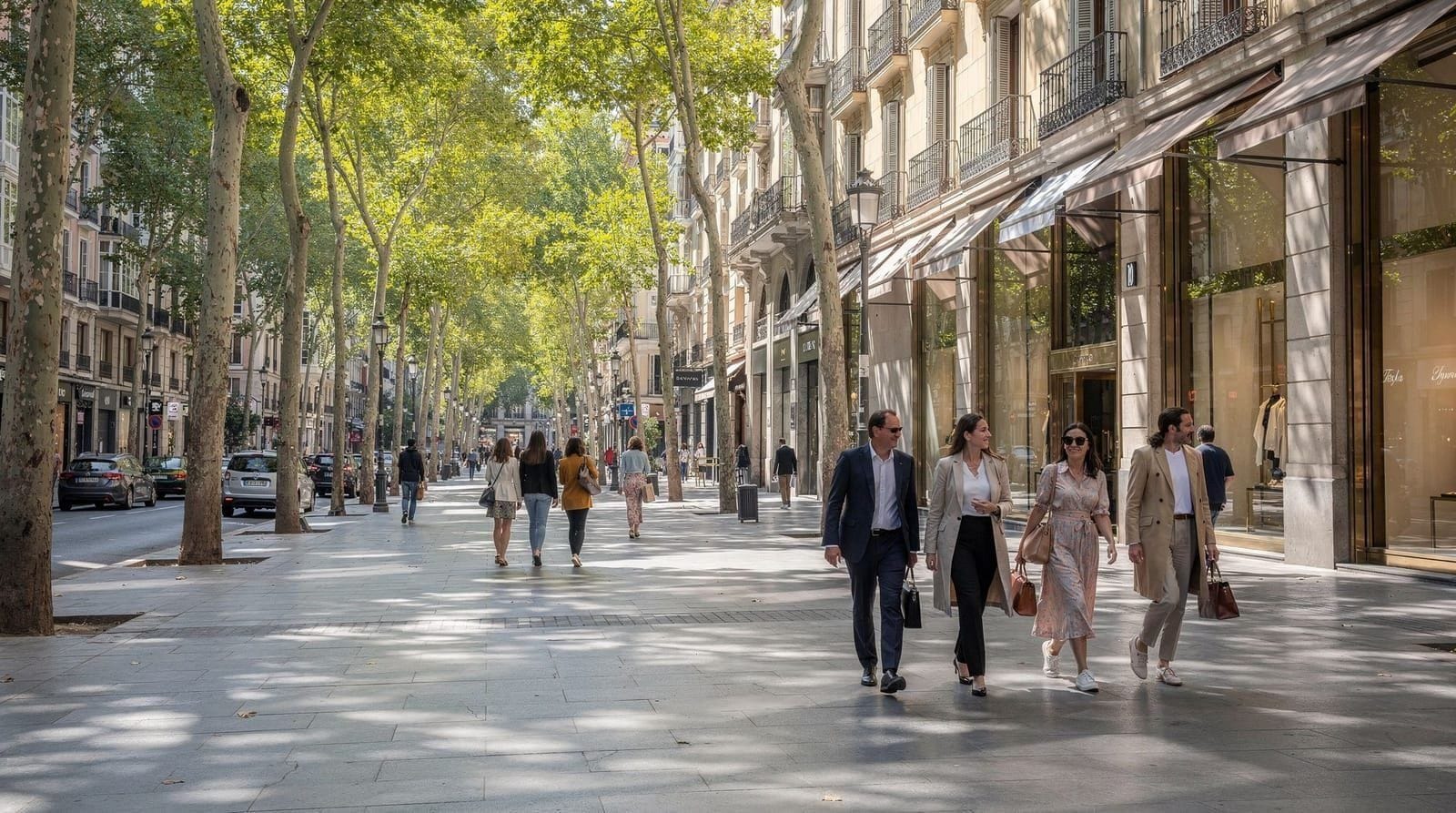
Sol and Gran Vía form the city’s commercial and transit hub. Puerta del Sol is the literal zero-kilometre marker for Spain’s road network. Gran Vía is the main shopping boulevard, lined with early 20th-century architecture. Both are excellent for orientation, less good for eating (overpriced tourist restaurants). Pickpockets are active here; keep bags zipped.
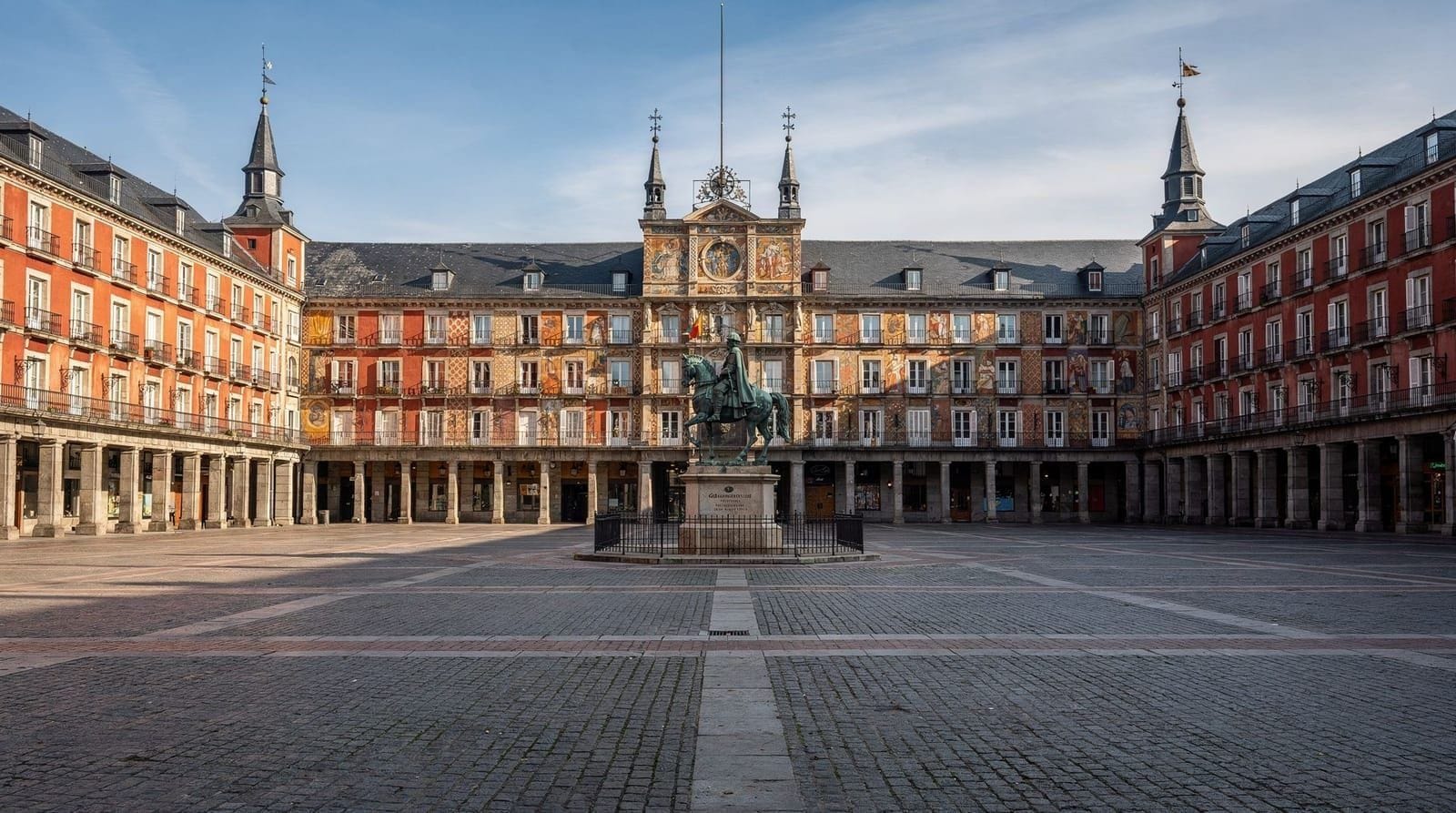
Madrid de los Austrias and Plaza Mayor is the oldest part of the city — the Habsburg-era quarter surrounding the arcaded Plaza Mayor and stretching west to the Royal Palace and Almudena Cathedral. The best walking in central Madrid.
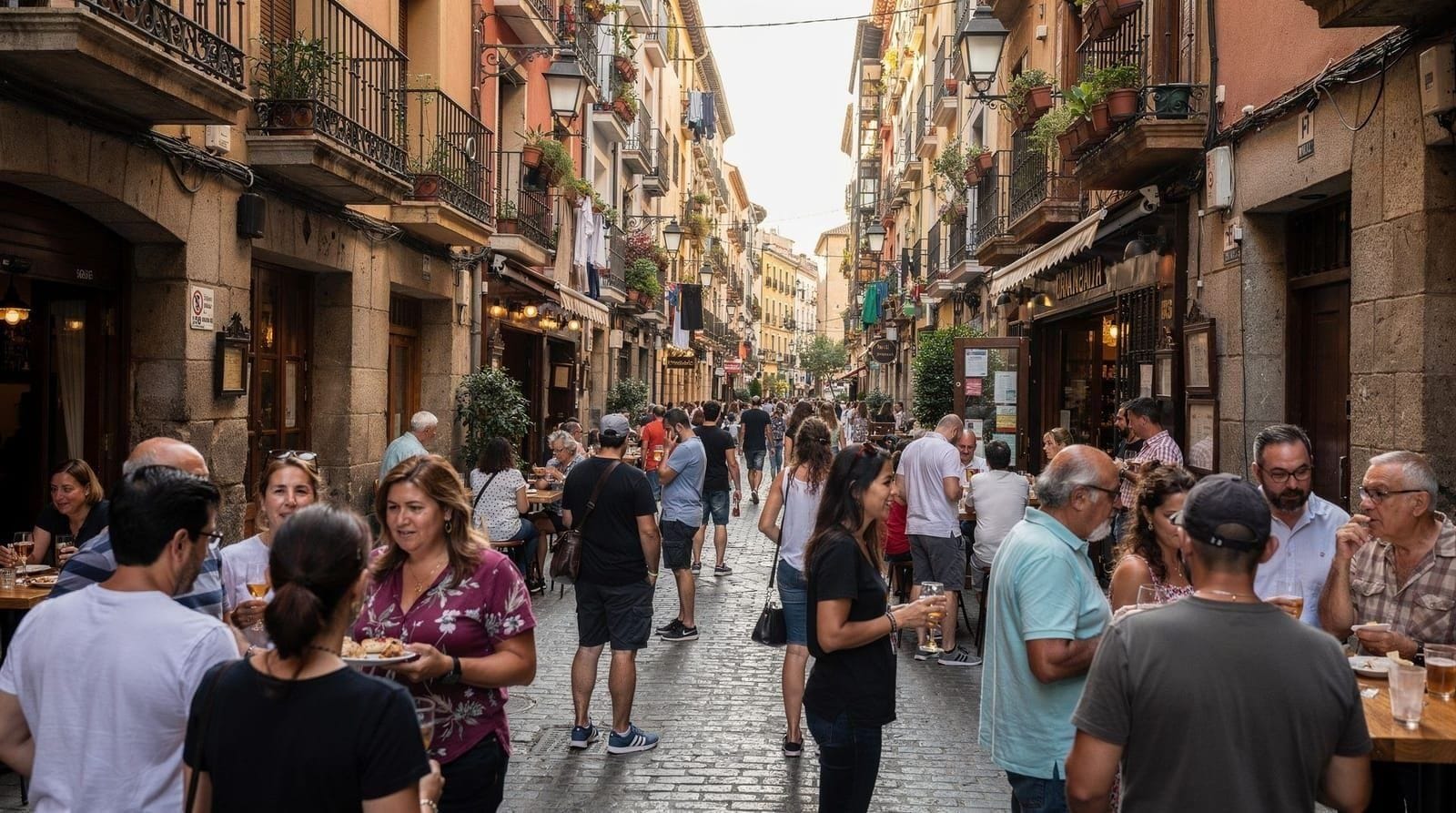
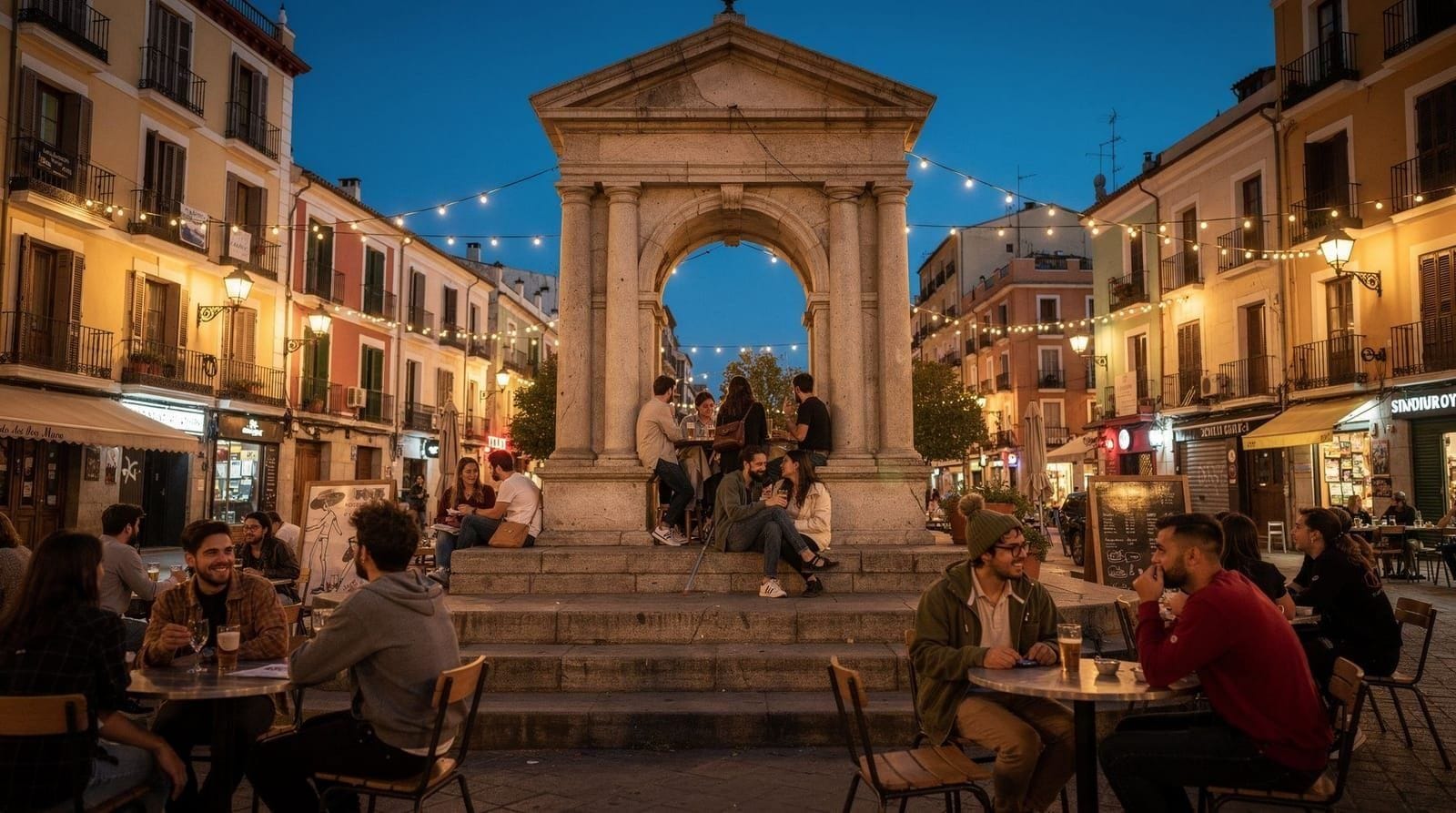
La Latina and Cava Baja is where Madrileños go for tapas on a Sunday after El Rastro flea market. The streets running south of Plaza Mayor — particularly Calle Cava Baja and the streets around Plaza de la Paja — have the best concentration of genuine tapas bars in the centre.
Barrio de las Letras / Huertas is the literary quarter — Cervantes and Lope de Vega both lived here. It sits between Sol and the Prado, making it natural pre-museum lunch territory. Good bar scene, mixed-price restaurants.
Malasaña was the epicentre of the movida madrileña (Madrid’s post-Franco cultural explosion, late 1970s–80s) and is now the city’s indie-cool neighbourhood: record shops, vintage clothing, natural wine bars, the best coffee roasters, and some of the liveliest terraces.
Chueca is Madrid’s LGBTQ+ hub and one of the most vibrant neighbourhoods in the city. Pride (Orgullo) runs late June/early July and is one of Europe’s largest. Good restaurants, boutique shopping, lively nightlife.
Lavapiés is the most multicultural neighbourhood — Indian restaurants, Moroccan grocery shops, African barbershops, street art. Gentrification is ongoing but it retains genuine texture. Good for cheap, non-tourist eating.
Barrio de Salamanca is the wealthy uptown district for luxury shopping (Serrano, Velázquez, Ortega y Gasset) and some of Madrid’s best fine dining.
Chamberí is the most genuinely Madrileño of the central neighbourhoods — less touristed, excellent local restaurant scene, the ghost metro station Andén 0.
Retiro and Jerónimos covers the Prado corridor and the great park. Essential: the Prado, Reina Sofía (a short walk south), and the Retiro Park itself.
Chamartín and Castellana is modern Madrid — the Santiago Bernabéu stadium, the financial district, the Paseo de la Castellana that bisects the city north–south.
The Golden Triangle of art
Madrid’s three flagship museums sit within a 20-minute walk of each other and constitute one of the great museum concentrations in the world.
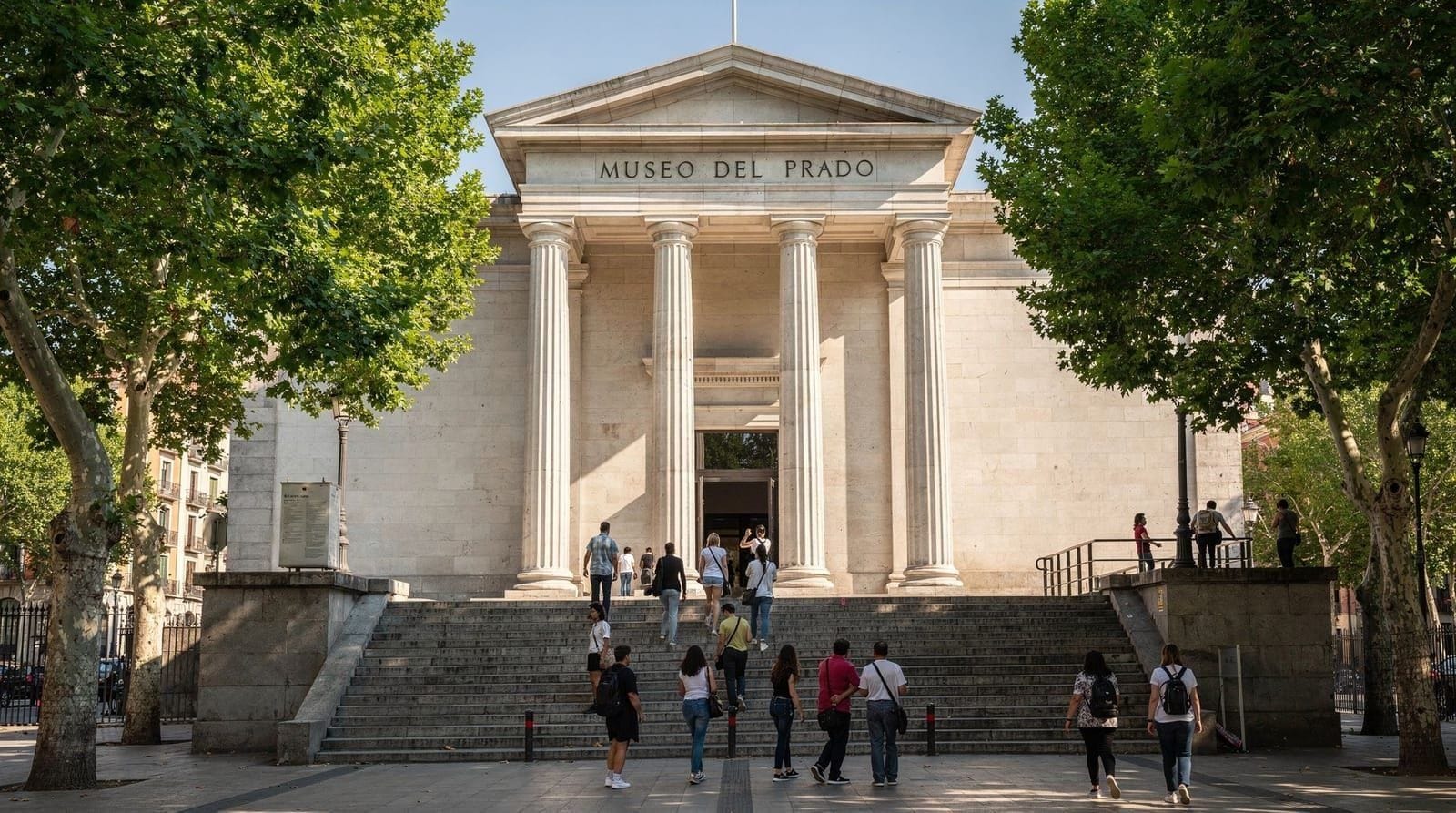
Museo del Prado (Calle Ruiz de Alarcón 23, Metro Banco de España or Atocha): the national collection, approximately 8,000 works including the world’s best holding of Velázquez, Goya, and El Greco, plus rooms of Rubens, Titian, and Raphael. Budget 2–3 hours minimum; the full collection would take days. Ticket: €15. Free Mon–Sat 18:00–20:00 and Sun/holidays 17:00–19:00 (queues form 30 minutes before opening).
Museo Reina Sofía (Calle Santa Isabel 52, Metro Atocha): 20th-century art, anchored by Picasso’s Guernica (do not miss it — the scale and impact in person are completely different from photographs) and Dalí. Free Mon & Wed–Sat 19:00–21:00, and Sunday 12:30–14:30 only. Closed Tuesdays. Ticket: €12.
Museo Thyssen-Bornemisza (Paseo del Prado 8, Metro Banco de España): the private collection assembled by the Thyssen family — arguably the best single survey of Western painting from medieval to 20th century in Europe, with extraordinary holdings of early Netherlandish, 17th-century Dutch/Flemish, German Expressionism, and American 20th-century art. Free Mondays 12:00–16:00 (permanent collection and current exhibitions). Ticket: €14.
Guided tour of the Prado, Reina Sofía, and Thyssen-BornemiszaThe free windows are genuinely excellent for budget-conscious visitors — but they require flexibility. The Prado free hours have the longest queues; arriving 30–40 minutes before the free window opens is advisable. On days when you are paying full price, skip-the-line tickets are worth the modest surcharge.
Royal Palace and the Austrias quarter
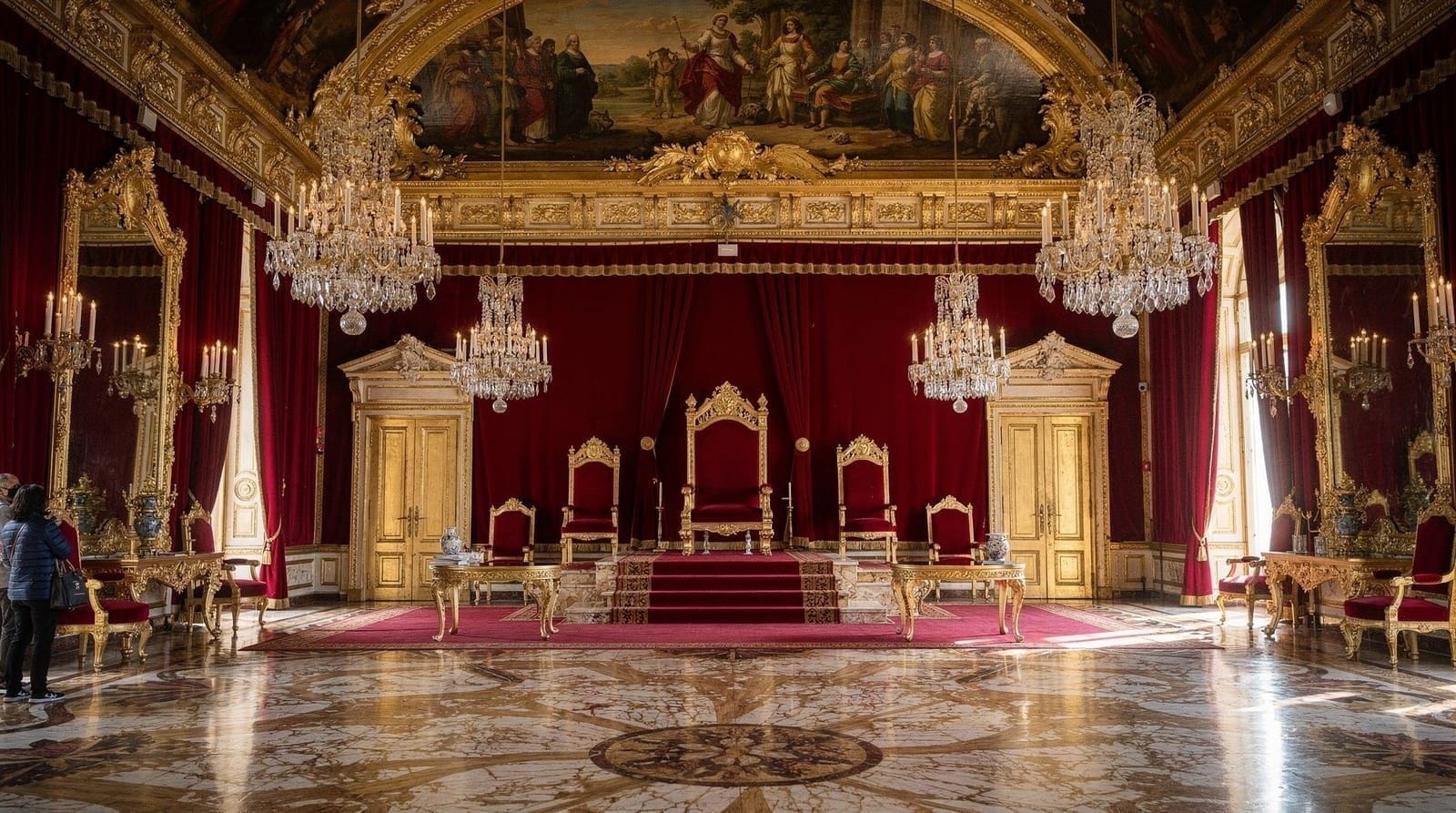
The Royal Palace of Madrid (Metro Ópera) is the largest palace in Western Europe by floor area, though the Spanish royal family has not lived here since 1931 (they live in the Palacio de la Zarzuela, outside the city). The 3,400 rooms open to visitors (about 50) include state rooms of extraordinary opulence — the Throne Room, the Royal Armoury, Tiepolo ceilings. Ticket: €18. Book online to skip the (often very long) ticket queue.
Adjacent to the palace is the Almudena Cathedral (free), the newer of Madrid’s two main churches, consecrated only in 1993 despite construction beginning in 1879. The contrast with Toledo’s 13th-century cathedral is instructive: Almudena is architecturally awkward but historically interesting for that very reason — it is a medieval cathedral built in the modern era.
Plaza Mayor, five minutes east of the palace, is the great 17th-century square — arcaded, rectangular, used for markets, executions, and bullfights across its history, now mainly a tourist area with notably overpriced restaurants. Worth seeing; do not eat here.
Food culture: what to eat and where
Madrid’s meal times are notoriously late. Lunch is typically 14:00–16:00, dinner starts at 21:00 (kitchens often do not open for dinner before 20:30). For visitors on northern European schedules, this creates a gap best filled by tapas or the city’s extraordinary café culture.
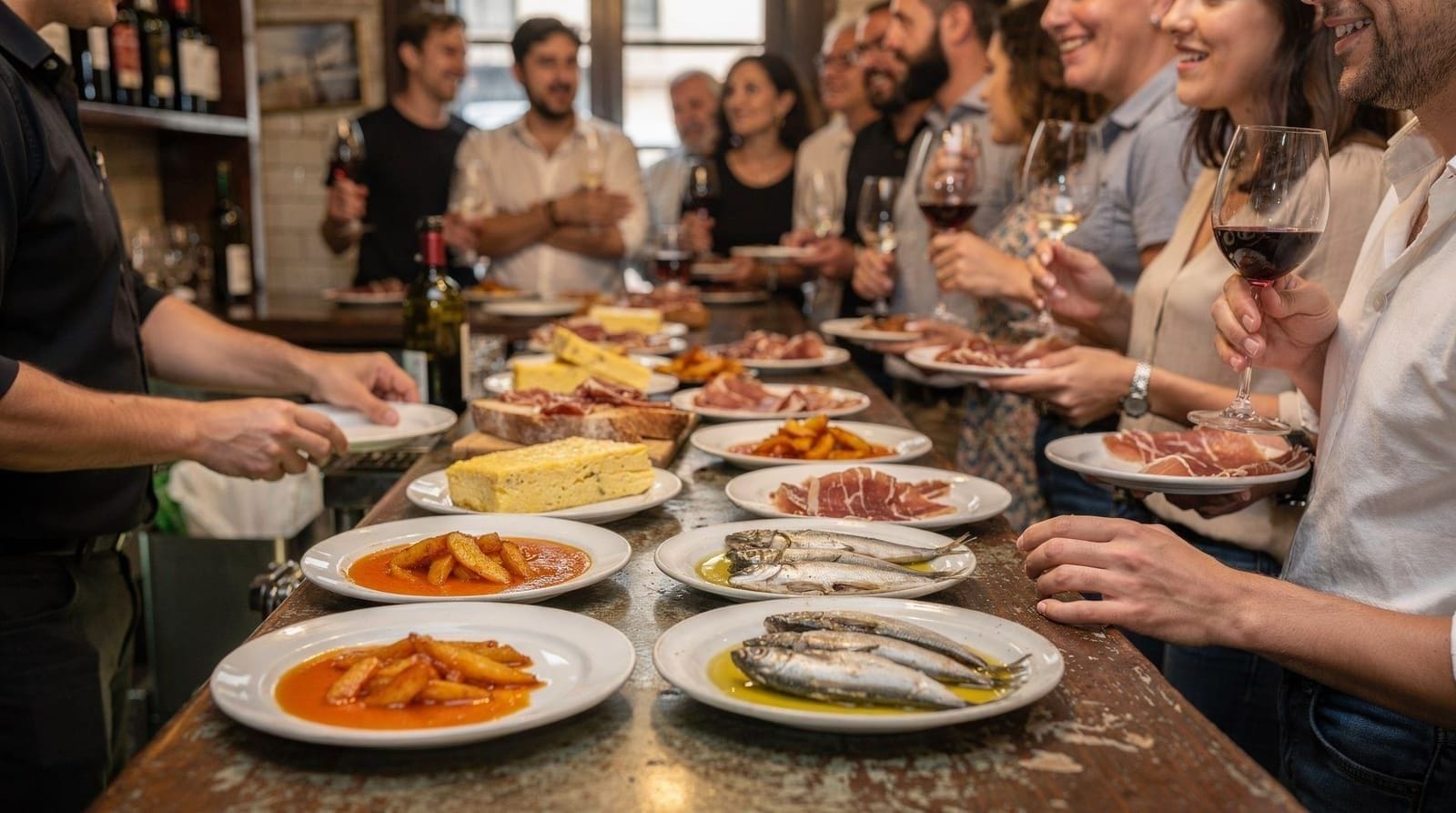
Tapas: the culture of small plates served with drinks is deeply embedded. In La Latina and Chamberí particularly, ordering a caña (small beer) or vino tinto will often bring a free tapa. The classic Madrid tapas: patatas bravas (fried potato with spicy/aioli sauce), tortilla española (potato omelette), jamón ibérico, croquetas de jamón, boquerones en vinagre (white anchovies). Do not confuse these with the elaborate pintxos of San Sebastián — Madrid tapas are simpler, older, and intended as drinking accompaniment.
Cocido madrileño: the city’s signature dish — a three-course chickpea-and-meat stew served sequentially (first the broth, then the chickpeas/vegetables, then the meats). Traditionally a Sunday lunch. La Bola (Calle de la Bola 5) has been serving it since 1870; Taberna La Daniela (Calle del General Pardiñas 21, Salamanca) is the best mid-price option.
Churros con chocolate: the classic Madrid breakfast — fried dough with thick drinking chocolate. Chocolatería San Ginés (Pasadizo de San Ginés 5, near Sol) has been open since 1894 and runs 24 hours, which makes it genuinely useful after a late night.
Bocadillo de calamares: Madrid’s signature sandwich — squid rings in a bread roll. Sounds odd; is extremely good. Multiple places near Plaza Mayor serve it; Cervecería La Campana (Calle Botoneras 6) is reliable.
Mercado de San Miguel (Plaza de San Miguel 1, near Plaza Mayor): a 1916 cast-iron market converted to an upscale food hall. The shellfish bars are excellent; prices are higher than neighbourhood equivalents. Good for an exploration — buy a few things rather than treating it as a restaurant.
Madrid food tour: tapas, vermouth, jamón, wineFootball
Madrid has two Primera División clubs with international stadiums.
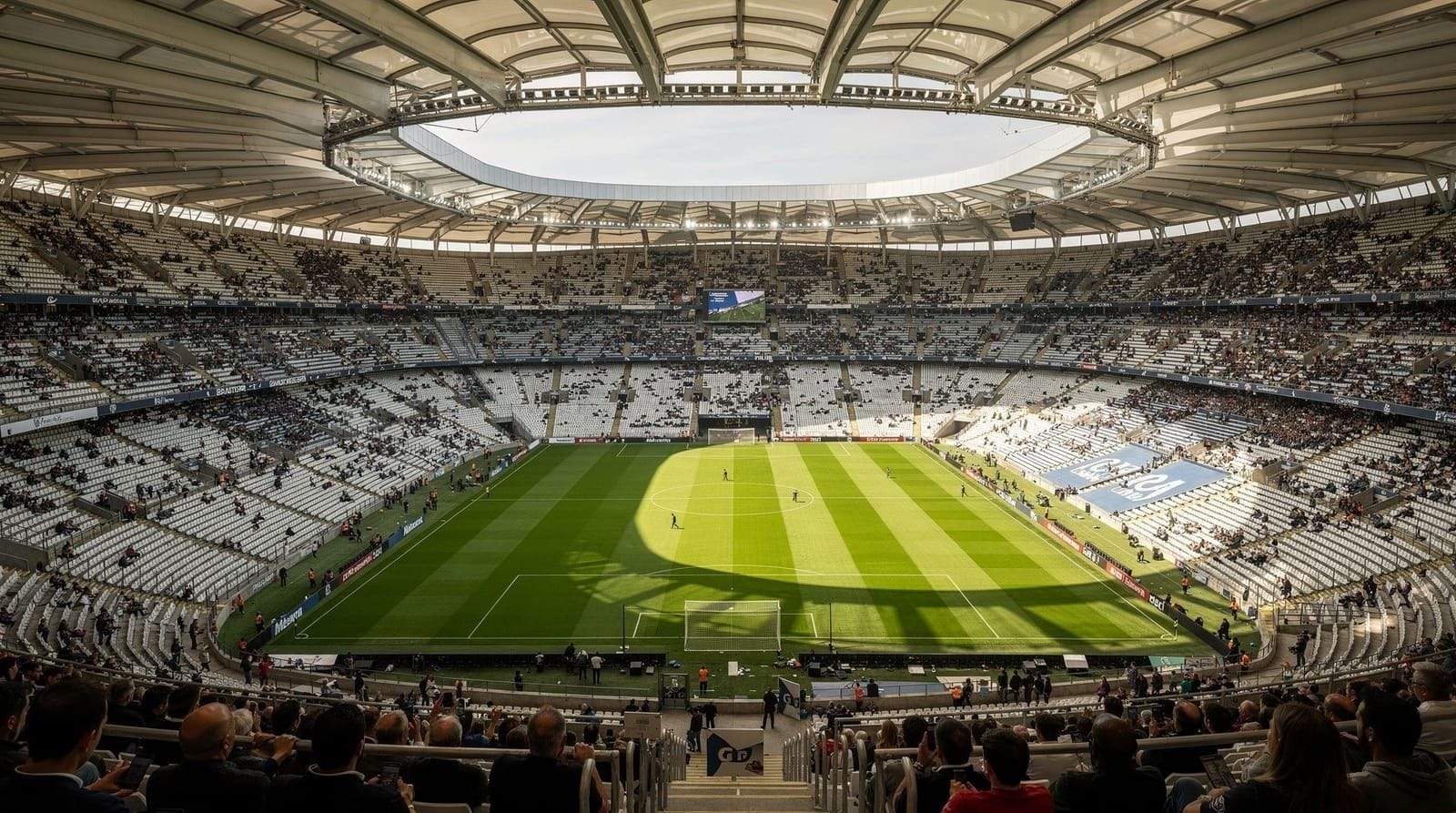
Real Madrid plays at the Santiago Bernabéu (Metro Santiago Bernabéu), now fully renovated with a retractable roof. Stadium tours run daily (from €37, online booking recommended). Matchday tickets range from €40–€150+ depending on opposition and seat; Champions League nights sell out months ahead. The Bernabéu area is covered in more detail on the Chamartín destination page.
Atlético de Madrid plays at the Estadio Metropolitano in the east of the city (Metro Line 7, Estadio Metropolitano). Stadium tours available; capacity 68,000. The Metropolitano opened in 2017 and is architecturally more modern than the Bernabéu.
Santiago Bernabéu stadium tour and museumSuggested itineraries by trip length
The right structure depends heavily on how many days you have and whether day trips fit. This is a starting framework, not a rigid script — swap neighbourhoods for personal interest freely.
| Day | 3-day trip | 5-day trip | 7-day trip |
|---|---|---|---|
| 1 | Austrias quarter, Royal Palace, Plaza Mayor, La Latina tapas | Same as 3-day plan | Same as 3-day plan |
| 2 | Prado, Retiro Park, Barrio de las Letras | Reina Sofía, Lavapiés, evening in Malasaña | Reina Sofía, Lavapiés, evening in Malasaña |
| 3 | Day trip to Toledo or Segovia | Day trip to Toledo | Day trip to Toledo |
| 4 | — | Day trip to Segovia or El Escorial | Day trip to Segovia |
| 5 | — | Chueca, Salamanca shopping, Bernabéu tour | El Escorial and Valle de los Caídos combined |
| 6 | — | — | Aranjuez or Cuenca |
| 7 | — | — | Free day: repeat a favourite neighbourhood, second museum pass |
For a tighter 2-day version, compress day 1 and 2 above into a single long day covering the Austrias quarter in the morning and the Prado/Retiro in the afternoon, and use day 2 entirely for one day trip. See the how many days in Madrid guide and the Madrid in 3 days guide for fuller hour-by-hour versions.
Nightlife and evenings
Madrid’s nightlife runs later than almost anywhere in Europe — bars fill from 23:00, clubs rarely get going before 01:00, and it is entirely normal to see families with young children out at 22:00 for a summer terrace dinner. This is not a late-night subculture; it is the default rhythm of the city.
Vermouth hour (roughly 13:00–14:30 on weekends) is the pre-lunch ritual: a glass of vermut rojo on tap with an olive, usually in La Latina or Chamberí. Terraces (terrazas) fill Retiro-adjacent streets and rooftop bars across the centre from May through September — several hotel rooftops (Círculo de Bellas Artes, The Principal) offer skyline views open to non-guests for the price of a drink. For live music and a younger, more alternative scene, Malasaña and Chueca have the highest concentration of bars; for a more polished night out, Salamanca and the Castellana clubs draw an older, dressier crowd.
Madrid after dark: private local-guided evening experienceDay trips: Madrid’s greatest advantage
No European capital of comparable size has a day-trip network as strong as Madrid’s. The AVE and Avant high-speed rail network radiates in every direction from Atocha and Chamartín stations:
- Toledo: 33 minutes (Avant from Atocha, ~€15 each way). UNESCO world city, El Greco’s home, the best medieval cathedral in Spain. Full-day itinerary on the Toledo destination page.
- Segovia: 28–30 minutes (AVE/Avant from Chamartín, ~€15). Roman aqueduct, Alcázar castle, cochinillo (roast suckling pig). Day-trip details at Segovia destination.
- El Escorial: 1 hour (Cercanías C-8 from Atocha or Chamartín, ~€5–7). Philip II’s vast monastery-palace complex. El Escorial destination page.
- Aranjuez: 15–45 minutes depending on train type (Cercanías C-3 from Atocha). Royal palace and formal gardens. Aranjuez destination page.
- Cuenca: 55 minutes (AVE from Atocha). The hanging houses, dramatic gorge.
- Ávila: ~1h30–2h (regional train). Best-preserved medieval city walls in Spain.
The best day trips from Madrid guide covers the full comparison including what combines well in a single day.
Shopping in Madrid
Madrid is not primarily a shopping destination the way Milan or Paris are, but it covers the full range from designer to flea-market. Gran Vía and the Sol-adjacent streets have the mainstream high-street chains (Zara, Mango, and the like — all cheaper here than in most export markets since these are Spanish brands). Serrano, Velázquez and Ortega y Gasset in Barrio de Salamanca carry the luxury houses (Loewe, a genuinely Spanish luxury brand with its flagship here, alongside the usual international names). El Rastro in La Latina, running every Sunday morning, is the place for flea-market browsing, secondhand goods, and the occasional real antique. Fuencarral in Malasaña has the best concentration of independent and streetwear shops.
El Corte Inglés, Spain’s department-store chain, has multiple branches (the flagship near Sol is the largest) and is useful for a one-stop range of Spanish products, from food and wine to fashion, plus a supermarket in the basement that is a genuinely good place to buy jamón and wine to take home. VAT refund (Tax Free) is available for non-EU residents spending over €25.01 in a single store on the same day — ask for the form at checkout and process it at the airport before checking bags.
Getting to Madrid and around
From Madrid-Barajas airport (MAD):
- Metro Line 8 (pink): all terminals → Nuevos Ministerios, ~15–20 minutes, every 4–7 minutes, operating ~06:05–01:30. Cost ~€4.50–€5 (includes the €3 airport supplement, which you do not pay with the Tourist Travel Pass).
- Cercanías C-1: from T4 to Chamartín, Atocha, and intermediate stations.
- Taxi: flat fare €33 to anywhere inside the M-30 ring road, 24/7.
- Airport Express bus 203: 24 hours, to Atocha/Cibeles, ~€5.
For full airport-to-city options, see the airport transfer guide.
Within the city: Metro (single ~€1.50–€2) and EMT buses cover the city comprehensively. The Tourist Travel Pass (Abono Turístico) costs €10.30 (Zone A, 1 day) to €43.20 (Zone A, 7 days); Zone T, which covers the whole region including Cercanías trips to Aranjuez, Alcalá or El Escorial, runs €15.40 to €62.80. No airport supplement is payable with either zone, and children under 11 pay half. Honestly, the Metro/bus Multi 10 card (€7.30 for 10 journeys, about €0.73 each) is very cheap, so the pass only pays off if you ride many times a day or use Cercanías in Zone T.
For day trips by train, note that Atocha serves Toledo, Cuenca, and southern/eastern Spain; Chamartín serves Segovia and northern Spain. Some services stop at both. The AVE day trips guide has platform-level details.
When to go to Madrid
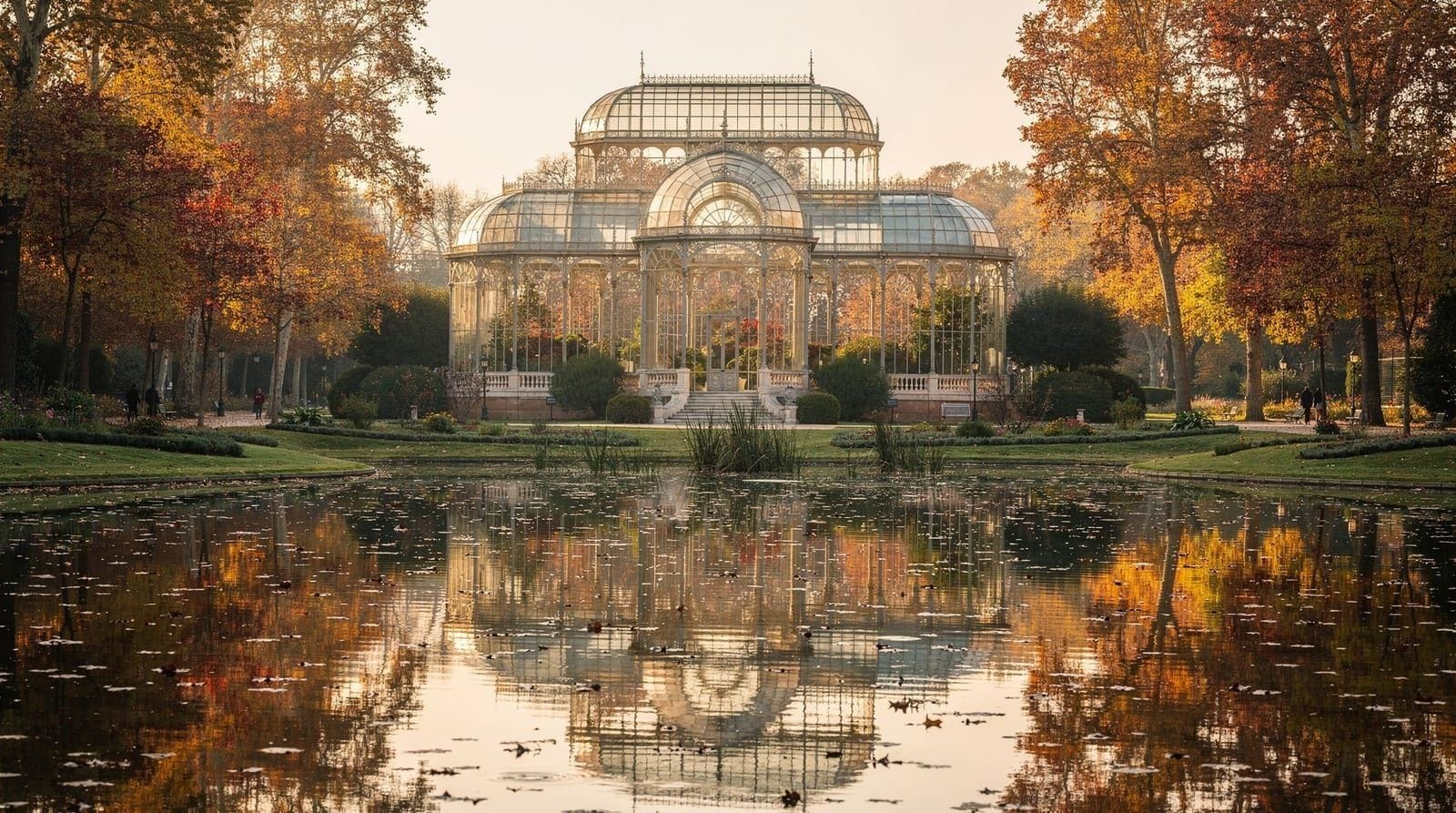
April–May: arguably the best combination of weather, price, and programming. The Retiro Park is in bloom. San Isidro festival (mid-May, ~15 May) brings free concerts and traditional dress — book hotels 2–3 months ahead for the festival dates.
September–October: very similar to spring. The summer heat has broken, museum queues are shorter than summer, restaurants back in full service after August closures.
June–early July: warm but not yet brutal. Orgullo/Pride (late June/early July) is one of Europe’s largest and very energetic, centred on Chueca — either a reason to come or a reason to avoid the city that week depending on your preferences.
July–August: hot. July averages 32°C+, August sees the worst heat; 35–38°C is normal and 40°C+ heatwaves are increasingly common. Sightseeing is concentrated in early morning and evening. Many small neighbourhood restaurants and shops close in August. Museums are the best option for midday. Prices are not the cheapest in summer; locals leave and tourists arrive.
November–February: the cheapest window. Cold (daytime 8–15°C, can drop to 2–5°C), sometimes snowy (rare in the city but spectacular in the Sierra). Hotel prices at their lowest, museum queues shortest, the Christmas lights on Gran Vía and the Plaza Mayor market (late November–early January) are genuinely attractive.
Practical planning notes
Museum free windows: worth planning around. Full details in the free museum hours guide. The Prado free window (18:00–20:00 Mon–Sat, 17:00–19:00 Sun) has the longest queues; arrive 30 minutes early and you will generally get in without too much wait.
Eating schedule: if you eat lunch at 14:00 and dinner at 21:00 you will eat like a local, get the full menú del día experience (available only at lunch, usually from 13:00–15:30), and find the best restaurant tables rather than the tourist-overflow sittings. This is the single most effective adjustment for visitors from northern Europe or North America.
Water: Madrid’s tap water is safe and good — mountain-sourced from the Sierra de Guadarrama. Buy a bottle once and refill it; you do not need to buy bottled water throughout your stay.
Safety: Madrid is one of Europe’s safer capitals. Violent crime against tourists is rare. Pickpocketing is the primary risk, concentrated in Sol, Gran Vía, El Rastro market (Sunday), and metro interchanges. Standard precautions — cross-body bag, phone off café tables, vigilance in crowds — are sufficient. Emergency number 112.
ETIAS (travel authorisation): as of June 2026, ETIAS is not yet in force. The launch is expected Q4 2026 with a grace period running into 2027. US, UK, Canadian, and Australian passport holders are entering Spain without ETIAS for most or all of 2026. Check the entry requirements guide for the latest status.
Frequently asked questions about Madrid
How many days do I need in Madrid?
Three full days is the minimum to cover the core: the Golden Triangle museums, the Royal Palace and Austrias quarter, La Latina for tapas, and one half-day neighbourhood like Malasaña or Chueca. Add one or two days if you want to incorporate a day trip (Toledo or Segovia are the most rewarding). Five to seven days allows a comfortable pace with two or three day trips included. Full breakdown in the how many days in Madrid guide.
What is the cheapest time to visit Madrid?
November through February, excluding Christmas week and New Year. Hotel prices drop significantly (budget doubles from €50–€70, mid-range from €80–€110) and museum queues are short. The cold is real but manageable; the city is fully operational with a busy cultural calendar. The best time to visit guide has a month-by-month breakdown.
Is Madrid expensive?
By northern European standards, no. By southern European standards, it is mid-range and more expensive than, say, Lisbon or Warsaw, but clearly cheaper than Barcelona, Paris, or London. The menú del día (€12–€15 for three courses with a drink) is one of the best value-for-money lunches in Europe. Museums are €12–€15 but have genuine free windows. Transport is cheap. Budget visitors can manage well on €55–€80/day including accommodation.
What are the free hours at the Prado, Reina Sofía, and Thyssen?
Prado: Mon–Sat 18:00–20:00, Sun and holidays 17:00–19:00. Reina Sofía: Mon and Wed–Sat 19:00–21:00, Sunday 12:30–14:30 only. Thyssen: Mondays 12:00–16:00 (permanent collection and current exhibitions). All require arriving early as queues form before opening. Full details with queue tips in the free museum hours guide.
Which neighbourhoods should first-time visitors stay in?
For walking convenience: Sol/Centro (most central, some noise), Barrio de las Letras (quieter, near Prado), or La Latina (best tapas access, more local feel). For a more local experience: Chamberí or Malasaña. Salamanca is best for luxury stays with excellent dining. Full breakdown in where to stay in Madrid.
How do I get from the airport to the city centre?
The most practical option for most visitors is Metro Line 8 to Nuevos Ministerios (20 min, ~€5 including airport supplement). Taxis charge a flat €33 to anywhere inside M-30 — worth it with heavy luggage or if arriving late at night. The airport-to-city guide has full details on all options including the Cercanías suburban train and Airport Express bus.
What day trips are best from Madrid?
Toledo (33 min by Avant train) and Segovia (~30 min) are the classic pair and work as half or full days. If you have a third day trip, El Escorial (1 h, Cercanías) gives the monastic grandeur, Aranjuez (15–45 min) the royal gardens. Ávila works if you love medieval walls. Full comparison at best day trips from Madrid.
Top experiences
Bookable activities with verified prices and instant confirmation on GetYourGuide.