Chamberí
Chamberí is Madrid's most genuinely local central district — good restaurants, authentic bars, the ghost metro station, and zero tourist saturation.
Madrid: Half Day Walking Private Guide
Quick facts
- Metro
- Iglesia (L1), Quevedo (L2), Bilbao (L1/4)
- Character
- Residential, middle-class, authentic neighbourhood life
- Ghost station
- Andén 0 — original 1919 metro station, free museum
- Best streets
- Calle Ponzano, Plaza de Olavide, Calle Trafalgar
- Best for
- Authentic eating, local bars, Sorolla Museum
Chamberí is what the rest of central Madrid would like to be: genuinely residential without being boring, commercially interesting without being touristic, with a bar and restaurant scene that exists because local people use it rather than because a tourism board has promoted it. No other neighbourhood in central Madrid manages this combination quite so well, and for visitors who have already done the standard circuit — Prado, Royal Palace, La Latina — spending an afternoon or evening here is one of the better ways to understand what the city looks like when it is not performing for tourists.
| Where | North of Malasaña, west of Barrio de Salamanca |
| Getting there | Metro Iglesia (L1), Quevedo (L2), Bilbao (L1/4) |
| Andén 0 ghost station | Free, open Friday–Sunday |
| Time needed | Half a day or an evening |
| Best for | Local restaurants, Calle Ponzano, authentic Madrid life |
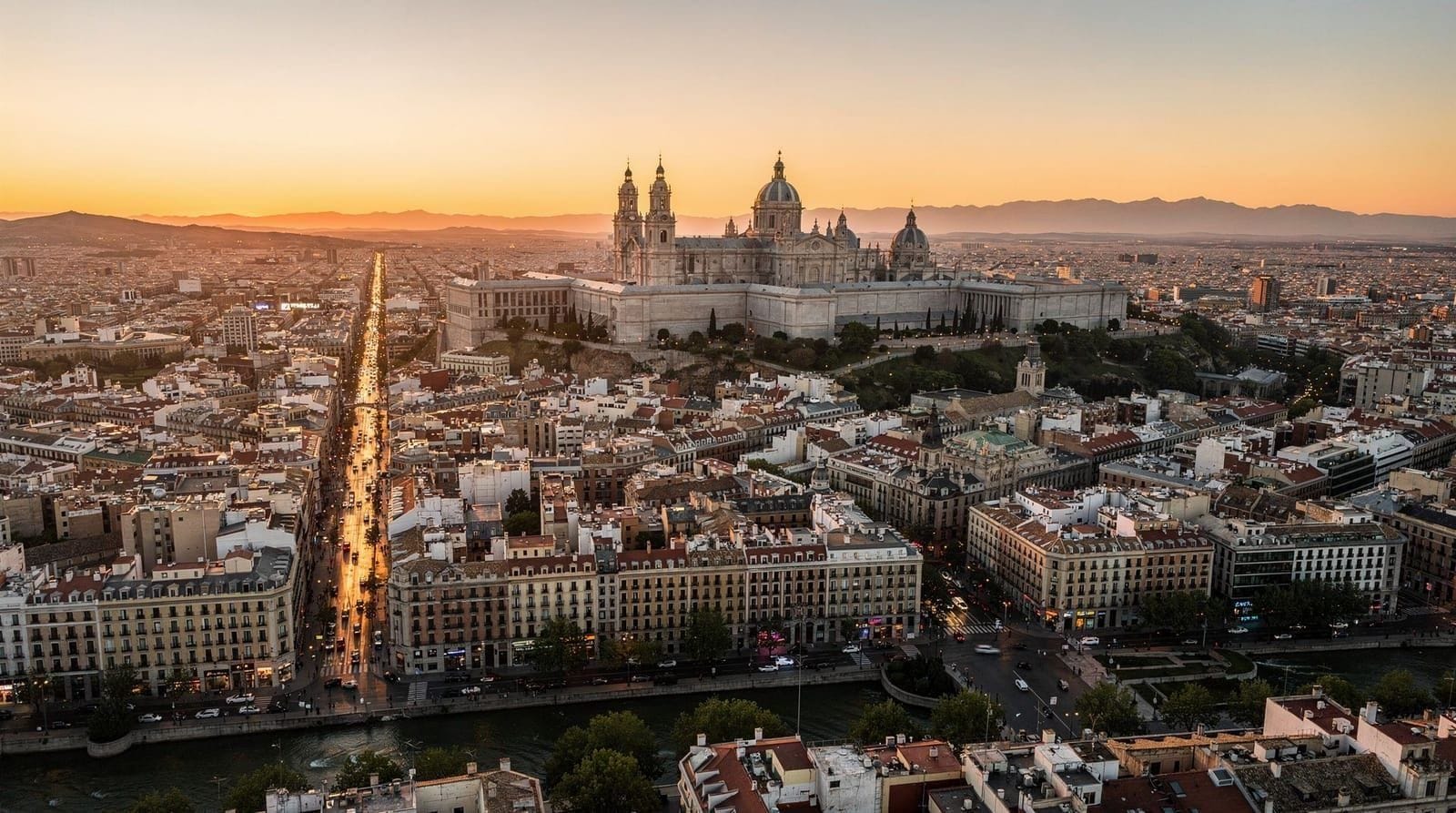
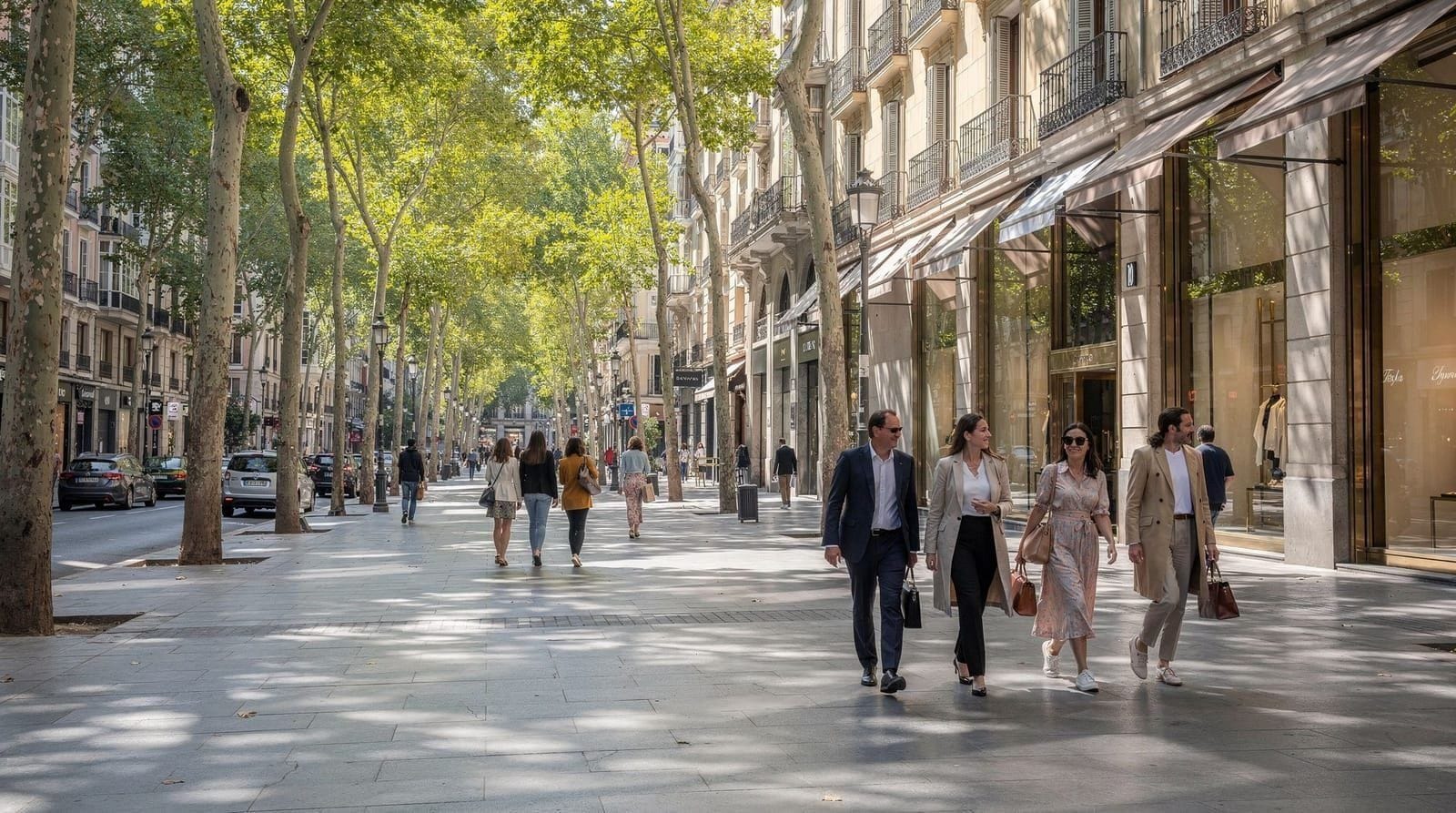
The neighbourhood sits north of Malasaña and west of Barrio de Salamanca, in a 19th-century urban grid that still houses the solidly middle-class Madrileños who have always lived here. The streets are wide and tree-lined, the buildings from the 1880s–1920s are handsomely maintained, the cafeterías are the kind that have been serving the same breakfast to the same regulars for thirty years. It is not spectacular in the way that the Habsburg quarter is spectacular. It is simply a very good neighbourhood.
Andén 0: the ghost metro station
The most interesting single attraction in Chamberí is hidden beneath the street. When Madrid’s metro system was expanded in the 1960s, the original 1919 Chamberí station was closed because the platforms were too short to accommodate the new longer trains. Rather than demolishing it, the station was sealed off — and remained unused and sealed for four decades while trains passed through without stopping.
In 2008, Metro de Madrid opened Andén 0 (Platform 0) as a free museum inside the preserved station. The result is one of the most evocative spaces in the city: the original 1919 advertising posters are still on the tiles (advertisements for Phosphorine Falières tonic and other Edwardian products), the station signage and clocks are intact, and the atmosphere of stepping back into early 20th-century Madrid is immediate and affecting.
The museum is small — a preserved platform, a short exhibition on the metro’s history, and access to look down the original tunnel toward passing trains on the working line. A visit takes 30–45 minutes. Free admission, by guided visit only, with advance booking required. Open Friday 16:00–20:00, Saturday 10:00–14:00 and 16:00–20:00, Sunday 10:00–14:00. Access via the current Chamberí metro station on Line 1, Alonso Cano entrance.
For anyone with any interest in urban history, design history, preserved industrial spaces, or simply unusual places that feel genuinely remote from the tourist circuit, Andén 0 is one of the best things to do in Madrid that almost no tourist guide mentions prominently.
Calle Ponzano: Madrid’s most discussed food street
Calle Ponzano has generated more food media attention in the past decade than any other single street in Madrid — a concentration of quality bars, vermouth spots, and modern restaurants that has attracted residents and food writers without losing the neighbourhood scale that makes it work.
The format of Ponzano at peak hours (Thursday and Friday from about 19:30 onward, Saturday from about 13:30 for vermouth) is the classic Madrid standing-bar circuit: a glass of wine or vermouth at one bar, a small plate at another, a conversation, then moving on to the next. The bars range from genuinely old-school neighbourhood spots to newer natural wine bars to sit-down restaurants that opened on the street because the foot traffic supports them.
Sala de Despiece (Calle Ponzano 11): one of the most influential restaurants in 21st-century Madrid — a market-style bar where the food is built around high-quality raw ingredients (excellent fish and shellfish, Iberian pork, seasonal vegetables) prepared with technical skill and served at the counter. Standing format, mid-range prices (€25–€40 per person). Often cited in Spanish food media as one of the best eating experiences in the city. Arrive early or expect to wait.
Taberna La Ardosa (Calle Colón 13, nearby): the most celebrated vermouth bar in Chamberí, with a long marble counter, wooden barrels, and decades of accumulated atmosphere. The vermouth is served with a small garnish and the bar is always busy on Saturday mornings for the pre-lunch aperitivo.
Bodega de la Ardosa (various): related to the La Ardosa family of bars, with similar character and quality.
La Chata (Calle Ponzano 24): a classic neighbourhood bar, older than the fashionable wave — good cañas, free tapas, regulars who have been coming since before the food media discovered the street. The anti-pretension alternative to the newer establishments.
Cañas y Tapas and several newer natural wine bars (look for the handwritten chalk wine lists in the windows): Ponzano now has several natural wine specialists that have opened in response to the neighbourhood’s growing food culture. Good by-the-glass selections, staff who can talk about what they are pouring.
The best time for Ponzano: Saturday from 13:00–16:00 for the traditional vermouth-and-lunch format, with the street at its most local and most busy. Thursday and Friday evenings (19:30–23:00) for the after-work aperitivo culture.
Plaza de Olavide
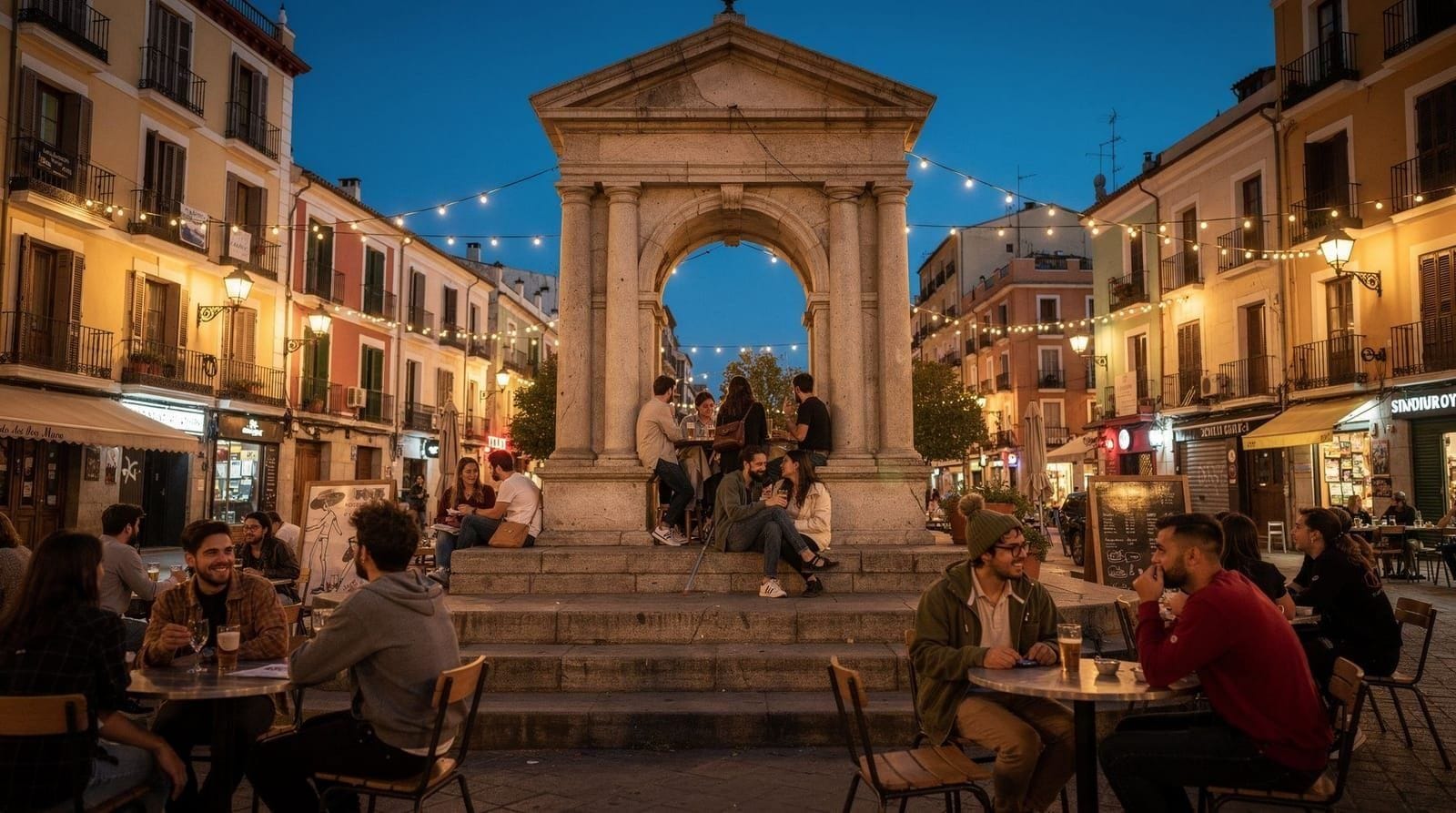
The circular plaza in the heart of Chamberí is one of Madrid’s most liveable public spaces — modest in architectural terms but effective as a neighbourhood gathering point. The small circular building at the centre was originally a market (since converted to a restaurant); the surrounding cafés and bars have terraces that fill in any weather above about 15°C.
Mercado de Olavide: the neighbourhood market building adjacent to the square was renovated and reopened as a food market in the early 2000s. Smaller and less tourist-facing than Mercado de San Miguel, it functions as an actual neighbourhood market — fishmonger, butcher, fruit vendors, a small deli counter. Useful for provisions if you are self-catering; interesting to browse even if not.
If the Olavide market whets your appetite for the wider picture, the Madrid markets guide compares it with the other food halls in the city, and the Madrid tapas guide explains how to order once you sit down at a terrace.
The square itself on a Sunday morning — café terraces occupied, the market building active, children in the central space, newspapers being read — is one of the most genuinely Madrid scenes available to a visitor. It has not been curated for tourism and that is precisely what makes it interesting.
Sorolla Museum
The Museo Sorolla (Calle del General Martínez Campos 37, technically at the southeastern corner of Chamberí) is one of the most pleasurable smaller museums in Madrid. The original house museum is currently closed for renovation (source: the museum’s official site, Spanish Ministry of Culture); only the new building at Calle Zurbano 68, opened on 15 October 2026, is open.
Sorolla’s paintings are a particular kind of light — Mediterranean, luminous, warm — that contrasts sharply with the darker palette of the Prado’s Goya and Velázquez. His beach scenes, his portraits of Spanish women in sunlight, his garden paintings (including the Sorolla Gardens in Valencia that he painted repeatedly) represent something the Prado collection does not: 19th/early 20th-century impressionist painting of Spanish subjects by a painter who was, in his lifetime, internationally famous.
The new building is open Tuesday–Saturday 9:30–20:00 and Sunday and public holidays 10:00–15:00 (last entry 45 minutes before closing); it is closed on Mondays, 1 and 6 January, 1 May, and 24, 25 and 31 December.
Admission is free. For the reopening of the original house, check the official website of the Museo Sorolla.
Sorolla pairs naturally with the city’s big art museums: the Prado museum guide and the Golden Triangle art walk cover the darker, heavier collections, and the Madrid for art lovers itinerary shows how to sequence them all.
Eating and drinking beyond Ponzano
The neighbourhood has excellent food options beyond the Ponzano circuit, in streets that receive less media attention but are equally reliable:
Brindisa (Calle Zurbano 26): the restaurant arm of the respected Spanish food importer known for its Borough Market stall in London, now with several Madrid locations. Excellent Iberian products — jamón, cheese, wine, canned fish — in a sit-down or counter-seating setting. Mid-range prices (€20–€35 per person).
La Bien Aparecida (Calle Jorge Juan 8): not technically in Chamberí but on the boundary with Salamanca — a restaurant that has become one of the better mid-upscale options in this part of the city. Excellent seasonal Spanish cooking, good wine list, prices that reflect serious but not fine-dining ambitions.
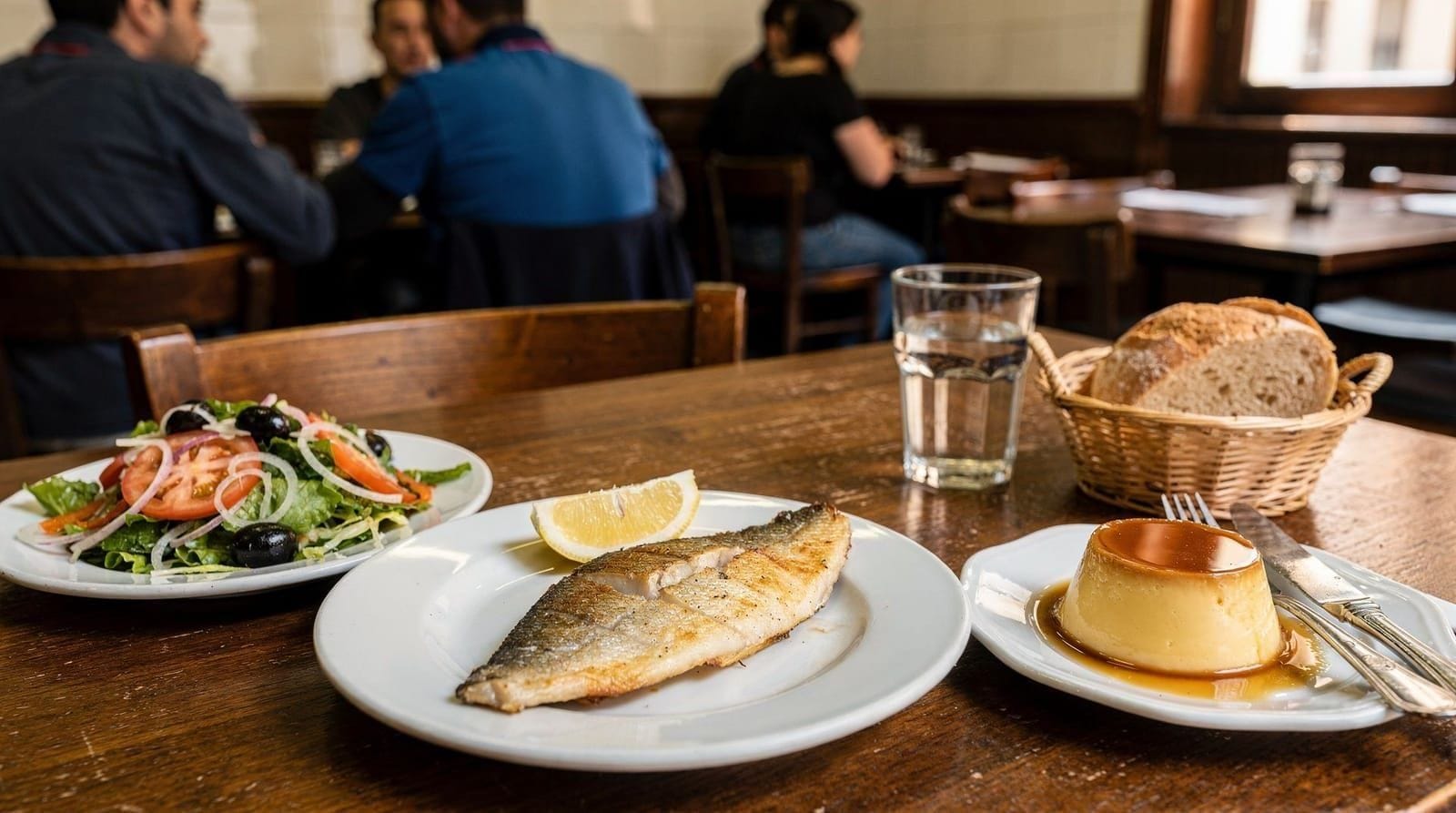
The neighbourhood cafeterías — traditional Spanish café-restaurants, almost extinct in most of central Madrid — survive here better than almost anywhere else in the city. Establishments on Calle Alonso Cano and the streets around Olavide serve proper Madrid breakfasts (tostada con tomate y aceite, café con leche) for €2.50–€4, to the same regulars who have been coming for decades. This is the version of Madrid that existed before global tourism transformed the city’s commercial character.
Madrid half-day private walking tour through local neighbourhoodsIf you would rather have someone steer you through the bars than work out the standing-bar rhythm yourself, a guided tapas and wine tasting with a local is a sensible way to learn the format. The vermouth in Madrid guide and the wine bars guide are useful background for the Saturday aperitivo ritual, and the Madrid for foodies itinerary strings Chamberí together with other eating neighbourhoods.
Where to stay in Chamberí
Chamberí is increasingly popular as a base for visitors who want to stay in a genuinely residential neighbourhood with easy metro access to the tourist sights. Several aparthotels and small hotels have opened in the neighbourhood in the past decade.
The main advantages of staying in Chamberí: lower prices than equivalent hotels in Sol and Malasaña, genuinely local street life, easy Cercanías connections to the railway stations, and the Ponzano restaurant scene as your neighbourhood rather than a deliberate outing. The main disadvantage: it is not walking distance to the Prado (Metro is needed, about 15–20 minutes) and the tourist sights are not on the doorstep.
The where to stay in Madrid guide has a neighbourhood-by-neighbourhood breakdown for different trip types.
Beyond Ponzano: the full neighbourhood eating picture
Chamberí’s restaurant scene is distributed across several streets that each have their own character:
Calle del Sagunto and surrounding streets (east of Ponzano, around the Iglesia metro): a quieter cluster of neighbourhood restaurants serving the local professional population. Less media coverage, entirely reliable. The menú del día format (€12–€15 for three courses) is consistently available at lunch.
Calle Covarrubias and Calle Trafalgar: the streets running north-south through the heart of Chamberí, with a mix of neighbourhood bars (some from the 1950s, others from the 2000s) and the kind of traditional cafetería that serves the local community its morning coffee. The Café Comercial (Glorieta de Bilbao 7) is the landmark of this type — a marble-tabled café from 1887, renovated and reopened in 2017.
Taberna Maceira (Calle de Huertas extension, just south of the Chamberí boundary): Galician food in Madrid — pulpo a la gallega, empanada, Albariño wine. One of the better Galician restaurants in the city, consistently reliable.
For visitors interested in the neighbourhood’s food culture as distinct from Ponzano specifically, a walk through the streets between Iglesia and Bilbao metros, covering several blocks in each direction, gives a compressed sense of how a genuinely residential Madrid neighbourhood eats.
The neighbourhood’s early history
Chamberí is a neighbourhood that was technically outside Madrid until 1860. The Paseo de la Castellana and the Paseo de Recoletos formed the eastern boundary of the old city, and Chamberí — then a settlement of working-class workshops, taverns, and small market gardens — existed in the peri-urban zone beyond the official boundary. When the Ensanche (the 19th-century expansion plan for Madrid, designed by Carlos María de Castro) absorbed the area in 1860, Chamberí became part of the city proper, and the neighbourhood developed into the solidly middle-class residential district it has been ever since.
The building stock from this period — five- and six-storey apartment buildings from the 1880s–1920s, with handsome facade stonework and iron balconies — is well-preserved across most of the neighbourhood. This architectural coherence is part of what gives Chamberí its visual character: unlike the older quarters of the city centre, which mix buildings from many periods, Chamberí has the consistent scale and style of a planned 19th-century residential expansion. The streets are wide by old-Madrid standards (they were designed for trams, and indeed the metro came early to this neighbourhood — the 1919 Chamberí station was one of the original eight on the first metro line).
This history means that Chamberí’s residents have always been middle-class professionals — doctors, lawyers, teachers, civil servants — and the neighbourhood’s commerce has always served that population rather than tourists. The cafeterías, the butchers, the pharmacies, the bookshops, and the neighbourhood bars all reflect the tastes and needs of a specific demographic that has not changed dramatically in 140 years. For visitors from cities where this kind of residential-neighbourhood texture has been displaced by tourism or regeneration, Chamberí can be genuinely surprising.
Chamberí for cyclists and walkers
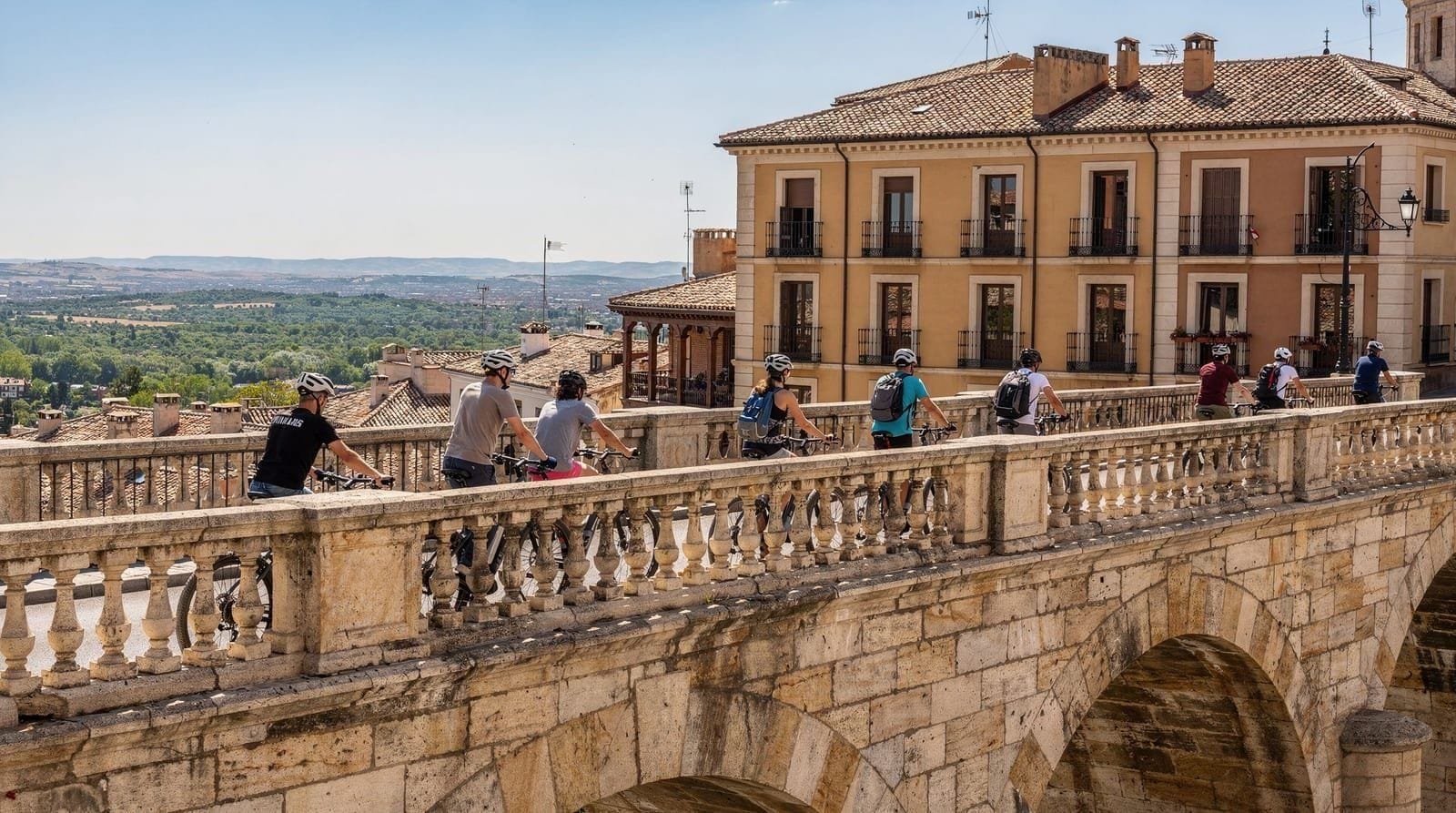
The neighbourhood sits on the route of several Madrid cycling itineraries — the tree-lined Paseo de la Castellana (a short walk east) has good cycling infrastructure, and the dedicated cycling lanes through the Chamberí street grid connect to the broader Madrid Río cycling network to the west and south.
The flat topography (Chamberí sits on the same plateau as most of central Madrid, unlike the more dramatic topography of La Latina or the Retiro) makes it pleasant walking territory. The walk from Chamberí south through Malasaña to Sol takes about 30 minutes and passes through several distinct neighbourhood characters in sequence.
For the wider network, the Madrid by bike guide and the Madrid Río guide show where to ride onward, and the Madrid metro guide covers the lines you will use to reach the neighbourhood.
Getting to Chamberí
Metro: Iglesia (Line 1) is the most central station for the Ponzano area. Quevedo (Line 2) for the western section and Malasaña boundary. Bilbao (Lines 1/4) for the eastern boundary and easy transfer connections.
On foot from Malasaña: 10–15 minutes north. From Barrio de Salamanca: 20 minutes west.
Chamberí versus Malasaña and Salamanca: choosing a base
Visitors deciding where to stay or spend an evening among central Madrid’s residential neighbourhoods often narrow it down to these three:
| Chamberí | Malasaña | Barrio de Salamanca | |
|---|---|---|---|
| Character | Genuinely local, middle-class | Youth-oriented, indie, vintage | Wealthy, shopping and fine dining |
| Prices | Mid-range | Mid-range | High |
| Best for | Authentic eating, quiet streets | Nightlife, vintage shops | Luxury shopping, Michelin dining |
| Walking distance to sights | 15–20 min to Prado | 15–20 min to Sol | 15–20 min to Prado |
Chamberí is the strongest choice for visitors who want a genuinely residential base with good Cercanías connections and none of the tourist-district premium — it costs less than Salamanca hotels and offers a calmer daily rhythm than Malasaña. The best area for first time visitors guide and where to stay in Madrid cover the full neighbourhood comparison for different trip priorities.
Frequently asked questions about Chamberí
Why is Chamberí considered the most local neighbourhood?
It has the lowest tourist-to-resident ratio of any central Madrid neighbourhood, a functioning neighbourhood market and traditional cafeterías, long-established local bars, and a residential character that has not been overwhelmed by the tourism economy. It shows what Madrid looks like when it is living for itself.
Is Andén 0 worth a visit?
Yes — it is free, takes less than an hour, and the preserved 1919 metro station interior is one of the most atmospheric spaces in the city. The juxtaposition of modern trains passing through the old sealed platform is genuinely strange and memorable. Open Friday–Sunday.
What makes Calle Ponzano special?
The combination of quality and density — several excellent bars and restaurants within 400 metres, operating at a neighbourhood rather than fine-dining scale. Sala de Despiece is frequently cited as one of the best places to eat in Madrid. The street works because the local residents use it constantly rather than because it is on tourist itineraries.
Can I combine Chamberí with other neighbourhoods?
Easily. Chamberí sits adjacent to Malasaña (south), Barrio de Salamanca (east), and the university district (northwest). A half-day covering the Sorolla Museum, the Andén 0 ghost station, and Calle Ponzano for vermouth-hour is very satisfying. The eat like a local guide has specific Chamberí recommendations.
Is Chamberí a good place to stay in Madrid?
Yes, particularly for repeat visitors or those prioritising authentic neighbourhood life over walking distance to every major sight. It has good metro connections, generally lower accommodation prices than Salamanca or Sol, and the Ponzano restaurant scene on your doorstep. The trade-off is that the Prado and Royal Palace require a metro ride rather than a walk.
What is the best time of day to visit Calle Ponzano?
Saturday from 13:00–16:00 for the traditional vermouth-and-lunch crowd, or Thursday–Friday evenings from about 19:30 for the after-work aperitivo scene. Weekday lunchtimes are quieter and less representative of the street’s character.
Top experiences
Bookable activities with verified prices and instant confirmation on GetYourGuide.