Eat like a local in Madrid: where Madrileños actually go
Madrid: Non Touristy Tapas 10 Tapas 4 Drinks
Where do locals actually eat in Madrid?
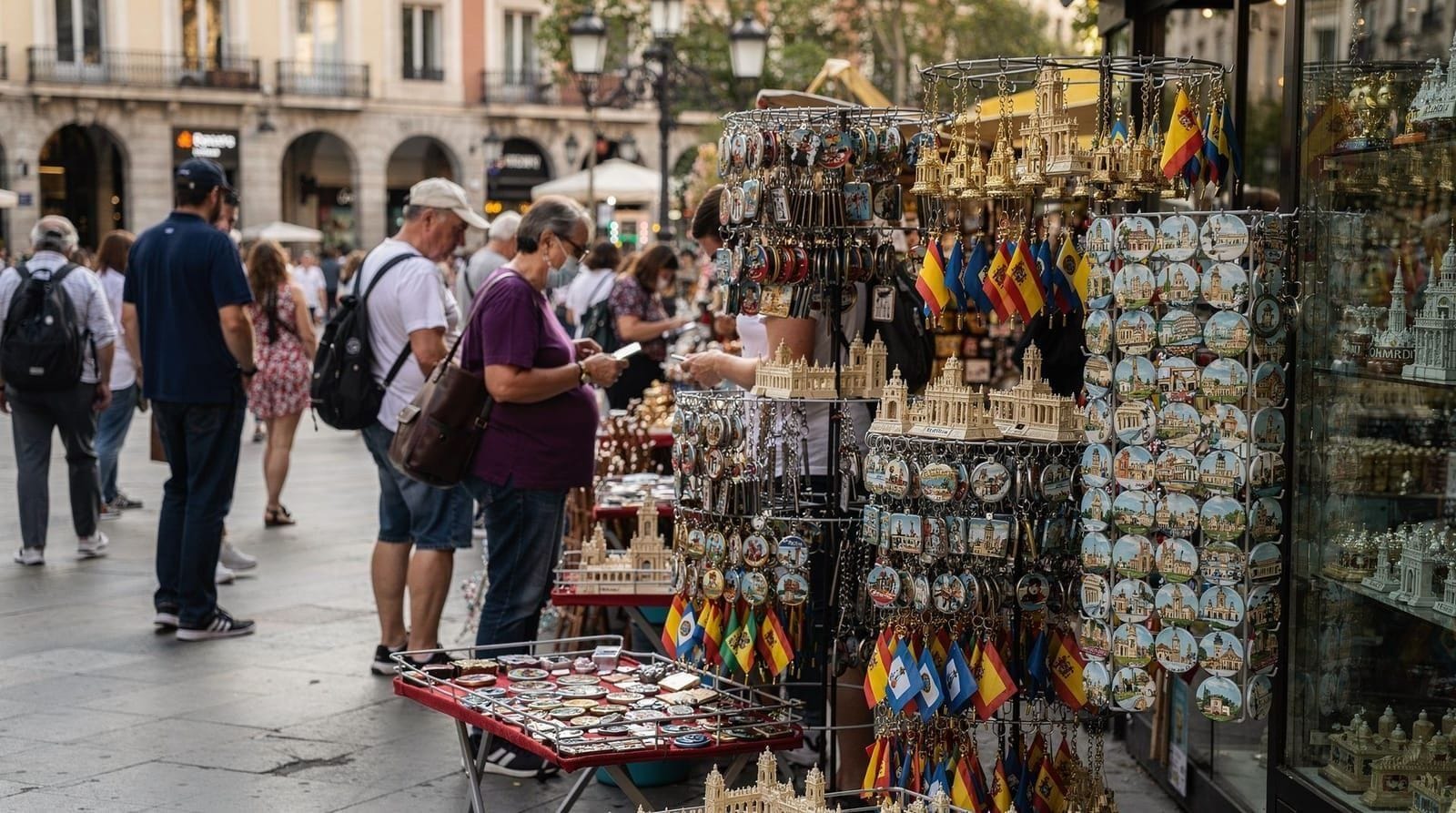
Locals eat at neighbourhood bars for menú del día at lunch (€10–14, three courses), at tapas bars in La Latina and Malasaña in the evening, and at a local bar for breakfast (café con leche + tostada con tomate, €2.50–3.50). They don't eat near Plaza Mayor, on Gran Vía, or at Mercado de San Miguel for regular meals. The word to know: 'mesón' (traditional tavern), 'tasca' (small bar with tapas), and 'venta' (roadhouse-style restaurant) all signal local eating rather than tourist eating.
| Where | La Latina, Malasaña, Chamberí — away from Sol/Plaza Mayor |
| Cost | Around €3–4.50 breakfast, €10–14 menú del día, €20–30 tapas evening |
| Time needed | Sync with local hours — lunch 14:00–16:00, dinner 21:00+ |
| Getting there | Walk a few streets off the main tourist circuit |
| Best time | Weekday lunch for menú del día; Sunday midday for vermut |
The Spanish eating schedule: understand this first
Local eating in Madrid is impossible without understanding the schedule. The timings are not optional cultural eccentricities — they reflect a genuine biological and social rhythm that the entire city operates on, and fighting against it produces worse results than working with it.
Madrid’s eating schedule:
- Desayuno (breakfast): 07:00–10:00 at a local bar
- Segunda comida / mid-morning snack: 10:30–12:00 (the famous mid-morning break)
- Almuerzo (lunch): 14:00–16:00 — THE main meal of the day
- Merienda (afternoon snack): 17:00–19:00 (optional, mainly children and older people)
- Cena (dinner): 21:00–23:00 at the early end; locals often eat at 22:00
The tourist mistake: Arriving at a restaurant at 19:00 and finding it either empty or unwilling to take you (they’re preparing for dinner service at 21:00). Or arriving at 12:30 for lunch (the kitchen hasn’t started yet). Sync with the schedule and food quality and service improve noticeably.
Morning: the bar breakfast ritual
The morning bar ritual is one of Madrid’s most distinctive daily experiences and entirely accessible to visitors who know what to ask for.
What to order:
- Café con leche — the standard: a shot of espresso extended with hot steamed milk (50/50). Ask for “solo” (pure espresso), “cortado” (espresso with a little milk), or “con leche” (half-half). Café americano exists but signals tourist; Madrileños don’t drink it.
- Tostada con tomate — grilled bread rubbed with fresh tomato and drizzled with olive oil. Sometimes called “pan con tomate” in Catalan-influenced places; in Madrid, it’s simply “tostada.” Add jamón on top for €1–2 extra: worth it.
- Croissant or palmera — the typical morning pastry, usually from a bakery that supplies the bar.
What it costs: Coffee €1.20–1.80 at a local bar. Tostada €2–2.50. The complete morning breakfast runs €3–4.50 standing at the bar. At a tourist-oriented café in the same area, the same things cost €4–7 and take twice as long.
The 11:00 break: Follow the construction workers and taxi drivers. At 10:30–11:30, neighbourhood bars fill for the mid-morning break — serious eating (tortilla, bocadillo de jamón, small tapa) before returning to work. This is when the kitchen is most active and the atmosphere most local.
Lunch: the menú del día is the system to use
The menú del día is how Madrileños eat lunch during the working week, and it is the best food value in Europe that most tourists never access.
How to find the right venue:
- Walk two or three streets away from the main tourist circuit
- Look for a handwritten menu board or a blackboard outside
- Look through the window at who is eating — if it’s Spaniards in work clothes, you are in the right place
- The menu should list the day’s first and second courses specifically (not “pasta” but “pasta al pesto” or “judías verdes a la madrileña”)
- Price: €10–14 for three courses including bread and a glass of wine or water
What you get:
- First course: could be a salad, lentil stew, soup, menestra de verduras (vegetable medley), or a legume dish
- Second course: beef steak, chicken thigh, fish of the day, callos, or a tortilla
- Dessert: fruit, yogurt, flan, or a small sweet
- Bread included; wine or water or soft drink included
Specific venues: Malasaña and Chamberí have the highest density of good menú del día restaurants for visitors willing to walk slightly off the tourist path. In Chamberí specifically — the area around Plaza de Chamberí and Calle de Alonso Cano — you find the kind of unpretentious neighbourhood restaurants that serve three-course lunches to the same regulars every working day.
The tapas circuit: how it actually works
Real tapas in Madrid is a circuit activity, not a sit-down dinner. The circuit operates from 19:00 to 22:00 on weekday evenings (starting earlier on weekends — 13:00 for the vermouth circuit before lunch).
La Latina: the classic circuit
The streets in La Latina around Cava Baja and Cava Alta form the most concentrated and consistent tapas circuit in Madrid. Key bars:
El Almendro 13 (Calle del Almendro 13): The canonical tostada con tomate bar. Always busy; move fast or wait. The tostas here are the reference standard.
Taberna Txakolina (Calle de la Cava Baja 26): Pintxos in the Basque tradition — small bread rounds topped with various combinations. Exceptional quality; busier on weekends. Budget €3–4 per pintxo.
Juana la Loca (Plaza de la Puerta de Moros 4): Famous for their tortilla española — creamy, barely set interior. Worth the queue on Friday evenings.
Casa Lucas (Calle de la Cava Baja 30): More restaurant than bar, but the terrace at lunch is worth it for traditional Madrid cooking without tourist pricing.
The circuit pattern: Enter, order a caña and one or two tapas, eat standing at the bar or find a small table, pay (each bar separately), move on. Total budget for a full La Latina evening: €20–30 per person including drinks.
Malasaña: the alternative circuit
Malasaña has a more casual, younger-skewing tapas circuit centred around Plaza del Dos de Mayo and the streets radiating from it. Prices slightly lower than La Latina, atmosphere more eclectic.
Bar Palentino (Calle de Pez 8): The most genuinely old-school bar in Malasaña — unmodernized, excellent vermouth on tap, good croquetas. Beloved by the neighbourhood.
La Musa de Espronceda (Calle de las Infantas area): Modern tapas format but quality ingredients and reasonable prices.
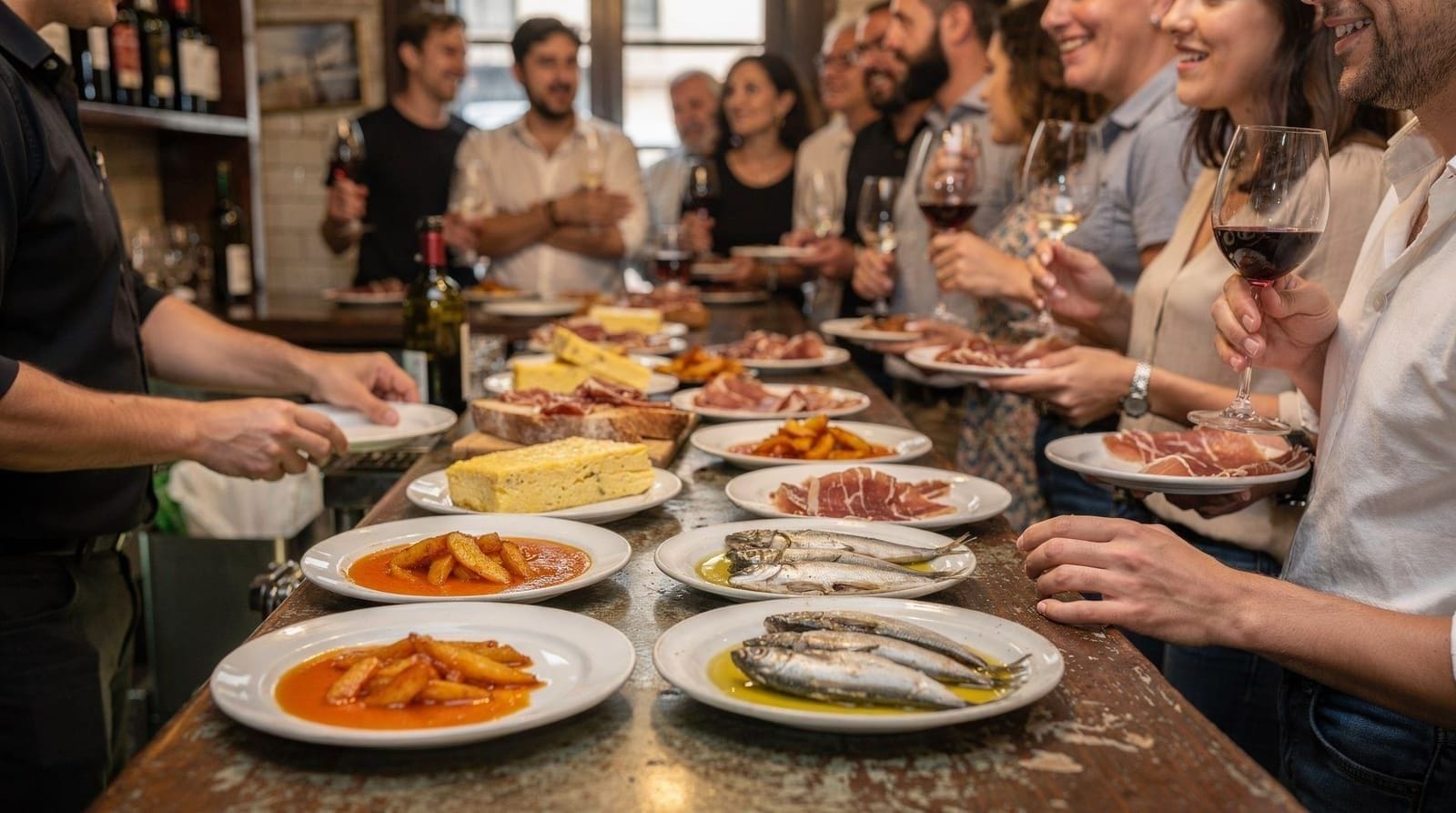
A non-touristy tapas tour with 10 tapas and 4 drinks is one way to access the circuit with a local guide who knows which bars to visit and in what order.
The vermouth (vermut) culture
The vermut tradition — Sunday morning/early afternoon aperitivo — is one of Madrid’s most distinctive food customs and almost entirely invisible to tourists who haven’t done their research.
From 12:00 to 14:30 on Sundays (and sometimes Saturdays), locals gather at traditional bars for a glass of vermouth on tap (usually Lustau, Primitivo Quiles, or a house brand), often accompanied by a small tapa (olives, anchovy, a croqueta). This is the pre-lunch ritual that precedes the cocido or Sunday roast at the family table.
The best places for authentic vermut in La Latina include Bar Seco and several decades-old establishments on the streets around Cava Baja. In Malasaña, Bar Palentino and the area around Plaza del Dos de Mayo.
See the vermut guide for a complete picture of this tradition and where to access it.
Madrid’s essential local dishes (what to seek out)
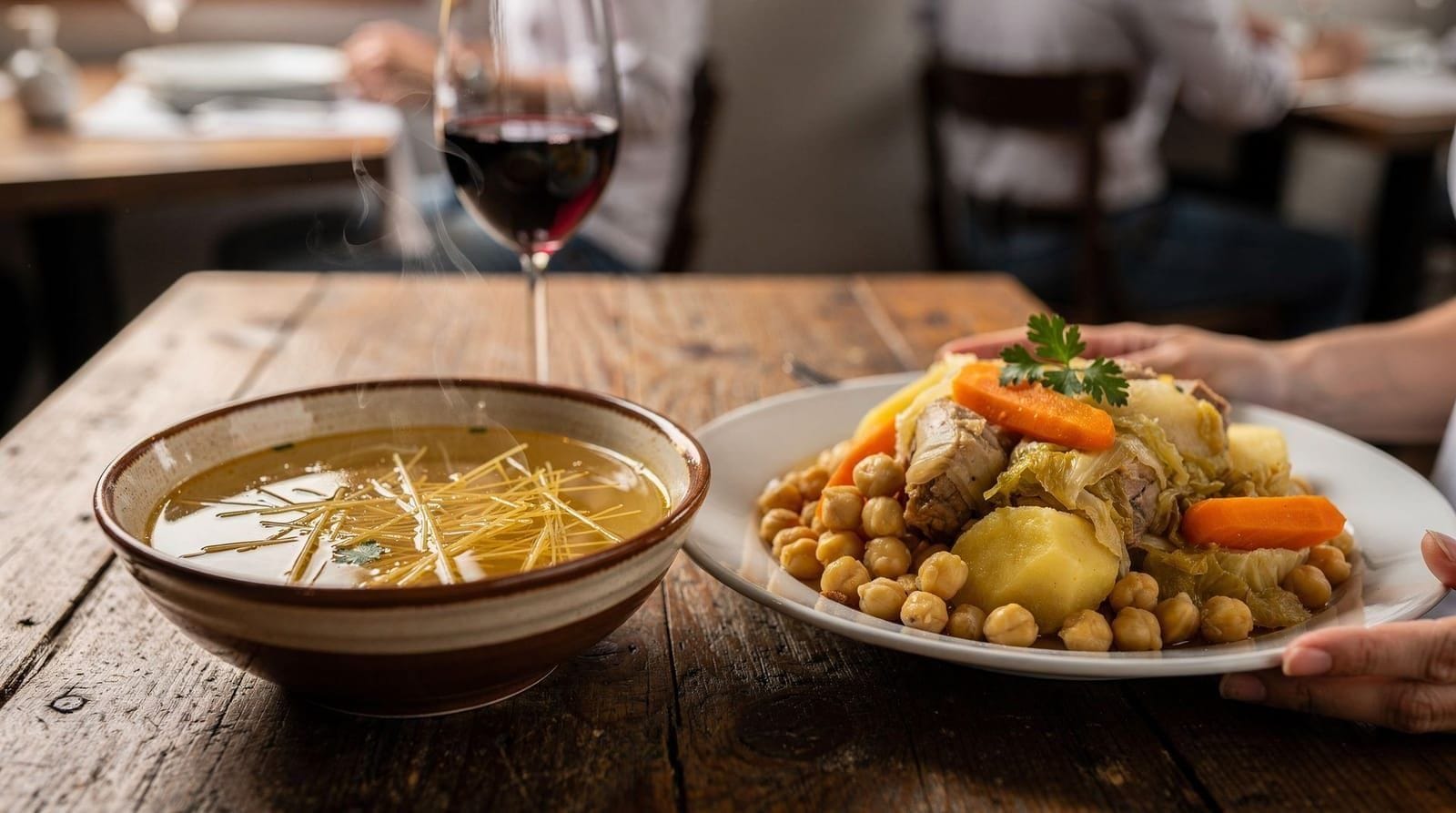
Cocido madrileño: The city’s signature dish — a slow-cooked chickpea stew with chorizo, blood sausage, pork belly, and vegetables, served as a three-course meal (first: broth with thin pasta; second: chickpeas and vegetables; third: meats). Only available at a handful of restaurants, best on winter weekdays. Full coverage in the cocido guide.
Bocadillo de calamares: Crispy fried squid rings in a crusty roll. Iconic Madrid street food. €3–4 at local bars; €7–9 in the tourist zone. The correct version has no sauce — the squid provides all the flavour. La Campana (Gran Via area) is the most famous version.
Churros con chocolate: The classic exists in two formats — the thin, crunchy churro (for dipping in thick hot chocolate) and the thicker porras. At Chocolatería San Ginés (Pasadizo de San Ginés 5, near Sol, open 24 hours) it is tourist-accessible but genuinely good. See the churros guide.
Callos a la madrileña: Tripe stew with chorizo and blood sausage — the bold local alternative to the internationally recognised dishes. Not for everyone, but eaten seriously by Madrileños in autumn and winter. La Bola (Calle de la Bola 5) serves one of the most consistent versions.
Drinks: what locals drink
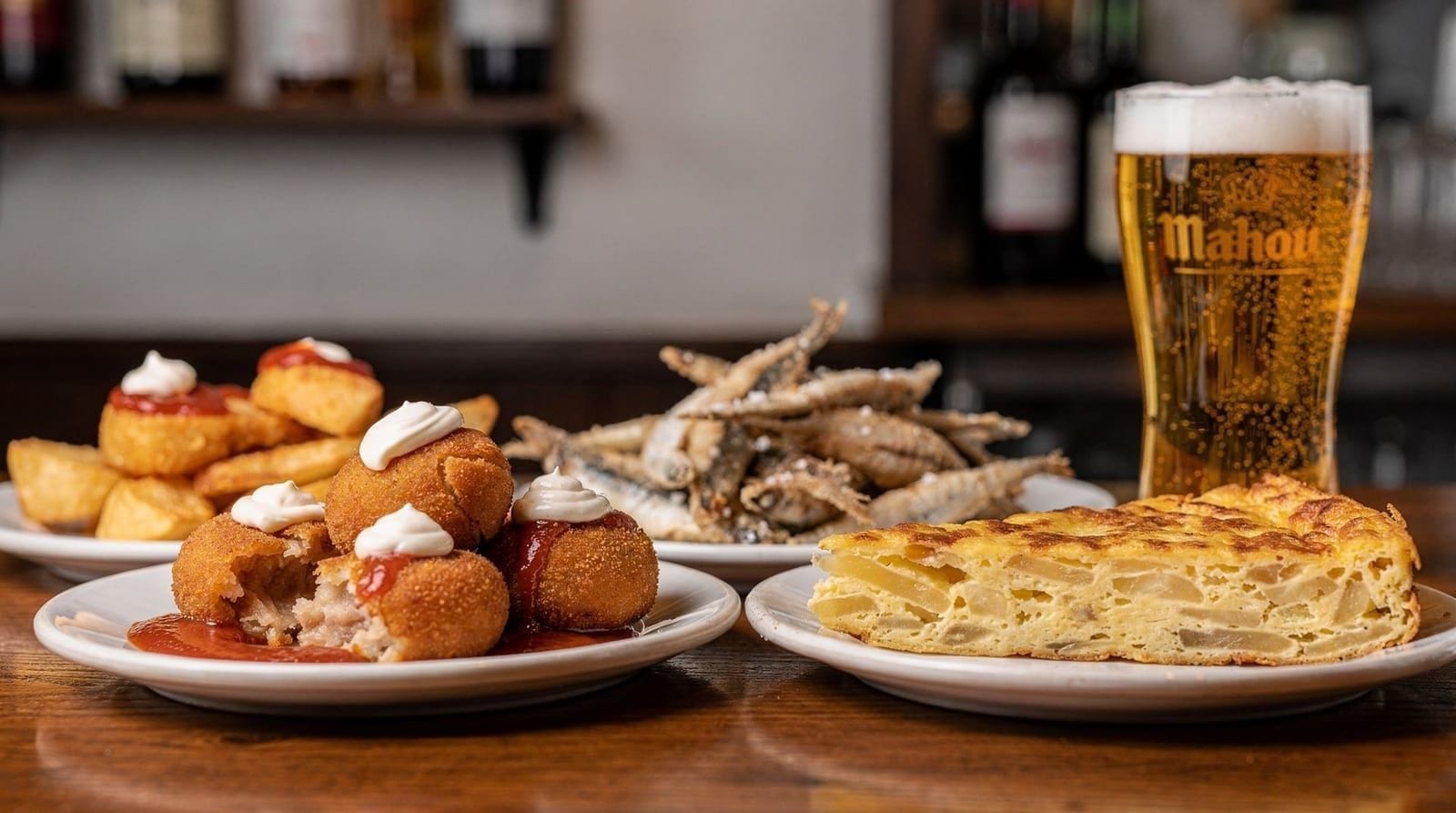
Beer: Mahou Cinco Estrellas (the Madrid native brand) and Estrella Damm are the two cañas (small draft beers, €1.50–2) you’ll see everywhere. A caña in a neighbourhood bar costs €1.80–2.20; the same in a tourist-area bar near Sol is €3–4.
Wine: Madrid is surrounded by wine country. The house wine at any neighbourhood bar (typically Rioja or Ribera del Duero by the glass, €2–3.50) is usually perfectly adequate. If you want to explore further, the wine bars guide covers the city’s dedicated wine venues.
Water: Tap water in Madrid is clean and excellent. Ordering a jug of water (agua del grifo) at any restaurant is acceptable and normal. Paying €2–3 for a bottle of mineral water at every meal is unnecessary.
Ordering and paying like a local
A few small habits mark you as someone who knows the system. At the bar, you generally order and pay as you go rather than opening a running tab, unless the bar explicitly runs tabs (some do, especially for regulars). Tipping is not expected the way it is in the US — rounding up or leaving small coins is normal, 10%+ is not. When a group shares tapas, splitting the bill precisely item-by-item is unusual; Spaniards more often just split evenly or one person covers a round and it evens out over the evening. And when a menú del día doesn’t list prices for individual courses, that’s normal — you choose one first course and one second course from the day’s list, not a mix-and-match from a full menu.
Reading a bar before you walk in
A good neighbourhood bar tells you most of what you need to know from the doorway. Look at the floor and the counter: napkins and olive pits on the ground are a classic sign of a bar that is busy with regulars, not a mess to worry about. Look at the shelf behind the bar for hanging hams and a short, handwritten list of what the kitchen is doing today. A long laminated menu with photographs in six languages points the other way, and our guide to tourist menu traps explains the full set of warning signs.
Staff in local bars tend to be quick and direct. That is not rudeness; it is the rhythm of a place where regulars order the same thing every day. Greet with a simple “buenas”, say what you want clearly, and you will be treated as warmly as anyone else. If you are unsure what to order, point at what the person next to you is eating and ask for the same.
Where to go when you want a guide
If the circuit feels intimidating on a first evening, a guided option removes the guesswork. a tapas and wine tasting led by a local guide is a gentle way to learn the vocabulary and the order of the bars before you strike out alone the next night. Our food tour verdict is honest about who benefits from a tour and who is better off simply walking the streets of La Latina on their own.
Beyond the classic circuits
Once you have done the La Latina and Malasaña evenings, the rest of the city opens up. Chamberí rewards a long lunch with the regulars, while Lavapiés is the place for a meal that has nothing to do with Spanish cooking at all, reflecting the mix of communities who live there. For a more detailed list of individual bars, the best tapas bars guide and the La Latina restaurant guide go deeper than this overview can.
If food is the main reason for your trip, the Madrid for foodies itinerary strings these meals together across several days so that breakfast, lunch and the evening circuit each land in the right neighbourhood. And if you are wondering why the famous squares are missing from this list, Plaza Mayor’s restaurants are covered separately, with the reasons laid out plainly.
A realistic one-day eating plan
For a single day built entirely around eating like a local: breakfast at a neighbourhood bar (08:00, tostada con tomate and café con leche), the 11:00 break at a different bar near wherever you’re sightseeing (a small tapa, another coffee), menú del día for lunch at 14:00 in Chamberí or Malasaña, a quiet afternoon, then the evening tapas circuit in La Latina from 20:00 — two or three bars, ending with a proper racion rather than pure snacking. This costs roughly €35–50 for the full day of eating, well below what a tourist-circuit equivalent costs, and every stop is where actual Madrileños eat.
Frequently asked questions about Eat like a local in Madrid
What is the menú del día and how does it work?
The menú del día (daily menu) is the lunchtime institution that makes eating in Madrid exceptional value. Monday through Friday (and many Saturdays), neighbourhood restaurants and bars offer a three-course fixed lunch including bread, wine or water, and sometimes coffee for €10–14. First course is typically soup, salad, or a legume dish; second course is meat or fish; dessert is fruit, yogurt, or a small sweet. The dishes change daily based on what the kitchen is cooking — this is not a tourist-menu recycling of frozen food; at legitimate venues, it is the real lunch. The trick: find a place where the staff speak primarily Spanish, where there are Spaniards eating, and where the menu is handwritten or changed daily.What is the Madrid breakfast ritual?
Madrileños have two breakfasts. The first (at home or in a bar before work, around 07:30–09:00) is café con leche (half espresso, half hot milk) with a palmera (glazed pastry) or a magdalena. The second (mid-morning, around 11:00–11:30) is the working break: a tostada con tomate (grilled bread rubbed with tomato and olive oil, €2–3) plus another coffee, sometimes with a tortilla española or jamón croquetas. This 11:00 break culture is real — bars fill with construction workers, office workers, and taxi drivers, all eating standing at the bar. Join this culture rather than seeking a tourist breakfast.What do Madrileños actually order for tapas?
The classic Madrid tapas: patatas bravas (fried potato cubes with spicy or alioli sauce — every bar has a version), croquetas (jamón, bacalao, or mushroom filling, fried — judge a bar by its croquetas), tortilla española (potato omelette, order 'poco cuajada' for the runny interior that Madrileños prefer), boquerones en vinagre (anchovies in vinegar and olive oil), gambas al ajillo (garlic shrimp), pan con tomate (bread with tomato, optional jamón), and jamón ibérico (the category leader, always worth ordering where quality is stated). What they do not eat: paella, sangria pitchers, or 'Spanish omelette' served in thick slabs on tourist menus.What is the evening tapas circuit and how does it work?
Madrileños don't sit down for tapas — they move. The typical evening: start at one bar at 19:30 for a caña (small beer, €1.50–2) and one or two tapas; move to the next bar for different tapas; continue for two or three stops. Each stop is 30–45 minutes. Dinner may be at one of these bars around 21:00–22:00 (a proper racion, a shared larger plate) or the tapas accumulate into a meal. The circuit in La Latina (Calle del Almendro, Calle de la Cava Baja, Calle de la Cava Alta) is the classic for visitors because it's concentrated and the quality is consistently above average. Malasaña's circuit (Calle de San Vicente Ferrer, Plaza del Dos de Mayo area) is more bohemian and slightly cheaper.What are the best neighbourhoods for real food in Madrid?
La Latina (historic centre, particularly the Cava Baja area) for the classic tapas circuit and traditional Madrid cooking. Malasaña (Barrio Maravillas) for cheaper, more casual, younger-skewing bars with good food. Chamberí (northern residential district) for the true neighbourhood restaurant experience — this is where Madrileños eat without tourists. Barrio de las Letras (Huertas/Calle de las Huertas) has excellent mid-range restaurants. Lavapiés has the most diverse food in the city — Moroccan, Indian, South American, Japanese — due to its immigrant community.What should I absolutely not order in Madrid?
Paella in tourist-area restaurants (Madrileños don't eat paella — it's a Valencian dish and tourist versions are poor). Sangria by the glass from a pre-made jug (the local drink is a caña of Mahou or Estrella Damm, or house wine by the glass; sangria is ordered by the bottle when it's ordered at all). The 'full Spanish breakfast' in English-language menus near the tourist circuit. Any dish described as 'traditional Spanish' or 'typical Spanish' rather than by its actual name — this is a marketing signal, not a quality signal.