La Latina guide: Madrid's best neighbourhood for tapas and character
Madrid: Tapas Taverns History
What is La Latina best known for and is it worth staying there?
La Latina is Madrid's most characterful central neighbourhood — famous for its tapas bars (especially on Calle de la Cava Baja), its Sunday El Rastro flea market, and its medieval street plan that predates the city's main expansion. It is the best base for first-time visitors who prioritise food culture over tourist convenience, and it is significantly better value than hotels near Sol for equivalent centrality.
What La Latina actually is
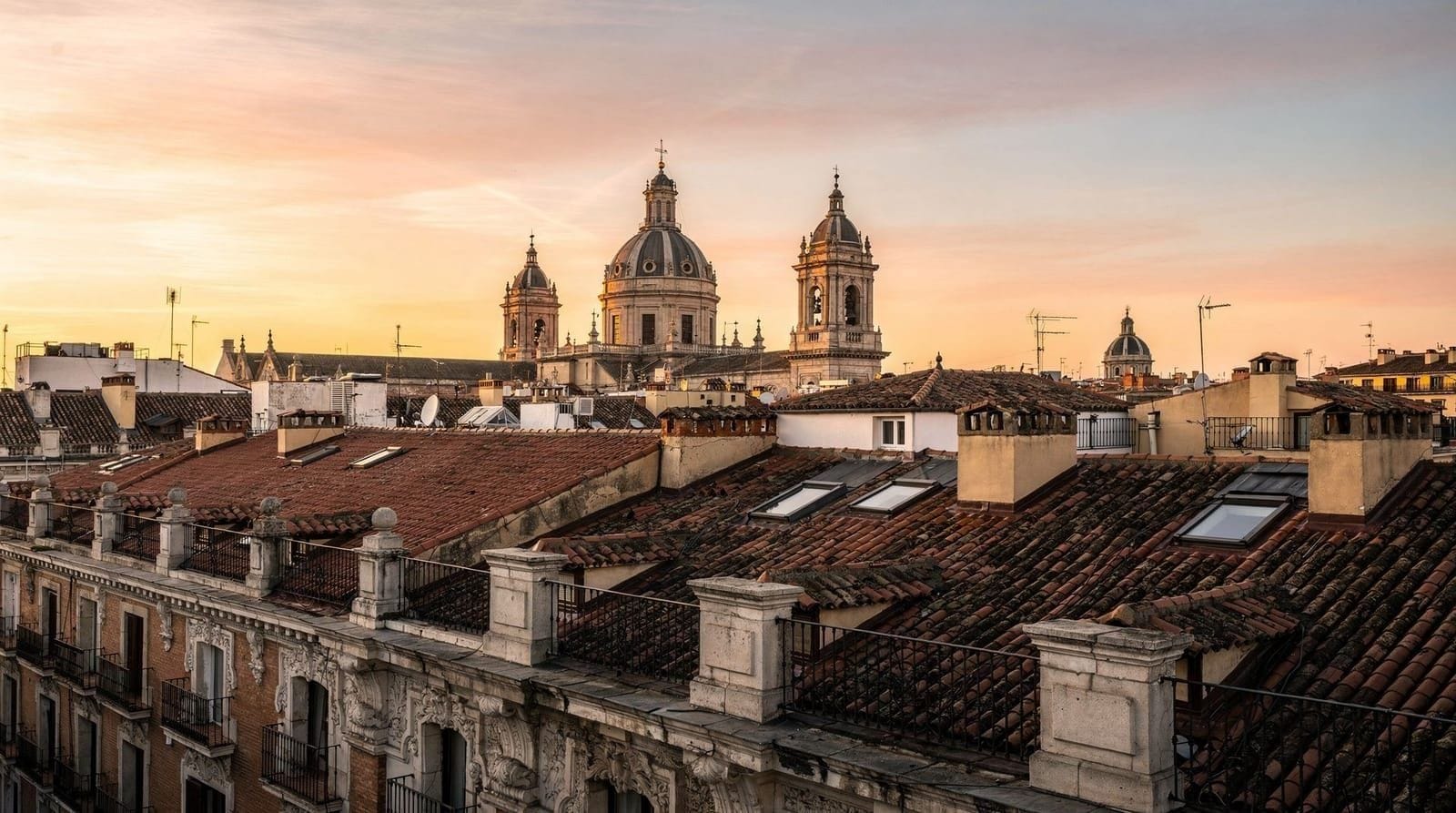
La Latina is not a neighbourhood that needs marketing. It is the oldest inhabited district in Madrid — the neighbourhood that predates the Bourbon grid, the Gran Vía, and all the urban planning that reshaped the city from the 18th century onward. The streets here are narrow, irregular, and on a hill, which means the neighbourhood has never been straightforward to redevelop. This is why it still looks the way it does.
The area runs roughly from the Basílica de San Francisco el Grande in the west to the Calle de Toledo in the east, and from the Plaza de la Puerta de Moros in the south to the Calle Mayor in the north — adjacent to the area known as Madrid de los Austrias and the Palacio Real zone. The La Latina destination page covers the neighbourhood’s sights and history in depth. This guide is about how to eat, drink, sleep, and move in La Latina.
| Where | South of Plaza Mayor, central Madrid |
| Best for | Tapas culture, Sunday El Rastro, medieval streets |
| Cost | Tapas and drinks around €3–6 each; doubles from €60–160 |
| Getting there | Metro La Latina (Line 5); 8 min walk from Plaza Mayor |
| Best time | Sunday midday (post-Rastro) or Friday/Saturday evening |
Calle de la Cava Baja: the tapas spine
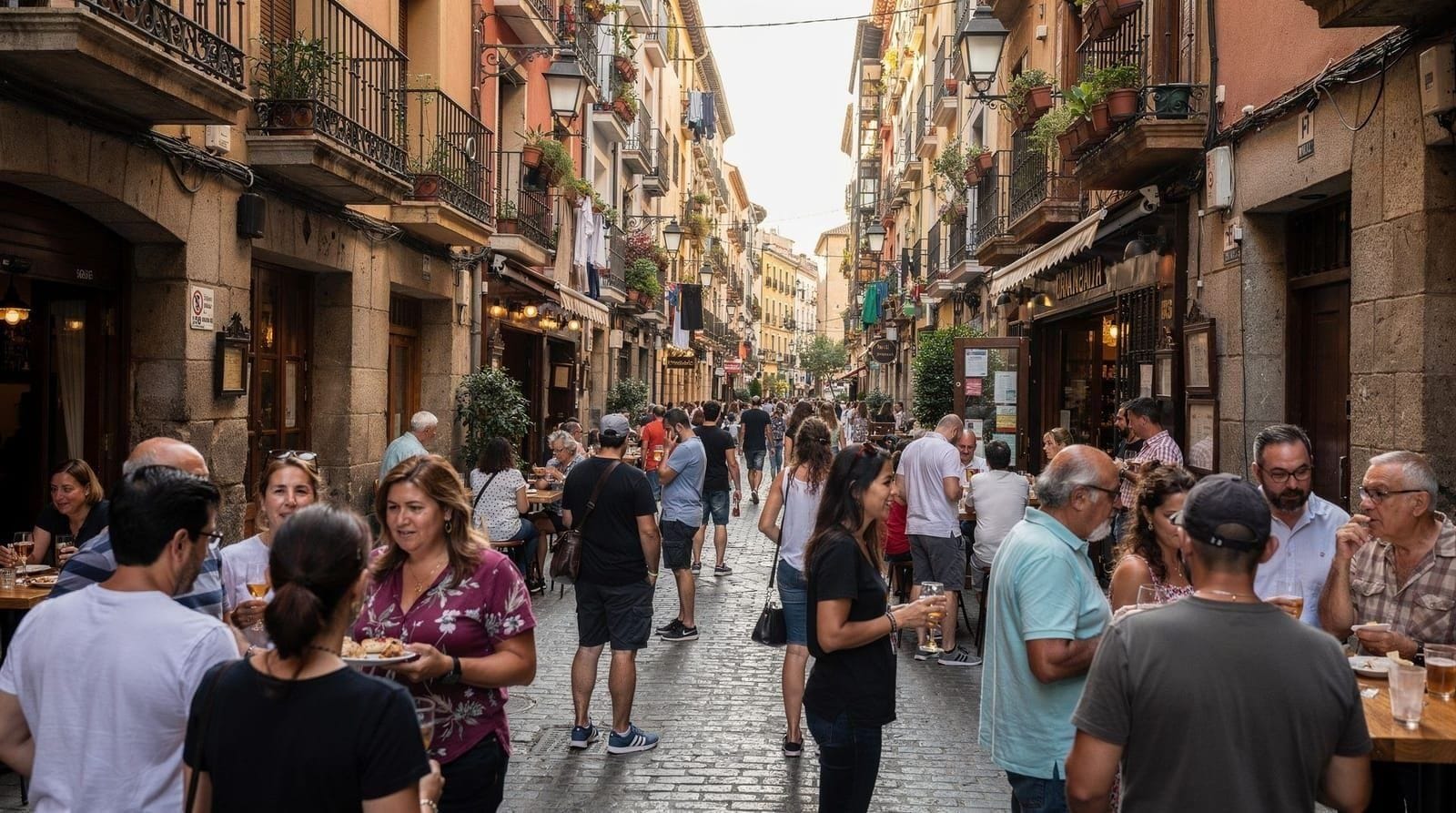
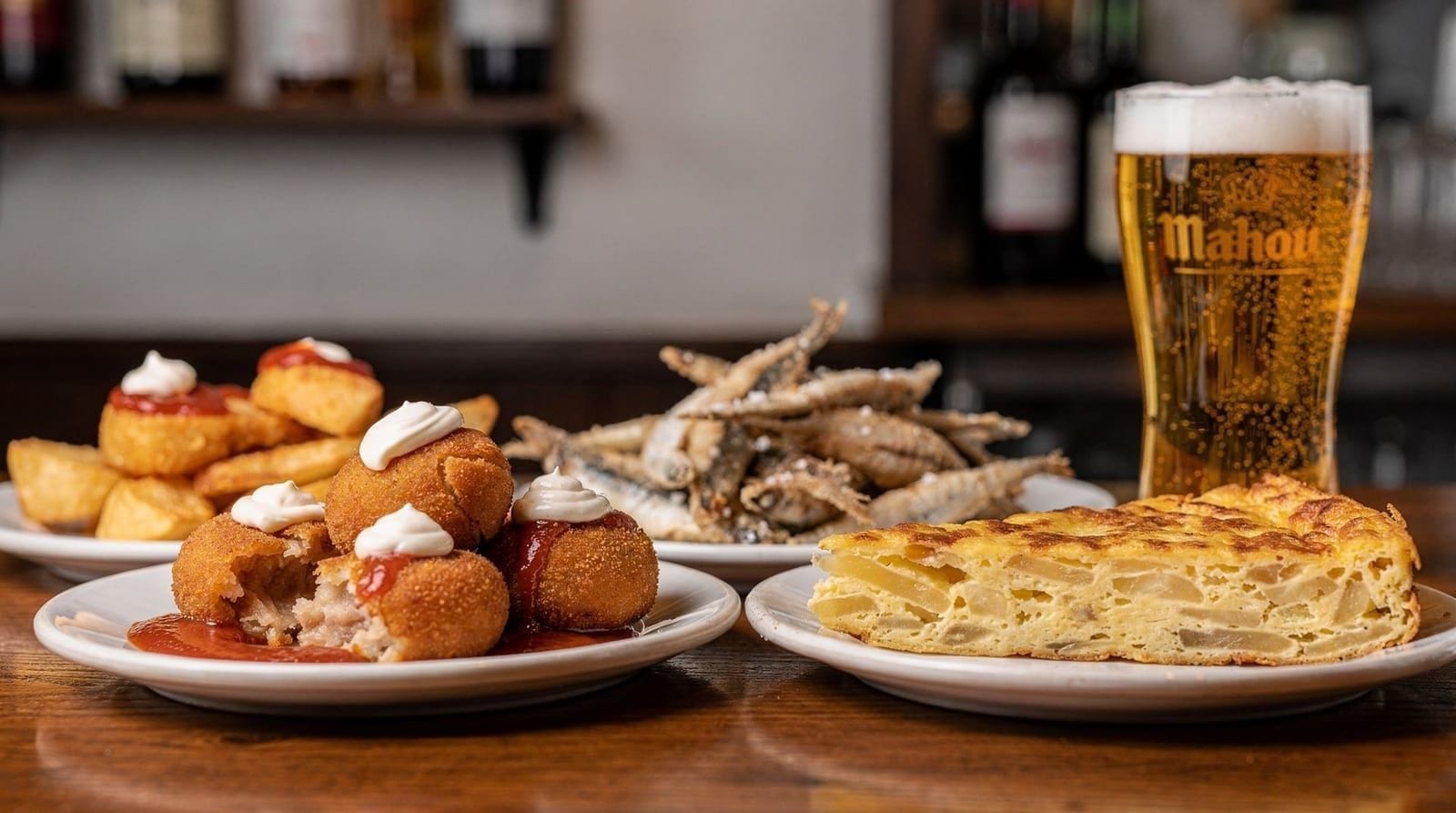
If you know one street name in La Latina, it should be Calle de la Cava Baja. This is a historic wine-merchants’ street that runs for about 300 metres down a gentle slope, lined almost entirely with tapas bars, tabernas, and restaurants. On a Sunday afternoon from 13:00 to 18:00, it is among the most enjoyable streets in Europe.
Txirimiri (Calle del Humilladero 6, just off Cava Baja): A pintxos bar from the Basque tradition — small rounds of bread with toppings, ordered by pointing. Some of the best quality-per-euro eating in Madrid. Busy from 12:00 on weekends; go early or expect to stand.
Casa Lucas (Calle de la Cava Baja 30): Atmospheric taberna with an excellent wine list (mostly Spanish, some natural). Good montaditos (small open sandwiches). The interior is genuinely old — beams, exposed stone.
Juana la Loca (Plaza de la Puerta de Moros 4): Known for its tortilla española with caramelised onion, which divides tortilla purists but is genuinely excellent. The terrace on the plaza is one of the best spots in the neighbourhood.
Taberna Matritum (Calle de la Cava Alta 17): Slightly off the main tourist drag on Cava Baja, which keeps prices honest. Good selection of vermouth and wines by the glass; small plates.
El Almendro 13 (Calle del Almendro 13): Specifically famous for its tostas (toasted bread rounds with various toppings) and its rosquillas (aniseed rings). Traditional, honest, reasonably priced.
Ordering etiquette: Most Cava Baja bars work on a first-come basis at the counter — catch the barman’s eye rather than waiting to be served, and expect to pay per round rather than opening a tab, which is standard practice in traditional tabernas across the neighbourhood.
Sunday morning: El Rastro and beyond
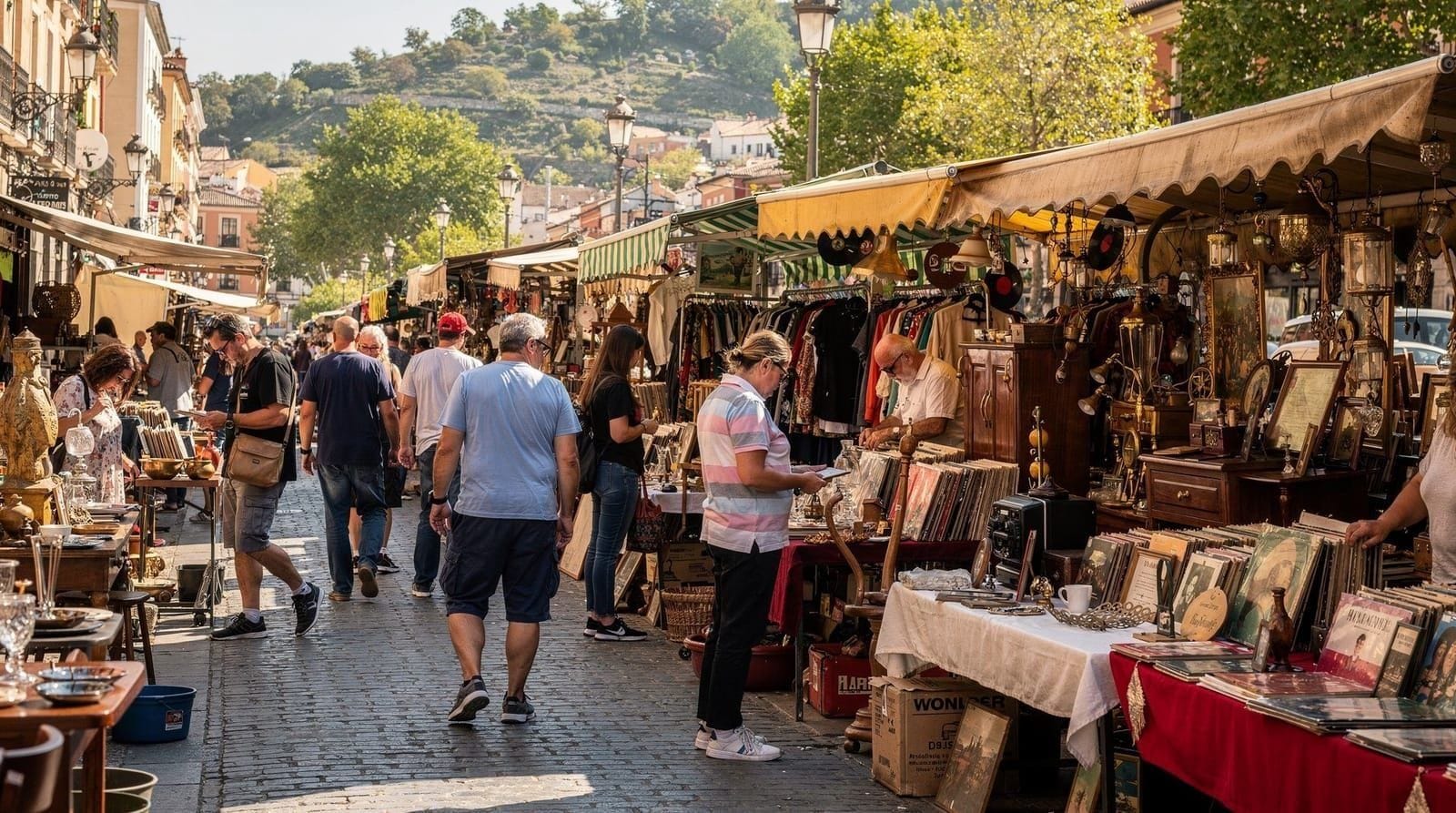
El Rastro is Spain’s most famous flea market, held every Sunday and public holiday from approximately 09:00 to 15:00. It occupies the streets south and east of La Latina — centred on Calle de la Ribera de Curtidores — and extends through dozens of side streets.
Pickpocket warning: El Rastro on Sunday is the single highest-risk location for pickpocketing in Madrid. Shoulder bags in front, phone in an inner pocket, nothing in back pockets. The market is safe in the sense that physical violence is rare — but bag-snatching and phone theft are genuinely common. This warning is not exaggerated.
The market itself: the main street sells prints, antiques, second-hand furniture, leather goods, and enough tourist tat to fill several warehouses. The side streets are more interesting — particularly Calle del Carnero and Calle de Mira el Río for antiques; Calle Fray Ceferino González for books and magazines.
After El Rastro: The La Latina tapas bars start filling from 12:00 on Sunday. The combination of a 90-minute market walk followed by two hours of cava baja tapas and vermut is a classic Madrid Sunday and one of the city’s genuine pleasures.
The El Rastro flea market guide has the full practical breakdown including hours, best stalls, and how to navigate the crowds.
Beyond Cava Baja: the rest of La Latina
Cava Baja is the famous street, but La Latina extends in all directions with interesting secondary streets.
Calle de la Cava Alta: The parallel street to Cava Baja, running north. Less crowded, quieter bars, sometimes better prices.
Plaza de la Paja: A beautiful medieval square — the most historically significant public space in the neighbourhood, site of the original medieval market. The restaurants on the plaza are overpriced; the plaza itself is free and excellent.
Calle de la Morería: Running south toward the Vistillas viewpoint. The Morería (Moorish quarter) area predates the Christian reconquest of Madrid in 1083. Several buildings on the surrounding streets incorporate archaeological remains.
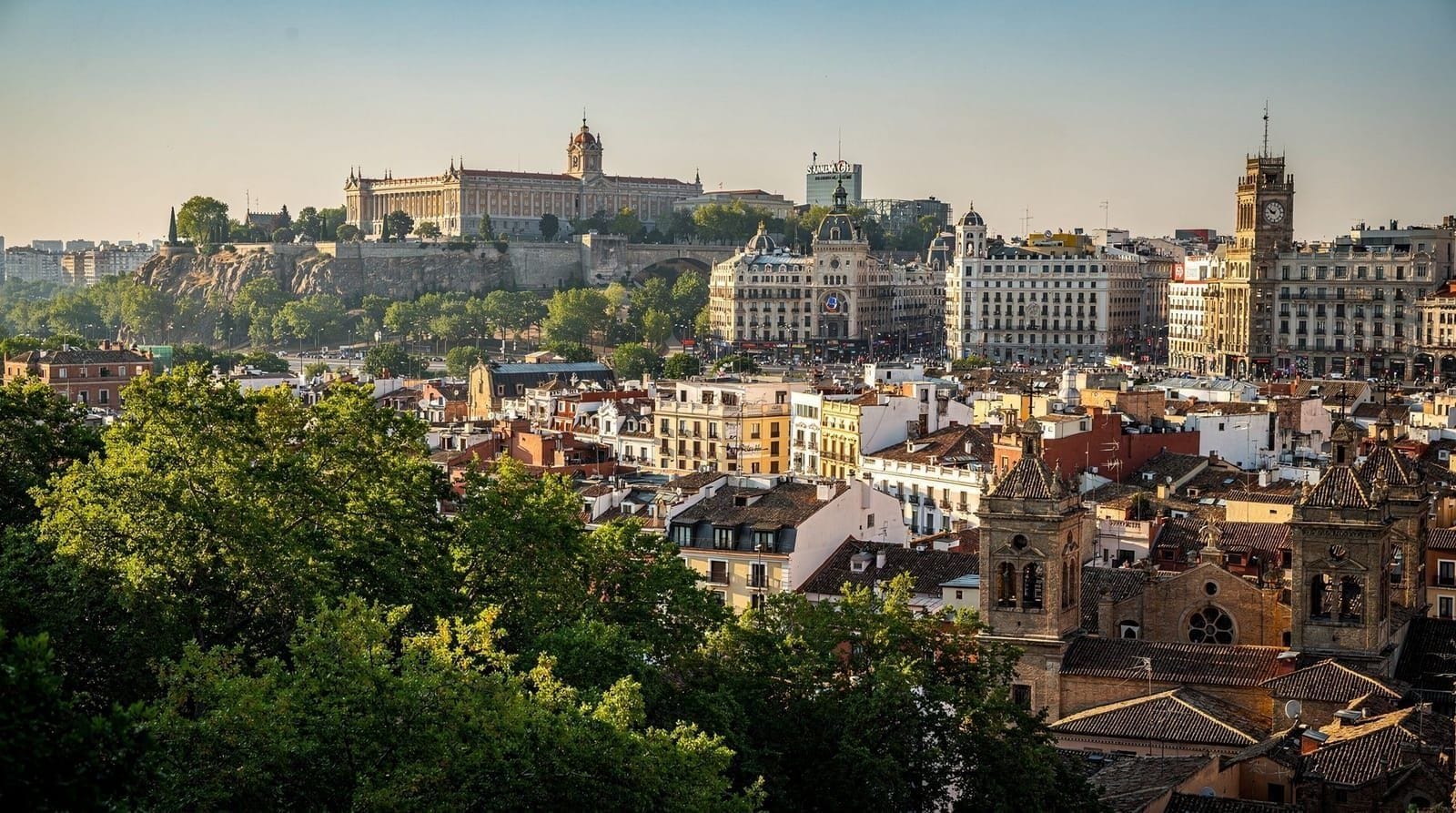
Las Vistillas: The terrace at the top of the hill above the Manzanares valley, offering views toward the Casa de Campo, the Palacio Real at an angle, and the Almudena Cathedral dome. Popular with Madrileños for a sunset beer; little-visited by tourists who stay on the Cava Baja axis.
Iglesia de San Pedro el Viejo: One of the oldest churches in Madrid, with a 14th-century tower visible from several surrounding streets. Not open for extended visits but the exterior is worth noting as you walk.
Where to stay in La Latina
The accommodation options here are smaller and more characterful than in Sol. There are no enormous business hotels; this is territory for boutique stays and honest hostalería.
Posada del León de Oro (Calle de la Cava Baja 12): Doubles from €85. A genuine 18th-century posada (coaching inn) with a stone courtyard, exposed-beam rooms, and a breakfast service that uses local products. This is the best mid-range stay in the neighbourhood and one of the best-located hotels in central Madrid. Booking well ahead is essential.
Hotel Vincci Soho (Calle del Prado 18): On the border between La Latina and Barrio de las Letras — technically Letras but within walking distance of both. Four-star, €110–160, reliable quality.
Hostal Adriano (Calle de la Cruz 26): Basic but clean and well-located. Doubles from €60. The kind of family-run hostal that has survived because it does the fundamentals correctly.
Booking window: The smaller boutique properties on and around Cava Baja have limited room counts, so they sell out well ahead of larger chain hotels elsewhere in the centre — book 6–8 weeks ahead for spring and autumn weekends if a specific property matters to you, longer for the Posada del León de Oro specifically.
Getting around from La Latina
Metro: La Latina station (Line 5) is the main hub. From here: Sol is three stops (eight minutes); Chueca/Malasaña is four stops north; Atocha (for the Prado on foot) is accessible via a transfer at Embajadores.
Walking: La Latina’s great strength. Plaza Mayor is 8 minutes’ walk. The Royal Palace is 15 minutes. The Prado is 25 minutes. The Gran Vía is 15 minutes.
Sunday logistics: On El Rastro Sunday, the streets around Cava Baja and the market are packed from 10:00–14:00. Budget extra time for everything.
Using a tapas tour from La Latina
A tapas and history tour based in the old town pairs well with a La Latina base — it provides structured context for the medieval architecture and the tapas tradition that surrounds you, before you go back to doing it independently.
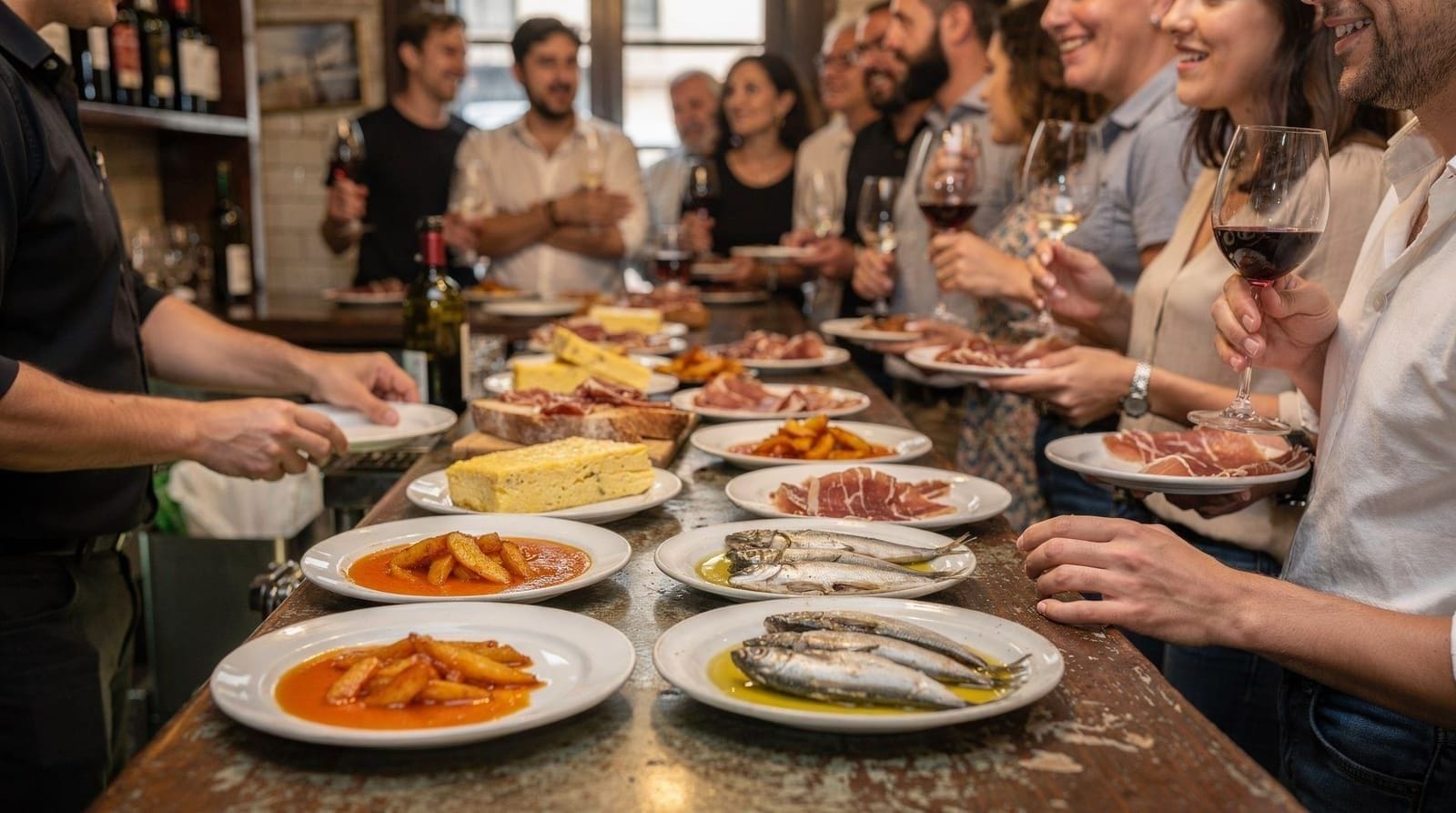
If you would rather have a local guide steer you through the bars than queue at the counter yourself, a guided evening of tapas in non-touristy bars is a good way to taste a wider range in one outing. It works best on your first night, when you do not yet know which doors are worth pushing open.
For self-guided exploration, the where to eat in La Latina guide has an expanded list of specific bar and restaurant recommendations across all price points.
La Latina vs Lavapiés: the comparison
La Latina and Lavapiés are adjacent neighbourhoods with meaningfully different characters. La Latina is older, more tourist-integrated (in the sense that the tapas scene welcomes everyone), and generally more expensive. Lavapiés is more diverse, more local, cheaper, and has better international food. The La Latina destination page and the Lavapiés destination page sit side-by-side in terms of geography and this contrast of character.
For most first-time visitors, La Latina is the more immediately satisfying choice for a base. Lavapiés rewards a second or third visit, or visitors who specifically prioritise authenticity and budget over tourist infrastructure.
La Latina’s San Francisco el Grande
The Basílica de San Francisco el Grande (Plaza de San Francisco) is La Latina’s most significant religious building and one of the most impressive Neoclassical church interiors in Spain. The dome (33 metres in diameter) was one of the largest in the world when completed in 1784. The interior has works by Goya (including an early self-portrait in a painting of San Bernardino of Siena), Zurbarán, and Velázquez.
Practical: Museum visits Tuesday–Saturday; guided tours available Tuesday–Friday; entry €6 (€3.50 reduced). The guided tour (Spanish language, with English available occasionally) covers the chapter rooms and sacristy as well as the main church. Allow 90 minutes.
The exterior plaza — immediately south of the main La Latina neighbourhood — is a quieter alternative to the crowded Cava Baja streets for lunch on a terrace.
What not to do in La Latina
Don’t eat at the restaurants on Plaza de la Paja. The plaza is beautiful; the restaurants facing it are tourist-priced and mediocre. Walk 50 metres in any direction for better food at lower prices.
Don’t go to El Rastro on a rainy Sunday. The market does not relocate or shelter — half the stalls close, the streets are slippery, and the atmosphere disappears entirely.
Don’t expect the tapas scene to be running at noon on a Monday. La Latina is a Sunday and Friday/Saturday phenomenon. Monday through Thursday the neighbourhood is calmer and some bars have reduced hours.
La Latina and the broader Madrid picture
La Latina connects directly to Madrid de los Austrias — the historic core around Plaza Mayor and the Royal Palace. The Sol and Centro guide covers the axis from Sol to Plaza Mayor. For a full first-visit plan that uses La Latina well, the three-day Madrid itinerary is designed around this neighbourhood as a base.
Day structure: how to spend a day based in La Latina
Morning (09:00–12:00): Walk the historic streets around Plaza de la Villa, Calle de la Morería, and the Colegiata de San Isidro. These streets are largely tourist-free in the morning. On Sundays, El Rastro fills the streets south of Cava Baja from 09:00 — the market walk takes 60–90 minutes.
Midday (12:00–15:00): The tapas ritual. Take a table or stand at a bar on Cava Baja from 12:00. Order a caña and a couple of raciones — jamón, patatas bravas, gambas al ajillo. The Sunday lunch ritual in La Latina (post-Rastro, long lunch, unhurried) is one of the things that makes Madrid different from other European cities.
Afternoon (15:00–19:00): Walk north to Plaza Mayor (8 minutes) or continue to the Royal Palace (15 minutes). The Royal Palace guide covers opening hours and what to see. If you want to skip the ticket queue, a fast-access ticket for the Royal Palace lets you keep the afternoon flexible after a long lunch.
Evening (19:00–23:00): The Prado’s free hours run 18:00–20:00 Monday–Saturday — from La Latina it is a 25-minute walk via Barrio de las Letras. Return to La Latina for dinner from 21:00. The museum free hours guide covers the full strategy.
Seasonal tips for La Latina
Best period: Spring (April–May) and autumn (September–October). Terrace season is in full swing, the El Rastro conditions are ideal, and the neighbourhood is at its most lively without summer heat.
Summer (July–August): August is warm (35°C+) and some local bars and restaurants reduce hours or close for holidays. El Rastro continues. The tapas bars are less crowded on weekday evenings than in spring.
Winter: La Latina is active year-round — the tapas culture is indoor as much as outdoor. Christmas period (late November–January 6) brings the Plaza Mayor Christmas market (5 minutes’ walk) and the neighbourhood’s own lights.
Practical notes for La Latina visitors
Cash: Many La Latina tabernas still prefer cash for small amounts. Bring a mix — an ATM run mid-crawl is a minor but common friction point on a busy Sunday.
Timing: Madrileños eat late — lunch from 14:00, dinner from 21:00. Attempting to eat at 19:00 will find half the restaurants closed for the break between service. Respect the rhythm and you will eat better.
Language: La Latina’s traditional bars are Spanish-speaking environments where English is not universally spoken. A few words of Spanish — “una caña, por favor,” “la cuenta,” “¿qué recomienda?” — are both useful and warmly received, and go a long way toward the warmer service regulars get.
Physical access: La Latina is on a hill. The streets around Cava Baja slope noticeably. For visitors with significant mobility limitations, the flat alternatives of Barrio de las Letras or Malasaña may be more comfortable.
Booking tapas tables: Most Cava Baja bars operate on a stand-or-queue basis rather than reservations, especially at peak Sunday hours — arriving before 13:00 or after 15:30 avoids the worst of the crush if you’d rather sit than stand. A handful of the sit-down restaurants (rather than bars) do take reservations, which is worth doing for a group of four or more on a weekend.
Noise at night: Cava Baja and the surrounding streets stay lively until at least midnight on Friday and Saturday. If you’re a light sleeper staying in the immediate area, ask for an interior-facing room, or budget the noise as part of the character trade-off you’re making by choosing this neighbourhood.
Where La Latina fits in a longer Madrid stay
For a two-day visit, La Latina should be your first evening and Sunday morning. For three to five days, use La Latina as a base and make day excursions to Toledo (33 minutes by AVE) and Segovia (28 minutes). For seven days, La Latina provides the character base while day trips to El Escorial, Aranjuez, and Toledo spread across the week.
See the Madrid week with day trips itinerary for a programme that makes full use of a La Latina base alongside the surrounding region.
Who La Latina suits, and who might prefer elsewhere
La Latina is the right base for visitors who want to eat and drink their way through a trip, who don’t mind sloped, uneven streets, and who prioritise character over modern hotel amenities. It suits couples and small groups particularly well — the tapas culture is inherently social, built around sharing plates and standing at a bar rather than a formal sit-down meal. It suits solo travellers reasonably well too, since bar culture here is easy to join alone. It is a less natural fit for families with very young children (steep streets, late dining hours, few child-specific amenities) or for visitors who want a quiet, early-to-bed base — see the where to stay in Madrid guide for calmer central alternatives if that’s your priority.