How many days do you need in Madrid? An honest itinerary guide
Toledo: Day Trip Local Guide
How many days do you need in Madrid?
Three days is the sweet spot for a first visit — enough for the Prado or Reina Sofía, the Royal Palace area, a neighbourhood walk (La Latina or Malasaña), and a day trip to Toledo or Segovia. Two days is entirely viable if you're focused. Five or more days opens up deeper neighbourhood exploration and multiple AVE day trips.
The direct answer: 3 days is the minimum satisfying first visit. 2 days is doable with focus. 4–5 days is ideal if you want day trips and neighbourhood depth. 7 days if you want to feel like you actually lived there briefly.
| Minimum for a satisfying trip | 3 days |
| Best for art-focused visitors | 2 days minimum, 3 comfortable |
| Best for day trips added | 4–5 days |
| Cost of a 3-day travel pass | €23.10/adult (Zone A) or €35.00 (Zone T) Tourist Travel Pass |
| Getting around | Metro + walking; AVE tickets separate for day trips |
The honest truth about what Madrid requires
Madrid is a sprawling, layered city. It has three world-class art museums within a 15-minute walk of each other, one of the finest royal palaces in Europe, a dozen distinct neighbourhoods each with their own character, one of the best night-life scenes on the continent, and a ring of UNESCO World Heritage day trips accessible in under an hour.
You cannot see all of this in any duration. The question is not “how many days to see Madrid” but “how many days to have a satisfying Madrid experience at the depth I want.”
The answer depends on which version of Madrid you’ve come for:
- Art Madrid (Prado, Reina Sofía, Thyssen) — 2 days minimum, 3 comfortable
- History and architecture Madrid (Royal Palace, Toledo day trip, El Escorial) — 3–4 days
- Food and neighbourhood Madrid (La Latina, Malasaña, Chueca, Retiro) — 3–4 days
- Football Madrid (Bernabéu tour, match attendance) — 1 extra day
- Day-trip Madrid (Toledo + Segovia + Ávila circuit) — add 2–3 days to a city base
Two-day Madrid: what’s achievable
Two days can give you a focused, genuinely satisfying experience if you make clear decisions rather than trying to cover everything.
Day 1 (art and history focus):
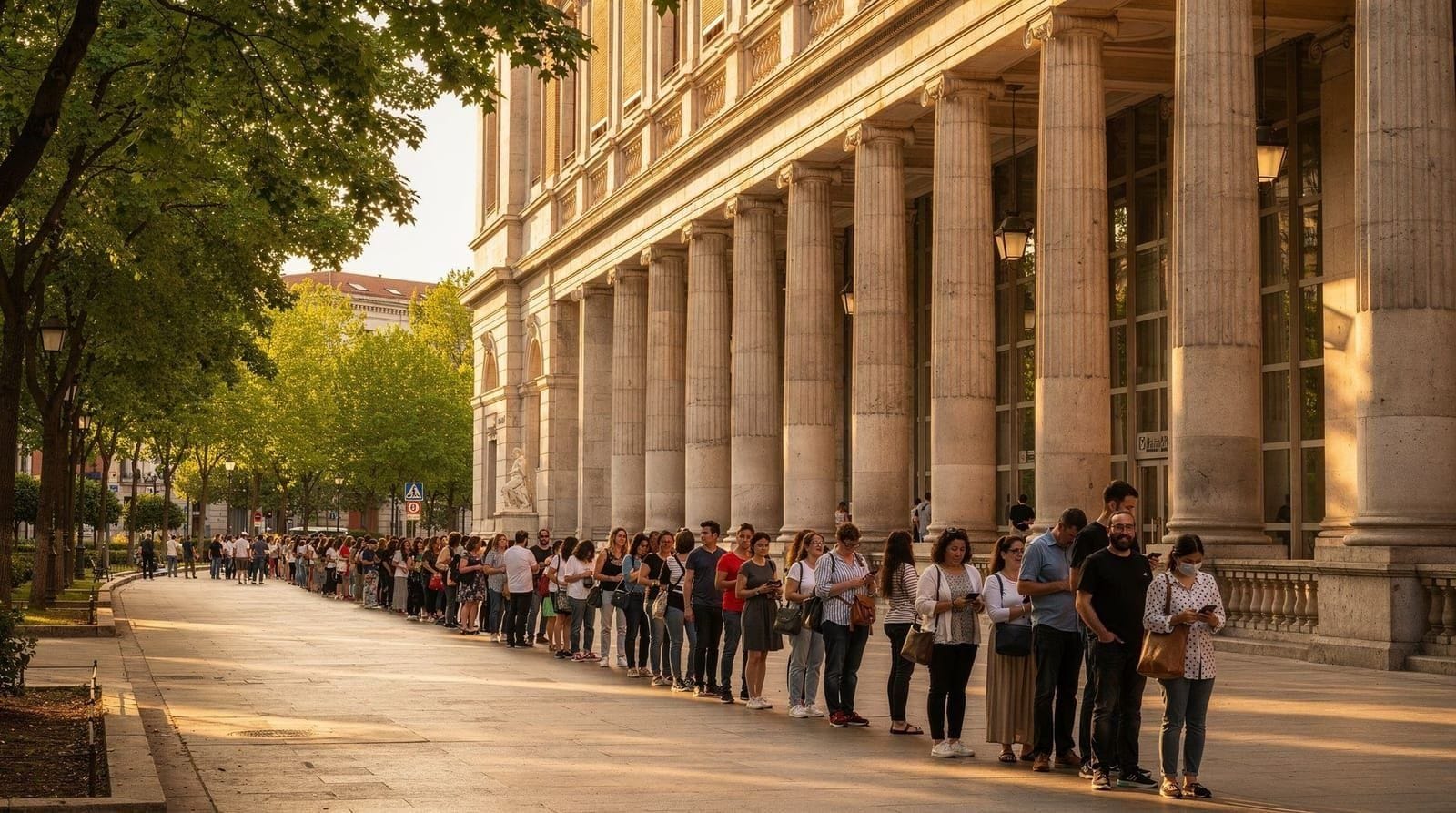
- 09:00 — Arrive at the Prado before the opening queue (opens 10:00). Spend 2.5–3 hours on the permanent collection — the Velázquez rooms, Goya rooms, and Bosch’s Garden of Earthly Delights. Don’t try to see the whole museum. See the Prado museum guide for the essential highlights.
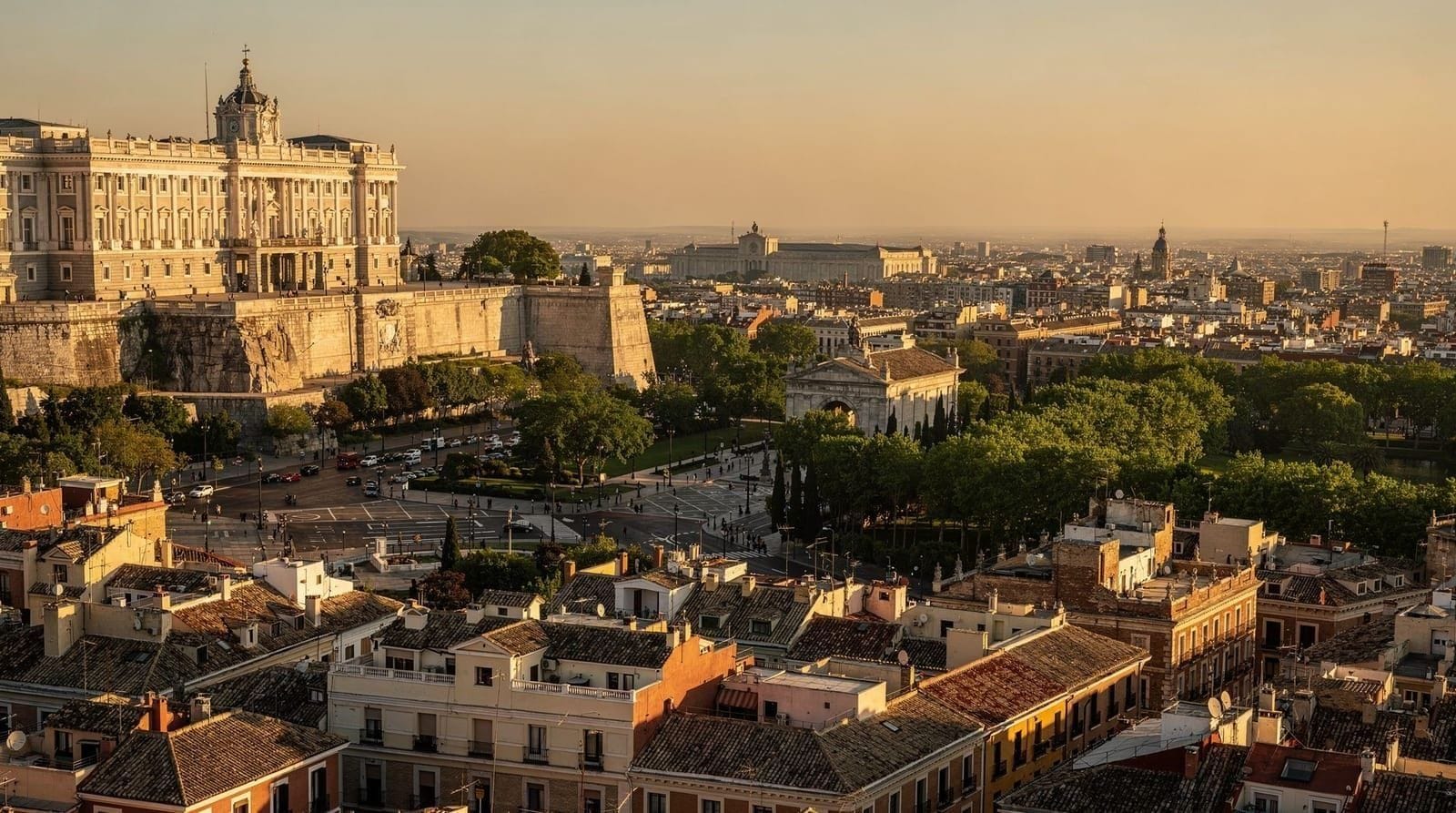
- 12:30 — Walk to the Royal Palace (20 minutes or 2 Metro stops). Buy tickets online in advance to avoid the queue. The State Rooms and Armory take 1.5–2 hours.
- 15:00 — Lunch in La Latina. Cava Baja street is the reference — multiple bars with outdoor terraces, tapas and a glass of wine for €10–€15.
- 17:30 — Walk through Plaza Mayor and into the Austrias quarter.
- 19:30 — Free entry to the Prado (Monday–Saturday 18:00–20:00, Sunday 17:00–19:00) if you want a second look — the queue forms around 17:30, arrive earlier.
- 21:00 — Dinner. Madrid doesn’t eat until 21:00–22:00. A proper sit-down meal in Barrio Letras or Lavapiés.
Day 2 (neighbourhood and culture focus):
- 10:00 — Reina Sofía (opens 10:00, Tuesday closed). Guernica alone justifies the visit. See the Reina Sofía museum guide. Free entry Monday and Wednesday–Saturday 19:00–21:00, and Sunday 12:30–14:30 only.
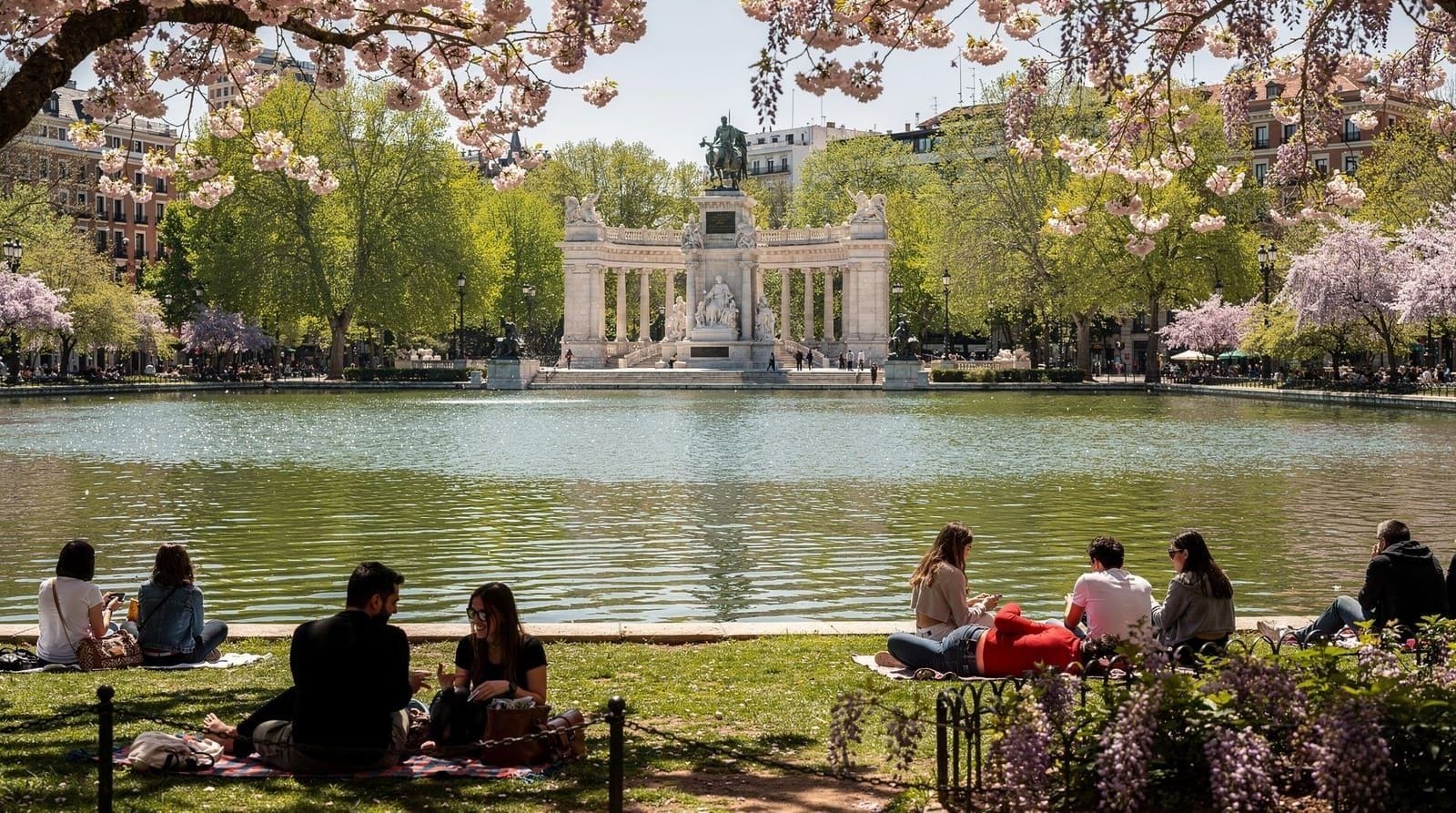
- 13:00 — Retiro Park. The boating lake, the Crystal Palace (glass exhibition pavilion), and the shaded walks. Allow 1.5 hours.
- 15:00 — Lunch in the Gran Vía/Chueca area. Avoid the tourist traps on Gran Vía itself — one block north into Chueca, the quality doubles.
- 17:00 — Walk Malasaña (from Fuencarral street, into the backstreets around Plaza del Dos de Mayo). The neighbourhood’s independent cafés, record shops, and vintage stores.
- 20:00 — Templo de Debod at sunset (free, closes before sunset — check exact times seasonally). The Egyptian temple on a small hill with Retiro views.
- 22:00 — Late dinner and optional bar circuit.
Two days done right leaves you satisfied and wanting more — which is the point.
Three-day Madrid: the sweet spot
Three days allows the classic Madrid experience: the two key museums, the Royal Palace area, a proper neighbourhood day, and the most important element most visitors underestimate — a day trip.
Day 1: The Golden Triangle and Retiro Follow the Day 1 structure above, but add time. Visit the Thyssen-Bornemisza in the afternoon (open Tuesday; free Monday 12:00–16:00). The Thyssen is the most approachable of the three for non-specialists — particularly strong on Dutch masters, Impressionism, and 20th-century art.
See golden triangle art walk for a self-guided walking route connecting all three museums.
Day 2: Royal Madrid and neighbourhood life
- Morning: Royal Palace + Almudena Cathedral + Plaza de Oriente
- Afternoon: Sol, Plaza Mayor, La Latina tapas walk down Cava Baja
- Evening: Malasaña or Chueca for dinner and bars
Day 3: Toledo or Segovia by AVE The day trip is frequently cited as the highlight of a Madrid visit. Toledo (33 minutes from Atocha) and Segovia (27–30 minutes from Chamartín) are both within 1 hour round-trip by AVE. You gain a full day in a UNESCO World Heritage city without losing your Madrid hotel.
Toledo: medieval walled city, cathedral, El Greco museum, the “three cultures” (Christian, Jewish, Moorish). See the Toledo from Madrid guide.
Segovia: Roman aqueduct (2,000 years old, no mortar), Alcázar castle, cochinillo lunch. See the Segovia from Madrid guide.
If you can only do one, Toledo is the higher-priority experience for most cultural tourists. Segovia is faster (27 minutes) and better for food lovers.
Toledo day trip from Madrid with a local guide takes the planning pressure off your day-3 slot and covers the cathedral and old town circuit in a single guided morning.
If you would rather see both cities rather than choose, a guided day trip that combines Segovia and Toledo covers them in one go, though it makes for a long day. For a side-by-side comparison, read Toledo vs Segovia, and for the train logistics see the AVE day trips guide.
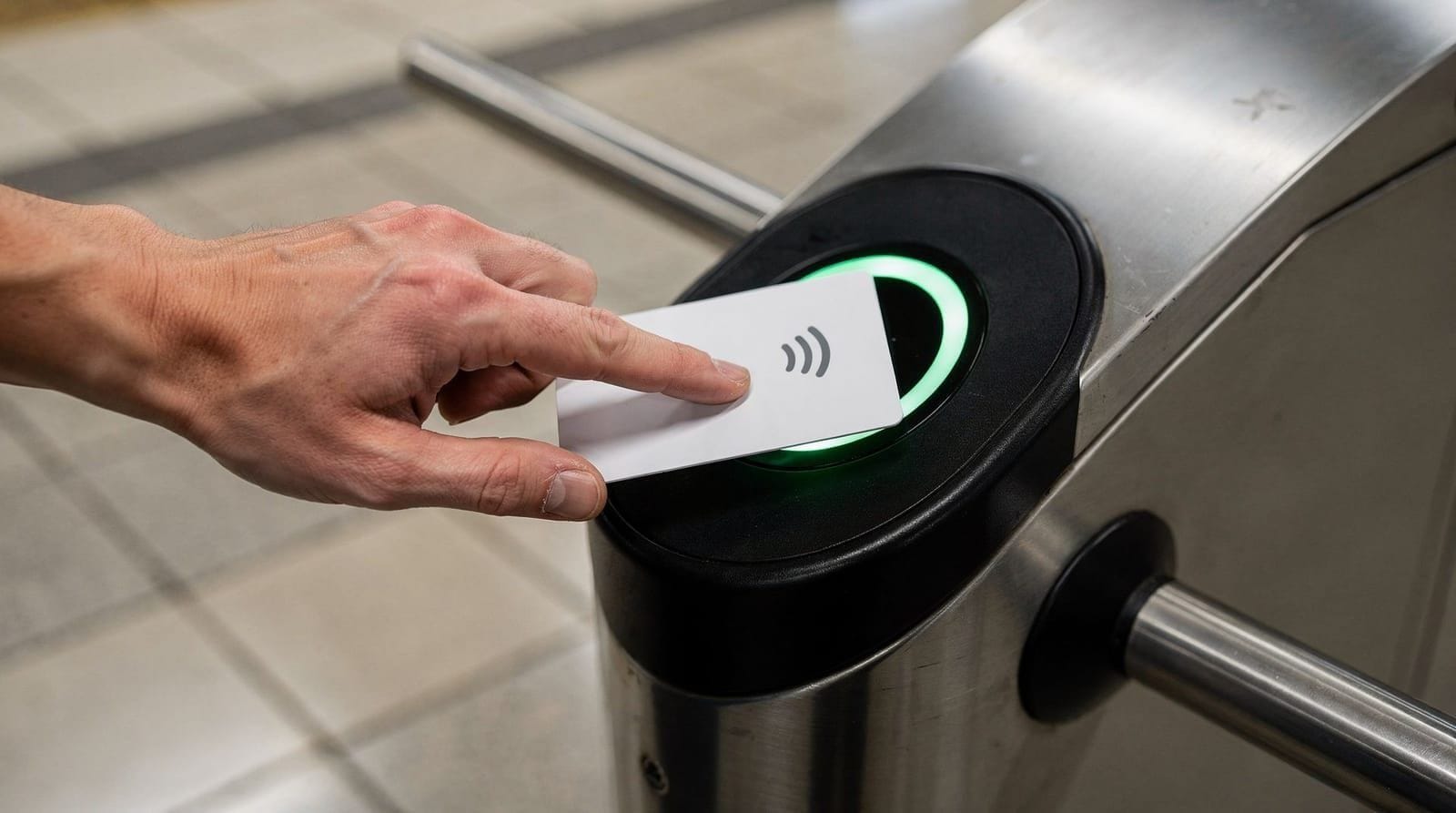
Transport for 3 days: The Zone A Tourist Travel Pass for 3 days (€23.10 for adults) covers unlimited city transport, and no airport supplement is payable with it. The Zone T version (€35.00) is only worth it if you also plan Cercanías trips around the region. If you will make just a handful of journeys, a Multi 10 card (€7.30 for 10 trips, about €0.73 each; the €3 airport supplement still applies) is far cheaper. The AVE to Toledo or Segovia requires a separate Renfe ticket (~€11–€16 each way) — the Tourist Pass does not cover AVE.
Booking the AVE ahead: Renfe tickets for Toledo and Segovia can sell out on weekend departures in peak season (spring and early autumn), particularly the early-morning slots that maximise your day-trip time. Book online a few days ahead rather than assuming you can buy at the station that morning — walking up with no ticket on a Saturday in May is a common way to lose a planned day trip entirely.
Four to five days: depth and day trips
Four to five days opens Madrid fully. Possible additions beyond the 3-day base:
Fourth day options:
- Second day trip: if Day 3 was Toledo, Day 4 can be Segovia. Or El Escorial (Cercanías C-8, ~1 hour, covered by the Zone T Tourist Pass) — less famous than Toledo/Segovia but architecturally extraordinary.
- Football: Santiago Bernabéu stadium tour (2 hours) + match if season/timing align. The Bernabéu stadium tour guide covers logistics.
- Deep neighbourhood day: Chamberí (Madrid’s most authentic residential barrio), or Lavapiés (multicultural, street art, artist studios), or Salamanca district (upmarket shopping and excellent restaurants).
Fifth day options:
- El Rastro Sunday flea market (if timing works — Sunday only, morning until ~15:00 in La Latina/Lavapiés)
- Sorolla Museum (Joaquín Sorolla’s original house-museum is closed for renovation; the new free building on calle Zurbano is open Tuesday to Saturday 9:30 am–8 pm and Sunday and holidays 10 am–3 pm, closed Monday — check the museum’s official website for the house; less crowded than the Golden Triangle)
- Casa de Campo and Madrid Río (the large western park and riverside promenade — good with children)
If you like the idea of covering ground without tiring your legs, a guided cycling tour of the Madrid highlights is a good way to fill a lighter half-day. The Madrid by bike guide explains what to expect, and the El Escorial guide helps if you choose that for your fourth day.
Five days turns Madrid from a city you’ve visited into a city you’ve begun to know — enough time that by the last day, you’ll likely find yourself skipping the guidebook entirely and returning to a bar or square that simply felt right the first time.
Seven days: the full immersion
A week in Madrid allows the full picture:
- All three Golden Triangle museums properly
- Royal Palace, Almudena, Plaza Mayor circuit
- Three or four day trips (Toledo, Segovia, El Escorial, Aranjuez)
- Multiple neighbourhood days (La Latina, Malasaña, Chueca, Chamberí, Lavapiés separately)
- A cooking class or food market tour
- Bernabéu tour or a Real Madrid match
- A concert at the Teatro Real or a flamenco show
See Madrid week with day trips itinerary for a structured 7-day plan.
At this length, it’s worth deliberately building in at least one unplanned day — no museums, no booked activities, just wandering wherever the previous days’ walks made you curious. A week-long trip with every day scheduled tends to feel more exhausting than a shorter, tighter trip, precisely because the appeal of extra time is the freedom to follow spontaneous interest rather than cram in more sights.
Practical planning by trip length
| Duration | Museums | Neighbourhoods | Day trips | Overall feel |
|---|---|---|---|---|
| 1 day | 1 | 1 (briefly) | 0 | Quick overview |
| 2 days | 2 | 2 | 0 | Focused highlights |
| 3 days | 2–3 | 2–3 | 1 | Satisfying first visit |
| 4–5 days | 3 | 4+ | 2 | Genuine discovery |
| 7 days | 4+ | Full circuit | 3–4 | Feels like a resident |
What to cut if you’re short on time
Cut: The Thyssen (it’s the least essential of the three if you must choose). The teleférico (cable car to Casa de Campo — closed for a full refurbishment, reopening expected in the first quarter of 2027 according to EMT Madrid; check before planning, and walk or take metro line 10 to Casa de Campo instead). Parque Warner Madrid (theme park — only essential for families with children).
Never cut: At least one museum properly. At least one authentic tapas experience (not in Plaza Mayor). A walk through a real neighbourhood. At least one late dinner. And, if you’re there 3+ days: the Toledo day trip.
A note on arrival-day planning: Whatever your total trip length, don’t count your arrival day as a full sightseeing day if you’re landing after a long-haul flight. Jet lag genuinely degrades the museum experience — the Prado in particular rewards fresh attention. A lighter arrival-day plan (check-in, a neighbourhood walk, an early dinner) sets up the following days to actually deliver on the itinerary above, rather than starting the trip exhausted and pushing everything back by half a day anyway.
What a well-paced Madrid day actually looks like
Most first-time visitors either over-plan (cramming 8 attractions into a single day and exhausting themselves) or under-plan (arriving without a plan and spending 2 hours deciding what to do). This is what a well-paced Madrid day looks like in practice:
Morning (09:00–13:00): One anchor activity: either a museum visit (Prado, Reina Sofía, or Royal Palace — one per day, properly) or a neighbourhood walk. Not both. Not “the Prado plus the Thyssen plus the Royal Palace in one morning” — that is a sprint through the highlights that leaves no impression of any of them.
Midday (13:00–16:00): Lunch, Madrid style. A menú del día (three courses with drink) at 14:00, spending an hour over it. This is not a “waste” of sightseeing time — it is the authentic Madrid experience. Cafés in the museums and tourist-zone restaurants that serve at 12:30 are for people who haven’t accepted that Madrid eats at 14:00.
Afternoon (16:00–20:00): The walking time. Neighbourhoods, parks, markets, churches — the content that photographs well and costs nothing. Retiro Park, the route from La Latina down Cava Baja, the Gran Vía window-shopping stretch, Malasaña’s backstreets, the Templo de Debod pre-sunset.
Evening (20:00–00:00+): Madrid’s most distinctive time. Aperitivo (vermut or caña) from 20:00. Dinner from 21:30. A bar or two afterward. This is not optional for understanding what Madrid is — the city’s character lives in these hours.
Visitors who eat dinner at 19:30 and are in bed by 22:00 are not experiencing Madrid. They’re experiencing a time-zone-adjusted version of a city that runs on different clocks.
How to pace museums without exhaustion
The Prado has 120+ gallery rooms and 8,000 works on display. Trying to see “all of it” in a single visit is a category error — it’s a building-sized library, not a checklist.
The right approach: Choose one major collection focus and one personal interest.
- Velázquez + Goya (the two essential Spanish masters): 3–4 rooms each, 90 minutes total, deeply satisfying
- Bosch’s Garden of Earthly Delights alone: 30 minutes of serious looking, genuinely life-altering
- The Flemish masters (Rubens, van Dyck): one floor, 90 minutes
Then leave. Come back during the free evening hours to look at the thing you didn’t get to. The best Prado visit is a focused 2-hour visit, not an exhausted 5-hour marathon.
The same applies to the Reina Sofía: Guernica deserves 30 minutes of proper attention. The surrounding room’s context for the Spanish Civil War adds another 30 minutes. The rest is a bonus.
The authentic neighbourhood walks: what to include by day count
On 2 days: La Latina + Malasaña. These two neighbourhoods represent the oldest (La Latina) and most current (Malasaña) versions of Madrid street life. La Latina for the tapas bars and medieval street plan; Malasaña for the independent culture and nightlife energy.
Adding a third neighbourhood (3+ days): Chueca. Madrid’s LGBTQ+ epicentre is also one of the city’s best neighbourhoods for food, bars, and people-watching. The streets around Plaza de Chueca are a grid of excellent small restaurants and terraces.
Adding a fourth (4+ days): Chamberí. The most authentically residential neighbourhood close to the centre — what Madrid actually looks like when it’s not performing for tourists. The Alonso Martínez/Bilbao area has excellent restaurants, neighbourhood bars, and Madrid’s best vermouth scene.
The literary quarter (Barrio de las Letras/Huertas): Fits well as an afternoon walk on any day. The streets where Cervantes, Lope de Vega, and Quevedo lived and worked in the 17th century, now home to good restaurants and literary bars. 2–3 hours.
Each of these has its own detailed guide: La Latina, Malasaña, Chueca and the Barrio de las Letras. If you are building a longer stay, the Madrid week with day trips itinerary and the three-day itinerary show how these pieces fit together day by day.
Seasonal time adjustments
Summer (July–August): Museums become more valuable (air-conditioned), outdoor exploration shifts to early morning (before 11:00) and evening (after 19:00). Budget a siesta hour between 14:00 and 17:00. Many Madrileños leave in August; some small restaurants close; the city is quieter but tourism peaks. See best time to visit Madrid for the full seasonal picture.
Winter (November–February): The Golden Triangle museums are at their least crowded. Daylight is shorter (sunset around 18:30 in December), which compresses outdoor activities. The Prado and Royal Palace free hours become more accessible without summer queues. Budget hotels can be 30–40% cheaper than peak.
Matching trip length to travel style
Beyond the raw day count, the right length depends on your travel style as much as your interest list. Fast-paced sightseers who are comfortable covering a lot of ground can genuinely do a satisfying 2-day trip by following the itinerary above closely — the risk for this traveller type is over-scheduling within those two days, not under-scheduling.
Slow travellers who prefer lingering over a coffee and wandering without an agenda will find 3 days feels rushed and should lean toward 4–5 if the budget allows — the neighbourhood exploration this guide recommends works best without a countdown clock.
First-time Spain visitors combining Madrid with other cities (Barcelona, Seville, or a broader Spain itinerary) should protect at least 3 full days for Madrid specifically rather than treating it as a one- or two-night stopover; the city’s spread and the day-trip options genuinely reward a dedicated stay rather than a rushed transit stop.
Frequently asked questions about How many days do you need in Madrid? An honest itinerary guide
Is 2 days enough for Madrid?
Two days works if you prioritise ruthlessly. Day 1: one major museum (Prado or Reina Sofía), Royal Palace, lunch in La Latina, afternoon in Sol/Gran Vía, late dinner. Day 2: second museum, Retiro park, neighbourhood walk, evening in Malasaña or Chueca. You won't cover everything, but you'll have experienced the essential Madrid. If your main goal is art, two days plus free museum hours is enough.What can you do in Madrid in 3 days?
The ideal 3-day itinerary: Day 1: Prado + Retiro (afternoon) + La Latina evening. Day 2: Royal Palace + Plaza Mayor + Sol + Gran Vía + Malasaña. Day 3: day trip to Toledo (33 min by AVE) or Segovia (27 min). Three days allows one major museum per day without rushing, plus the day-trip that most visitors consider the highlight of their trip.Is 4 or 5 days in Madrid worth it?
Yes, particularly if you want day trips and deeper neighbourhood exploration. Day 4 can be a second day trip (Segovia or El Escorial if you did Toledo on Day 3), or a deeper dive into Chamberí, Barrio Letras, or Chueca. Day 5 adds a football stadium tour (Bernabéu), the Thyssen, or a proper food afternoon at Mercado de San Miguel and La Latina tapas bars.What do most first-time visitors miss in Madrid?
The neighbourhoods. Most first-timers do the Golden Triangle museums and the Royal Palace but skip the street-level life of Malasaña, Lavapiés, Chamberí, and Barrio Letras — the places where Madrid's character actually lives. Also missed: the free museum hours (Prado free Mon–Sat 18–20h), the late Sunday El Rastro market, and the Templo de Debod at sunset.When is the best time of year for a 3-day Madrid visit?
April–May and September–October: comfortable temperatures (18–25°C), full cultural programming, parks at their best, festivals (San Isidro in May). July–August is viable but the 35–38°C heat means museum-heavy mornings and late evenings — outdoor exploration from 12–17h becomes uncomfortable. Winter (November–February) is the cheapest season with good museum availability and cold but manageable weather.