El Escorial
El Escorial, Philip II's vast monastery-palace outside Madrid. Real travel times, ticket prices, what to see, and how to pair it with the Valley.
El Escorial: Escorial Valley Fast Track Entry
Quick facts
- Distance from Madrid
- ~50 km northwest
- By Cercanías train
- ~1 hour from Atocha or Chamartín (C-8)
- UNESCO status
- Real Sitio de San Lorenzo de El Escorial (1984)
- Built
- 1563–1584, under Philip II and Juan de Herrera
- Monastery ticket
- €14 (monastery + pantheons + library)
- Closed
- Mondays
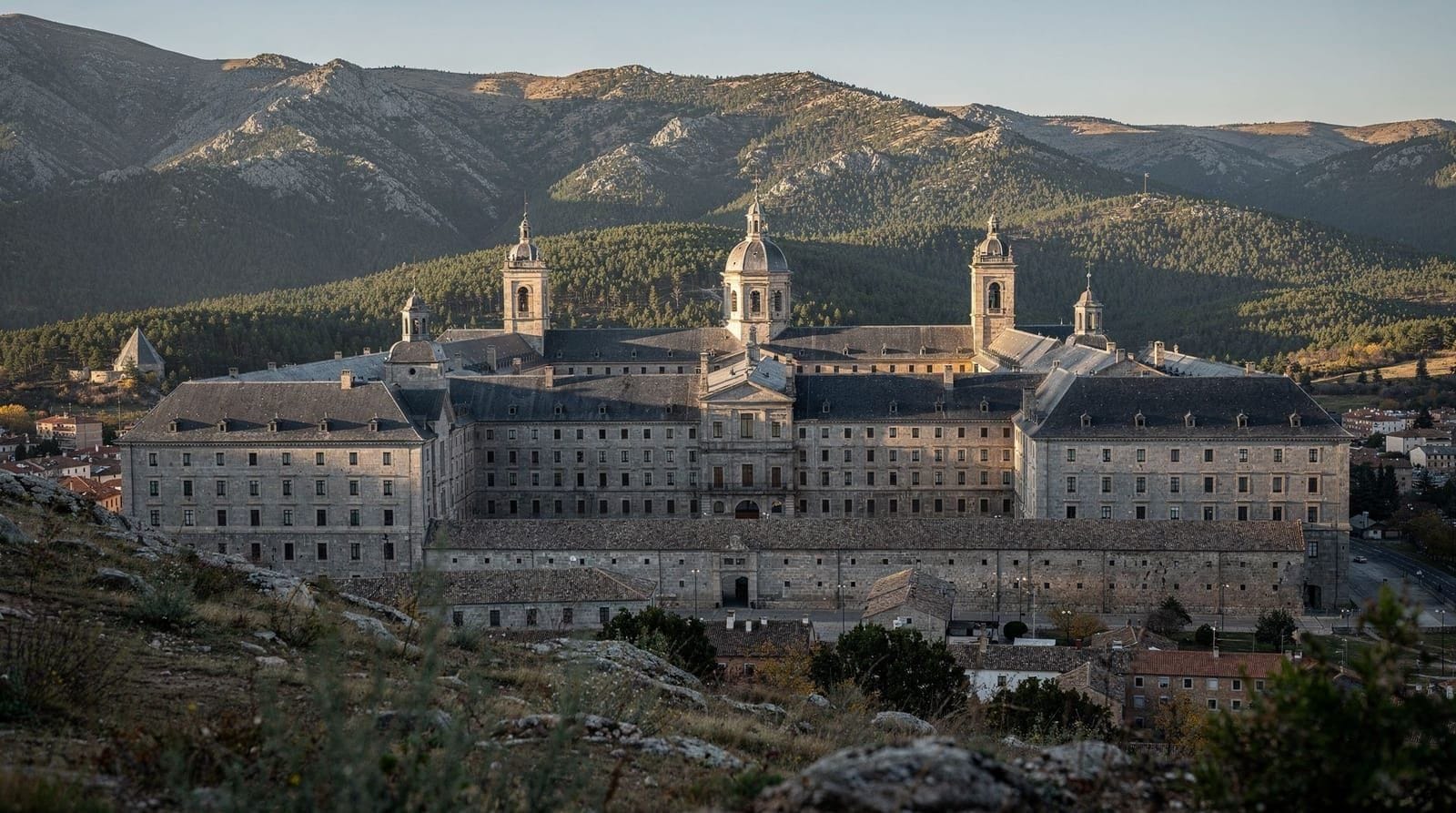
El Escorial is the most ambitious building project of 16th-century Europe — and one of the most deliberately austere. Philip II of Spain (1527–1598), the most powerful monarch in the world for much of his reign, chose to build not a pleasure palace but a monastery-mausoleum-palace complex that would serve simultaneously as the burial place of the Spanish royal family, the seat of government, a Hieronymite monastery, and a theological library. The result — a granite cube 208 metres long and 162 metres wide, sitting against the Sierra de Guadarrama at an altitude of 1,028 metres — is unlike any other royal residence in Europe.
UNESCO recognised El Escorial and its surrounding landscape as a World Heritage Site in 1984. It is about an hour from Madrid by Cercanías train and is one of the most worthwhile day trips from the city, particularly for visitors interested in the Habsburg period of European history and the architecture of political and religious ideology.
| Where | Sierra de Guadarrama, ~50 km northwest of Madrid |
| Cost | Cercanías fare: see Renfe; €14 monastery ticket |
| Time needed | Half day for the monastery; full day with Valle de los Caídos |
| Getting there | Cercanías C-8 from Atocha or Chamartín, ~1 hour |
| Best time | April–June or September–October; closed Mondays |
Philip II and the building of El Escorial
Understanding El Escorial requires some understanding of Philip II, because the building is essentially a self-portrait in stone.
Philip II came to power in 1556, inheriting from his father Charles V (Holy Roman Emperor) an empire that stretched from Spain and its American colonies through Italy, the Low Countries, parts of Germany, and (after the Portuguese union of 1580) the entire Portuguese empire. He was the most powerful monarch in the world and spent much of his reign defending and expanding that inheritance against France, the Ottoman Empire, Protestant Europe, and the English. The attempted invasion of England — the Armada of 1588 — was the most famous military failure of his reign.
Philip was also deeply, ascetically Catholic. He governed his vast empire largely from the spartan rooms he occupied at El Escorial, where he worked from correspondence that arrived from every corner of the world and where he eventually died in 1598, in a room with a window directly overlooking the basilica high altar so that he could hear mass from his deathbed.
The choice of El Escorial’s location — high in the sierra, cold, away from the comfortable lowland palaces — was deliberate. The architecture — slate-roofed, granite, austere, designed by Juan de Herrera in the Herreran style that became the Habsburg aesthetic — expressed a specific view of royal and religious life. No ornament that was not functional. No pleasure that was not earned. The building is a statement about what Philip thought a king should be.
This context transforms the visit: what looks merely severe becomes comprehensible, and what seems cold becomes impressive in a different way.
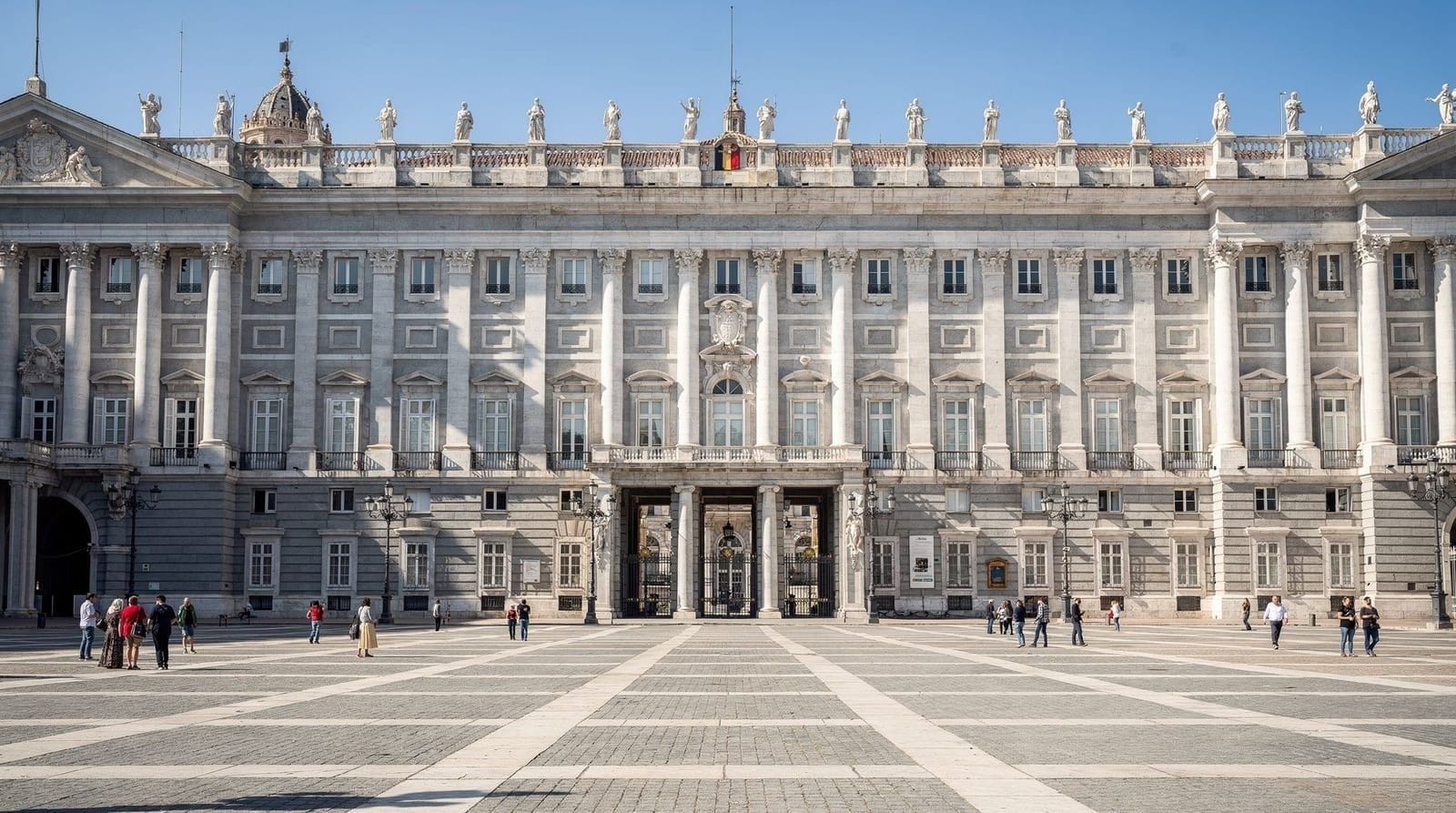
If the Habsburg story is new to you, the Habsburg and Bourbon history guide sets out how the two dynasties shaped Madrid and its royal sites, and it makes a useful read the evening before you go. Back in the capital, the Royal Palace guide shows the Bourbon answer to Habsburg austerity, so the two buildings are well worth seeing as a pair.
What the complex contains
The Real Sitio de San Lorenzo de El Escorial encompasses several distinct components, all part of the standard visit:
The Monastery (Monasterio Real): the original purpose of the building. A Hieronymite monastery (later transferred to Augustinian friars) has been in continuous operation since 1563. Today a small community of Augustinian monks still resides in part of the complex; monastic life continues alongside the tourist visits, with separate access areas.
The Royal Pantheons (Panteones Reales): the burial site of virtually all Spanish monarchs from Charles I (Charles V, Holy Roman Emperor) onward. Two separate pantheons:
The Pantheon of Kings (Panteón de Reyes): a circular octagonal chamber directly below the basilica high altar — the most solemn space in the complex. Dark grey marble from Italy (the marble was selected specifically for its gravitas), 26 royal sarcophagi arranged on four tiers. The sarcophagi contain the remains of nearly every Spanish monarch from Charles I through Alfonso XIII, with some exceptions (Philip V and Ferdinand VI, who are buried elsewhere). This is one of the most concentrated assemblies of royal power in any space in the world, and the architecture communicates that directly.
The Pantheon of the Infantes (Panteón de los Infantes): a separate and larger space housing princes who did not become monarchs, royal consorts, and children. Less overtly solemn than the kings’ pantheon but historically interesting — the child coffins and the elaborate Baroque decoration are different in character.
The Royal Library (Biblioteca Real): one of the highlights that visitors sometimes miss. Philip II assembled one of the largest libraries in 16th-century Europe — approximately 40,000 volumes and 4,700 manuscripts, representing the entire available corpus of human knowledge as understood in 1565. The ceiling fresco by Pellegrino Tibaldi depicts the seven Liberal Arts (Grammar, Rhetoric, Logic, Arithmetic, Music, Geometry, Astronomy) in allegorical form — one of the most accomplished ceiling fresco programmes north of Italy in the 16th century.
The cases contain: illuminated manuscripts including several produced for the royal collection, Arabic manuscripts from the period when Escorial also functioned as a repository of captured Islamic learning, early printed books, and the personal papers of Philip II.
The Basilica: the main church, completed in 1586, dominated by the high altar. The high altar retablo (altarpiece) is one of the largest in Spain. Directly below the altar is the entrance to the Pantheon of Kings, completing the symbolic structure of the building: the king’s body rests below the altar, the mass is celebrated above, and the royal apartments are adjacent — politics, religion, and death fused in a single architectural statement.
The Royal Apartments (Palacio de los Austrias): the rooms used by Philip II and his successors. Philip’s own rooms are famously simple — a bedroom barely larger than a monk’s cell, a study with the window overlooking the basilica, the deathbed from which he heard his last masses. The contrast with Versailles (which Louis XIV was building 60 years later as a deliberate rejection of this Escorial model) is instructive: the two buildings represent opposite theories of royal power.
The later Palacio de los Borbones (Bourbon Apartments): when the Bourbon dynasty replaced the Habsburgs in 1700, they found the austere Habsburg rooms inadequate. Charles IV commissioned more comfortable apartments in the 18th century — tapestries after Goya’s cartoons, more decorated rooms, a different aesthetic entirely. These are included in some ticket combinations.
El Escorial guided tour: monastery, library, and royal pantheons with commentaryGetting to El Escorial
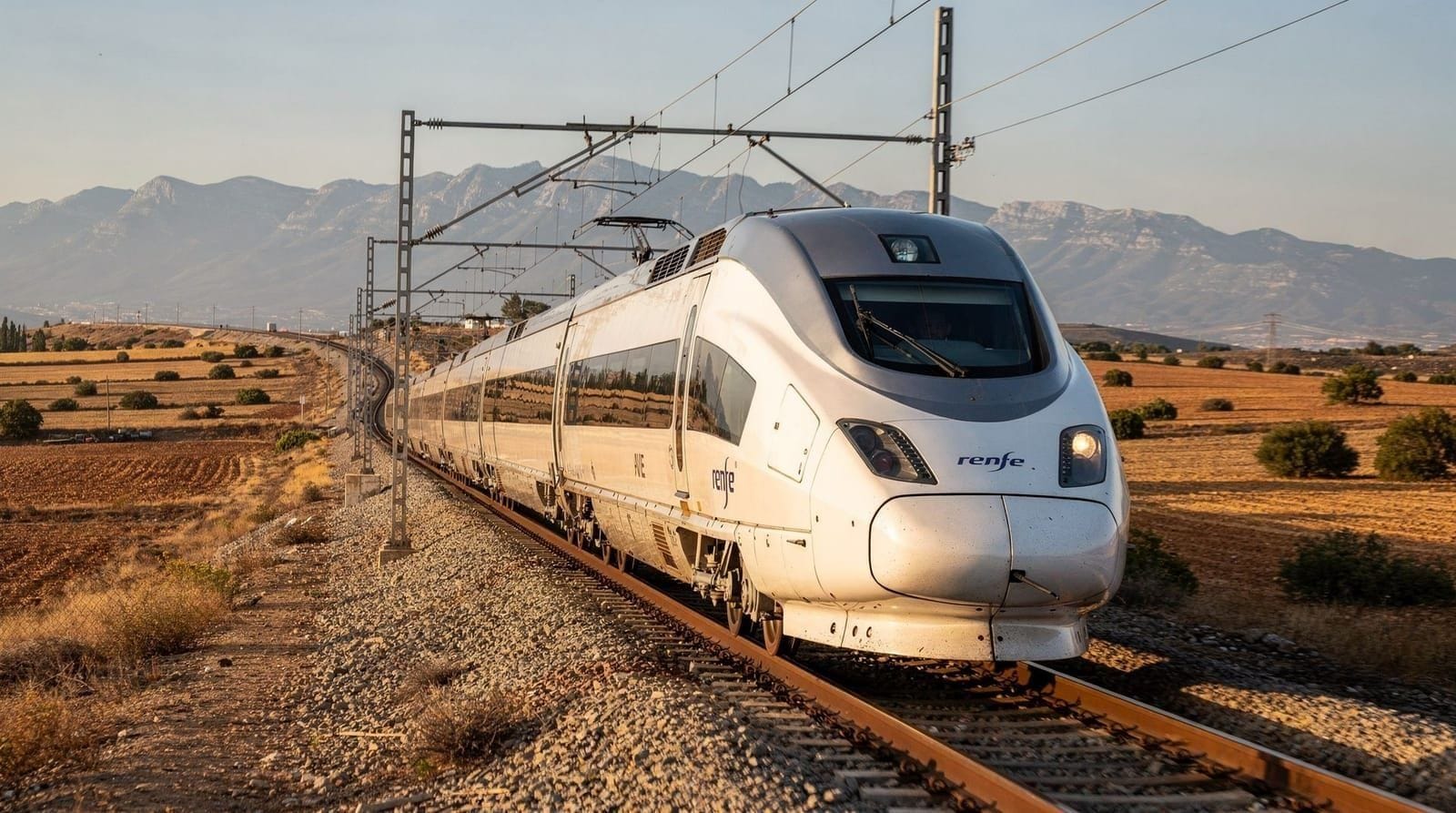
By Cercanías train: the most practical independent option. Line C-8 connects Atocha and Chamartín to El Escorial town in approximately 1 hour; several trains run throughout the day. Return trains operate regularly until mid-evening. Cost: see the Renfe website for current fares.
The train station is in El Escorial town (San Lorenzo de El Escorial), about 2.5 km from the monastery complex. From the station, options are: a local bus (Line 661), a taxi (~€6–€8), or walking (30–35 minutes uphill through pleasant streets and woodland).
By bus from Madrid: direct bus service to El Escorial town, approximately 1 hour journey. This is useful if you are combining with Valle de los Caídos on an organised tour.
By organised tour from Madrid: several operators offer half-day or full-day guided tours from central Madrid that include transport to El Escorial and, optionally, to Valle de los Caídos. The organised tour is particularly valuable at El Escorial because the building’s complexity and symbolism are significantly more comprehensible with a knowledgeable guide, and it removes the logistics of coordinating trains, buses, and timing for visitors on a tighter schedule.
El Escorial and Valle de los Caídos fast-track entry from MadridIf you are still weighing the options, the El Escorial from Madrid guide lays out the transport choices side by side, and the Cercanías guide explains how to read the suburban train network, buy a ticket and validate it. For a wider comparison of rail-based excursions, see the day trips by train guide. Travellers without a car will also find the day trips without a car guide useful for planning the return leg.
Visiting the monastery: practical information
Tickets: the standard ticket (€14; €7 reduced) covers the monastery, basilica, royal pantheons and library. Buy online to avoid the queue, which can be slow on peak days. The monastery is closed on Mondays.
Opening hours: 10:00–19:00 (summer, approximately April–September), 10:00–18:00 (winter). Last entry 1 hour 15 minutes before closing. Verify current hours before visiting, as they shift around public holidays and occasional special events at the monastery.
Time needed: 2 hours for the standard route covering the essential spaces. Add 30–45 minutes if you spend proper time with the library ceiling fresco and the panteon royal rooms. Add a further 30 minutes to walk the gardens and the Jardines del Fraile (the monastery gardens on the south side). Photography is not permitted inside the pantheons or the basilica interior; the library and the gardens generally allow photos without flash.
Audio guide vs guided tour: the audio guide is adequate for an independent visit. A guided tour adds significant value specifically at El Escorial — the symbolism of the spatial relationships (why the pantheons are directly below the altar, why Philip’s rooms are adjacent to the basilica, why the library is at the main entrance) requires context that the audio guide provides in less depth.
The gardens and grounds
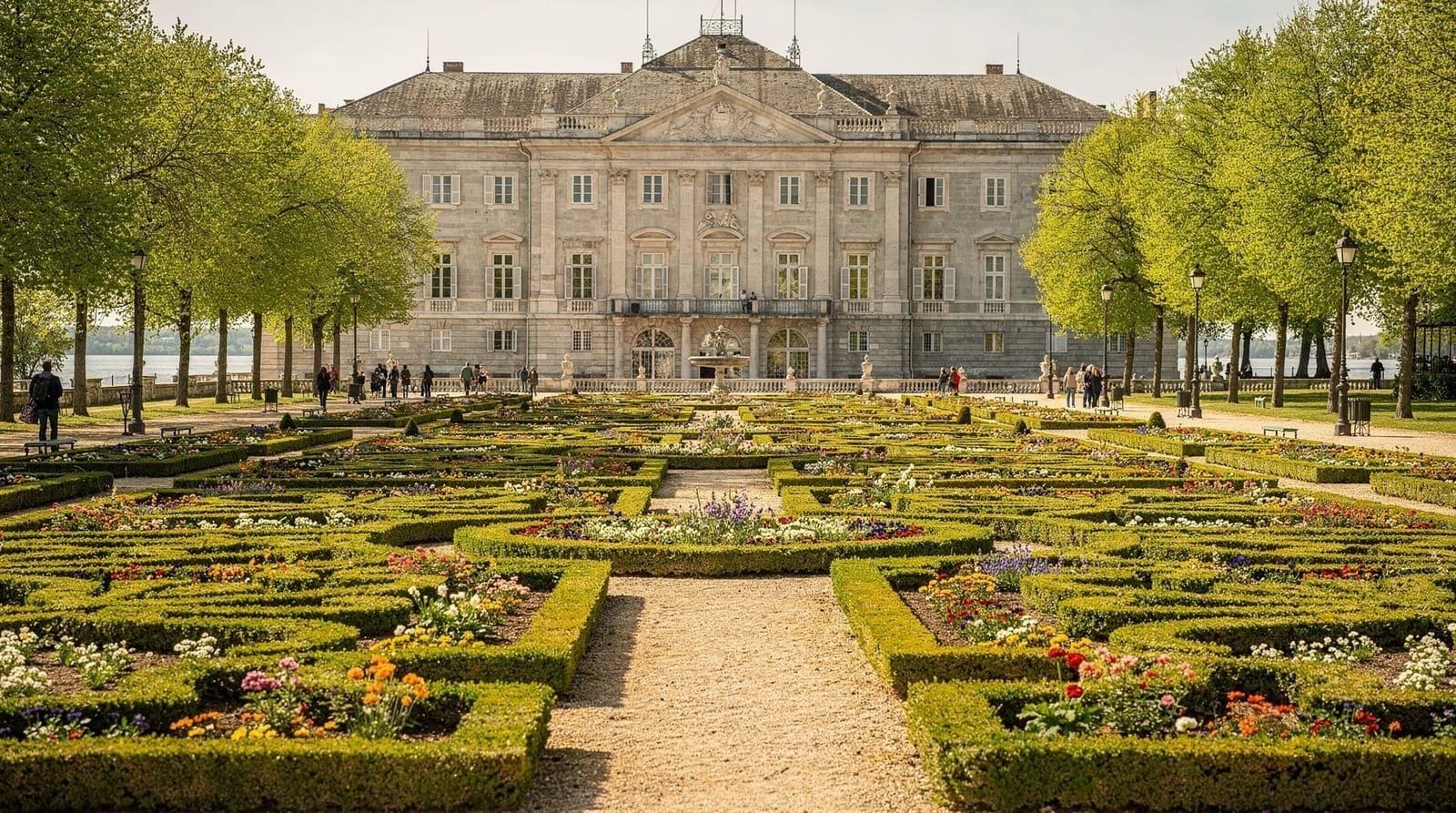
The monastery complex sits in a landscape that Philip II designed as deliberately — the formal gardens on the south side of the building (Jardines del Fraile) offer the best exterior view of the complex and are free to walk. From here the full scale of the building becomes apparent: the grey granite face, the slate spire towers at the corners, the horizontal austerity that was the architectural expression of Philip II’s ideology.
The gardens themselves are modest by royal standards — not the elaborate Baroque showpieces of Aranjuez or Versailles but a functional Herreran garden. They were designed to be contemplated rather than used for pleasure. The grounds contain several cedars and other specimen trees of considerable age.
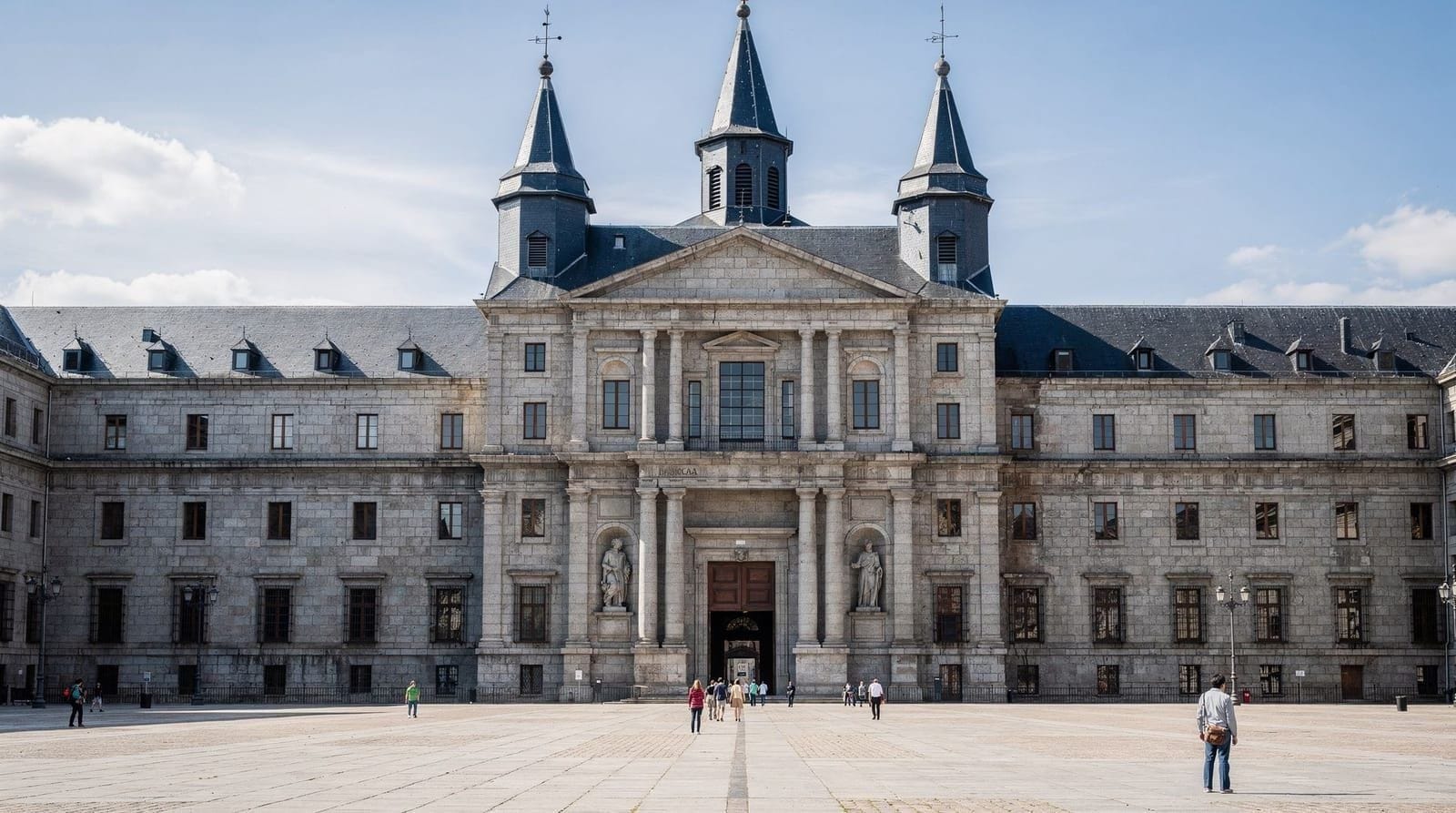
The view of the complex from the Lonja (the large granite esplanade on the north side of the building) is the standard exterior photograph — the full western facade, the Basilica towers, and the main entrance.
After Philip II: how later monarchs used El Escorial
El Escorial’s role did not end with Philip II’s death in 1598. His successors continued to be buried in the Pantheon of Kings, maintaining the building’s function as the dynastic mausoleum for over four centuries — a continuity almost unmatched among European royal burial sites. Philip IV added significant artworks in the 17th century; Charles III, in the 18th century, commissioned improvements to the surrounding town and grounds as part of his broader programme of Enlightenment-era public works across Spain.
The most visible change came with the Bourbon dynasty, who found Habsburg austerity uncongenial and built the more comfortable Palacio de los Borbones apartments (see above) rather than significantly altering Philip’s original rooms, which were largely preserved as a kind of historical relic even within his own successors’ lifetimes. During the Napoleonic occupation (1808–1813), the complex was looted and damaged, though the core structure survived intact — a testament to Herrera’s original construction. The 19th century saw the monastery pass in and out of favour with different governments, including a period of secularisation during the 1830s Ecclesiastical Confiscation that affected religious institutions across Spain, before Augustinian monks returned in 1885 and have maintained a continuous presence since.
What to do in the surrounding area
Beyond the monastery, the sierra landscape around El Escorial is used extensively by Madrileños for weekend walking and cycling. The summit of Abantos (1753 m) is visible from the monastery grounds and reachable by a marked trail from the town in approximately 2–3 hours. The views from the summit over the meseta toward Madrid and over the sierra toward Segovia are extensive.
The lower paths through the Valle de la Herrería (the forest valley immediately below the monastery) are well-marked and accessible to all fitness levels. A 90-minute circuit from the monastery grounds through the valley and back is possible within a standard day trip. The valley has been a protected natural space for centuries (it supplied the monastery with water and timber) and retains a quiet, atmospheric quality.
For cyclists, the routes in the sierra around El Escorial are among the best accessible from Madrid — the classic climb to Puerto de la Cruz Verde and the routes toward Robledo de Chavela are used regularly by Madrid cyclists as training terrain.
The Silla de Felipe II (“Philip II’s Chair”), a rock formation about 3 km from the monastery, is a genuine local curiosity: a natural granite outcrop carved with steps and a seat, from which legend holds the king watched the basilica’s construction progress. Whether or not Philip actually used it this way, the viewpoint gives one of the best framed photographs of the monastery against the sierra backdrop, and the short walk from the town (about 45 minutes each way) is a pleasant, uncrowded add-on for visitors with a little extra time.
The town of El Escorial
The town of San Lorenzo de El Escorial has some practical virtues for the day visitor:
Restaurants: several on the main square (Plaza de la Constitución) and Calle Floridablanca serve traditional Castilian dishes — cocido, roast lamb, grilled pork. Prices are 20–30% higher than Madrid equivalents (tourist markup is real here) but not extreme. Budget €15–€25 for a full lunch. Weekday lunches are noticeably calmer and better value than weekend service, when the town fills with Madrid day-trippers.
The upper town (El Escorial proper): a separate village 3 km from San Lorenzo de El Escorial, with a slightly less tourist-facing character and a regular local market. If you have time, the walk between the two towns through the woodland is pleasant.
Accommodation: most visitors treat El Escorial as a day trip, but staying overnight (mid-range doubles €70–€110) does allow an early-morning or evening walk through the Lonja and gardens without the day-trip crowds, and a genuinely cool sierra evening in summer when Madrid itself is still sweltering. This is worth considering for travellers combining El Escorial with a longer sierra stay rather than a single Madrid-based day.
The wider mountain setting is covered on the Sierra de Guadarrama destination page, which is the place to start if the walking and cycling described above appeal more than the monastery itself. A candid, opinionated take on the monastery is also available in the blog post El Escorial: underrated?.
Combining El Escorial with Valle de los Caídos
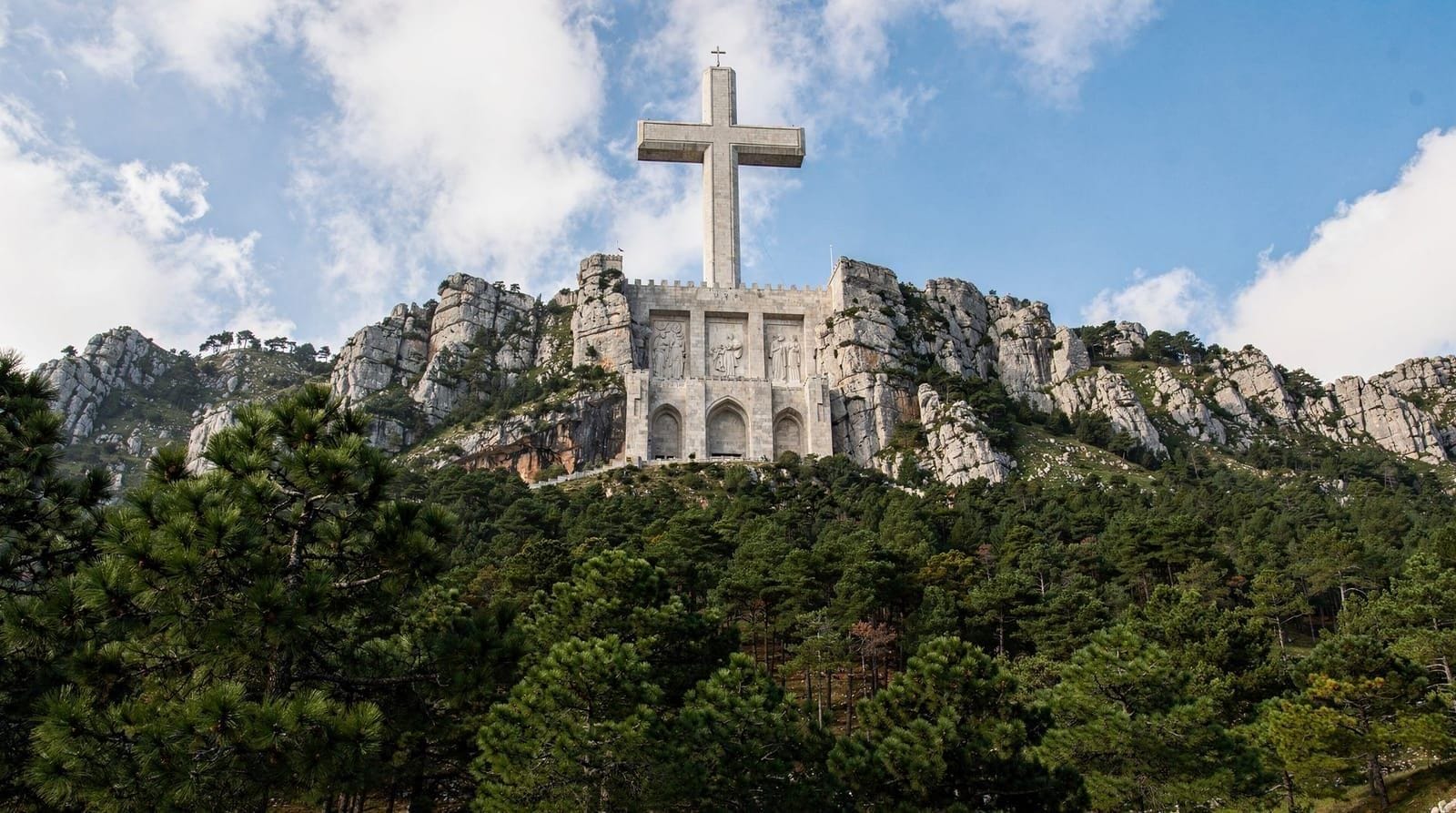
Valle de los Caídos (officially Valle de Cuelgamuros), the Francoist memorial complex 13 km north of El Escorial, is accessible only by private vehicle or organised tour — there is no direct public transport from El Escorial town. Most visitors who want to do both in a single day use an organised tour from Madrid that builds transport between both sites.
The Valle de los Caídos destination page covers the complex and its contested history in detail.
Half-day tour from Madrid: El Escorial and Valle de los Caídos combinedCombining El Escorial with Segovia
For a fuller picture of that neighbouring city, the Segovia from Madrid guide and the Madrid and Segovia itinerary show how it fits into a trip. If royal history is the thread of your whole stay, the Madrid royal sites itinerary strings El Escorial together with the other palaces and monuments.
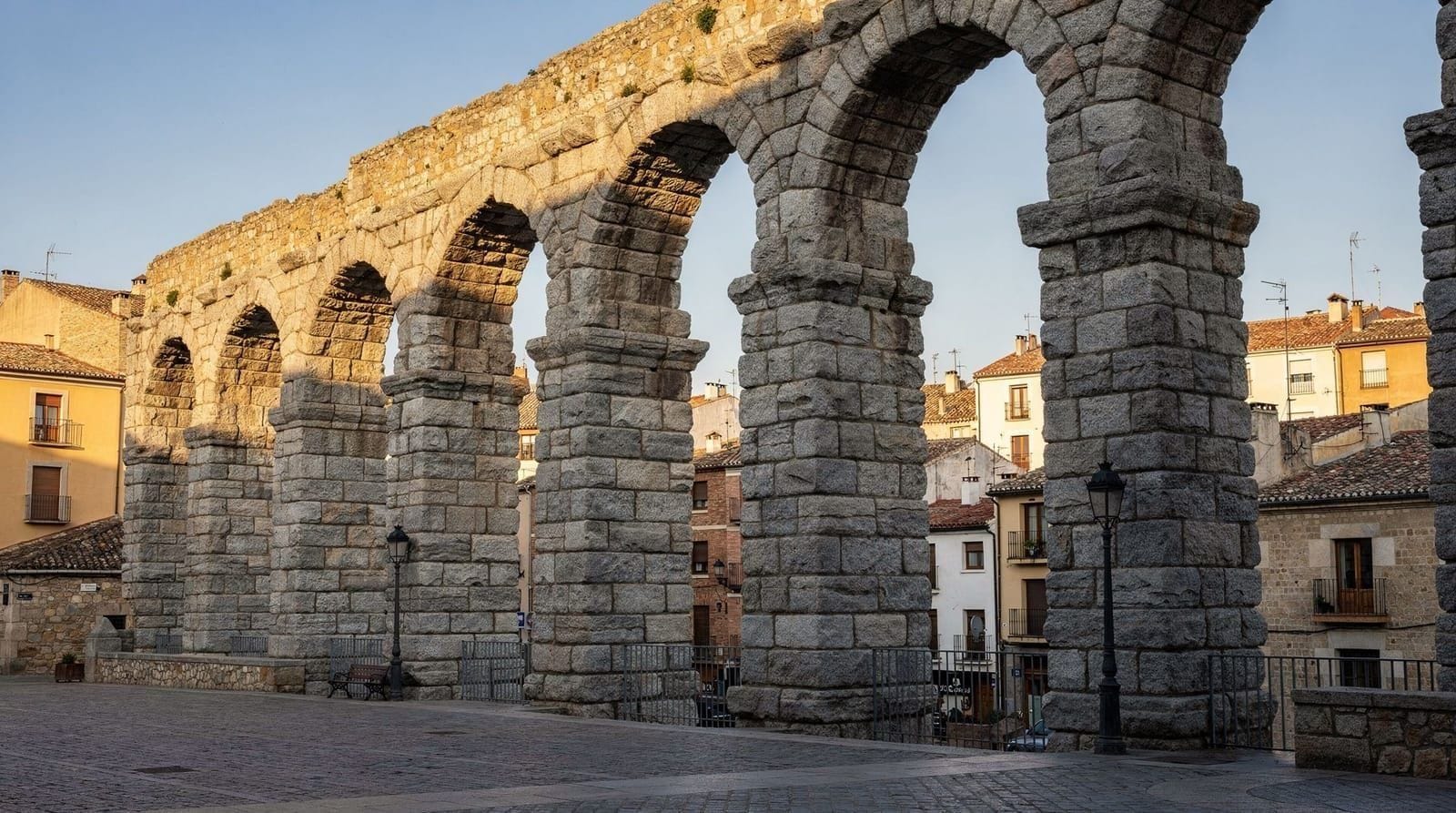
El Escorial is in the sierra foothills; Segovia is on the other side of the Guadarrama range, accessible by road (approximately 45 minutes by car or organised transport). The Escorial-Valley-Segovia combined day trip covers the logistics of combining these in a single long day, which is one of the most efficient ways to see the two great expression points of Spanish royal power in a single excursion.
Frequently asked questions about El Escorial
How long does it take to get from Madrid to El Escorial?
By Cercanías train: approximately 1 hour from Atocha or Chamartín (line C-8). The town is a 2.5 km walk or short bus ride from the monastery. Total door-to-door from Sol: about 1h15–1h30.
Is El Escorial open on Mondays?
No — the monastery is closed on Mondays. Open Tuesday–Sunday, 10:00–19:00 (summer), 10:00–18:00 (winter). Check current hours and dates before planning, as the schedule adjusts seasonally and for national holidays.
What is the difference between El Escorial and Valle de los Caídos?
They are entirely different in character. El Escorial is a 16th-century monastery-palace, a UNESCO World Heritage Site, one of the most significant buildings of the European Renaissance. Valle de los Caídos is a Francoist monument built by forced labour (1940–1959), the burial site of Francisco Franco until 2019, and deeply controversial. Both can be visited as part of a combined day trip from Madrid.
Is El Escorial worth the trip from Madrid?
For visitors with any interest in Habsburg history, European royal history, or significant architecture, yes — clearly. It is not a pleasure palace; it is a massive, austere statement of religious and imperial ideology, and the more you know about Philip II’s biography and the 16th-century context, the more extraordinary it becomes. The honest day trips guide compares El Escorial against the other Madrid day-trip options.
What is the best way to visit El Escorial without a car?
The Cercanías train is the most independent option. Guided tours from Madrid include transport and an English-speaking guide who can contextualise the complex symbolism — this genuinely helps at El Escorial more than at most destinations because the building’s meaning is not self-evident.
Top experiences
Bookable activities with verified prices and instant confirmation on GetYourGuide.