Flamenco shows in Madrid: what to expect and how to choose
Madrid: Emociones Live Flamenco
Is Madrid a good place to see flamenco, and how much does it cost?
Madrid has more concentrated professional flamenco than most cities in Andalusia, because the capital draws top performers from Seville, Jerez, and Granada. Quality is high but pricing is commercial — expect from about €35 for a show with a drink, and considerably more at the top tablaos. Budget alternatives exist: free peñas (fan clubs), the Corral de la Morería bar, and Centro Cultural Flamenco for lower-cost performances. Avoid tourist-trap shows at restaurants that advertise flamenco as an afterthought.
| Where | Tablaos across the historic centre and La Latina |
| Cost | From €35 (show with a drink, Torres Bermejas) to €95.90 for a show ticket at Corral de la Morería, dinner extra |
| Time needed | 60–90 min show-only, 2.5–3.5hrs dinner show |
| Booking | Advance recommended, especially weekends in peak season |
| Best for | First-timers wanting an authentic, professional-level show |
Why Madrid for flamenco
Flamenco is from Andalusia — Seville, Jerez de la Frontera, Cádiz, Granada. But Madrid is where the professional circuit runs most consistently, year-round, at the highest technical level. Since the 19th century, the capital has drawn the best Andalusian performers because that’s where the money, the stages, and the serious audiences are.
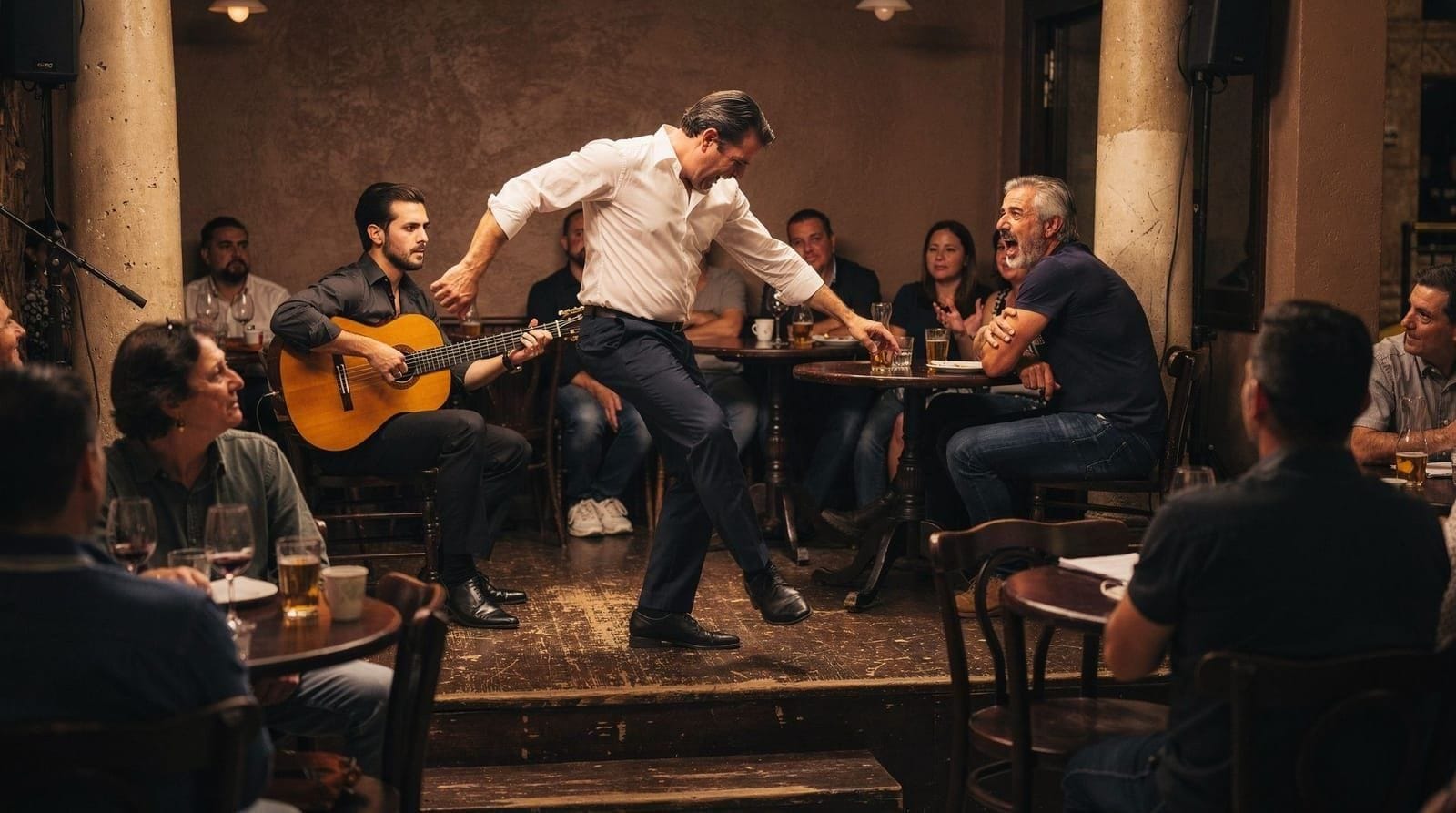
The trade-off is that Madrid’s flamenco is performed in purpose-built venues (tablaos) primarily for audiences that include tourists, business visitors, and cultural tourists alongside genuine aficionados. Some venues are excellent; others are cynical tourist operations with mediocre artists and overpriced drinks. This guide tells you how to tell the difference.
The basics: what you will see
A professional flamenco show consists of three types of performers working together:
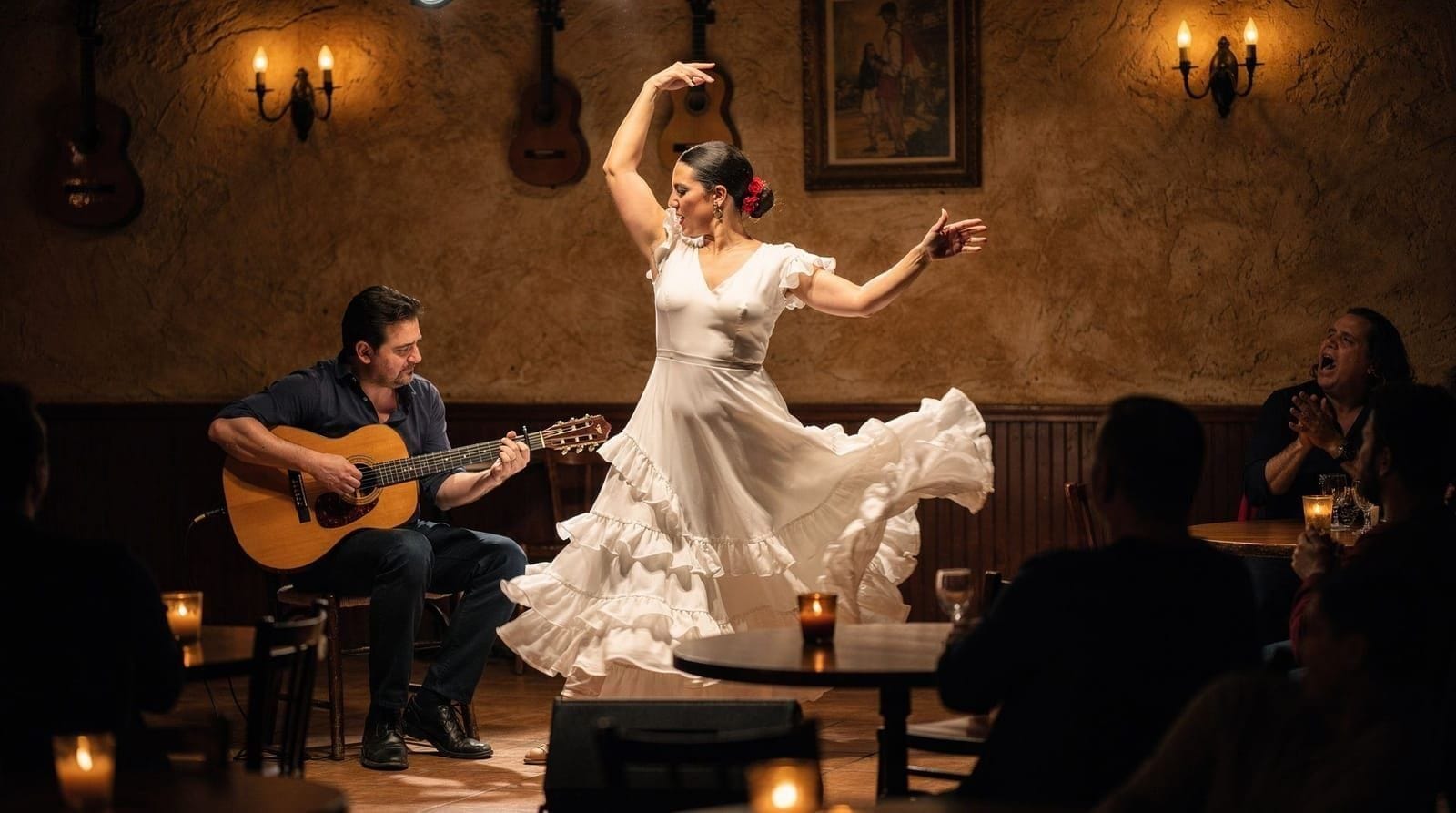
- The bailaora/bailaor (dancer) — the visual centre of the performance. Flamenco dance is percussive, grounded, and technically demanding — footwork patterns (zapateado) executed at high speed are central. Female performers typically wear bata de cola (long trained dresses); male dancers in black with short jackets.
- The cantaor/cantaora (singer) — arguably the most respected role in the art form among practitioners. Flamenco singing is raw, vocal and emotionally intense; it can sound harsh to first-time listeners but rewards attention.
- The guitarist (tocaor) — the harmonic and rhythmic foundation. Flamenco guitar technique is distinct from classical guitar — rasgueado (strumming across all strings), picado (rapid single-note runs), and specific chord forms.
At better tablaos, you also have palmas (rhythmic hand-clapping from other performers) and sometimes cajón (box drum). Shows typically run 60–90 minutes with multiple artists rotating.
Tablao by tablao: the Madrid options
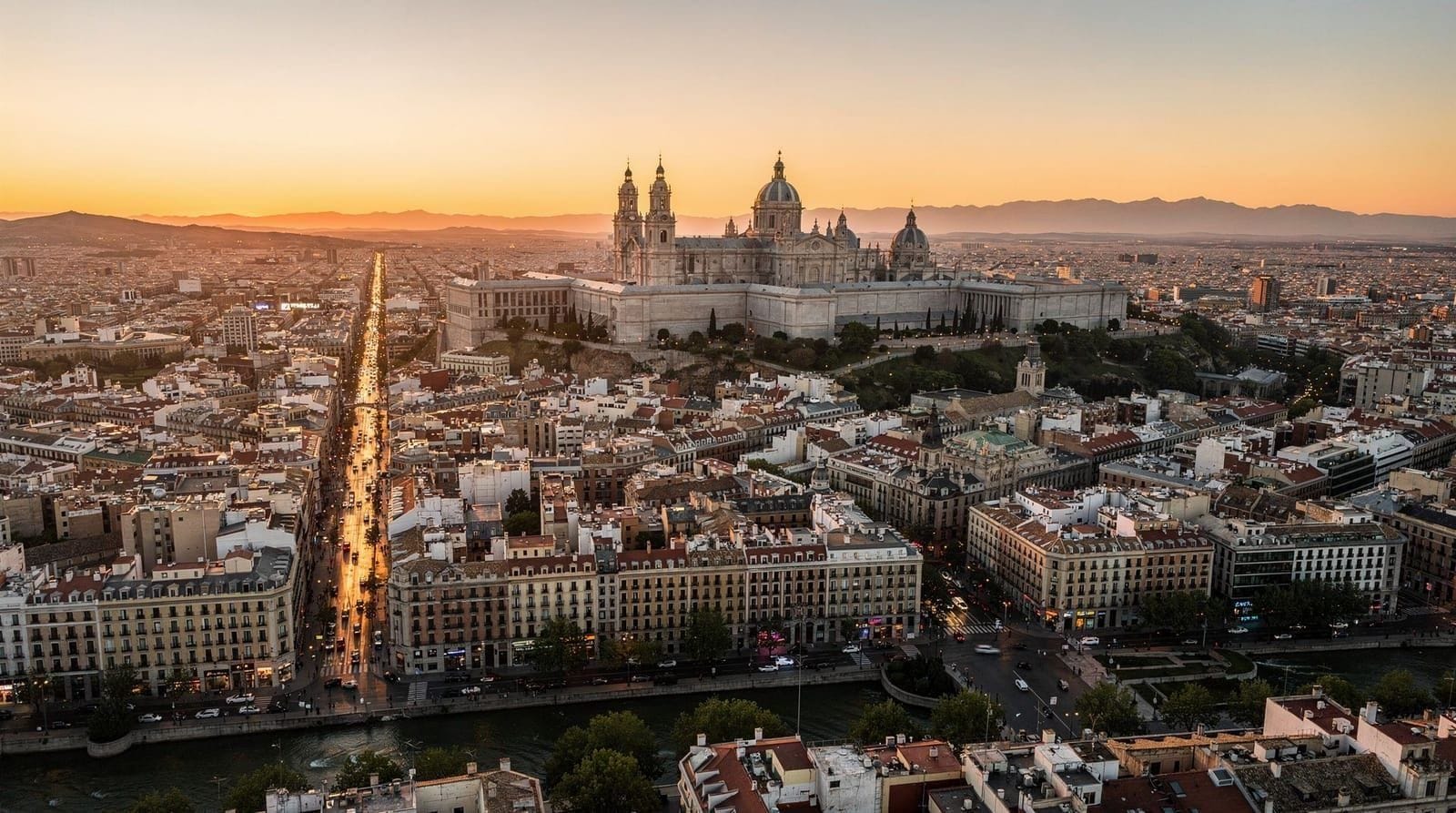
Corral de la Morería (Calle Morería 17, La Morería district near the Royal Palace)
The most famous and most expensive. Founded in 1956, it has had Michelin-star chef status in its restaurant for over a decade. The artist roster changes regularly but consistently features performers at the highest professional level. The show ticket costs €95.90 per person, with dinner menus (€49.95–79.95) added on top. For a special occasion or if flamenco is a serious interest, this is the benchmark. The converted medieval Moorish wall visible through the glass floor of the restaurant adds an unusual element. Book well in advance for weekends.
Torres Bermejas (Mesonero Romanos 11, near Gran Vía)
Operating since 1960, in an Alhambra-inspired space near the Gran Vía. This is a reliable upper-middle option — serious artists, professional production, without quite the premium of Corral de la Morería. Show with a drink €35; menus with show €50–85. More accessible for first-time visitors and groups.
A flamenco show at Torres Bermejas is one of the most consistently reliable tablao experiences in Madrid for visitors who want quality without the full fine-dining commitment.
Café de Chinitas (Calle Torija 7, near Santo Domingo)
Popular with groups and first-time visitors. Long established (named after a famous café-cantante in Málaga), reliable quality, professional presentation. Shows with one drink at 20:30 and 22:30; check the venue’s booking page for current prices. A safe choice for groups.
Las Carboneras (Plaza del Conde de Miranda 1, La Latina)
A tablao in the historic centre, known for a good price-quality ratio and local audience mix. Shows with one drink at 20:00 and 22:00, dinner shows at 19:15 and 21:30; check the venue’s booking page for current prices. The La Latina setting (in an old coal warehouse, hence the name) adds atmosphere. Less famous internationally than the others, which sometimes means better shows — artists performing for a more mixed rather than purely tourist crowd.
Budget alternatives: flamenco without tablao prices
Centro Cultural Flamenco (various Madrid locations)
The city’s cultural infrastructure includes occasional low-cost or free flamenco performances through the Centro Cultural Flamenco de Madrid and various cultural centres in districts like Lavapiés, Carabanchel, and Vallecas. These are less predictable in scheduling than tablaos but often feature genuine talent at community-level prices (often low-cost or free).
Peñas flamencas
Peñas are flamenco fan clubs, found throughout Madrid and common in working-class neighbourhoods. Some are open to non-members for specific events. The quality ranges from amateur to professional; the authenticity is unmatched by any tablao. Finding active peña events requires local knowledge or checking the city’s cultural listings (esmadrid.com publishes these).
The free option: streets and squares
During Madrid’s major festivals — San Isidro in May, the fiestas of district patron saints in summer — impromptu flamenco often appears in public squares, particularly in La Latina, Lavapiés, and the historic centre. No charge, no booking, no guarantee — but sometimes memorable.
Choosing the right flamenco show: what to look for
Check the musicians are live. Recorded music is a cost-cutting measure at lower-quality venues. Any serious tablao has a live guitarist and singer. Check the venue’s website — if it doesn’t mention musicians, investigate.
Check the artists’ credentials. Top tablaos list their artists by name and often include biographical information. If a website just says “professional flamenco dancers” without names, that’s a warning sign.
Watch for “show plus dinner” packaging at tourist restaurants. Many central Madrid restaurants advertise “flamenco nights” that amount to a reduced-quality show while tourists eat. These are distinct from proper tablaos and generally worth avoiding. The show is usually shorter, the artists less experienced, and the overall experience more like a cabaret add-on than a real performance.
Group bookings. If you’re visiting with 6+ people, some tablaos offer group rates. Book through the venue directly or via a reputable booking platform.
Emociones live flamenco is a show-format experience with drink included, reliable for first-time visitors who want a structured introduction to flamenco without the full dinner-show commitment.
Flamenco with food: the tapas-and-show format
Several mid-range options combine a flamenco show with Spanish tapas or wine tasting at a more accessible price than the full dinner-show format:
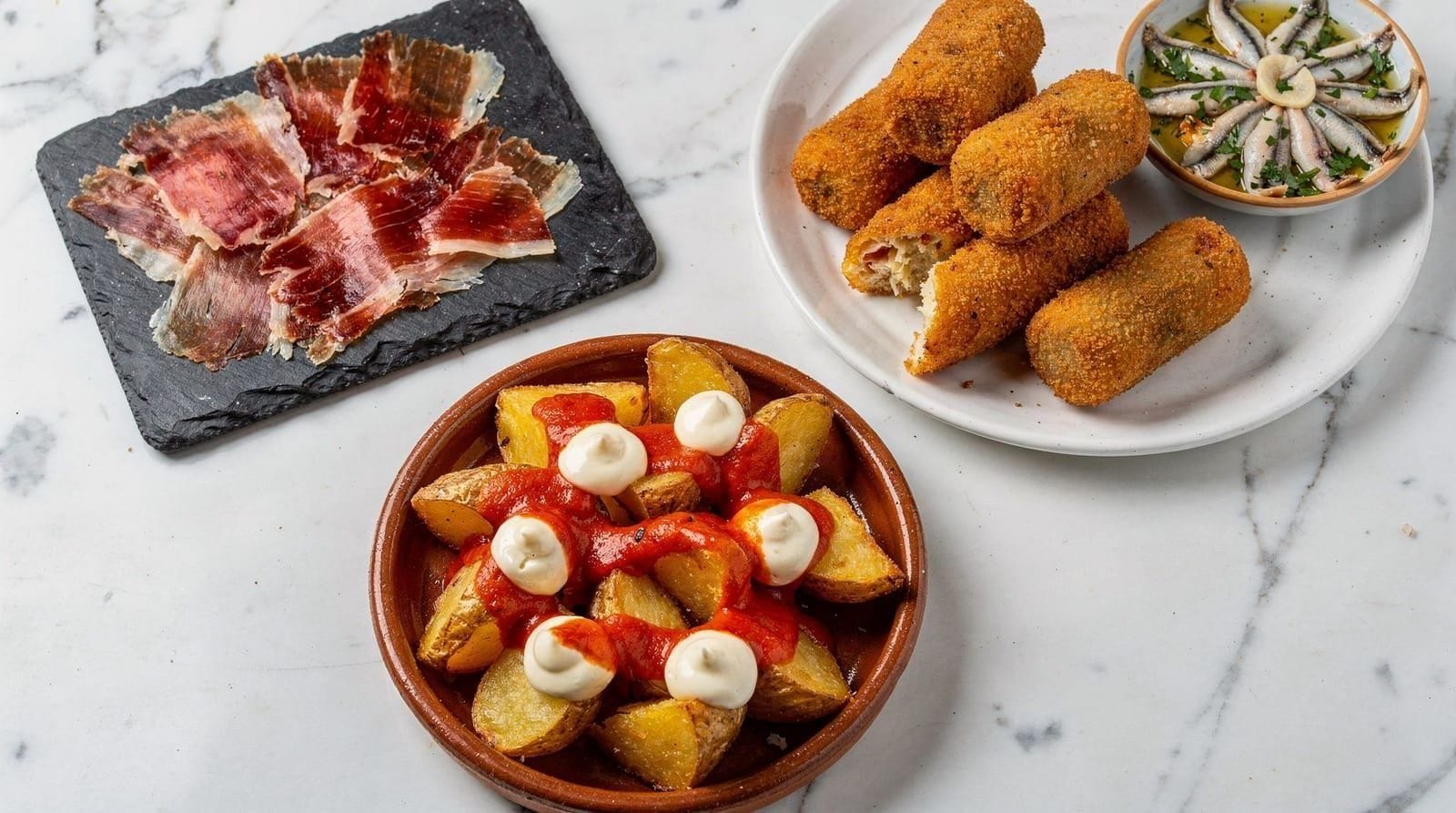
A flamenco show with tapas and wine at Los Porches runs approximately €60–75 per person — midway between a show-only ticket and a full restaurant dinner — and suits visitors who want to eat well without committing to a fixed 3-course dinner programme.
La Cueva de Lola flamenco is a drink-included show format in a cave-style setting, well suited to couples and small groups looking for an atmospheric experience without the full tablao formality.
Practical logistics
When to book: Weekend shows at Corral de la Morería and Torres Bermejas can sell out 2–3 weeks ahead in peak season (April–May, September–October). Weekday shows at most venues can be booked a few days ahead. Las Carboneras is less pressured but booking ahead is still advisable.
Show times: Typically two shows nightly — first at 20:00–20:30, second at 22:00–22:30. The later show often has a more local audience. If you want to eat dinner at a normal Madrid time (21:00+) and then see a show, the 22:00 slot works.
Duration: 60–90 minutes for a standard tablao show. Dinner shows run 2.5–3.5 hours total.
Location considerations: The main tablaos are spread across central Madrid — Corral de la Morería near the Royal Palace and La Latina, Torres Bermejas near Gran Vía. All are walkable from most central hotels or a short Metro ride.
Fitting flamenco into a Madrid itinerary
Flamenco works naturally as an evening activity after a full day of sightseeing. Suggested combinations:
- Art day + evening flamenco: Visit the golden triangle during the day, evening show at Torres Bermejas.
- Neighbourhood evening: Afternoon in La Latina for tapas (Cava Baja), then flamenco show nearby at Corral de la Morería or Las Carboneras.
- Couples: Retiro park in the afternoon (sunset at the Crystal Palace), dinner in Barrio de las Letras, late flamenco show at 22:00.
Flamenco is best experienced in the evening when Madrid’s pace shifts. See what to do in Madrid at night for the broader evening context.
Etiquette during a flamenco show
Flamenco audiences have their own conventions worth knowing before your first show. Applause and vocal encouragement — jaleo, shouts of “olé” at appropriate moments — are part of the art form, not an interruption; if the audience around you responds this way, joining in (even quietly) is appropriate rather than intrusive. Photography rules vary by venue: most tablaos allow photos during specific moments (usually announced) but ask for phones away during the most intense passages, since flash and screen light genuinely disrupt performers under stage lighting.
Talking during the performance is discouraged at all the serious tablaos — this is treated as a concert, not background entertainment for dinner conversation, and at venues like Las Carboneras or Corral de la Morería, quiet is expected once the artists begin. Arriving on time matters more than at a typical restaurant: doors often close or seating is finalised a few minutes before the show starts, and latecomers may be held at the entrance until a natural pause.
Before you go: preparing for your first show
A little preparation makes a first flamenco show far more rewarding. Flamenco is not background music, and it rarely rewards a passive audience. Spend a few minutes beforehand reading about the three roles on stage, then watch how they respond to each other: the dancer often follows the singer’s phrasing, and the guitarist listens to both. Once you notice that conversation, a show that might seem repetitive at first becomes a dialogue you can follow.
If you want more context on the venues themselves, our guide to the best tablaos in Madrid compares them side by side, and the blog piece on flamenco: tourist show versus the authentic thing is a candid take on what separates the two. Both pair well with this page when you are deciding where to spend your evening.
Planning the rest of the evening
Because shows start late by the standards of most visitors, think about the hours around them. A show-only ticket leaves room for a proper meal elsewhere, and the city has plenty of options. Our tapas guide and the advice on where to eat in La Latina help you eat well before a later slot, while late-night Madrid covers what is still open once the applause fades.
A few things are worth keeping in mind when you build the evening around a show:
- Eat something before a drink-only format, since the show itself is not a meal.
- Leave a little slack between dinner and the doors closing, so you are never rushing.
- Keep the walk home simple: central venues are easy to leave on foot, and the Metro guide explains the alternatives if you are staying further out.
- If you are travelling as a pair, the Madrid for couples itinerary places a flamenco night within a wider romantic plan.
For visitors who prefer to see the show as one part of a longer stay, the three-day Madrid itinerary shows where an evening of flamenco fits without exhausting you, and Madrid at night offers other after-dark ideas for the remaining evenings.
Combining flamenco with a Barrio de las Letras evening
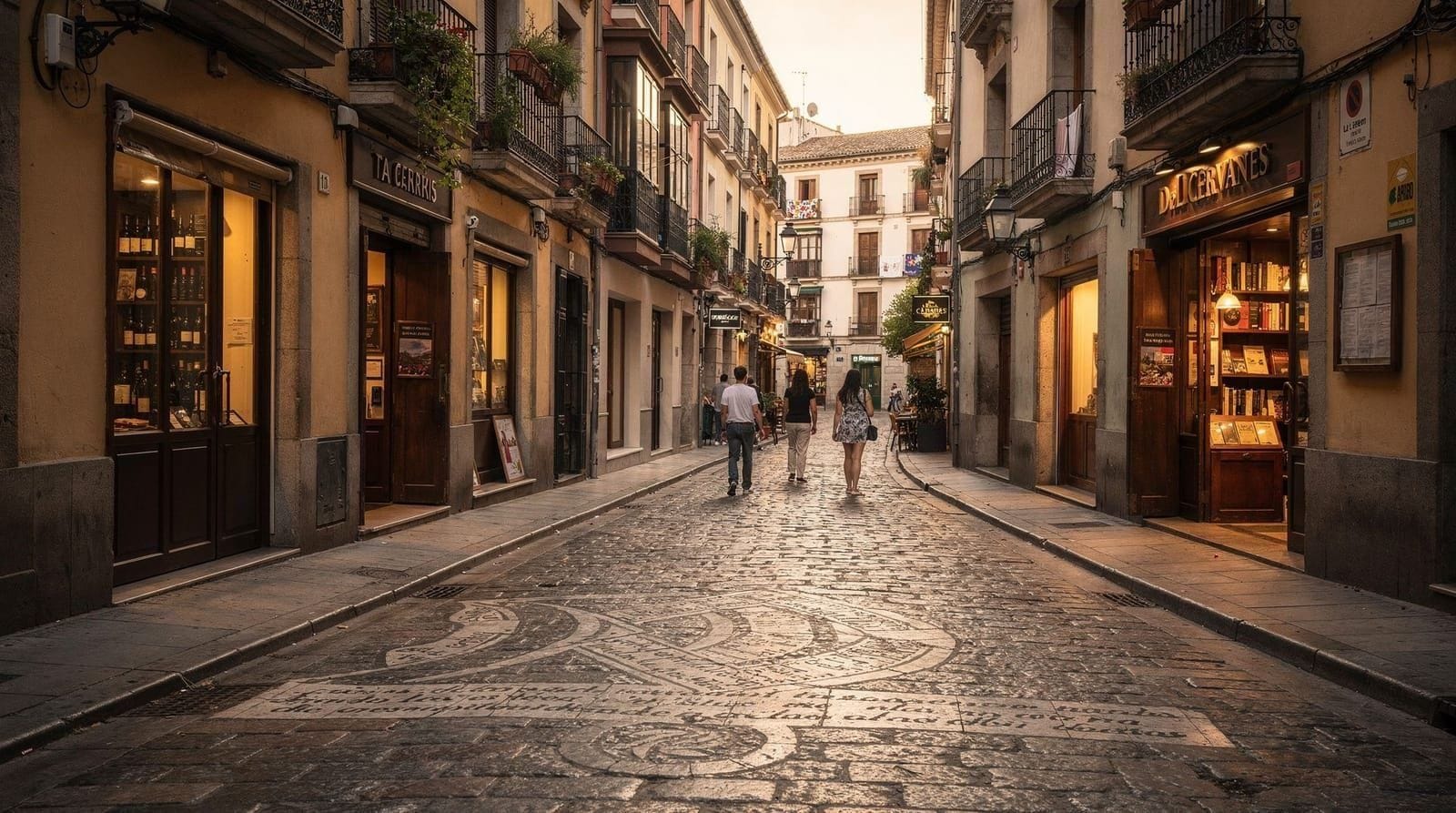
Barrio de las Letras — the literary quarter where Cervantes and Lope de Vega lived — makes a natural evening base. A structured evening: an early dinner in the neighbourhood’s wine bars and restaurants around Calle de las Huertas, a flamenco show at a tablao elsewhere in the centre, and a nightcap afterward at one of the area’s late bars. This sequencing suits visitors who want a full cultural evening without the additional cost of a dinner-inclusive tablao package, since you eat independently beforehand and pay only for the show.
Frequently asked questions about Flamenco shows in Madrid
What is the difference between a tablao and a flamenco bar?
A tablao is a dedicated venue where professional flamenco artists perform for a seated audience, typically with a drink or meal package. The focus is the show; performances usually run 60–90 minutes with rotating artists. A flamenco bar (or peña) is a social club or informal venue where flamenco is played for the enjoyment of participants rather than primarily for tourists — lower production values, more authentic, sometimes free or cheap entry. The best tablaos in Madrid offer genuine artistry; the worst are tourist conveyor belts. The difference is often visible in the detail: live musicians (guitarist, singer, hand percussionist) vs recorded music, artists with real reputations vs generic 'flamenco shows.'How much do flamenco shows in Madrid cost?
Torres Bermejas lists a show with one drink at €35 and menus with show at €50–85. Corral de la Morería sells the show ticket at €95.90, with dinner menus (€49.95–79.95) on top. Other tablaos publish their prices on their booking pages. Drinks ordered at the bar separately add €5–12 per item. Book directly through the tablao website or via GYG to compare — markup varies. Free options include peña performances (members' clubs) and some Cultural Centre events.What is the best tablao in Madrid?
Corral de la Morería (Morería district, since 1956) is the most frequently cited top-tier tablao — Michelin-star restaurant, serious artist roster, expensive (show ticket €95.90, dinner menus extra). Torres Bermejas (near Gran Vía, since 1960) is another historic venue with nightly shows and a more accessible price point (show with a drink €35, menus with show €50–85). Casa Patas, long respected among flamenco purists, closed permanently in 2020. Café de Chinitas (near Santo Domingo) is well established and frequently recommended for first-time visitors.When is the best time to see flamenco in Madrid?
Tablaos run year-round; shows are typically twice nightly (around 20:00–21:00 and 22:00–23:00). The flamenco calendar peaks in May–June with the Madrid Flamenco Festival (Festival Flamenco Caja Madrid), and in October–November when artists return from summer festivals. Summer performances are slightly more tourist-heavy; winter and autumn shows tend to have more local and aficionado audiences. Book ahead for weekend slots year-round.Is flamenco from Seville different from Madrid's flamenco?
Flamenco originates from Andalusia — Seville, Jerez de la Frontera, and Granada are the traditional heartlands. Madrid developed as a flamenco capital in the 19th–20th centuries because performers migrated to the capital for economic opportunity; the city's tablaos began drawing the best Andalusian artists. Stylistically, what you see in Madrid is professional-quality Andalusian flamenco performed in a metropolitan context. Seville's flamenco has a more street-level, integrated presence — neighborhood performances, April Fair, impromptu singing in bars. Both are worth experiencing if you visit both cities.What should I wear to a flamenco show?
No formal dress code at most tablaos — smart casual is appropriate. Dinner-show venues (Corral de la Morería, Torres Bermejas) appreciate slightly smarter attire (no beachwear, no flip-flops) as you are dining in a restaurant. Flamenco bars and peñas are completely informal. The performance itself is the spectacle; the audience dresses normally.
Top experiences
Bookable activities with verified prices and instant confirmation on GetYourGuide.