Madrid for couples: a romantic 3-day city break
Madrid: Flamenco la Quimera Drinks Dinner
Quick answer: Madrid is an underrated romantic city — the evening light, the late-night tapas culture, the flamenco scene, the rooftop bars over the central skyline, and the long summer evenings create a backdrop that most European capitals cannot match at the same price. Three days gives enough time to do it properly without feeling rushed.
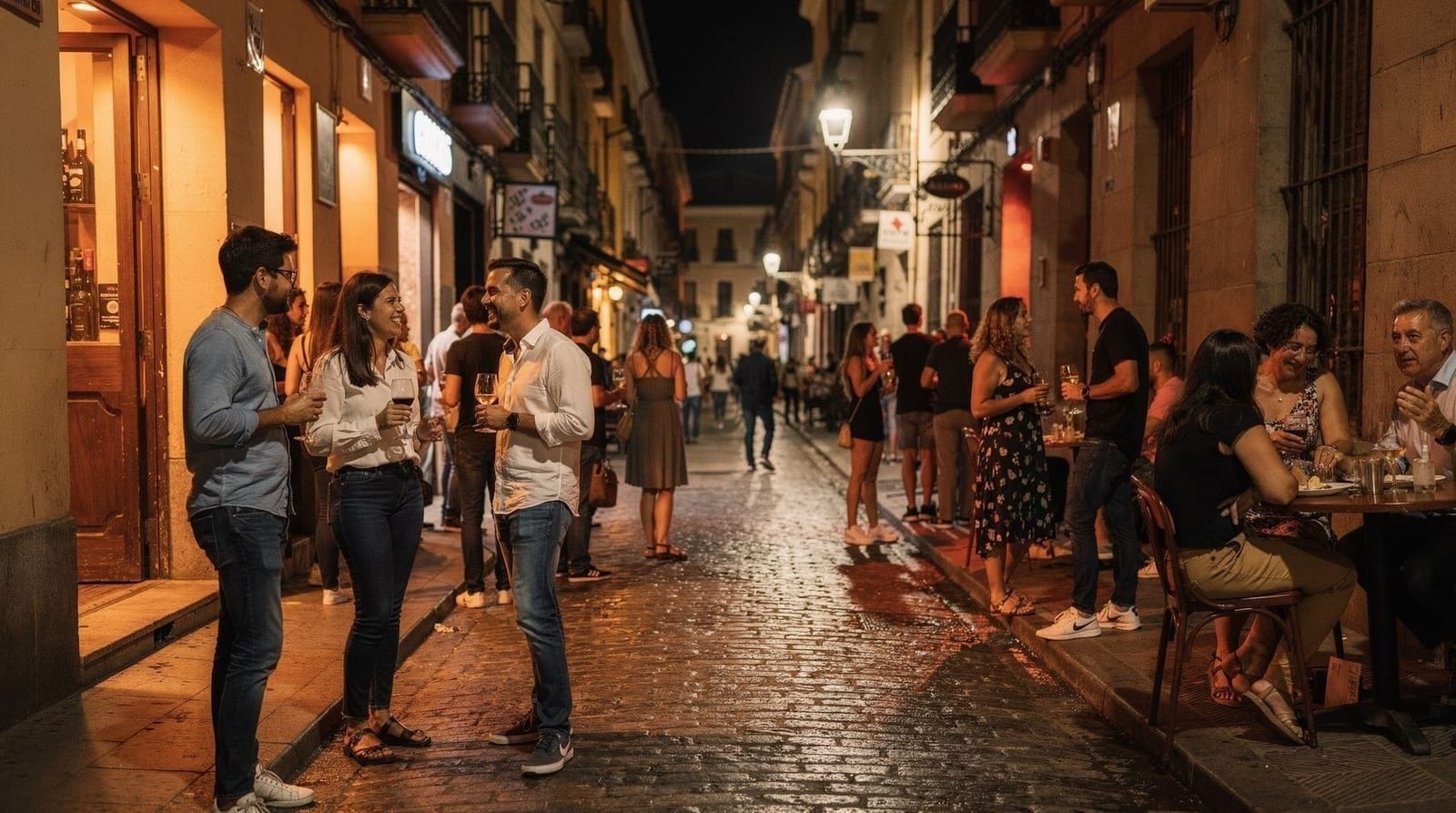
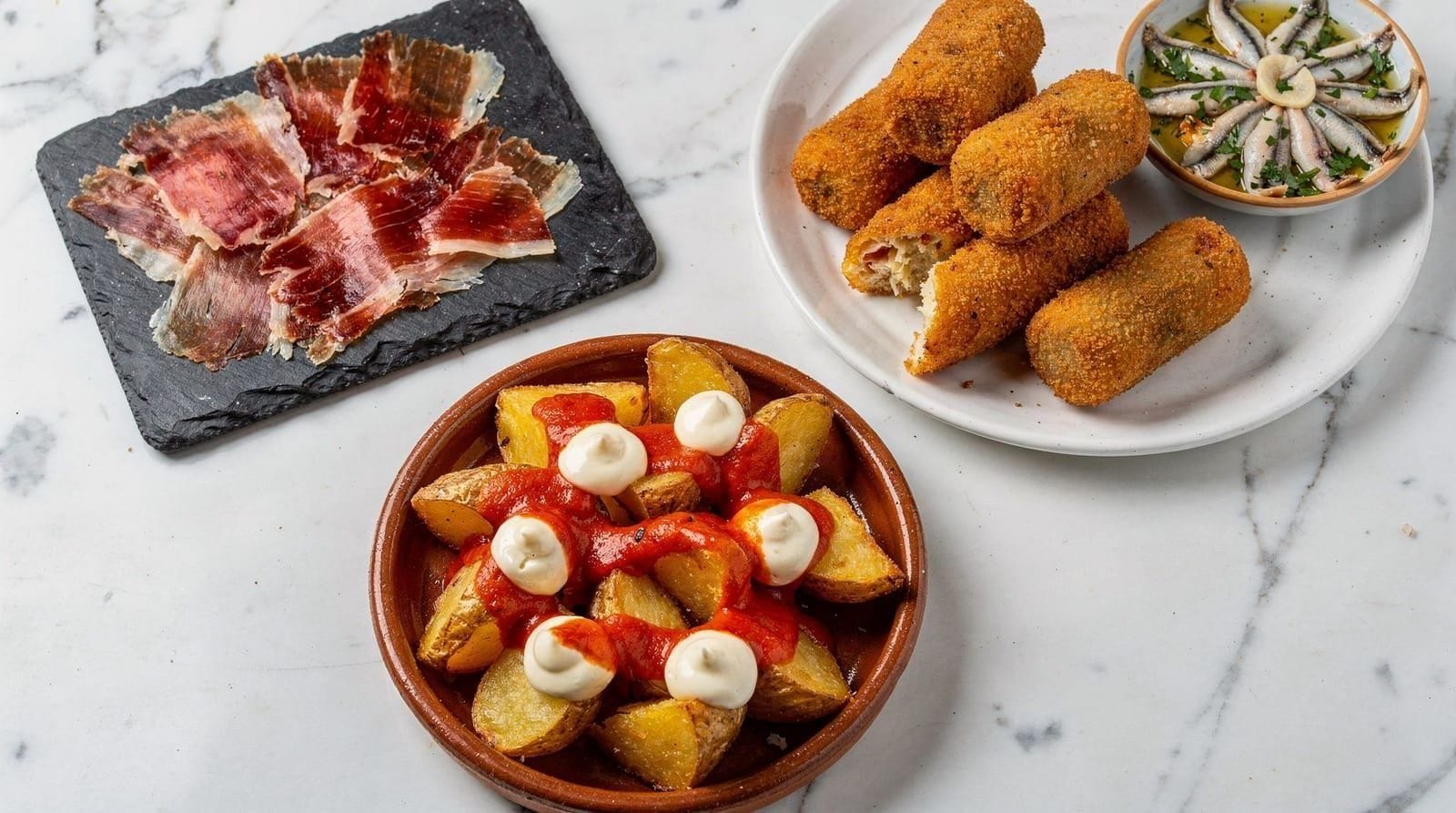
Madrid’s romantic case is less obvious than Paris or Venice — it does not announce itself. But the city has qualities that make it excellent for couples: it is compact and walkable, it is genuinely affordable relative to its quality, its bar and restaurant culture is built for long evenings at small tables rather than tourist-efficient throughput, and it has a flamenco scene that, when you attend the right show, is viscerally affecting in a way that most tourist shows in other cities are not.
The itinerary below leans toward evenings — the structure is deliberately relaxed mornings and building toward excellent evenings. Madrid rewards this rhythm.
| Duration | 3 days, built around slow mornings and late evenings |
| Pace | Relaxed — one museum or activity per day, evenings are the focus |
| Getting around | Walking, with a Cercanías trip to Aranjuez on Day 3 (optional) |
| Budget | Mid-range to splurge: €200–€350/day per couple with a flamenco dinner |
| Best time | April–May or September–October for evenings on rooftops and terraces |
Day 1: Art, gardens and a flamenco evening
Morning: Retiro Park and the Sorolla Museum
Start late. Madrid was designed for this. Breakfast at the hotel or at a neighbourhood café — Café Comercial in Malasaña (if staying in the north of the city) or any of the cafeterías on Calle de Huertas (in Barrio de las Letras) do proper coffee and a tostada con tomate (toasted bread rubbed with tomato and olive oil, Madrid’s actual standard breakfast) for €3–€4.
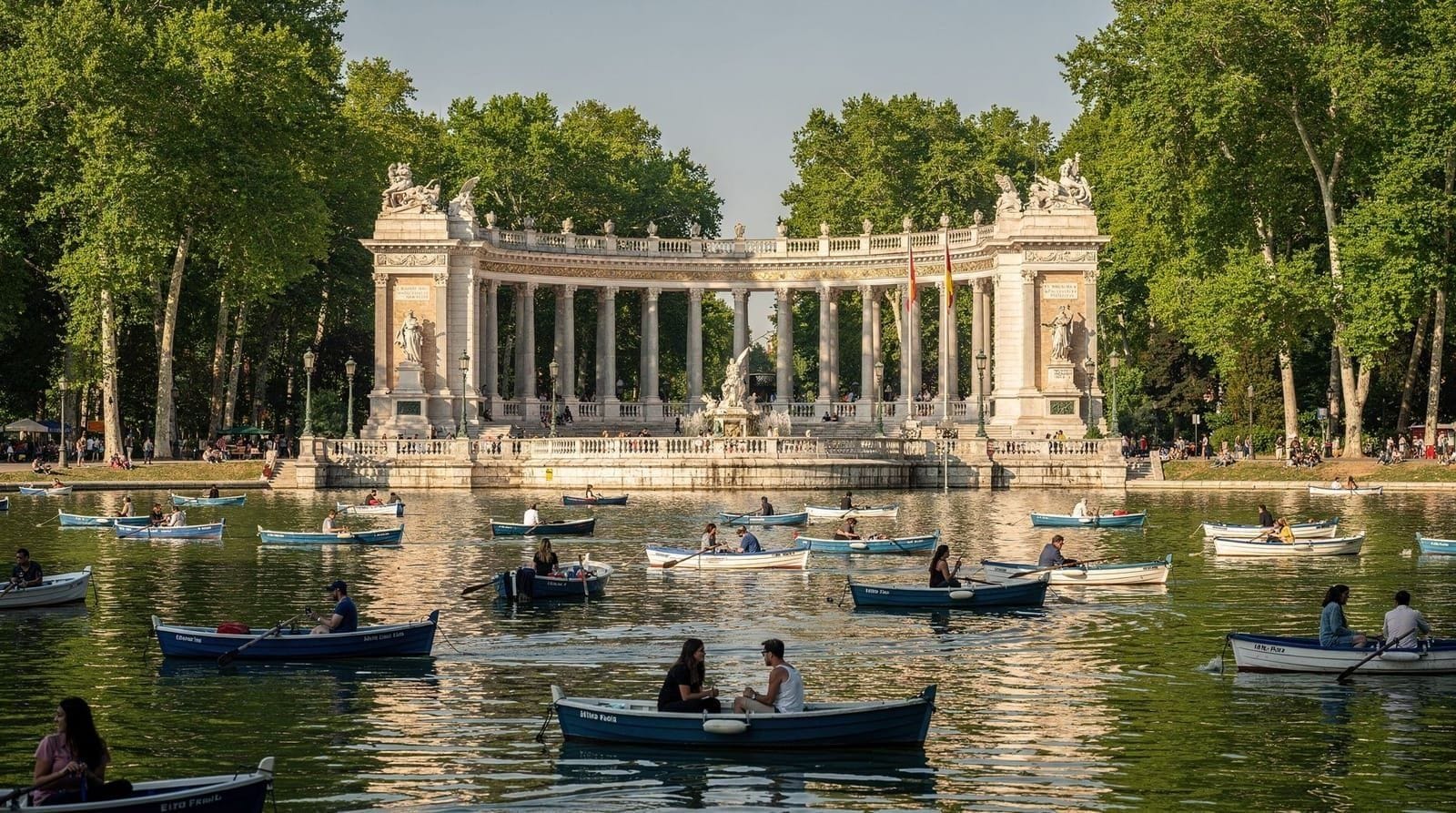
A morning walk in the Retiro Park is the natural opener for a couple — the Estanque lake, the Crystal Palace, the rose garden. Rent a rowing boat (€8 for 30 minutes for two; no rowing experience required, as the lake is calm and small). The gardens are at their peak in spring (late April to May) and autumn (September–October), but the park is pleasant year-round.
After Retiro, take the metro north to the Sorolla Museum in Almagro. The light-painter Joaquín Sorolla’s original house-museum is closed for renovation (source: the museum’s official website, Spanish Ministry of Culture). Only the new building, at calle Zurbano 68, is open: free entry, Tuesday to Saturday 9:30am–8pm, Sunday and holidays 10am–3pm, closed Monday. Check the museum’s official website for news on the house. It is rarely crowded, and if you visit one museum on this trip that you had not planned to, make it this one.
Allow 90 minutes total including the garden.
Afternoon: Prado or the golden triangle walk
A focused 90-minute visit to the Prado in the afternoon — the Velázquez and Goya rooms are the priorities. Alternatively, the golden triangle art walk guide maps a 3-hour walk between the three golden triangle museums with café stops through Barrio de las Letras, which suits a couple more than three sequential museum tickets.
Have a café con leche or a glass of vermouth in Barrio de las Letras before the evening. The streets around Calle de las Huertas have good bars that fill with a literary and arts-adjacent crowd in the late afternoon.
Evening: Flamenco dinner show
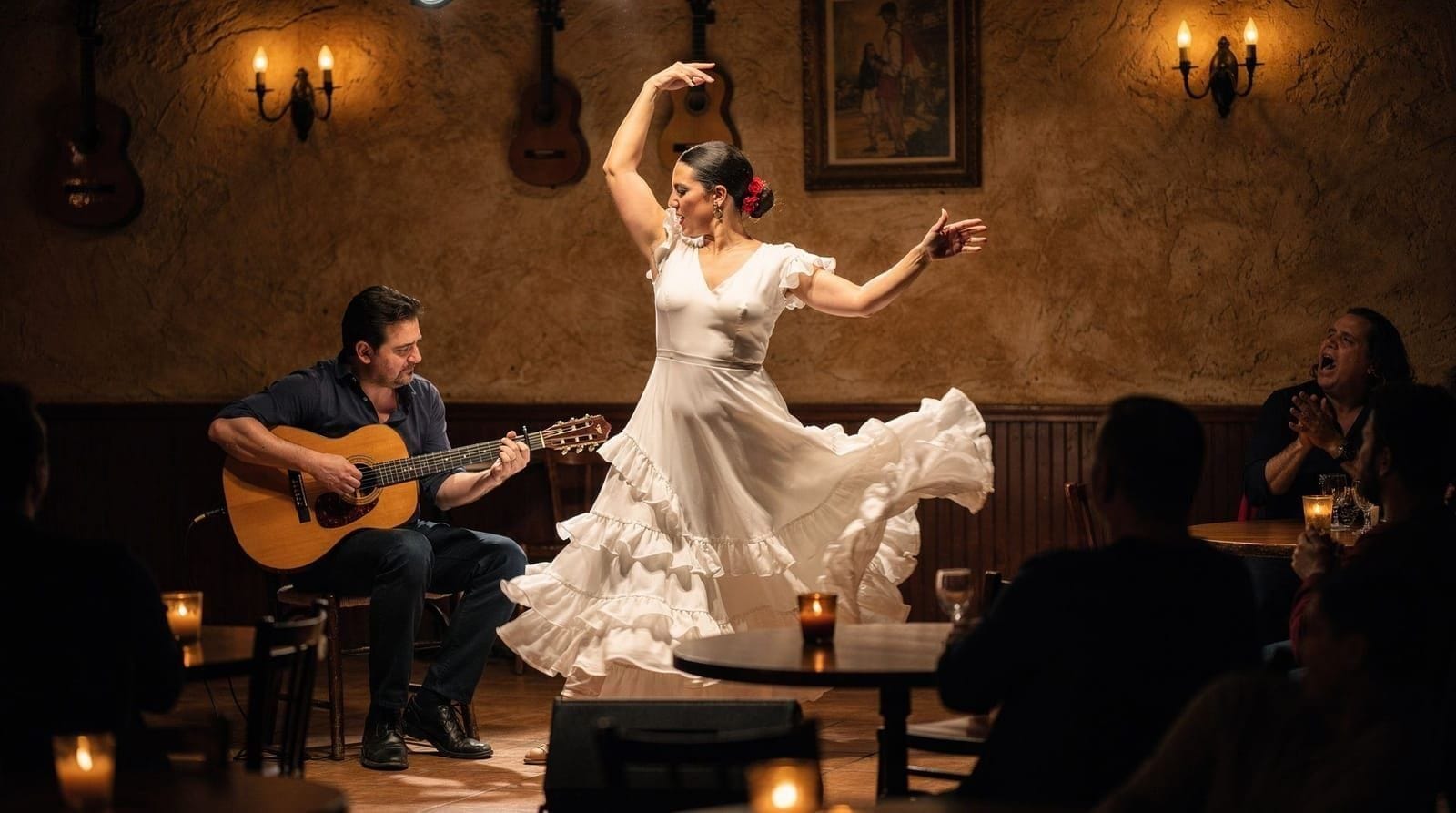
This is the right evening for a flamenco show with dinner. The Madrid flamenco show at La Quimera with drinks and dinner combines the performance with a Spanish dinner in a setting that is specifically designed for couples and small groups rather than coach parties. Book the first or second seating depending on your dinner preference.
The flamenco guide and best tablaos guide explain what separates the good shows from the tourist traps — in brief, look for shows where the dancers are professional artists, not the house entertainment between tapas plates. The flamenco show with drink and artist talk is another well-regarded option that includes a brief introduction to the art form.
After the show, a nightcap in La Latina or Barrio de las Letras.
Day 2: The Prado, La Latina, and a rooftop evening
Morning: Prado in depth (or Reina Sofía)
Day 2 morning is for the museum you did not do the previous afternoon. A proper two-hour Prado visit or 90 minutes at the Reina Sofía for Guernica and the Miró and Dalí rooms.
Both museums have free entry windows (Prado: Mon–Sat 18:00–20:00, Sun 17:00–19:00; Reina Sofía: Mon 19:00–21:00, Sun 13:30–19:00) — these are not degraded experiences but the full permanent collection. If budget matters, plan accordingly.
A long brunch or late breakfast first (Madrid’s late-morning café culture is genuinely excellent) — then a museum visit at 11:00, finishing before the lunch crowds.
Afternoon: A cooking class
The afternoon of Day 2 is for a cooking class. The Madrid cooking class — paella, tortilla española and sangria is a three-hour session in a central school where you cook and eat together. For couples travelling together, cooking classes are one of the better shared experiences — interactive, educational, and you eat the results. Most classes are small groups (8–12 people); the sangria-making component is universally appreciated.
Evening: Rooftop cocktails and La Latina dinner
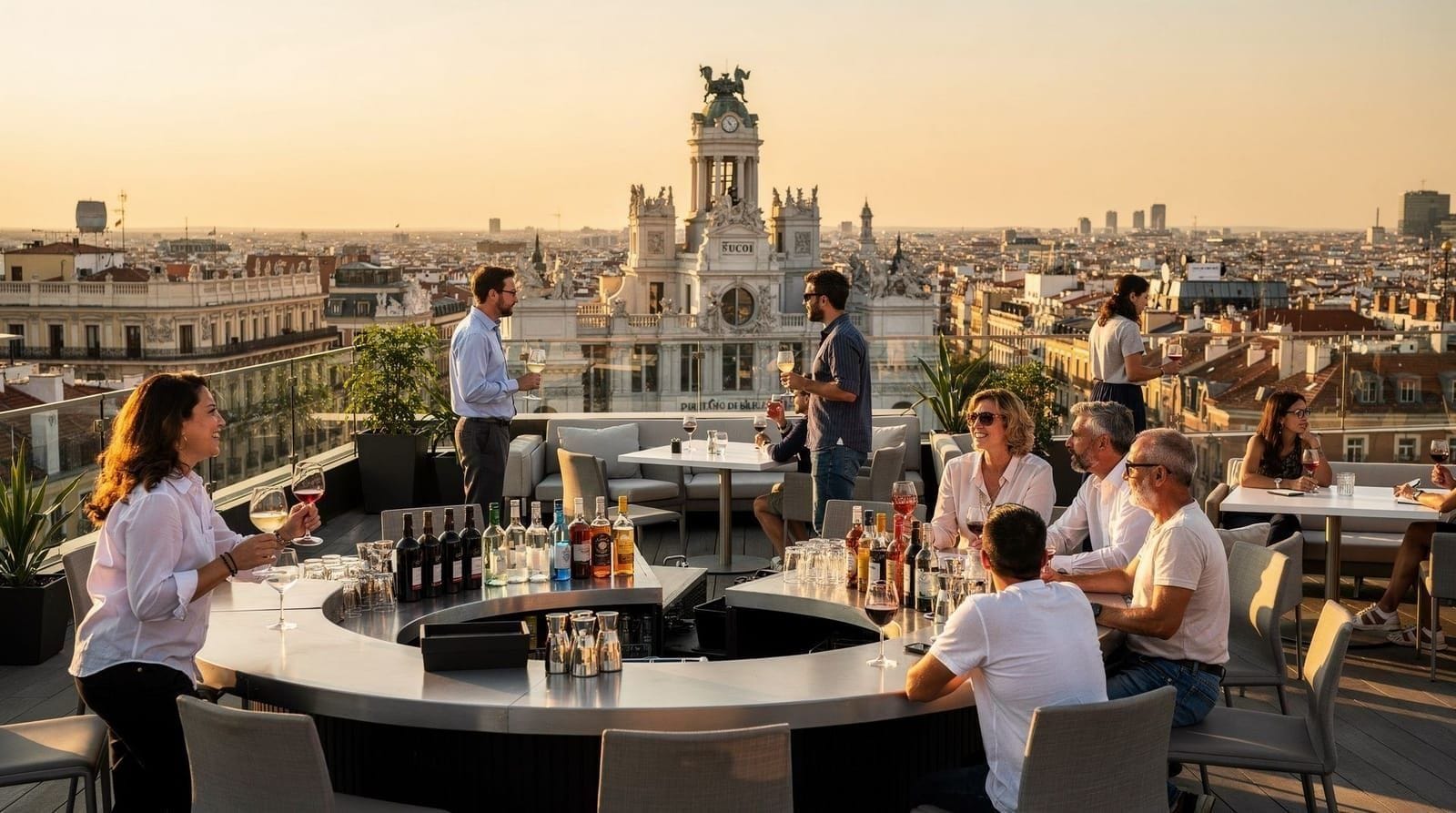
Madrid’s rooftop bar scene is excellent. The rooftop bars guide maps the best options; for a romantic evening, the Azotea del Círculo de Bellas Artes (Calle de Alcalá 42, €6 entry) has the best central city view, while the NH Collection Abascal Skybar and the Ginkgo Restaurant & Sky Bar at the Villa Magna are better for a quieter evening.
Arrive before sunset (18:30–19:30 in winter, 20:00–21:00 in summer) and stay for the light change over the city.
Dinner in La Latina — one of Madrid’s best-loved neighbourhoods for an evening out. The tapas bars on Cava Baja are the casual option; for a sit-down dinner with a reservation, the restaurants on Plaza de la Paja (the quiet medieval square in the heart of La Latina) are among the most atmospheric in Madrid.
Day 3: Day trip to Aranjuez or neighbourhood morning
Option A: Aranjuez for a romantic day trip
Aranjuez — the Bourbon summer palace 50 minutes south of Madrid — is the most romantic day trip option from the city. The formal royal gardens along the Tagus river, the palace’s Porcelain Room, the afternoon boat trips on the Canal del Tajo, and the strawberry season (April–June, when the famous fresas de Aranjuez are in every bar) make it a day trip that works specifically for couples.
The Aranjuez from Madrid guide covers logistics. Take Cercanías C-3 from Atocha (50 minutes, €4–€5 each way). Or take the historic Tren de la Fresa (Strawberry Train) — a restored 1920s train that runs from Madrid to Aranjuez on selected dates, with strawberries served by hostesses in period costume. Booking required.
Option B: Malasaña morning, vintage shopping
Spend the morning in Malasaña — the best neighbourhood for independent shopping, vintage clothing, and the café culture that makes Madrid a liveable city. The streets around Calle del Espíritu Santo, Calle de la Palma, and Fuencarral have clusters of vintage and independent shops that are genuinely interesting rather than tourist-souvenir orientated.
Lunch in Malasaña at a neighbourhood restaurant. The neighbourhood has excellent mid-range restaurants — less expensive and more local-feeling than the tourist centre.
Evening: Sunset at Temple of Debod, dinner at a Michelin restaurant
The Temple of Debod at sunset is Madrid’s most romantic free experience — an ancient Egyptian temple in a park facing west over a reservoir, with the setting sun directly aligned with the entrance. In summer the sunset colours are extraordinary. Arrive 45 minutes before sunset.
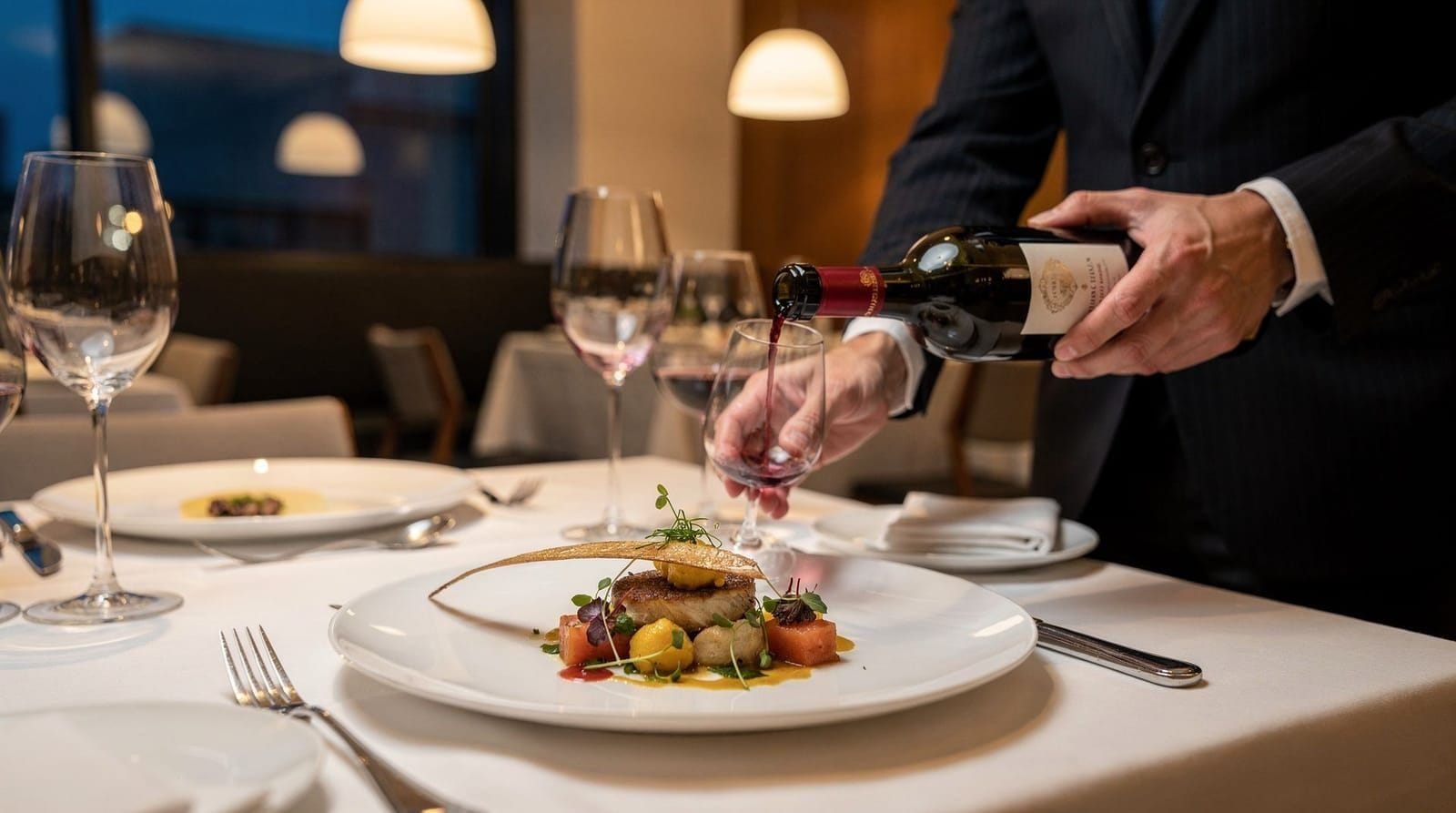
For the final evening dinner: Madrid has over 20 Michelin-starred restaurants that are significantly cheaper than equivalent Paris or London experiences. The Michelin Madrid guide identifies the restaurants where a tasting menu for two with wine runs €100–€150 per person — expensive by Madrid standards, but half the equivalent price in a comparable European city.
If Michelin is not the plan, the wine bars of Barrio de las Letras and the Calle del Prado restaurant cluster offer excellent sit-down dinners for €30–€45 per person with wine.
Practical notes for couples
- Accommodation. For a romantic trip, staying in Barrio de las Letras or La Latina puts you in the city’s most atmospheric neighbourhoods at walkable distance from the Prado and Retiro. The where to stay guide covers the neighbourhood tradeoffs; mid-range doubles in these areas run €100–€150.
- Book flamenco and cooking class in advance. Both sell out 2–4 days ahead in high season.
- Madrid spring (April–May) and autumn (September–October) are the best seasons for a couples trip — comfortable weather, long evenings, full event calendars.
- Late evenings. Madrid works on a later schedule than any other European capital; 10 pm dinner and midnight drinks are not extravagant here. Build your days accordingly — start late, finish late.
- San Isidro (around 15 May) is Madrid’s major annual festival: free concerts, traditional dress, the whole city celebrating. For couples who enjoy urban festivals it is an excellent time to visit; hotel prices peak, so book well in advance.
Madrid’s romantic geography
The city has several zones that genuinely lend themselves to romantic evenings and slow walking, which is not true of every capital.
Barrio de las Letras (the literary quarter) is the most pedestrian-friendly and atmospheric of Madrid’s central neighbourhoods — the streets are named after Golden Age writers, the restaurants are good, and the combination of bookshops, small theatres, and wine bars gives the area a cultural seriousness that the tourist-centre neighbourhoods around Sol lack.
La Latina’s Plaza de la Paja is the medieval square at the heart of La Latina — quiet, cobbled, surrounded by small palaces and the church of San Andrés, with the excellent restaurant Dstage on one corner and several small wine bars on the others. It is one of the least-visited and most atmospheric squares in Madrid.
Retiro Park at dusk is different from Retiro at any other time. The crowds thin after 7 pm; the light through the trees at the lake is warm; the Crystal Palace (white-lit inside) glows across the park. It is free, it is beautiful, and it is 15 minutes’ walk from the Prado.
The Temple of Debod at sunset — already covered in the Day 1 plan — is the most reliably photogenic location in Madrid for a couple. The ancient Egyptian temple framing the sunset over the Casa de Campo reservoir, with the city skyline behind you, is the kind of image that looks composed and was not. Arrive 45 minutes early for a good position.
The Aranjuez alternative for Day 3
The Aranjuez day trip option — 50 minutes from Atocha by Cercanías — is worth naming explicitly as the most romantic day trip from Madrid for couples. The Bourbon royal palace’s gardens, the riverside walks, and the spring strawberry season (April–June, when the famous fresas de Aranjuez are served in every bar) give the day a specific sensory character.
The historic Tren de la Fresa (Strawberry Train) — a restored 1920s steam train that runs from Madrid to Aranjuez on selected dates — is a specific romantic-trip draw that no other Madrid day trip matches for atmosphere. Hostesses in period costume serve strawberries and wine on the train. Book well in advance.
The Aranjuez from Madrid guide has full logistics.
Realistic budget for a 3-day romantic trip
Expect €600–€1,050 per couple for the three days, excluding your hotel: the flamenco dinner show €120–€180 for two, the cooking class €140–€180 for two, museum entries €30–€50 total, a rooftop cocktail evening €40–€70, La Latina and Barrio de las Letras dinners €60–€90 each, and either the Aranjuez day trip (€10–€20 return by Cercanías, more for the Strawberry Train) or vintage shopping in Malasaña. A Michelin tasting menu on the final night, if you choose that option, adds €200–€300 for two. Couples on a tighter budget can keep the same structure — flamenco, a cooking class, one splurge dinner — while swapping the Michelin finale for the wine bars of Barrio de las Letras at a third of the price.
Choosing your flamenco evening
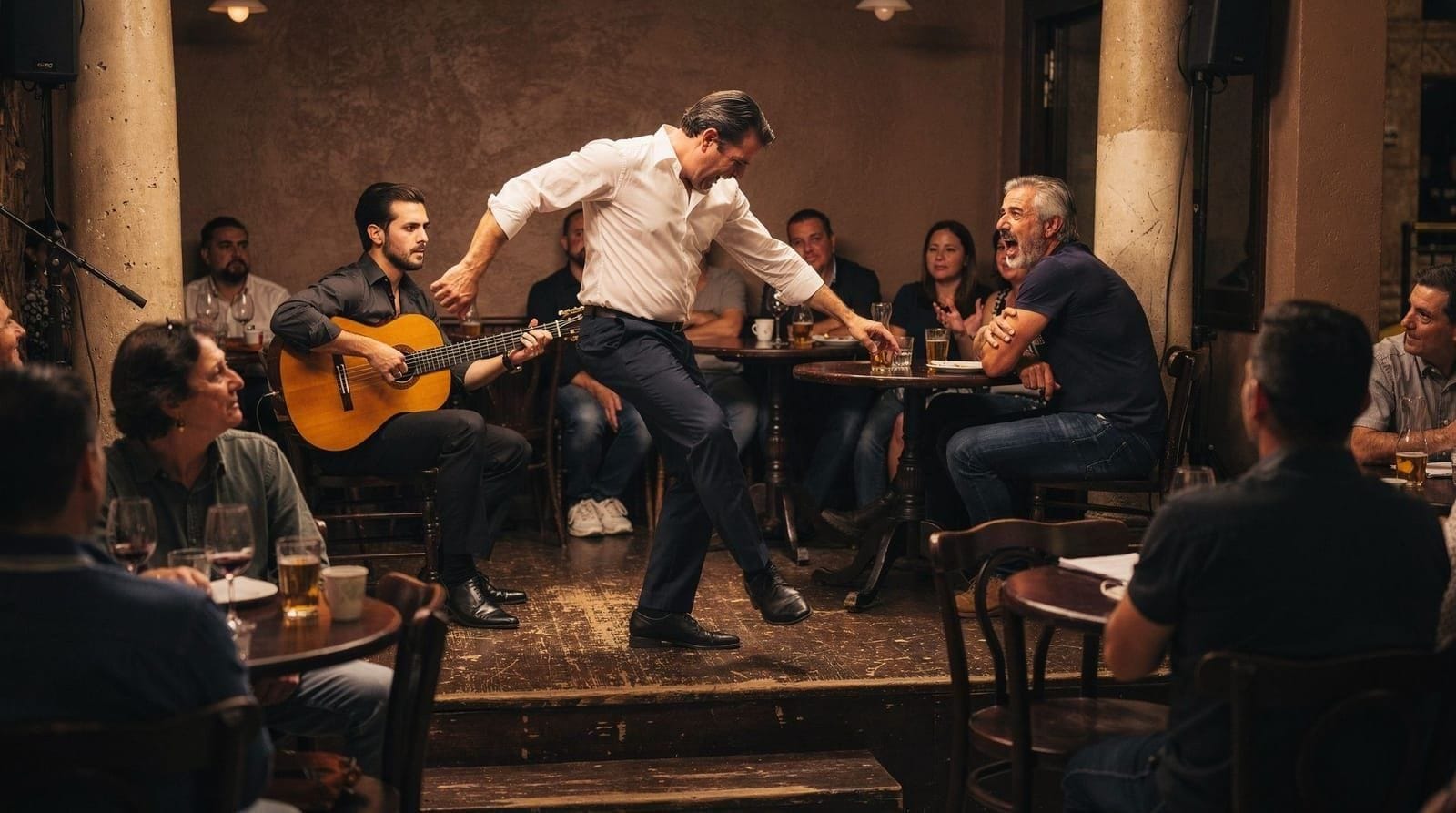
Not every flamenco dinner show suits every couple, and the choice is worth making deliberately rather than booking the first option that appears. A dinner-and-show format like La Quimera suits couples who want a full evening in one booking with minimal planning. A standalone tablao with just a drink included suits couples who prefer a proper sit-down dinner elsewhere first and want the performance to be the concentrated main event rather than a backdrop to eating. Both formats appear across the best tablaos guide; the deciding factor is usually whether you want the evening built around food or built around the performance.
Frequently asked questions about Madrid for couples
Is Madrid romantic?
Yes — more than its reputation suggests. The late evenings, the bar culture built for long shared meals, the flamenco scene, the Retiro park at dusk, and the concentrated area of attractive neighbourhoods all work in its favour. It is not as immediately visually romantic as Venice or Paris, but it has the texture of a genuinely inhabited city rather than a tourist set-piece, which is its own kind of appeal.
What is the best romantic restaurant in Madrid?
For a special occasion: the Michelin-starred restaurants covered in the michelin madrid guide, particularly those in Barrio de las Letras and the Salamanca district, which combine gastronomic ambition with reasonable prices by European standards. For a more neighbourhood feel, the restaurants on Plaza de la Paja in La Latina and the wine-focused restaurants on Calle de la Cava Baja are the consistent recommendations.
What is the best hotel area for a romantic trip?
Barrio de las Letras for walkability to the Prado and evening life; La Latina for atmosphere; Malasaña for boutique hotels and the neighbourhood’s independent character. Avoid the Sol/Gran Vía corridor for a romantic trip — the noise and the tour-group traffic break the mood. The where to stay guide covers this in full.
Is 3 days enough for a romantic Madrid trip, or should we stay longer?
Three days covers a genuinely complete romantic weekend-plus: art, gardens, flamenco, a cooking class, a rooftop evening, and a day trip. A fourth day is worth adding if you want to slow the pace further rather than see more — an extra night in La Latina with no fixed plan, just wandering and long meals, is arguably more romantic than adding another sight. The 4–5 day itinerary can be adapted this way if you want the extra time.
Three-day summary
| Day | Focus | Evening |
|---|---|---|
| Day 1 | Retiro, Sorolla Museum, Prado or art walk | Flamenco dinner show |
| Day 2 | Prado or Reina Sofía, cooking class | Rooftop cocktails, La Latina dinner |
| Day 3 | Aranjuez day trip or Malasaña vintage shopping | Temple of Debod sunset, Michelin or wine-bar dinner |
Top experiences
Bookable activities with verified prices and instant confirmation on GetYourGuide.