Madrid in 4–5 days: the in-depth city itinerary
Madrid: Prado Guided Skip the Line
Quick answer: Four to five days in Madrid allows you to finish the golden triangle properly, see the Bernabéu, do two day trips (Toledo and Segovia are the obvious pair), and explore the neighbourhoods at a pace that doesn’t feel like a museum sprint. This is the itinerary that turns a visitor into someone who actually knows Madrid.
Five days in Madrid is the right length for a visitor who wants to leave knowing the city, not just having seen it. The first two days establish the architectural and art foundations. Days three through five allow the kind of depth — neighbourhood exploration, day trips, a football stadium, market wandering, late-night tapas discovery — that makes Madrid a city you come back to.
The structure below is five days; to compress to four, drop Day 4 (Bernabéu and Lavapiés) and merge the Thyssen into Day 2.
| Duration | 4–5 days (drop Day 4 to compress to four) |
| Pace | Moderate to full: one museum or day trip per day, evenings mostly free |
| Getting around | Walking for the centre; AVE for Toledo/Segovia; metro Line 10 for the Bernabéu |
| Budget | Mid-range around €160–€240/day per person, more with two day trips |
| Best time | Spring and autumn for comfortable walking; book day trips ahead year-round |
Day 1: Royal Madrid
Morning: Royal Palace and the Austrias quarter
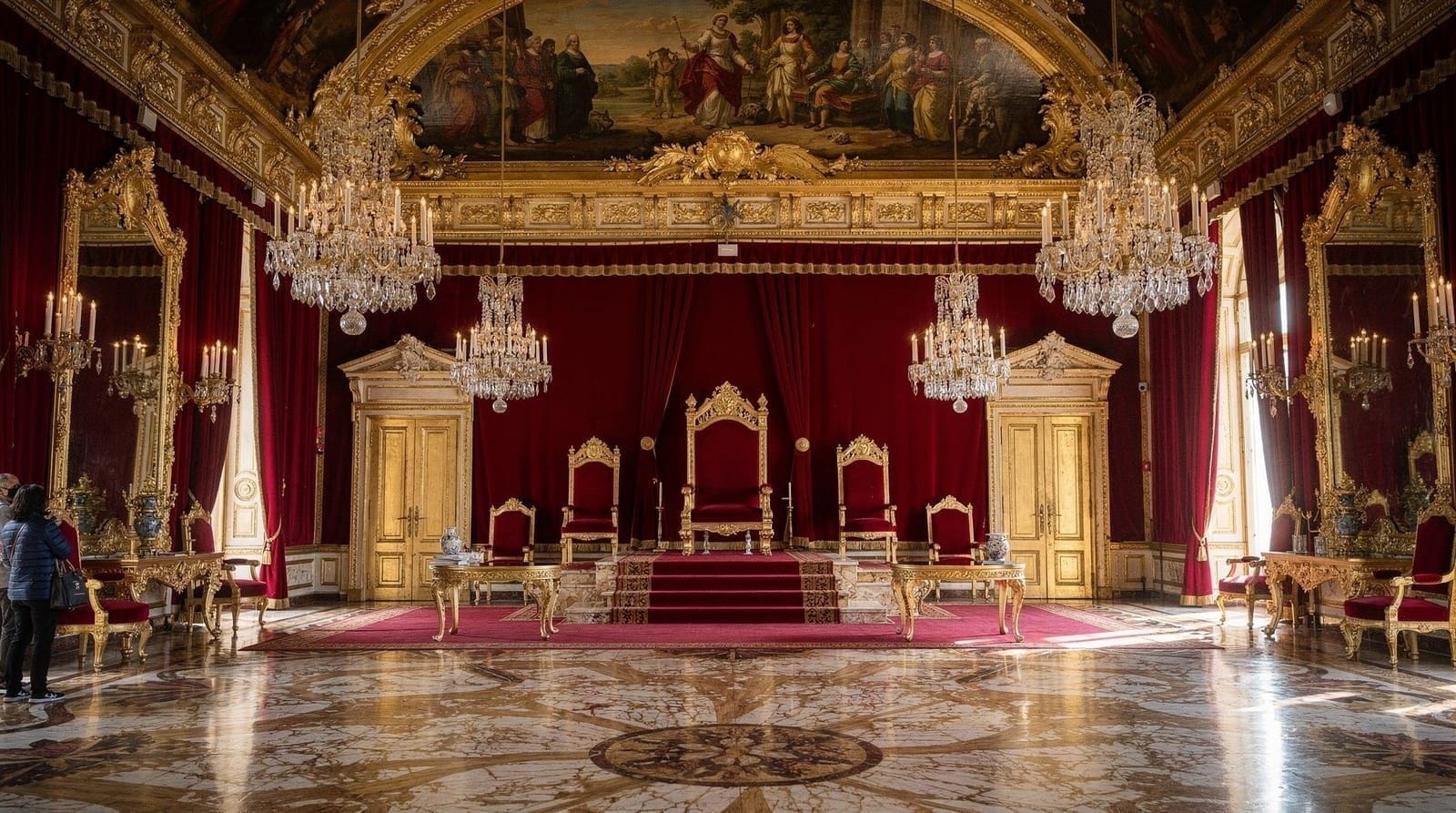
Arrive at the Royal Palace by 9:30 am with a pre-booked Royal Palace fast-access ticket. Spain’s royal seat — 3,418 rooms, the largest by floor area of any European palace in regular use — takes 90 minutes to walk at a reasonable pace. The Throne Room and the Gasparini Room are the showpiece interiors; the Royal Armoury provides military history context.
Walk east through Madrid de los Austrias and Puerta del Sol. Get coffee on Calle Mayor rather than in the square itself, then continue into Barrio de las Letras.
Afternoon: Prado Museum
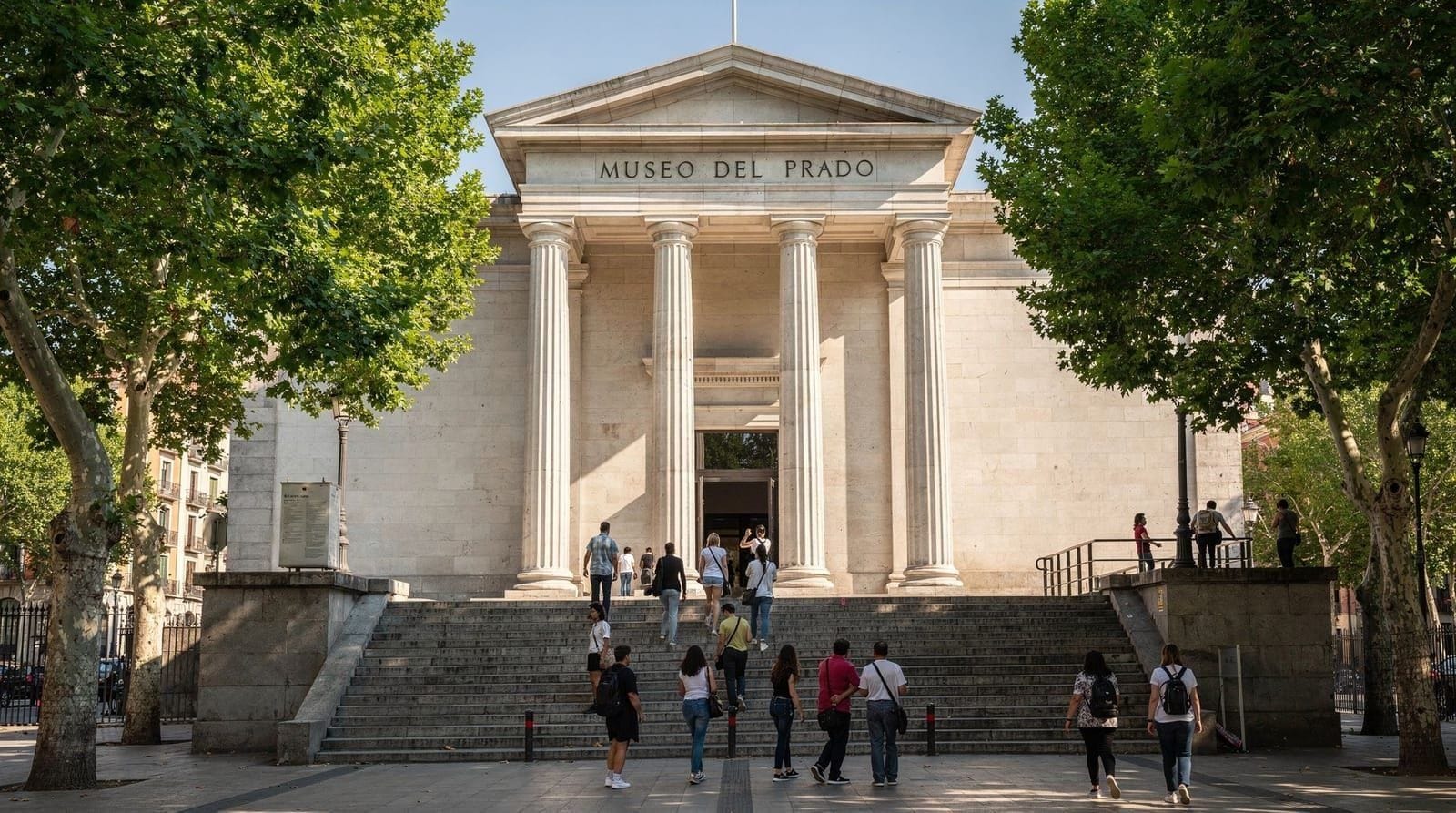
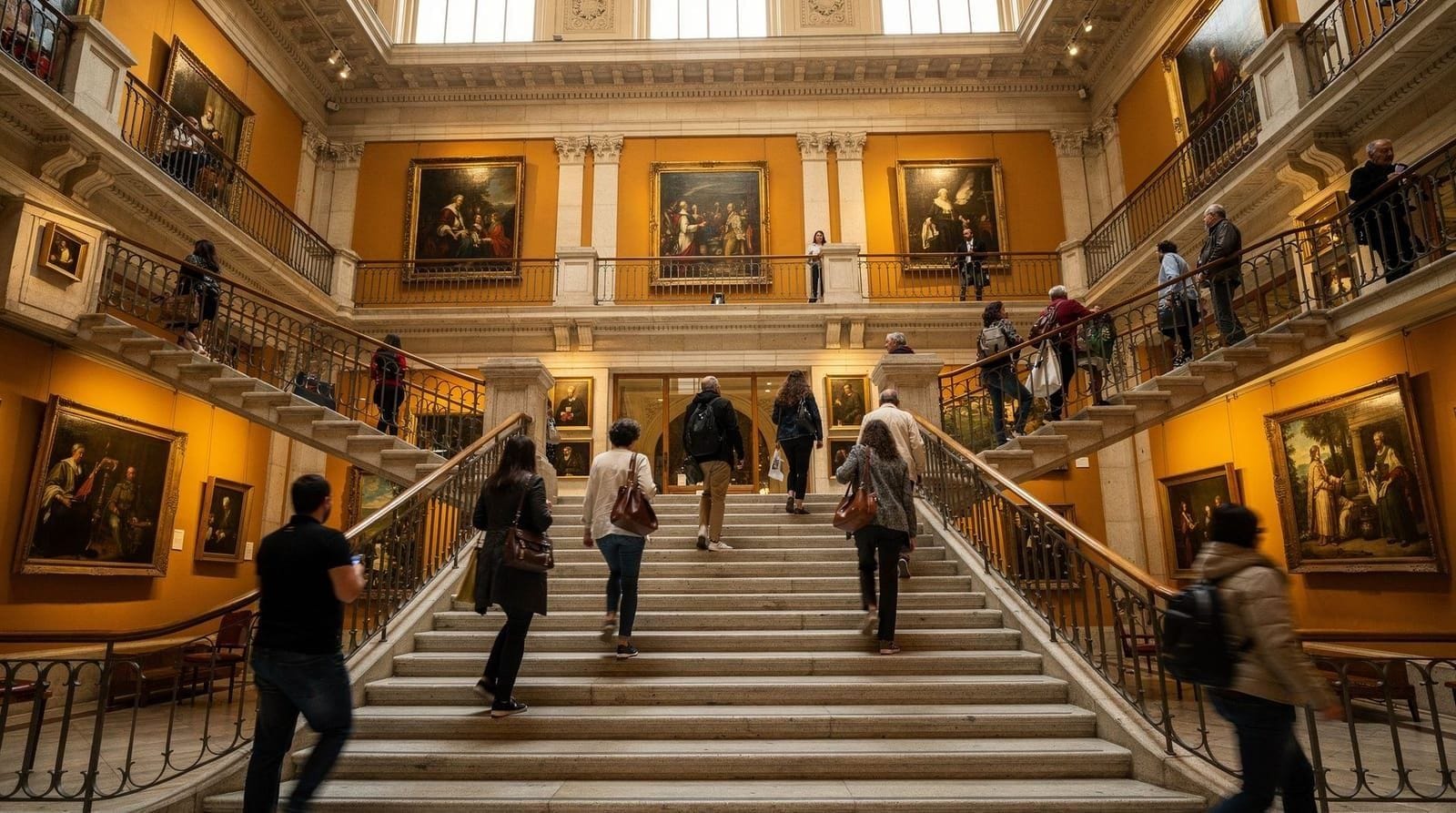
Two hours at the Prado focused on Velázquez, Goya, and El Greco. If this is your first Prado visit, take the guided skip-the-line tour for orientation. The museum is enormous; a focused visit beats an exhausted sweep.
Evening: La Latina tapas circuit
Metro or walk to La Latina for the evening. Cava Baja is the main street; the nearby where to eat in La Latina guide identifies the best bars beyond the obvious tourist cluster. Dinner at 9 pm.
Day 2: Reina Sofía, Thyssen, Retiro and flamenco
Morning: Retiro Park and Reina Sofía
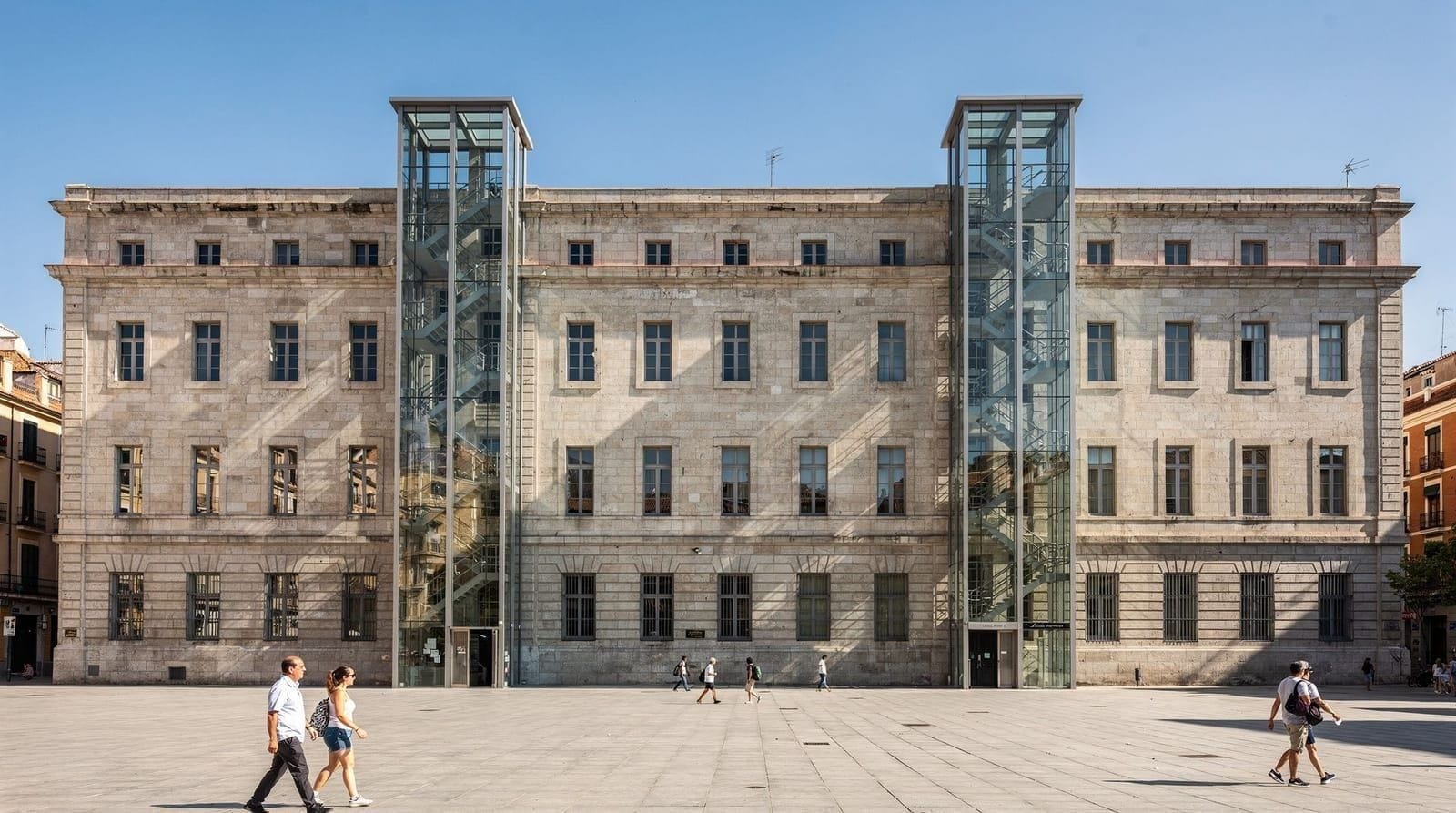
Open with 45 minutes in Retiro Park — rowing lake, Crystal Palace (closed until 2027), rose garden. Then 90 minutes at the Reina Sofía for Guernica and the 20th-century Spanish collection.
Afternoon: Thyssen-Bornemisza
Walk or metro to the Thyssen-Bornemisza Museum on Paseo del Prado. The impressionist rooms (ground floor: Monet, Van Gogh, Cézanne, Kandinsky) and the Edward Hopper are the highlights for most visitors. Free every Monday.
Optional late afternoon: the golden triangle art walk connects all three museums on foot through Barrio de las Letras with café stops along the way.
Evening: Flamenco
A properly chosen flamenco show is one of the best things Madrid offers. The flamenco guide and best tablaos guide help you separate the good from the tourist trap. Book in advance.
Day 3: Toledo day trip
Take an early AVE from Atocha to Toledo — trains run from about 6:45 am, journey 33 minutes, tickets €12–€16 each way. Aim to arrive by 10 am and spend five to six hours in the city.
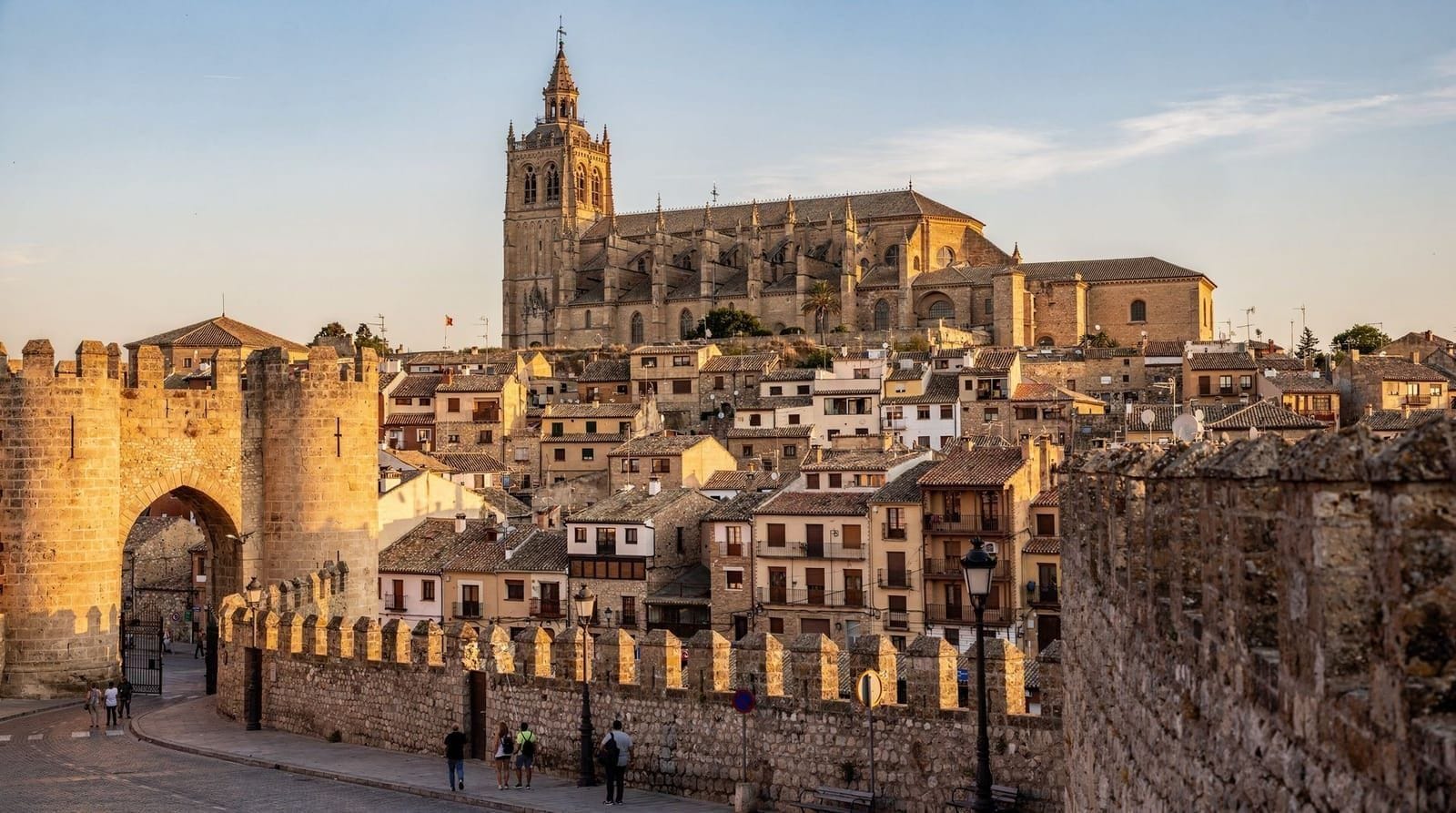
Toledo is the city where Christian, Jewish, and Islamic cultures coexisted for centuries — you can walk between a Gothic cathedral, a working synagogue, and a mosque-turned-church in 20 minutes. The Toledo from Madrid guide covers logistics in detail.
Priorities: Toledo Cathedral (the main Gothic monument, requires ticket), the Alcázar fortress (city overview + military history museum), the old Jewish quarter (Sinagoga del Tránsito and the Casa del Greco with El Greco’s paintings), and the viewpoints over the Tagus from across the river.
The Toledo guided day trip from Madrid combines transport and entrance fees with a guide; the Toledo vs Segovia guide helps decide which day trip is right if you can only do one.
Return to Madrid for late dinner. Toledo is 33 minutes away — there is no need to rush back early.
Day 4: Bernabéu, Chamartín and Lavapiés
Morning: Santiago Bernabéu
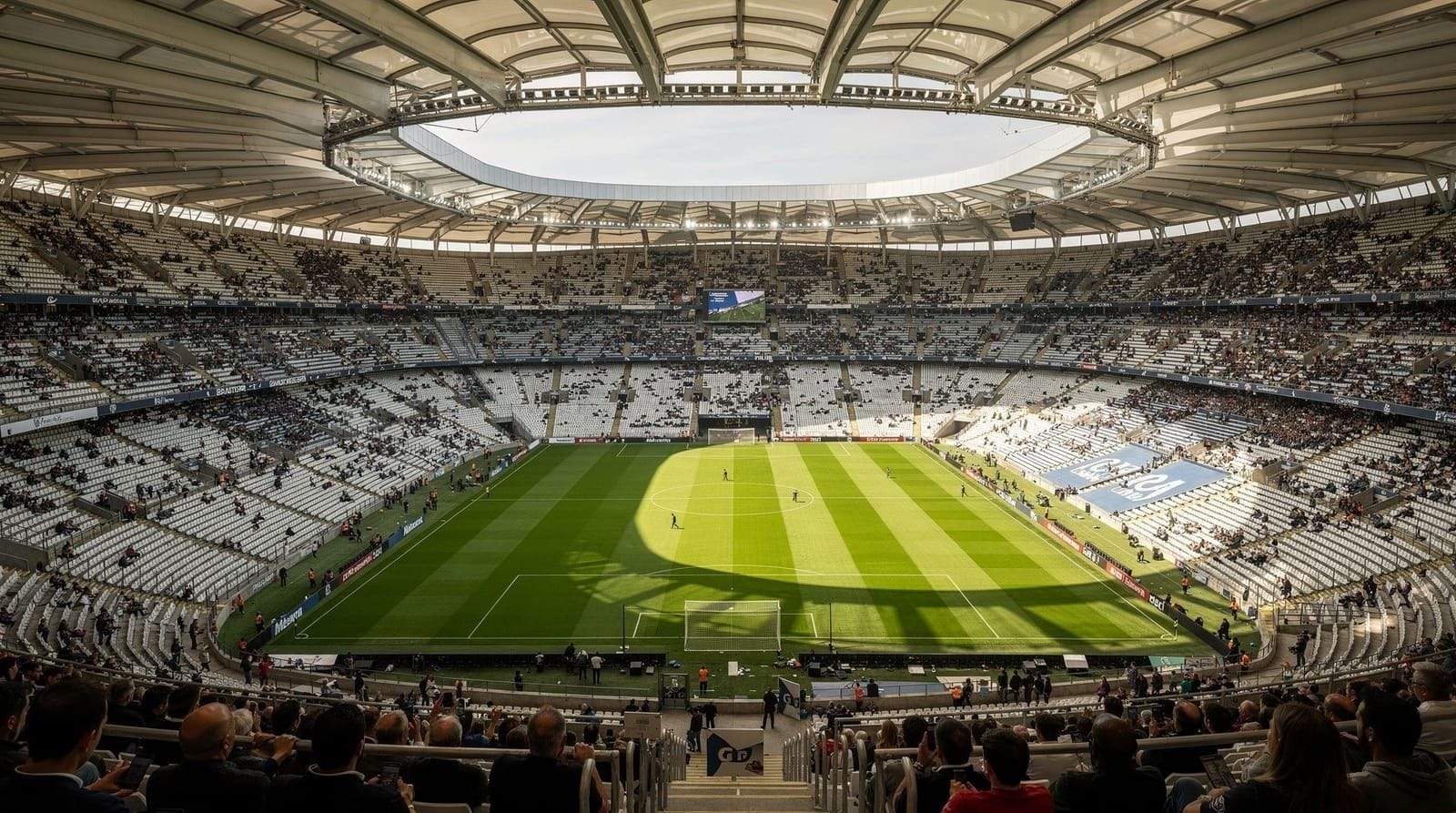
Metro to Bernabéu station (Line 10) for the Bernabéu stadium tour. Even if football is only a passing interest, the stadium experience — a 85,000-seat arena recently expanded with a retractable roof and 360-degree LED facade — is architecturally impressive. The museum covers Real Madrid’s history and trophy collection. Pre-book the Bernabéu entry ticket — walk-in queues can be significant.
Lunch in the Chamartín/Castellana area — Madrid’s modern business district along Paseo de la Castellana is not usually on tourist itineraries, which makes it good for a neighbourhood lunch at prices that don’t carry a tourist premium. The Salamanca district (metro stop Serrano or Goya) adjacent to this zone is Madrid’s wealthiest neighbourhood and has excellent restaurants on Calle de Serrano and its side streets.
Afternoon and evening: Lavapiés
Spend the late afternoon in Lavapiés — one of Madrid’s oldest and most genuinely mixed neighbourhoods, where the immigrant community (North African, South Asian, West African, South American) runs alongside the long-established working-class Madrileño community and a newer wave of artists and students. The street art is excellent; the street art in Lavapiés guide maps the best pieces.
El Rastro, Madrid’s famous Sunday flea market, spreads through the streets of La Latina and Lavapiés every Sunday morning from about 9 am to 2 pm. If your Day 4 falls on a Sunday, restructure to hit the market in the morning and save the Bernabéu for another day of the week.
The El Rastro guide covers what to buy and what to watch out for (pickpockets are the main concern; the market is well-known for the distraction technique).
Day 5: Segovia day trip or neighbourhood depth
Option A: Segovia day trip
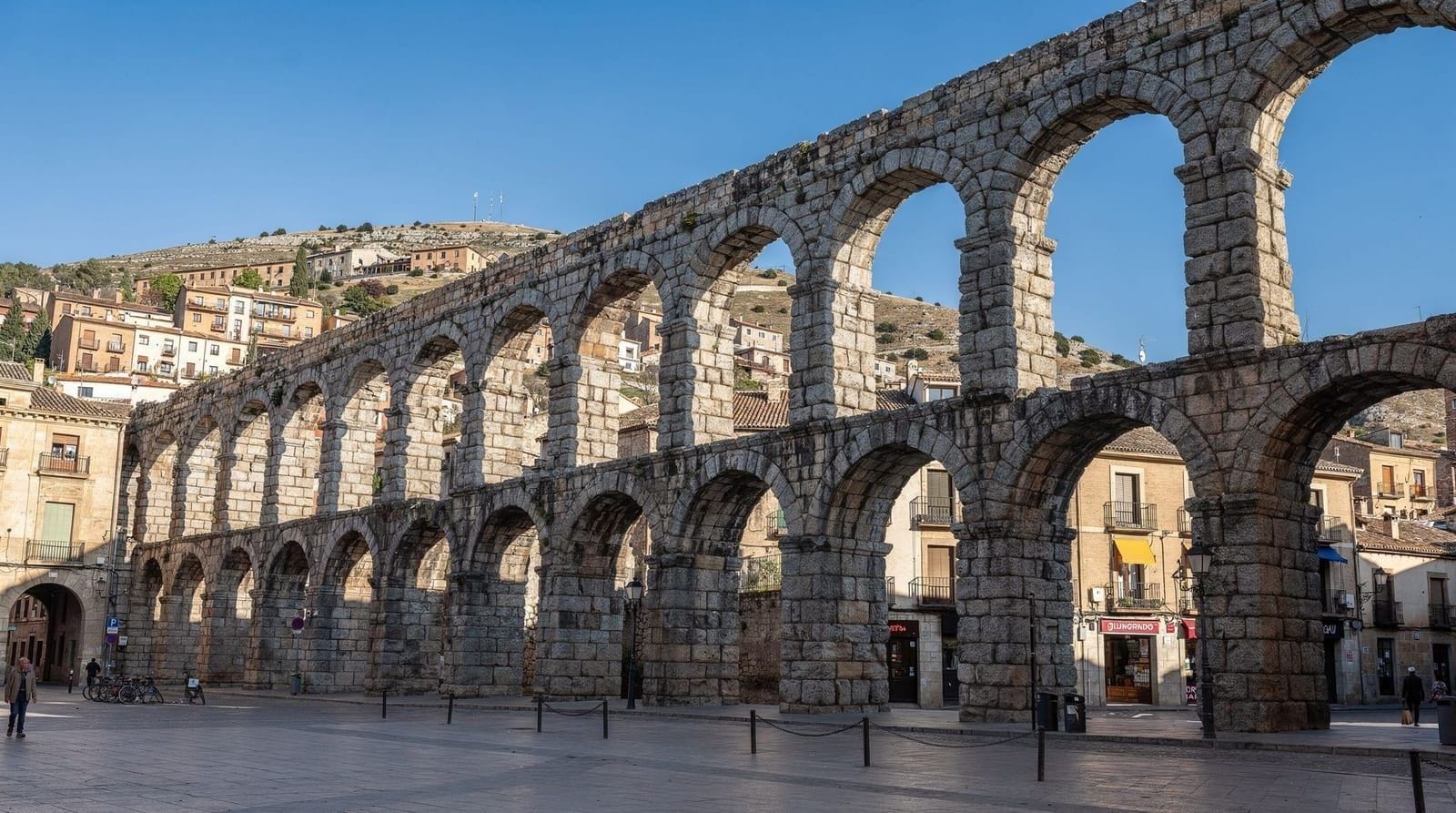
Segovia is 27 minutes from Madrid Chamartín on the AVANT high-speed train. The city’s Roman aqueduct — a 166-arch, 29-metre-high structure built in the 1st or 2nd century AD without mortar — is one of the best-preserved Roman engineering works anywhere in Europe. The Alcázar of Segovia (which may have inspired Disney’s Cinderella Castle) and the Gothic cathedral add further layers.
The Segovia guided walking tour with Alcázar entry covers the aqueduct, Alcázar, and cathedral in a half-day structured visit. Return to Madrid by mid-afternoon with the evening free.
See the Segovia from Madrid guide for independent logistics and the best day trips guide for how to combine both.
Option B: Deeper neighbourhood day
Use Day 5 for the neighbourhood interests you have not covered: the Sorolla Museum (intimate, brilliant, rarely crowded), the Temple of Debod at sunset, Madrid Río along the Manzanares river banks, or the Chamberí neighbourhood for its mid-19th-century architecture and local café culture.
The Mercado de San Miguel near Plaza Mayor is good for a market-visit lunch — the produce and tapas stalls are authentic (unlike some European food halls that skew entirely tourist), though prices are higher than neighbourhood restaurants.
Where to stay for 4–5 days
Sol/Gran Vía: Central for everything, slightly noisy. Best for first-timers. Barrio de las Letras: Quieter, steps from the Prado, excellent restaurant scene. Best mid-range value for culture-focused trips. La Latina: Neighbourhood atmosphere, tapas on your doorstep. Minor inconvenience for the northern (Bernabéu) and western (Royal Palace) sights. Malasaña: Best for nightlife and neighbourhood life; slightly further from the museum triangle.
Full breakdown in the where to stay guide. For a five-day stay, weigh location convenience against the value of splitting your nights: some visitors book three nights centrally (Sol/Barrio de las Letras) and two nights in Malasaña for a change of neighbourhood atmosphere before the final days, though a single well-chosen base usually beats the hassle of changing hotels mid-trip.
Understanding Madrid’s museum landscape
One of the things that catches visitors off-guard on a first Madrid trip is how the three golden triangle museums relate to each other. They are close together on Paseo del Prado, they are all excellent, and they look from the outside like competitors — three versions of the same thing. They are not.
The Prado is the Spanish national collection focused on Old Masters — primarily 15th to 19th century painting, with an extraordinary depth in Spanish and Italian art. It is the museum of monarchy (almost everything here was in royal collections) and of Spanish national identity. It has no modern or contemporary art to speak of.
The Reina Sofía is the national museum of 20th-century Spanish art, from 1900 to the present. It starts where the Prado ends and is specifically focused on Spanish art’s relationship with modernism, political upheaval, and the Civil War. Guernica is its anchor, but the permanent collection is substantial and worth the full visit.
The Thyssen-Bornemisza fills the gap between both: it is a private collection (sold to the Spanish state by Baron Thyssen-Bornemisza in 1993) that covers the full sweep of Western European painting from the 13th century to the 20th, with particular strength in areas the Prado ignores — Dutch and Flemish painting, Impressionism, and early American modernism. Its Edward Hopper collection is the only significant Hopper holding in Europe.
Together, they form a remarkably complete survey of 700 years of Western painting. Each takes at least 90 minutes to visit properly; all three in one day is too much. The conventional approach on a four or five-day trip is one major museum per day, with a smaller museum (Sorolla, Descalzas Reales) as an afternoon addition.
The Bernabéu renovation — what changed
The Santiago Bernabéu stadium reopened in 2023 after a major renovation that took three years and €900 million. The changes are architecturally significant and affect the tour experience substantially compared to pre-renovation visits.
The exterior has been wrapped in a 360° LED panel system that functions as a media facade — 110 metres high, covering the full circumference of the stadium — that transforms the building into an illuminated object visible across the northern city. Inside, a retractable roof now closes over the pitch in 15 minutes, making the stadium viable for concerts and events in wet weather. The pitch itself is mounted on a retractable platform that can slide out on tracks to reveal a flat event floor beneath — a transformation that changes the stadium from a football venue to a general-purpose arena.
The tour circuit includes the new multimedia spaces covering the renovation process and the stadium’s history, the updated trophy room (which now houses all 15 Champions League trophies in a dedicated gallery), and access to the pitch-side tunnel through the players’ entrance. The experience is substantially better than the pre-renovation tour.
Lavapiés in context
Lavapiés deserves a dedicated afternoon on a 4–5-day Madrid trip because it is genuinely different from the rest of the city’s tourist circuit. The neighbourhood has one of the longest histories of ethnic diversity in Madrid — originally the working-class Jewish quarter before 1492, then the home of the working poor and immigrants from every Spanish region, and now a mix of North African, South Asian, West African, South American, and East Asian communities alongside a long-established Madrileño working-class community and a newer wave of artists, students, and professionals.
The result is a neighbourhood where you can eat Ethiopian, Bangladeshi, Moroccan, and Senegalese food within 200 metres; where the street art is excellent and often politically engaged; and where the bars are neither tourist-facing nor particularly Instagrammable but are genuinely good value and genuinely local.
The street art in Lavapiés guide maps the best murals. The neighbourhood around the Mercado de San Fernando has the cheapest and most varied tapas in central Madrid.
Choosing between two day trips and one
Five days gives you room for both Toledo and Segovia; four forces a choice, and it is worth making deliberately rather than by default. Toledo suits history-focused travellers — the layered Christian, Jewish, and Islamic heritage and the El Greco connection reward slow walking and reading plaques. Segovia suits visually-driven travellers — the Roman aqueduct and the Alcázar are immediately striking even without deep historical context, and the town is smaller and easier to cover in four hours rather than six. If you can only pick one and food matters to you, Segovia’s roast suckling pig (cochinillo asado) at a traditional asador is a specific, memorable meal that Toledo does not have an equivalent for. The Toledo vs Segovia guide breaks down transport, cost, and time-on-ground for both.
Realistic budget for 4–5 days
Expect approximately €950–€1,450 per person for five days, excluding flights: accommodation €120–€180/night (€600–€900 for five nights), museum tickets from €55 (Royal Palace and Bernabéu, with the three art museums in their free windows) to about €96 at full price across the Royal Palace, Prado, Reina Sofía, Thyssen and Bernabéu, meals €55–€75/day, and each day trip (Toledo or Segovia) adding €25–€50 including transport, a guided option or tourist bracelet, and lunch on-site. The Tourist Travel Pass is worth adding if you use the metro daily rather than mostly walking — compare the cost against individual tickets in the Tourist Travel Pass guide.
Frequently asked questions about 4–5 days in Madrid
Can I do Toledo and Segovia on the same day trip from Madrid?
It is possible but results in seeing neither properly. Toledo and Segovia are 33 and 27 minutes from Madrid respectively, and each deserves at least five hours of walking. On a 4–5-day trip, dedicate one day to each and treat them as separate experiences. The toledo-vs-segovia guide helps prioritise if you can only do one.
Is the Bernabéu worth visiting if I am not a football fan?
For architecture and cultural interest, yes. The renovation transformed the Bernabéu into one of the more architecturally significant sports buildings in Europe, and the stadium’s scale and technology are impressive regardless of your football knowledge. The Real Madrid story — the political history of the club under Franco, the European Cup wins, the Galácticos era — has broader cultural interest. Non-fans typically spend 60–90 minutes rather than the 2 hours a devoted supporter would.
Which neighbourhood is best for the fourth or fifth night of a Madrid trip?
By day four or five, you have covered the tourist sights; the best evening plan is to pick one neighbourhood for depth rather than trying to hop between them. Malasaña for independent bars and live music; Chueca for restaurants and the LGBTQ+ scene; La Latina for traditional tapas; Chamberí for the quieter, more local-feeling version of all of the above. The Madrid nightlife guide covers the full evening map.
Should I do the Bernabéu or a second day trip if I only have 4 days?
Depends on your interests. If you are even mildly curious about football or modern stadium architecture, keep the Bernabéu — it is a two-hour visit that fits neatly around Day 4’s Lavapiés afternoon. If neither football nor architecture interests you, replace it with a second day trip (Segovia) and use the freed-up morning for the Sorolla Museum or Madrid Río instead.
Day-by-day summary
| Day | Focus | Evening |
|---|---|---|
| Day 1 | Royal Palace, Austrias quarter, Prado | La Latina tapas |
| Day 2 | Retiro, Reina Sofía, Thyssen | Flamenco show |
| Day 3 | Toledo day trip | Late dinner back in Madrid |
| Day 4 | Bernabéu, Chamartín/Salamanca, Lavapiés | Neighbourhood bars |
| Day 5 | Segovia day trip or neighbourhood depth | Farewell dinner |
Practical tips for 4–5 days
- Book Royal Palace, Prado, and Bernabéu in advance. All three have significant walk-in queues in peak season.
- Day trips by AVE. Renfe AVANT trains to Toledo (from Atocha) and Segovia (from Chamartín) are the cleanest option — fast, punctual, cheap. Book at least a day ahead online; seats sell out on weekends.
- Tourist Travel Pass. A 5-day pass covers unlimited metro/bus/Cercanías and waives the airport supplement. Compare prices at the Tourist Travel Pass guide.
- El Rastro happens only on Sundays. If this is on your list, plan around it.
- Madrid free days. Prado and Reina Sofía both have free entry windows. See museum free hours.
Top experiences
Bookable activities with verified prices and instant confirmation on GetYourGuide.