Barrio de las Letras guide: Madrid's literary quarter
Madrid: Prado Guided Skip the Line
What is the Barrio de las Letras and why stay there?
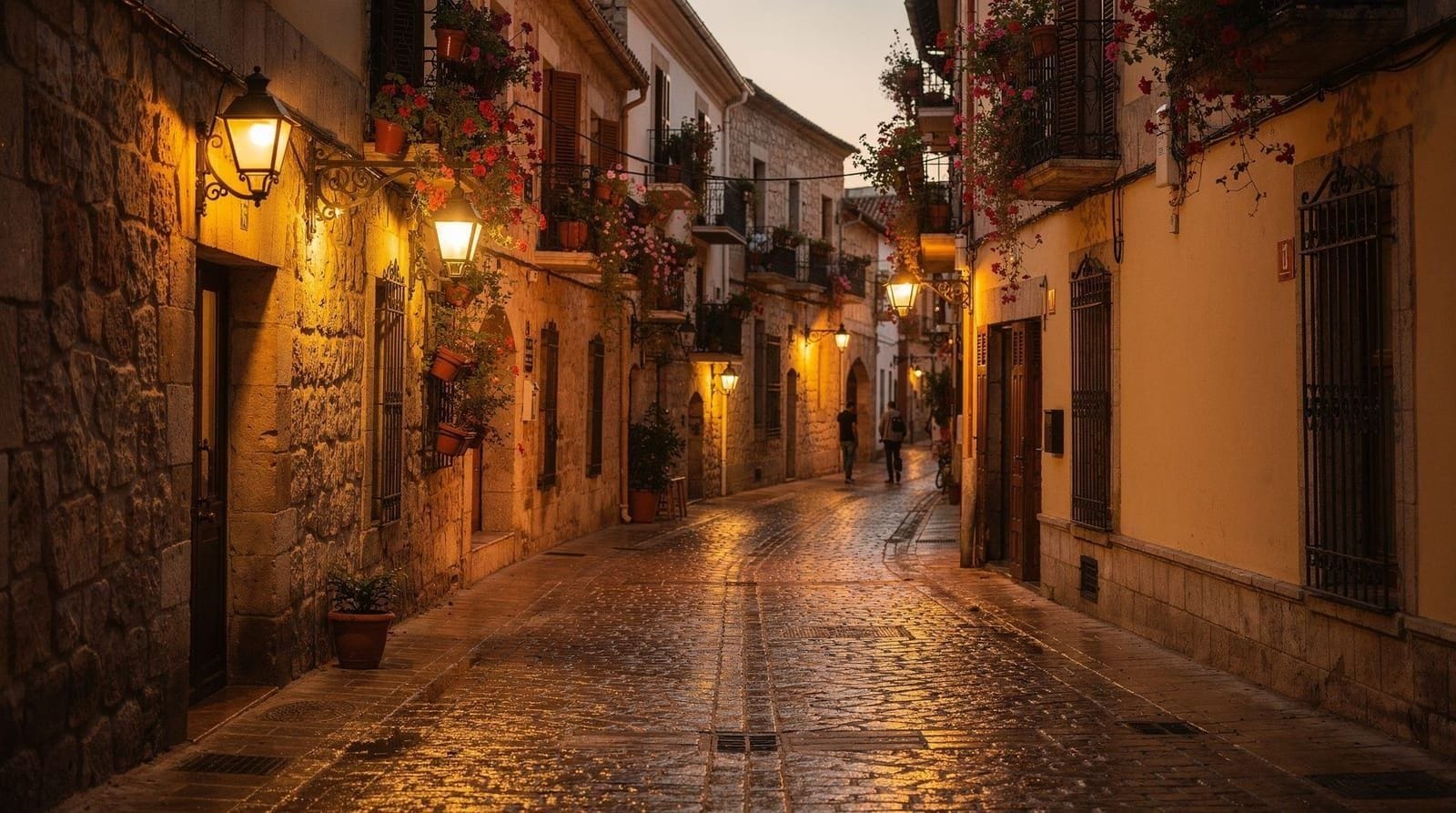
Barrio de las Letras (the literary quarter) is the neighbourhood around Calle de las Huertas, between Puerta del Sol and the Paseo del Prado. It is named for the Golden Age writers who lived here — Cervantes, Lope de Vega, Quevedo — and their names are written in the pavements. It is an excellent base: 10 minutes to the Prado, 15 to Sol, excellent boutique hotels, good restaurants, and calmer nights than Sol or Malasaña.
The literary quarter explained
Barrio de las Letras (the neighbourhood of letters/literature) occupies a roughly triangular area between the Puerta del Sol, the Paseo del Prado, and the southern extension toward Atocha. Its core is the streets around Calle de las Huertas — a pedestrianised street where the names of Spain’s Golden Age writers are embedded in the pavement in bronze lettering.
This is not merely decorative. Cervantes died in 1616 at a house on Calle del León (a marker indicates the site). Lope de Vega — Cervantes’s great contemporary and rival — lived and died in a house on Calle de Cervantes (now the Casa-Museo Lope de Vega, open to visitors). Quevedo, Góngora, and Calderón de la Barca all lived within walking distance. The neighbourhood was the literary centre of one of the greatest literary cultures in history during its peak period.
The Barrio de las Letras destination page covers the history, the Casa-Museo Lope de Vega, and the main cultural attractions. This guide focuses on how to use the neighbourhood as a base and what makes it stand out for accommodation and dining.
| Where | Between Puerta del Sol and Paseo del Prado, centred on Calle de las Huertas |
| Best for | Museum-focused trips, boutique hotels, calmer evenings than Sol |
| To the Prado | Around 10 minutes on foot |
| Hotel prices | Roughly €100–150 boutique standard; €280+ for the Reina Victoria |
| Vibe at night | Wine bars and quiet terraces, earlier-ending than Malasaña |
Why Letras works particularly well for art-museum visitors
The geography is decisive. From the centre of Barrio de las Letras:
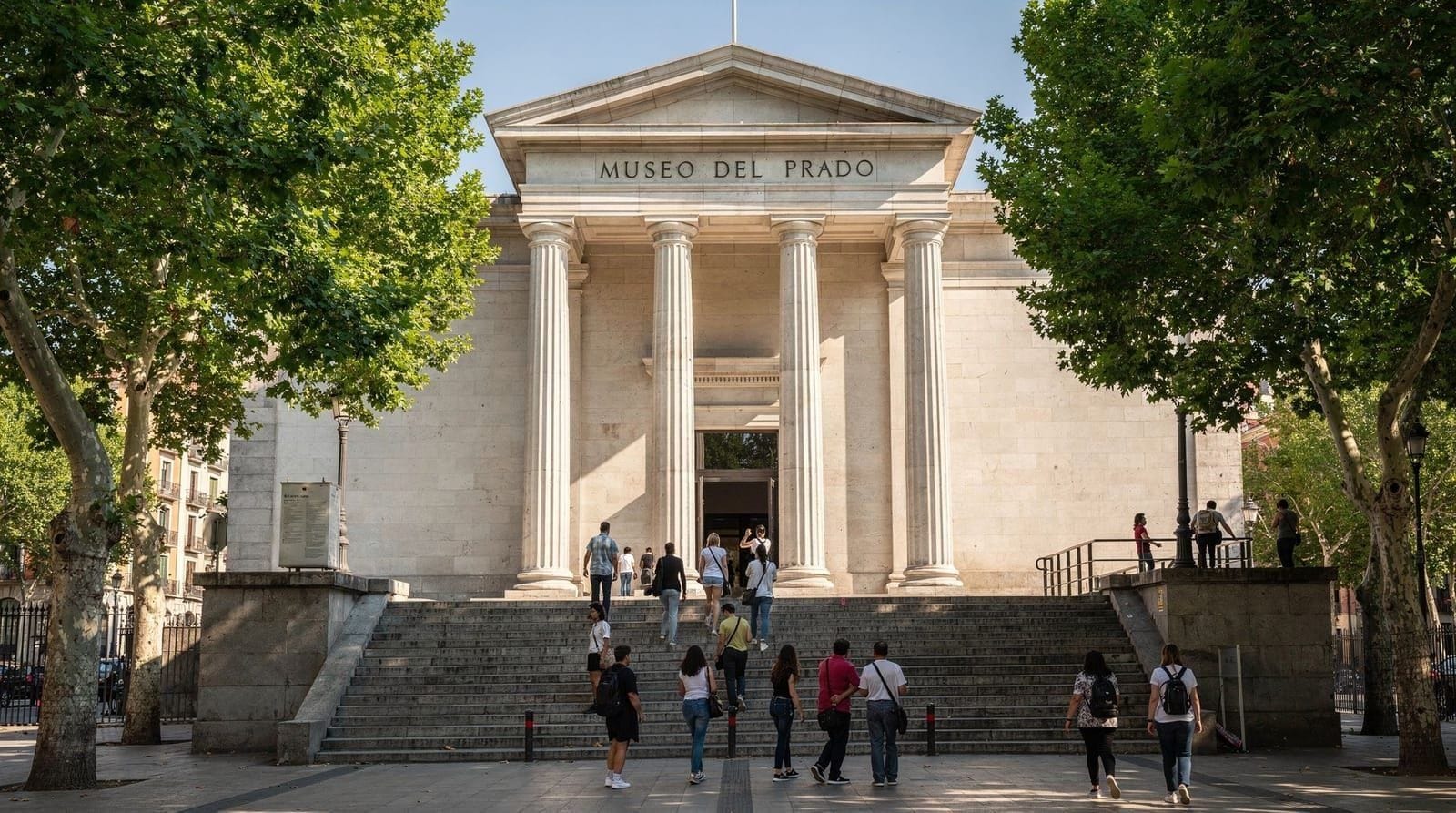
- Prado: 10 minutes’ walk east along Calle del Prado to Paseo del Prado.
- Thyssen-Bornemisza: 12 minutes’ walk (adjacent to the Prado).
- Reina Sofía: 15 minutes’ walk south via Paseo del Prado.
- Sol: 12 minutes’ walk northwest via Carrera de San Jerónimo.
- Plaza Mayor: 15 minutes’ walk via Calle de la Cruz and Calle Mayor.
No neighbourhood in Madrid gives closer combined access to all three members of the Golden Triangle of art museums. If your Madrid programme includes multiple museum days — and it should — Las Letras is operationally the best base in the city.
The free museum strategy from Las Letras
One of Madrid’s genuinely valuable travel tips: the Prado is free Monday–Saturday 18:00–20:00 and Sunday 17:00–19:00. The Reina Sofía is free Tuesday–Saturday 19:00–21:00 and Sunday 13:30–15:00. The Thyssen is free on Mondays.
From a Las Letras hotel, you can walk to the Prado for the free evening slot, return for dinner at a Huertas neighbourhood restaurant, and be back to your hotel before 22:00 — efficiently completing two of the city’s three major cultural experiences in two evenings without queuing.
The museum free hours guide and the honest museum free hours breakdown cover this strategy in detail.
Plaza de Santa Ana: the neighbourhood hub
Plaza de Santa Ana is the social centre of Barrio de las Letras — a wide, pleasant square with terraces on three sides. The Huertas pedestrian street leads off it westward; the Teatro Español (one of Madrid’s principal stages, dating to the late 16th century) anchors its eastern end.
The square has restaurants and bars at all price points. The tourist density here is higher than on the side streets — use the plaza for sitting and watching, use the side streets for eating and drinking.
Cervecería Alemana (Plaza de Santa Ana 6): A 1904-vintage German-style beer hall. Hemingway drank here — the bar now uses this enthusiastically. The cerveza is properly cold, the tapas are honest, and the terrace on the plaza is a genuine pleasure on a warm evening. Tourist pricing is in effect but not absurdly so.
La Dolores (Plaza de Jesús 4, adjacent to Santa Ana): Smaller, cheaper, and arguably better than Cervecería Alemana. Dark bar, old tiles, excellent vermouth and wine selection.
Where to eat in Barrio de las Letras
Casa Alberto (Calle de las Huertas 18): One of the oldest taverns in Madrid, opened 1827. The ground floor bar serves vermouth from the barrel; the restaurant upstairs serves traditional cocido madrileño and callos (tripe stew). The building itself is worth seeing — late 19th-century tile decoration, original fittings.
Estado Puro (Plaza de las Cañas 4): Creative tapas from a concept associated with a Michelin-starred kitchen (Paco Roncero). More ambitious and expensive than a traditional taberna, but the quality justifies it. Good wine list.
La Finca de Susana (Calle de Arlabán 4): The best value-for-money restaurant in the neighbourhood — a set lunch menu (€11–13 on weekdays) that is reliably good. Long queues on weekend evenings.
Taberna Oliveros (Calle del Amparo): Old-school Spanish taberna with good jamón and cheese boards, vermouth on tap.
Where to stay in Barrio de las Letras
The hotel stock in Las Letras is the best in Madrid at the boutique level — old buildings with genuine architecture, converted thoughtfully, run at service standards that outperform the Sol-area tourist-trade hotels.
Hotel Intur Palacio San Martín (Plaza de San Martín 5): A 19th-century palace conversion — high ceilings, original architectural details, 94 rooms. Doubles from €120. One of the best value mid-range stays in central Madrid. The location on the quiet Plaza de San Martín is excellent.
Catalonia Las Cortes (Calle del Prado 6): Boutique hotel in a converted 18th-century palace, 63 rooms. Doubles from €150. The public spaces (salons, bar) retain original decorative elements. Very well managed.
ME Madrid Reina Victoria (Plaza de Santa Ana 14): The prestige property on the square — rooftop pool, high design, spectacular views from the upper floors. Doubles from €280; rooftop access from higher floors. Genuinely impressive but expect tourist pricing throughout.
Hotel Lope de Vega (Calle de Lope de Vega 49): Thematic connection to the neighbourhood’s literary heritage, comfortable four-star standard. Doubles from €100. Well-located for the Prado walk.
Nightlife in Las Letras: managed
Barrio de las Letras has bars — many of them — but its nightlife is calmer and earlier-ending than Malasaña or Chueca. The area fills on Thursday and Friday nights but empties more quickly than the nightlife-focused neighbourhoods. This is an advantage if you need to be functional for 09:30 museum opening times.
El Café de la Luz (Calle del Tribulete 14): More quiet café than bar — the right tempo for Las Letras at midnight.
The Sherry Corner (Calle Echegaray): Calle de Echegaray is the bar street of the neighbourhood — a concentration of wine bars and drinking establishments. The sherry specialist here provides an affordable education in Spanish fortified wine.
Barrio de las Letras in a broader trip
Las Letras makes most sense as a base for a trip where museums occupy a significant proportion of time. If your Madrid visit is primarily about nightlife, Malasaña or Chueca are better fits. If your visit is balanced between sightseeing, food, and culture, Las Letras is a consistently excellent choice.
For the broader comparison, see where to stay in Madrid and the best area for first-time visitors guide.
The literary quarter and Cervantes guide covers the cultural-heritage dimension of the neighbourhood in depth.
The theatre scene in Barrio de las Letras
Las Letras has Madrid’s highest concentration of theatres in the old-fashioned sense — actual theatre buildings rather than concert halls or cinemas. This reflects the neighbourhood’s historical role as the centre of dramatic writing in Golden Age Spain.
Teatro Español (Plaza de Santa Ana 2): The main stage of the national theatre on the plaza. The current building dates to 1745 but incorporates elements from earlier structures on the same site. Programming mixes classic Spanish drama (Lope de Vega, Calderón) with contemporary productions. The exterior, with its Neoclassical columns, frames the eastern side of Plaza de Santa Ana.
Teatro de la Comedia (Calle del Príncipe 14): Seat of the Spanish National Classical Company (CNTC). Specialises in Golden Age Spanish drama — if you read Spanish, seeing Lope de Vega or Calderón performed here, in the neighbourhood where they lived, is a genuinely unusual experience.
Teatro Bellas Artes (Calle del Marqués de Casa Riera 2): Mid-sized theatre with quality contemporary programming. More accessible for non-Spanish-speakers than the classical venues.
Teatro Valle-Inclán (Plaza de Lavapiés): On the boundary between Letras and Lavapiés. The national theatre’s second major stage, with more experimental and contemporary programming.
For visiting theatre-goers: performances in Spain typically start at 20:00 or 22:00. Arriving at 19:30 for an 20:00 performance in Las Letras is comfortable — a quick dinner at 18:30 and then the walk to any of these theatres takes under 10 minutes from the central Huertas area.
Wine bars and the Las Letras evening circuit
The neighbourhood’s bar scene is more wine-focused and sophisticated than the beer-and-tapa culture of La Latina, and less nightlife-oriented than Malasaña. This makes it particularly suitable for visitors who want to drink and eat well in the evening without committing to a late night.
Calle de Echegaray: Madrid’s main wine and sherry bar street. The concentration of specialist wine bars on this one short street is the highest in the city. The Sherry Corner for fortified wine education; Vinícola Mentridana for natural wine; other bars with rotating selections from small Spanish producers.
Calle de las Huertas (western end, toward Sol): Several long-established bars including Cervecería Alemana and La Dolores that function as anchor institutions for the area’s evening life.
El Imparcial (Calle del Duque de Alba 4, border with Lavapiés): A cultural centre and bar in a beautifully renovated 19th-century building — exhibitions, events, quality food. One of Madrid’s best contemporary cultural venues to eat in.
Day structure: how to spend a day based in Las Letras
Morning (09:30–13:00): Walk the literary pavement streets — Calle de las Huertas, Calle del León, Calle de Cervantes. Stop at Casa-Museo Lope de Vega (Calle de Cervantes 11, open Tuesday–Sunday, free, advance booking required). Continue to the Thyssen-Bornemisza (opens 10:00), which is a 12-minute walk east along Carrera de San Jerónimo toward Paseo del Prado. The Thyssen’s permanent collection — Dutch masters, Impressionists, 20th-century European — takes two to three hours.
Midday (13:30–16:00): Lunch in the neighbourhood. Casa Alberto on Calle de las Huertas (opened 1827) for a traditional Spanish lunch. The nearby Calle de Echegaray has wine bars for a more informal option.
Afternoon (16:00–18:00): Walk through La Latina (20 minutes west) or south to Lavapiés (15 minutes) for afternoon exploration.
Evening (18:00–20:00): Return to the Prado for the free evening opening. The museum closes at 20:00; arrive by 18:00 for maximum time. From your Las Letras hotel, this is a 10-minute walk.
Dinner (21:00–23:00): Back in the neighbourhood. Estado Puro for creative tapas, or one of the Plaza de Santa Ana terraces for something more relaxed.
Las Letras and Calle de Echegaray
Calle de Echegaray is the bar and wine street of Barrio de las Letras — a short street connecting Carrera de San Jerónimo with Calle de las Huertas. The concentration of specialist wine bars and casual drinking establishments here is the most interesting in the neighbourhood.
The Sherry Corner: One of Madrid’s few specialist sherry bars. An education in Spanish fortified wine (manzanilla, fino, amontillado, oloroso, palo cortado) at reasonable by-the-glass prices. The bar staff explain rather than just pour.
Vinícola Mentridana: Natural wine bar, small plates, good selection from smaller Spanish producers. Evenings from 20:00; booking advisable on weekends.
The Golden Triangle from Las Letras
From a Las Letras base, the three-museum circuit is more efficiently done than from any other neighbourhood. The practical logistics:
- Day 1 evening: Prado free hours, 18:00–20:00. Walk 10 minutes.
- Day 2 morning: Thyssen full visit (opens 10:00). Walk 12 minutes.
- Day 3 (free hours): Reina Sofía free evening, Tuesday–Saturday 19:00–21:00. Walk 15 minutes.
Total transport cost for all three: €0. Total walking: under 40 minutes combined. This is the best-value museum circuit in any European city — comparable collections elsewhere would cost €40–60 in entry fees.
The museum free hours guide is required reading for any Las Letras base.
If the free evening slots don’t suit your schedule, or you would rather have the collections explained than wander alone, a paid visit is a sensible alternative: a guided Prado visit with skip-the-line entry starts a short walk from your hotel and avoids the queue. Travellers who want to cover more than one museum in a single outing can look at a guided tour of the three Golden Triangle museums, which fits neatly with a Las Letras base because every museum is on foot from your door. For the museums themselves, see the Prado museum guide, the Reina Sofía guide and the Golden Triangle art walk.
Getting around from Las Letras
Las Letras is walkable to most central sights, which reduces how much you need public transport day to day. The nearest Metro stations are Sevilla (Line 2), Antón Martín (Line 1), and Sol (Lines 1, 2, 3) — all within a 5–10 minute walk of the neighbourhood’s core. For day trips, this location is genuinely convenient: Atocha station (for Toledo, Aranjuez and southern Spain) is a 10–15 minute walk, meaning you can skip the Metro entirely on AVE mornings if you’re travelling light. See the Atocha vs Chamartín guide if your day trips lean toward the northern routes instead, since reaching Chamartín takes longer from this side of the city.
Weekday vs weekend character
Las Letras shifts noticeably between weekdays and weekends. On weekdays, the neighbourhood is calmer during the day (locals at work) and settles into a manageable dinner-and-wine-bar rhythm by 21:00–23:00. Weekends bring more visitors to Plaza de Santa Ana and the Huertas restaurants, plus a livelier late-afternoon terrace culture as Madrileños from other neighbourhoods come for lunch and drinks. If your priority is the quietest possible stay, aim for a Sunday–Wednesday visit; if you want to see the neighbourhood at its most animated without the intensity of Malasaña, Friday and Saturday evenings deliver that without tipping into all-night nightlife.
Accommodation choices by type
The Las Letras hotel market is notably good at the boutique level. More than in any other central Madrid neighbourhood, the hotels here have invested in quality of conversion — historic buildings with retained architectural details, room proportions that reflect the original building rather than maximum occupancy packing.
For families, Hotel Intur Palacio San Martín (quiet plaza location, spacious rooms) is the most suitable option. For couples, ME Madrid Reina Victoria (rooftop pool, Plaza de Santa Ana location) is the aspirational choice. For solo travellers, the smaller guesthouses on Calle de Atocha provide excellent value.
Literary walks: what to look for
The pavements of Barrio de las Letras are embedded with quotations from the Spanish Golden Age writers who lived here. A slow walk through the neighbourhood reading the ground is one of the most distinctive experiences Madrid offers.
Key locations:
- Calle del León 27: Cervantes lived and died here in 1616. The building is marked with a plaque; the exact house was demolished in the 19th century and rebuilt.
- Calle de Cervantes 11: Casa-Museo Lope de Vega. The great playwright’s house, preserved with period furniture and documentation. Open Tuesday–Sunday.
- Convento de las Trinitarias (Calle de Lope de Vega): Cervantes is buried here, in a vault rediscovered in 2015 after centuries of uncertainty. The convent is still occupied by nuns; access to the church is limited but the facade and the historical significance are accessible from the street.
- Calle de Quevedo: Named for Francisco de Quevedo, who also lived in the neighbourhood. His satirical verse was the 17th-century equivalent of political commentary — dangerously sharp.
For a structured walk through the literary heritage, the literary quarter and Cervantes guide provides the full route and context.
If you would like to see the quarter’s literary streets and then move on to the Retiro without tiring your legs, an e-bike tour linking the literary quarter and Retiro Park is an easy way to combine the two. Our e-bike tours guide and Retiro Park guide help you decide whether it suits your trip.
How Las Letras compares to Sol and La Latina as a base
| Barrio de las Letras | Sol / Centro | La Latina | |
|---|---|---|---|
| Best for | Museums, boutique hotels, calmer evenings | First-time visitors, central logistics | Tapas, weekend atmosphere |
| Noise at night | Moderate, earlier-ending | High, especially weekends | High on Sundays (Rastro) |
| Walk to Prado | ~10 min | ~15–20 min | ~20 min |
| Hotel style | Boutique conversions | Mixed, more tourist-trade | Fewer hotels, more apartments |
If you’re weighing Las Letras against other central options, the where to stay in Madrid guide and the Sol/Centro guide cover the alternatives in more depth.
Frequently asked questions about Barrio de las Letras
Is Barrio de las Letras safe at night?
Yes — it’s one of central Madrid’s more sedate neighbourhoods after dark, with a wine-bar and dinner crowd rather than a heavy nightlife scene. Standard city-centre precautions apply (watch belongings in busy terraces, stick to lit streets), but it doesn’t carry the same late-night intensity as Malasaña or the Sol party strip.
How does Barrio de las Letras compare to La Latina for a first-time visit?
They serve different purposes. La Latina is Madrid’s best tapas-crawl neighbourhood, especially on Sundays after El Rastro, but has fewer quality hotels and a louder evening scene. Las Letras is the stronger choice if your priority is a comfortable, well-located base for museum days with good but calmer dining nearby — many visitors do both, staying in Las Letras and walking to La Latina for an evening out.