Atocha vs Chamartín: which Madrid station do you need?
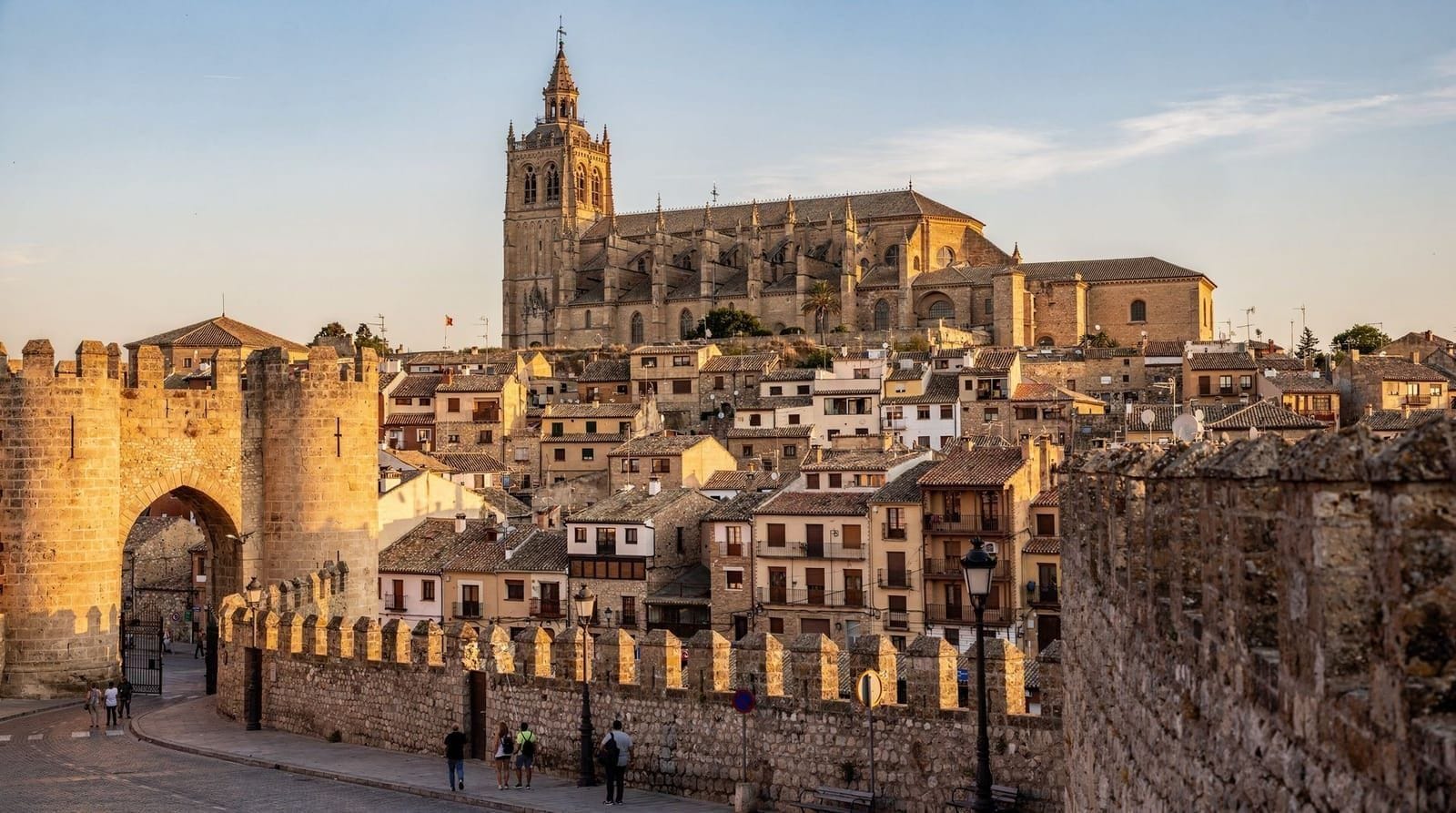
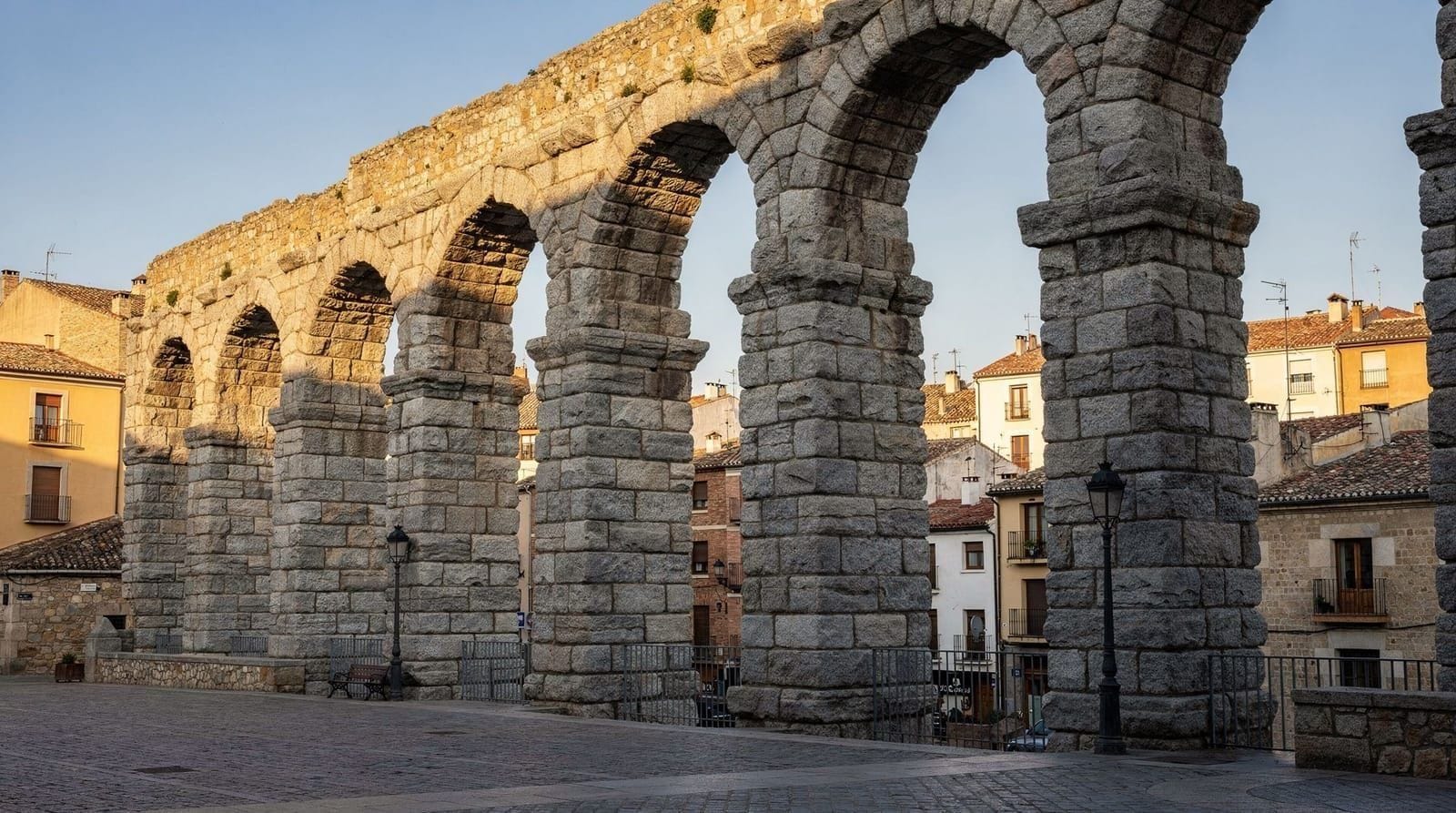
Segovia: Segovia Toledo Full Day
Which Madrid station should I use — Atocha or Chamartín?
Atocha (south) for Toledo, Seville, Valencia, Córdoba, and most south-Spain AVE routes. Chamartín (north) for Segovia, Ávila, Barcelona, Zaragoza, and north Spain. Both are on Metro Line 1, about 20 minutes apart by metro. Check your Renfe ticket — it will clearly state which station.
The direct answer: Going to Toledo or Seville? Atocha. Going to Segovia or Barcelona? Chamartín. Both on Metro Line 1. If you’re uncertain, your Renfe ticket will always show the departure station — always check.
| Atocha serves | Toledo, Seville, Valencia, Córdoba, Málaga, Granada |
| Chamartín serves | Segovia, Ávila, Barcelona, Zaragoza, Bilbao |
| Distance between them | ~15–20 min by Metro Line 1, or ~20 min by Cercanías C-1 |
| Security screening | Both require it for AVE/AVANT — Renfe recommends arriving 30 min before departure |
| Airport connection | Cercanías C-1 links T4 to both stations directly |
Madrid’s two main railway stations
Madrid is unusual among European capitals in having two major long-distance train stations rather than one central hub. Atocha (official name: Madrid Puerta de Atocha–Almudena Grandes) serves the south and east. Chamartín (official name: Madrid Chamartín–Clara Campoamor) serves the north and some east routes.
Most first-time visitors arrive expecting one central station and are caught off guard. The confusion is compounded by the fact that some services (including certain Barcelona trains) depart from both stations at different times. Getting this wrong means missing your train — sometimes by going to the wrong side of the city entirely.
Atocha: the southern hub
Atocha is the larger, more historically significant station and the one most tourists interact with. It sits in the south-centre of Madrid, close to the Prado, Retiro park, and the Paseo del Prado museum corridor.
Destinations from Atocha (selection):
- Toledo — AVANT, 33 minutes
- Cuenca — AVE, 55 minutes
- Seville — AVE, approximately 2h30
- Córdoba — AVE, approximately 1h40
- Málaga — AVE, approximately 2h30
- Granada — AVE, approximately 3h (via Antequera)
- Valencia — AVE, approximately 1h40
- Alicante — AVE, approximately 2h
- Zaragoza — some services
- Barcelona — some services (also from Chamartín)
Cercanías from Atocha:
- C-3: Aranjuez (45 minutes, covered by Tourist Travel Pass)
- C-4: Chamartín (cross-city, 20 minutes)
- C-1 airport: Not from Atocha — see below
Getting to Atocha:
- Metro: Line 1, station “Atocha Renfe” (one stop from Sol)
- Bus: Lines 10, 14, 19, 32, 45, 57
- Taxi from Sol: 10–15 minutes, approximately €7–€10
- Walking from Sol: 20–25 minutes down Atocha street
Facilities at Atocha: The old 19th-century iron-and-glass station building houses the famous tropical garden — 4,000 square metres of lush vegetation including palms, ferns, and tropical plants inside the old station shed. It is genuinely worth 10 minutes of your time even if you’re not taking a train. The new high-speed station is a separate glass building attached to the old structure. Facilities include: luggage storage (consigna), pharmacies, cafés, ATMs, press kiosks, a VIP lounge, and left-luggage lockers.
Chamartín: the northern hub
Chamartín is in the north of Madrid, near the Bernabéu stadium and the financial district. It is less immediately scenic than Atocha but better placed for travellers staying in northern districts or planning to visit the Bernabéu.
Destinations from Chamartín (selection):
- Segovia — AVE/AVANT, 27–30 minutes
- Ávila — Regional/AVANT, approximately 1h30
- Salamanca — Regional, 1h40–2h45
- Valladolid — AVE, approximately 1h
- Burgos — AVE, approximately 1h20
- Bilbao — Alvia, approximately 5h
- San Sebastián — AVE, approximately 4h
- Barcelona — AVE, approximately 2h45 (also from Atocha)
- Zaragoza — AVE, approximately 1h15 (also from Atocha)
Cercanías from Chamartín:
- C-1: Airport (T4), Nuevos Ministerios, Recoletos, Atocha (the cross-city line)
- C-8: El Escorial (approximately 1 hour, covered by Tourist Travel Pass)
- C-8: El Escorial (alternative routing)
- C-4: Atocha direction
Getting to Chamartín:
- Metro: Line 1 or Line 10, station “Chamartín”
- From Sol by metro: approximately 20–25 minutes on Line 1
- Cercanías C-1: from Atocha to Chamartín in 20 minutes (if you need to cross from south to north)
- Taxi from Sol: 20–30 minutes, approximately €12–€18 (more in traffic)
Facilities at Chamartín: The station is more modern and functional than Atocha — less atmospheric but well-organised. Luggage storage, ATMs, cafés, and restaurants. A large shopping area inside the complex.
The key question: which station for which day trip?
| Destination | Station | Journey time |
|---|---|---|
| Toledo | Atocha | 33 min |
| Segovia | Chamartín | 27–30 min |
| Ávila | Chamartín | ~1h30 |
| Cuenca | Atocha | ~55 min |
| El Escorial | Chamartín or Atocha (Cercanías C-8) | ~1h |
| Aranjuez | Atocha (Cercanías C-3) | ~45 min |
| Alcalá de Henares | Atocha or Chamartín (Cercanías C-2) | ~40 min |
The Toledo/Segovia split catches visitors every time. Toledo = Atocha (south). Segovia = Chamartín (north). Write it somewhere.
How to cross between the two stations
If you’re doing both Toledo (Atocha) and Segovia (Chamartín) on consecutive days, or need to transfer:
Cercanías C-1 connects Atocha and Chamartín directly in approximately 20 minutes. This is the fastest and cheapest option (covered by Tourist Travel Pass). Train frequency: every 20–30 minutes.
Metro Line 1 runs the full length from Valdecarros (southeast) through Atocha Renfe and Sol up to Chamartín. From Atocha to Chamartín: approximately 15–20 minutes, 10 stations.
Taxi: Approximately 20–30 minutes, €12–€18 depending on traffic. Not recommended during rush hour.
Finding your train at each station
Atocha: The high-speed departures (AVE, AVANT, Alvia) are in the glass building, accessed through a separate entrance from the garden building. Check the departure boards for your platform number — platforms are numbered and announced approximately 20 minutes before departure. You’ll need to pass through a security scan (like an airport) before accessing the platforms.
Chamartín: Similar process. Security scan required for high-speed train access. Platforms are clearly numbered. Check the boards at least 30 minutes before departure.
At both stations, have your ticket (or digital ticket on phone) and ID ready for the security check. Renfe requires ID verification for some ticket types.
Left luggage storage
Both stations have luggage storage (consigna), important if you want to leave bags before checking into your hotel or before a day trip:
Atocha: Consigna is in the main hall near the gardens. Open daily 07:00–22:00, with a break between 14:15 and 14:45 (Adif); check Adif for current prices.
Chamartín: Luggage storage is also available; check Adif for current hours and prices.
If arriving early and your hotel doesn’t open for check-in until 14:00, dropping bags at Atocha or Chamartín and exploring on foot is a practical solution. See where to stay in Madrid for hotel areas near each station.
Which station is closer to what?
Atocha is better placed for:
- The Prado Museum (12-minute walk)
- Retiro Park (8-minute walk)
- Paseo del Prado / Thyssen
- La Latina and Lavapiés (15–20 minutes by foot or 1 Metro stop)
- Hotels in the literary quarter (Barrio de las Letras)
Chamartín is better placed for:
- Santiago Bernabéu stadium (20-minute walk or 2 Metro stops on Line 10)
- Hotels in northern Madrid (Cuatro Caminos, AZCA financial district)
- The financial district and IFEMA (exhibition centre)
For most first-time tourists staying in central Madrid (Sol, Malasaña, La Latina, Barrio Letras), Atocha is more useful — it’s one Metro stop from Sol, and most of the high-traffic day trips (Toledo above all) depart from there.
Renfe ticketing at each station
Both Atocha and Chamartín have Renfe ticket counters, self-service machines, and the Renfe app. The machines accept cards and cash and have an English-language option. For AVE and AVANT tickets, you can also buy directly on renfe.com and show a digital ticket (QR code) on your phone — no need to print or collect.
Security scan: Both stations operate airport-style security for high-speed train platforms. You’ll go through an X-ray machine and bag scanner before accessing AVE and AVANT platforms. Renfe recommends being at the station at least 30 minutes before departure, and access to the train closes 2 minutes before it leaves. This is different from Cercanías trains, which have no security screening — you can board right up to departure.
Platform announcements: In both stations, the specific platform (vía) for your train is usually announced approximately 15–20 minutes before departure. Boards throughout the station show departures and platform numbers. Your ticket will show the scheduled platform, but verify on arrival as platforms sometimes change.
Renfe Ticketing tip: If you’ve bought a Promo fare (non-refundable, non-changeable), arrive early — you cannot get a refund if you miss the train. Flexible and Plus fares allow changes but cost more. For day trips to Toledo and Segovia where multiple trains run throughout the day, the non-refundable Promo fare is usually worth the risk.
Planning your travel around the stations
If you’re staying near Sol, Atocha is your primary station. The journey from Sol by Metro (Line 1) takes 5–7 minutes, one stop. You can walk it in 20–25 minutes if you have time.
If you’re staying in northern Madrid (Chamberí, Cuatro Caminos): Chamartín on Metro Line 1 may be closer. Check the journey time from your specific hotel.
For multi-day itineraries using both stations: The Cercanías C-1 cross-city link makes the stations logistically connected. If you’re doing Toledo one day (Atocha) and Segovia the next (Chamartín), you don’t need to think about being near both stations — the Metro connects them in under 20 minutes.
For early morning trains: Both stations have bars and cafés that open from approximately 06:30–07:00. If you have a 07:00 AVANT to Toledo, you can get coffee and a tostada inside the station before boarding. The Atocha café nearest the high-speed platforms (inside the security area) is more convenient than heading to the station café outside security.
The architecture of Atocha: worth a stop
Atocha is not just functionally important — the original 19th-century station building (now called the old station hall) is one of Madrid’s best architectural experiences. Designed by Alberto de Palacio and Gustavo Eiffel’s collaborators, the iron-and-glass hall was constructed in 1892. In the 1990s, it was converted into a massive tropical garden — 4,000 square metres of lush vegetation including palms, bamboo, ferns, and subtropical plants, with turtles living in the ponds.
Admission to the garden is free and no ticket is required. It is accessible from the main station concourse. Even if you are not catching a train, spending 15 minutes in the tropical garden is worth a small detour if you are in the Atocha/Prado area. The contrast between the Madrid street climate and the humid garden interior is striking.
The adjacent Museo Reina Sofía (Guernica) is a 3-minute walk from Atocha station — making the station a natural starting point for a museum morning followed by a day trip to Toledo in the afternoon.
Chamartín: the northern gateway
Chamartín is less scenically interesting than Atocha but serves an important geographic function. It is the starting point for AVE services to the north and northwest of Spain — destinations that shaped much of Spanish and European history:
- Valladolid (1 hour): one-time capital of the Spanish Crown; Columbus died here; Royal Palace of La Granja nearby
- Burgos (1h20): Castilian Gothic cathedral, Camino de Santiago starting point, Cid Campeador’s city
- Salamanca (1h40–2h45 by regional train): Spain’s finest Renaissance plaza mayor and one of Europe’s oldest universities
- San Sebastián/Donostia (AVE, ~4h): Basque culinary capital, pintxos bars, stunning bay
For a Madrid visitor considering longer rail excursions beyond the standard day trips, Chamartín opens the northern circuit. These are generally better as overnight trips than day trips due to the travel time.
Airport connection: neither station directly serves all terminals
This is another common confusion point. The airport Cercanías C-1 runs between T4 and Chamartín (via Nuevos Ministerios and Atocha). So if you’re arriving by plane and heading to Chamartín to catch a train to Segovia, a single Cercanías journey (C-1) covers both legs. If you need to reach Atocha from the airport via Cercanías, the C-1 also stops at Atocha — same route. See the airport to city guide for the full airport transport picture.
Planning your trip around station access
Knowing which station you need shapes where you should stay in Madrid. Here’s the practical logic:
If your itinerary is Toledo-heavy (Atocha): Stay in La Latina, Barrio Letras, or Lavapiés — all within 15 minutes of Atocha by Metro or 20–25 minutes on foot. The Prado is also a 15-minute walk from Atocha, making morning museum + afternoon Toledo day trip a natural combination.
If your itinerary is Segovia-heavy (Chamartín): Consider staying in Chamberí or Almagro — northern central districts closer to Chamartín on Line 1 or Line 10. Still within 20 minutes of Sol but a 5-minute shorter Metro ride to Chamartín.
Mixed itinerary (both stations): Stay in Sol, Gran Vía, or Malasaña — the geographic centre. Atocha is 5 minutes by Metro (one stop from Sol on Line 1). Chamartín is 15–20 minutes (10 stops on Line 1). Both are equally manageable from the centre.
The security scan: what to expect
Both Atocha and Chamartín operate airport-style security screening for all AVE and AVANT passengers. You will go through:
- An X-ray belt for bags and luggage
- A body scanner or metal detector arch
- Passport/ID check when boarding if your ticket is under someone’s name
Renfe recommends being at the station at least 30 minutes before departure; access to the train closes 2 minutes before it leaves. At peak times (summer mornings, Friday afternoons when Madrileños travel for the weekend), the queue can be 10–15 minutes alone.
What triggers screening issues:
- Liquids over 100ml in a carry-on bag (same as airports, rare on trains but applies)
- Long kitchen knives or other regulated items
- Bulky items that don’t fit through the scanner
Practical impact on timing: If you have an 09:00 AVANT to Toledo and you’re staying in central Madrid, leave your hotel at 08:20. One Metro stop from Sol to Atocha Renfe takes 5–7 minutes; add 5 minutes to walk to the AVE area of the station, 15 minutes for security. That gets you to the platform at 08:45 with comfortable time.
Checking your Renfe ticket: a step-by-step guide
If you’re unsure which station your ticket is for, here’s how to read a Renfe ticket:
Paper ticket: The origin station is printed in the “Desde” (From) field. “Madrid-Pu.Atocha” = Atocha. “Madrid-Chamartín” = Chamartín.
App ticket (Renfe app): The journey details show the full station name. The departure platform is updated approximately 20 minutes before departure on the app’s journey tracker.
QR ticket (email): Same information in the PDF. Look for “Salida” (departure) station.
If you’re still uncertain, Google your ticket number in the Renfe app or website — it will show the exact station.
Buying tickets: in advance vs at the station
For popular day-trip routes (Toledo, Segovia) with frequent departures, buying at a self-service machine on the day is usually fine outside peak summer weekends — trains run every 30–60 minutes and rarely sell out completely. For longer AVE routes (Seville, Barcelona, Málaga) or travel during Easter week, August, or Christmas, book online in advance through renfe.com or the Renfe app; prices rise as departure approaches and popular trains do sell out on these routes. The cheapest fares (Básico/Promo) are non-refundable and non-changeable, which is a reasonable trade-off for day trips where several alternative departures exist, but riskier for a one-off long-distance journey with a fixed onward connection.
Digital vs paper tickets: A QR code on your phone (from the Renfe app or email) works at both stations’ security checks and platform gates — there’s no need to print anything or collect a physical ticket at a counter, though self-service machines can print one if you prefer a backup.
Waiting comfortably: food and seating near security
Both stations have a mix of fast food, cafés and small restaurants both before and after the security checkpoint for high-speed platforms. Before security (accessible without a ticket) tends to have more variety and lower prices — useful if you’re arriving very early or just seeing someone off. After security (Atocha’s high-speed departure lounge and Chamartín’s equivalent) has a smaller selection but saves you from queueing twice if your train is imminent. If you have more than 45 minutes before departure, clearing security first and then relaxing with a coffee airside removes any risk of a slow queue eating into your buffer.
Historical note: why two stations?
Madrid’s two-station situation reflects the history of Spanish railway development. The first Madrid railway lines (19th century) were built by competing private companies radiating in different directions from different points in the city. Atocha was the terminus for southern and Levante routes; the northern terminus developed separately. Railway nationalisation in 1941 (creating RENFE) unified operations but not infrastructure — the two stations remained.
This is common across European capitals that developed railways pre-nationalisation: London has 9 main stations, Paris has 6, Berlin has multiple. Madrid, with only two major long-distance stations, is actually less complicated than most. The key difference is that Madrid’s two stations split the most important tourist day-trip routes between them — making the Atocha/Chamartín distinction a visitor’s daily reality rather than an obscure railway geography point.
Frequently asked questions about Atocha and Chamartín
Can I change my Renfe ticket from Atocha to Chamartín if I’m at the wrong station?
No — tickets are station-specific. Missing your train due to arriving at the wrong station is treated as a no-show. Re-purchase is required at full last-minute fare. Always double-check your ticket before leaving your hotel.
Is there a direct metro between Atocha and Chamartín?
Yes — Metro Line 1 connects both, with Sol in between. From Atocha Renfe to Chamartín: approximately 15–18 minutes, 10 stops. The Cercanías C-1 (about 20 minutes) can also be faster depending on timing.
Does Atocha have a hotel inside or attached?
No hotel inside the stations. But hotels cluster around both: the Hotel NH Atocha, AC Hotel Atocha, and Vincci Soho are within walking distance of Atocha. Near Chamartín: NH Collection Madrid Eurobuilding and several business hotels.
Where do buses to Toledo and other cities depart from?
Long-distance buses (Estación de Autobuses Méndez Álvaro) is a separate location, south of Atocha but not the same building. Lines to Toledo, Cuenca, Salamanca, and other destinations depart from Méndez Álvaro, accessible by Metro Line 6 (Méndez Álvaro station). See day trips without a car for bus connections.
Which station for the Strawberry Train (Tren de la Fresa) to Aranjuez?
The seasonal tourist Strawberry Train to Aranjuez runs on selected dates. It’s a heritage train service (not the regular Cercanías): check the departure station on the official Tren de la Fresa website when you book, in advance, as seats fill up quickly.
I’m doing a multi-city Spain trip — do I need to worry about which station for onward travel?
Yes, plan this before booking hotels for your last Madrid night. If your next stop is Seville, Valencia, Córdoba, or Málaga, you’ll depart from Atocha; if it’s Barcelona, Bilbao, or the north, check carefully since Barcelona and Zaragoza services run from both stations depending on the specific train. The Renfe app shows the departure station at the point of booking, before you commit to a ticket — check it there rather than assuming based on destination alone.
What happens if I book online and only realise the station at the airport?
Nothing goes wrong as long as you check before leaving your hotel — both Atocha and Chamartín are reachable from anywhere in central Madrid within 20–25 minutes via Metro Line 1, so a late realisation is an inconvenience, not a crisis, provided you’ve left enough buffer time. The real risk is not checking at all and heading to the wrong station on autopilot, which for a tight-connection AVE or AVANT departure can mean missing the train entirely.
Which station: a 10-second decision guide
| Your destination | Station |
|---|---|
| Toledo, Aranjuez, Cuenca, Seville, Córdoba, Málaga, Granada, Valencia | Atocha |
| Segovia, Ávila, Salamanca, Valladolid, Burgos, Bilbao, San Sebastián | Chamartín |
| Barcelona, Zaragoza | Check your specific ticket — both stations run services |
| El Escorial, Alcalá de Henares | Either — Cercanías serve both from Atocha or Chamartín |
For the wider day-trip picture once you know your station, see AVE train day trips from Madrid and best day trips from Madrid.
Once you know your station: choosing how to spend the day
Knowing the station is only half the job. The other half is deciding how much of the day you want to organise yourself. Travelling independently means you own the station logic described above, the ticket choice and the return timing. That suits travellers who like flexibility, and the guides to Toledo from Madrid and Segovia from Madrid walk through each town once you arrive.
If you would rather not think about stations at all, a guided day trip removes the question: the group meets at a set point in the city and the transport is handled for you. A combined excursion such as a full-day tour that covers both Segovia and Toledo is a useful way around the Atocha/Chamartín split, since the two towns sit on opposite sides of the station divide when travelling by rail. For a slower pace with more freedom, a private full-day outing with a local guide lets you set the route yourself. Our comparison of guided versus self-guided travel helps you weigh the two approaches.
Not sure which town deserves your single free day? Read Toledo vs Segovia before you buy any ticket, and look at day trips by train for the other rail-friendly options. If your plan includes several excursions, the Madrid and Toledo itinerary and the Madrid and Segovia itinerary show how to sequence them around the right station each day. For first-timers, the Madrid first-time tips post covers the wider logistics around arriving and getting oriented.