Day trips from Madrid without a car: the complete guide
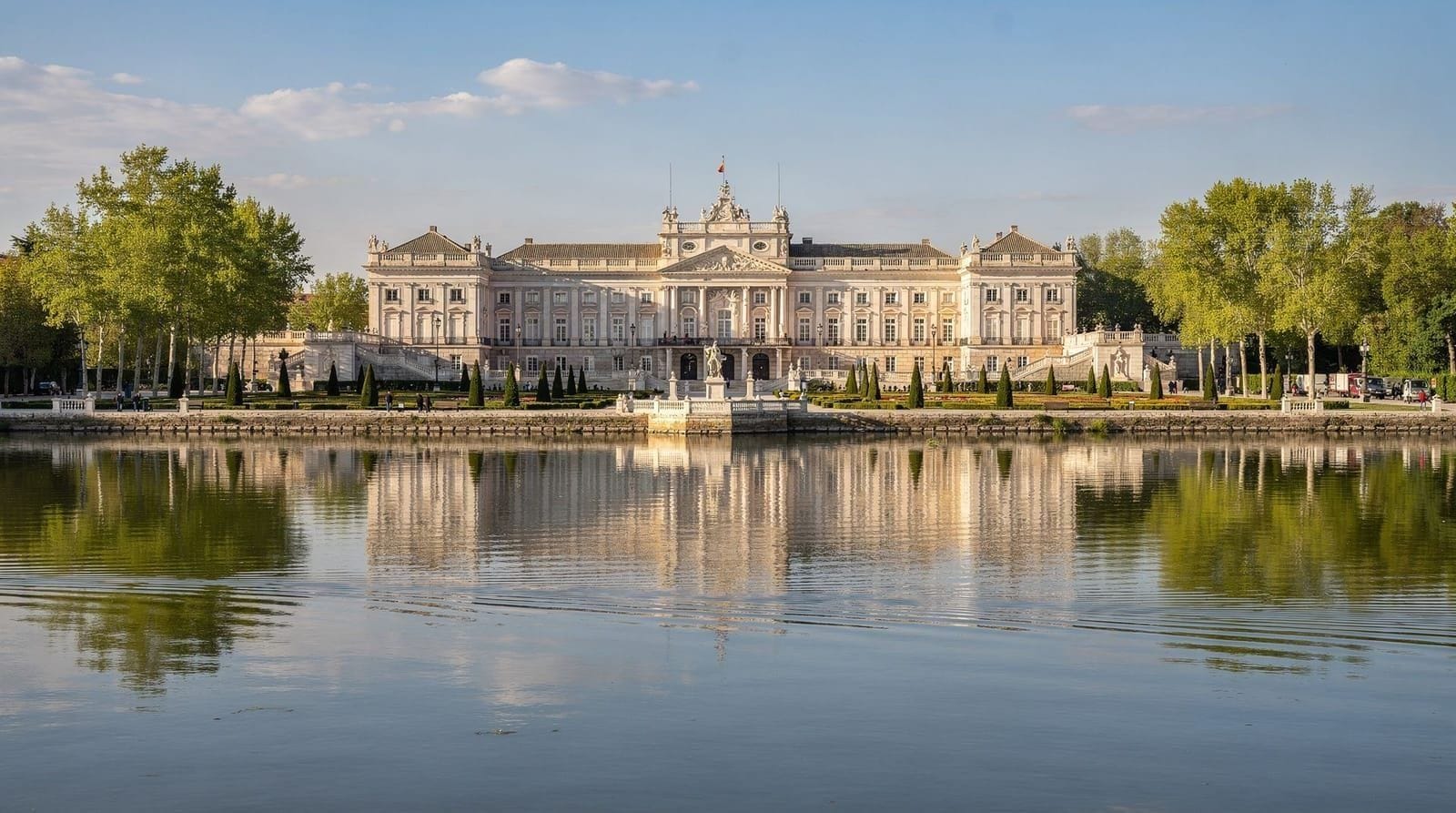
Aranjuez: Toledo Aranjuez Chinchón Private
Can I do day trips from Madrid without a car?
Yes — all the major day trips from Madrid are accessible without a car. Toledo (33 min AVANT from Atocha), Segovia (28 min AVE from Chamartín), El Escorial (1 h Cercanías), Aranjuez (35–45 min Cercanías), Alcalá de Henares (40 min Cercanías), Cuenca (55 min AVE), Ávila (~1.5 h regional train), and Salamanca (1h40–2h45 train) are all reachable by public transport. Chinchón is served by bus 337 from Conde de Casal. Only Consuegra requires careful bus planning. None of the classic Madrid day trips require a car.
| Easiest car-free trip | Toledo — 33 min AVANT, bus to old town |
| Hardest car-free trip | Consuegra — limited bus, plan carefully |
| Cost range | Around €3–4 (Cercanías) to €30 (Salamanca) single |
| Booking | Renfe.com for trains; check bus schedules for Chinchón/Consuegra |
| Where a car helps | Sierra de Guadarrama, La Mancha countryside |
Why you don’t need a car for Madrid day trips
One of the most common questions from Madrid visitors: “Do I need to hire a car for day trips?” The answer is almost always no.
Spain has invested enormously in its rail network — the AVE high-speed system is the longest in Europe, and Madrid sits at its hub. Combined with the Cercanías commuter rail network and regional bus services, every classic day trip from Madrid is accessible without a car, often in well under an hour.
This guide organises all car-free day trips by transport type, with practical details on fares, journey times, and what to do at each destination. For the complete city-by-city guides, the links in each section will take you to the full information.
How the car-free approach changes your day
Going without a car shifts the rhythm of a day trip in a way most visitors come to like. You are not driving, so you arrive rested, you can read or watch the landscape change from the window, and you never circle a medieval centre looking for parking. The trade-off is that your day is shaped by timetables: you need to know when the last useful train or bus leaves, and you plan the order of sights around that. None of this is hard, but it rewards a few minutes of preparation the evening before.
A good habit is to decide your return journey before you decide anything else. Check the departure times back to Madrid, pick one with a comfortable margin, and then build the day backwards from it. This is especially valuable on the bus routes, where services are less frequent than on the train lines. It also keeps you from the classic mistake of lingering over a long lunch and then discovering the options home have thinned out.
Your starting point in the city matters too. If you are staying around Sol and Gran Vía, Atocha and Chamartín are both an easy Metro or Cercanías hop away, and the Metro guide explains how to reach each station without fuss. Travellers based in Chamberí or Barrio de Salamanca will find Chamartín especially convenient for the northern routes. If you are still choosing where to sleep, the where to stay in Madrid guide weighs up neighbourhoods with this in mind, and Atocha vs Chamartín explains which station serves which destination.
By AVANT / AVE high-speed train
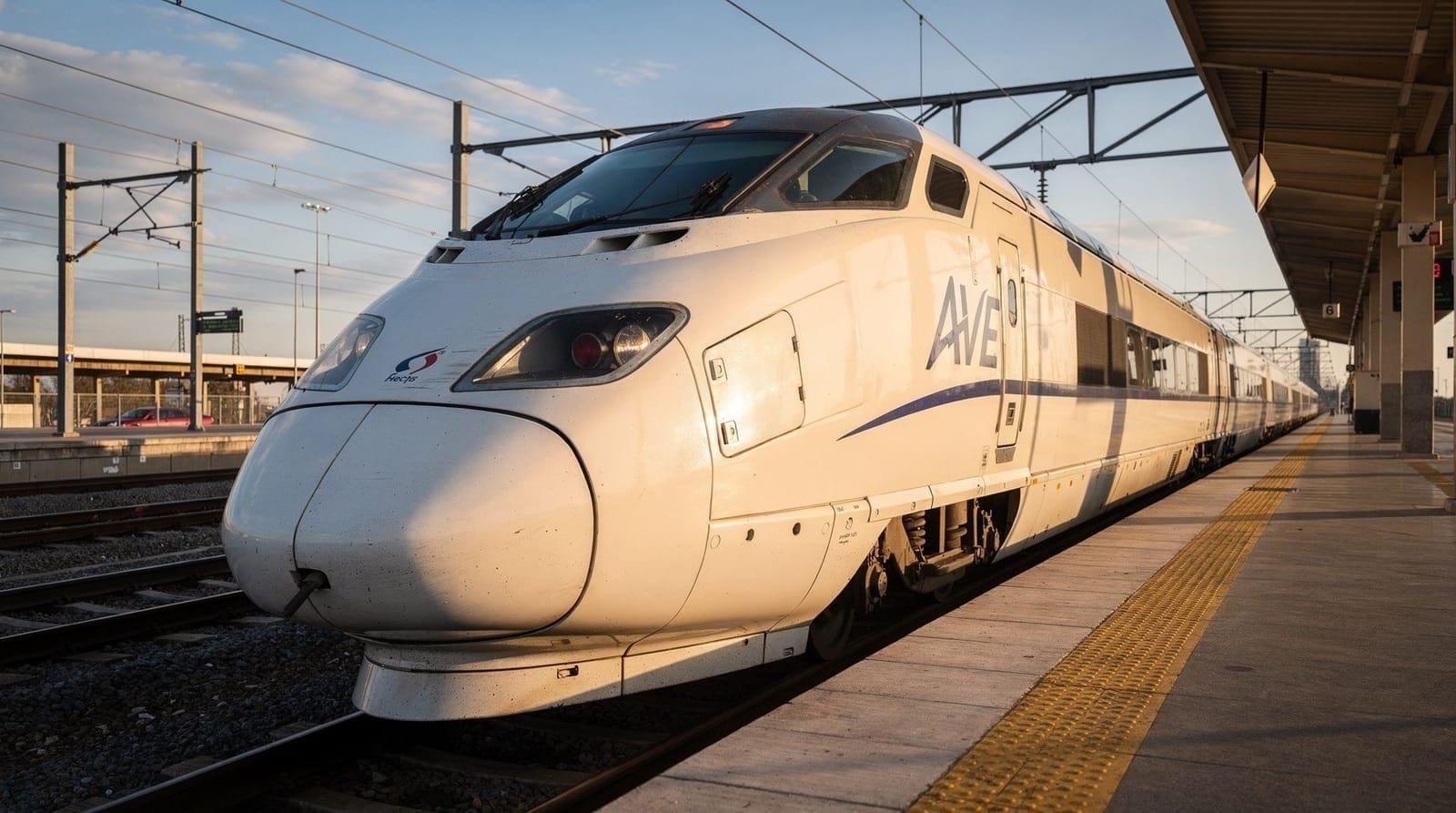
Toledo — 33 minutes, from Atocha
The easiest day trip in Spain. Book the AVANT at Renfe.com (€12–16 single), take Metro or walk to Atocha, and you’re in Toledo’s medieval walled city in 33 minutes. From Toledo station: bus 5 to the old town (10 min) or 25-minute walk uphill.
Return: timetable on the Renfe website. Freedom to stay as long as you want.
Guide: Toledo from Madrid
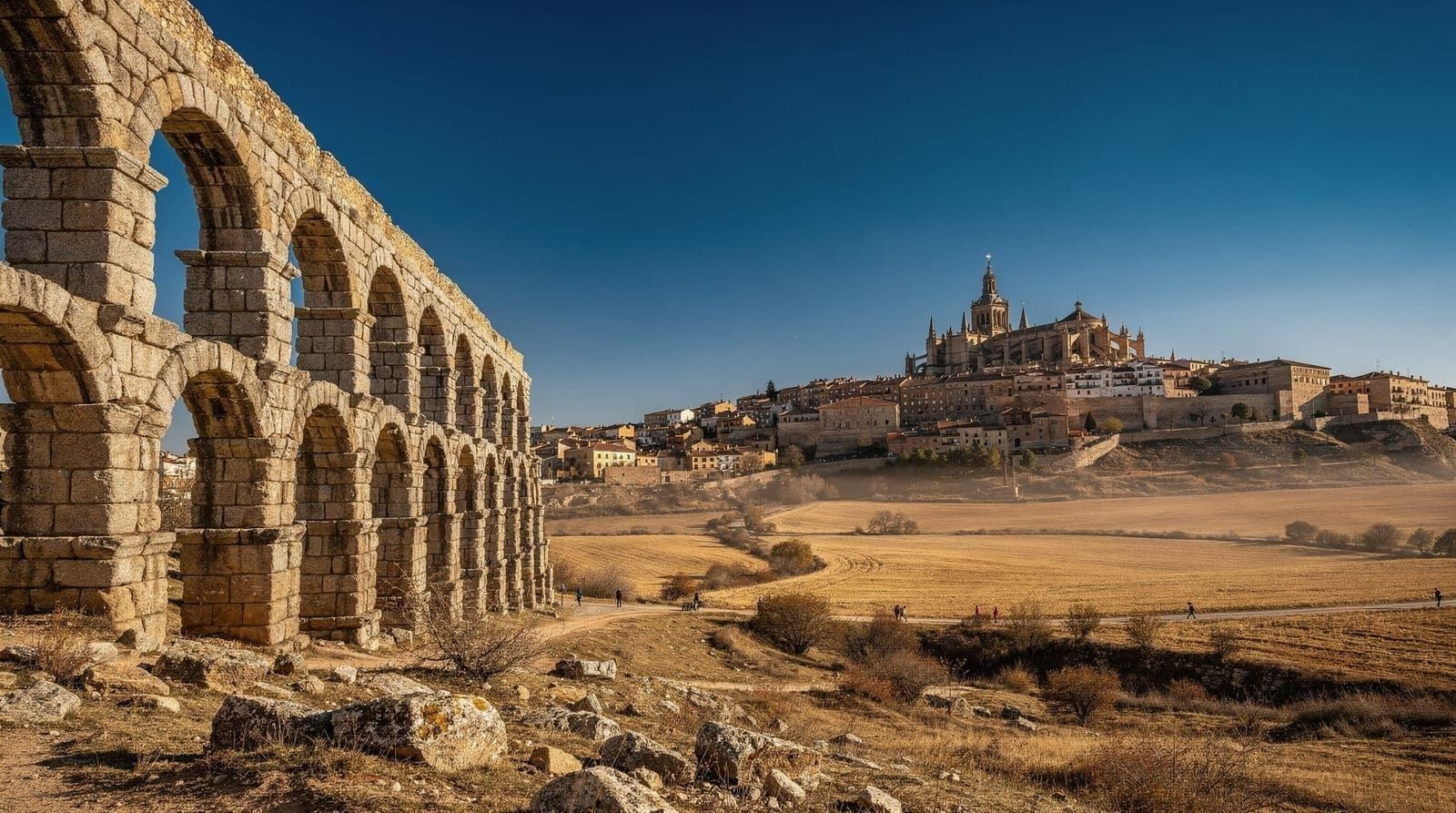
Segovia — 28–30 minutes, from Chamartín
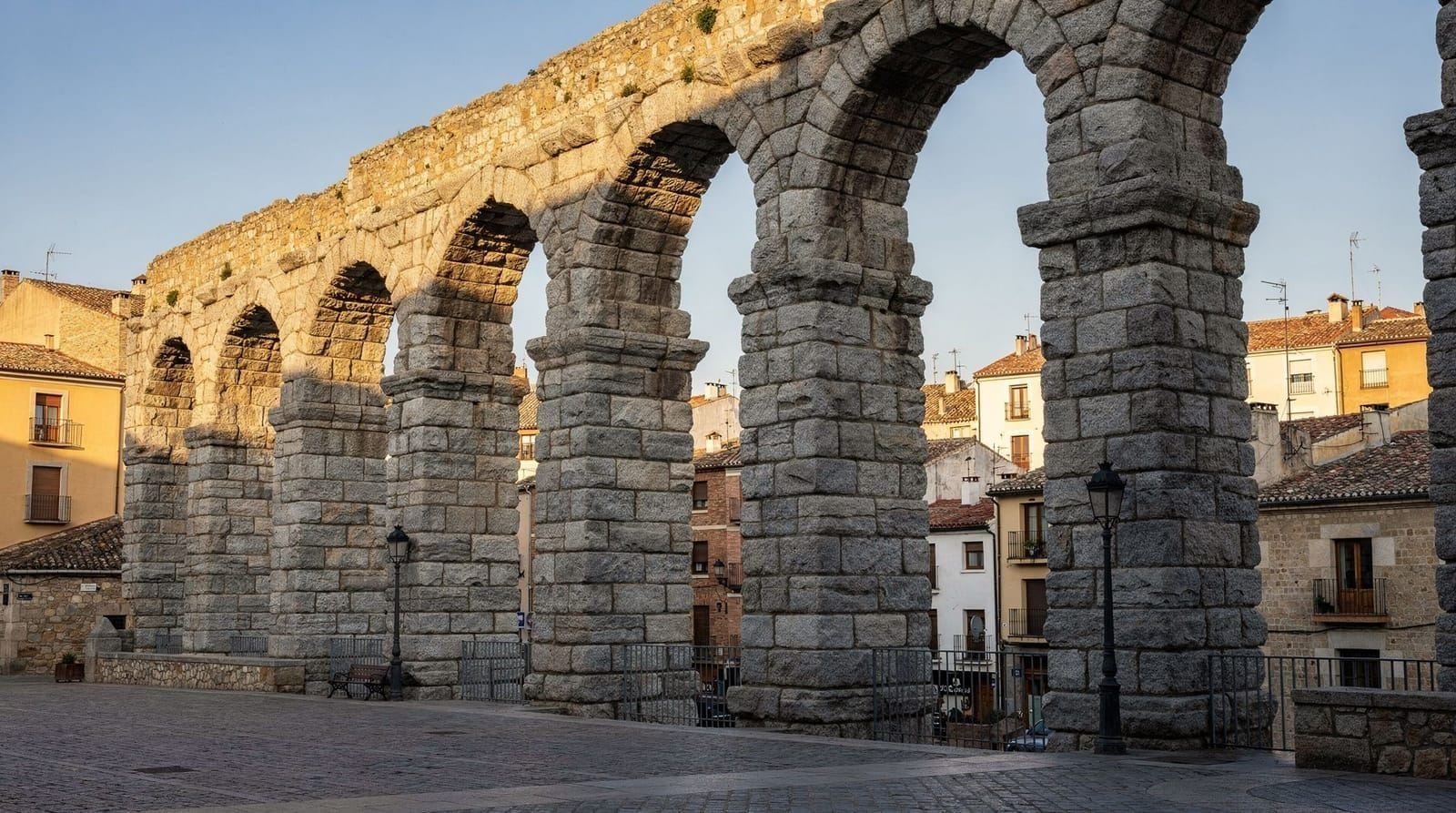
The fastest day trip. Reach Chamartín from Sol by Cercanías (5 min), then AVE to Segovia-Guiomar. From the station: bus 11 to the aqueduct (15 min, €2.25).
Key note: Trains to Segovia leave from Chamartín, not Atocha. First-time visitors often miss this — plan accordingly.
Guide: Segovia from Madrid
Cuenca — 55 minutes, from Atocha
AVE to Cuenca-Fernando Zóbel, then bus L1 to the old town (10 min, €1.50). The hanging houses and dramatic gorge make the 55-minute journey worthwhile.
Guide: Cuenca from Madrid
By Cercanías (commuter rail, Tourist Travel Pass often valid)
Aranjuez — 35–45 minutes, from Atocha (C-3)
Cercanías C-3 runs roughly every 30 minutes and is often covered by the Tourist Travel Pass. The Royal Palace and gardens are a 15-minute walk from Aranjuez station. Spring (April–June) is the best season.
Guide: Aranjuez from Madrid
El Escorial — 1 hour, from Atocha (C-8)
Cercanías to El Escorial town, then bus L661 (10 min) or 2 km uphill walk to the monastery. Often covered by the Tourist Travel Pass. The monastery takes 2–3 hours; combine with the Valle de Cuelgamuros for a full day.
Guide: El Escorial from Madrid
Alcalá de Henares — 40 minutes, from Atocha or Chamartín (C-2)
Cercanías C-2 runs every 15–30 minutes and is among the most frequent services on the network. The UNESCO university city is 10 minutes walk from the station. Often covered by the Tourist Travel Pass.
Guide: Alcalá de Henares from Madrid
By regional train (MD / regional Avant)
Ávila — 1.5–2 hours, from Atocha or Chamartín
Regional trains (not high-speed AVE) serve Ávila. Book at Renfe.com (€7–16 single). The station is 10 minutes walk from the medieval walls. A full-day commitment.
Guide: Ávila from Madrid
Salamanca — 1h40–2h45, from Chamartín
MD and Alvia trains make the 1h40–2h45 journey to Salamanca. Book early for best prices (€20–30 single). The station is a 15-minute walk from the Plaza Mayor.
Guide: Salamanca from Madrid
By bus
Chinchón — 50–60 minutes, bus 337 from Conde de Casal
Bus 337 from Conde de Casal metro station (Line 6) to Chinchón. Fare: ~€3–4 each way. Buses run every 1–2 hours — check the schedule and note the last return bus time.
Guide: Chinchón from Madrid
Consuegra windmills — 2.5 hours, InterBus from Estación Sur
The most logistically demanding car-free day trip. InterBus from Estación Sur (Metro: Méndez Álvaro), ~2 hours 20 minutes, ~€10–12. Very limited schedule — 2–3 departures per day. Plan carefully; missing the return bus has real consequences. A guided tour is recommended for most visitors.
Guide: Consuegra windmills from Madrid
Choosing between destinations
With so many options open to you, the real question is which trip suits you rather than which is possible. A few ways to think about it:
- First visit and short on time. Toledo and Segovia are the classic pair, and Toledo vs Segovia helps you pick one if you only have a single day. The blog post on which to visit first gives a more opinionated take, and one day in Toledo, realistically sets honest expectations for what fits.
- Royal history and gardens. El Escorial and Aranjuez both pair well with a slower, lower-stress day. The royal sites itinerary strings them together with the palace in the city, and the blog piece on why El Escorial is underrated explains the appeal.
- Walls and old stone. Ávila rewards a full day on foot, and it combines naturally with Segovia on a guided route.
- University towns and quieter streets. Alcalá de Henares and Salamanca suit travellers who prefer lively student-town atmosphere to monument-ticking.
- Dramatic scenery. Cuenca is the pick for cliffs, gorge views and a town that feels a world away from the capital.
- Village charm by bus. Chinchón is the easy rural option, and its plaza is the reason most people go.
If you want inspiration beyond the standard list, hidden day trips from Madrid collects less obvious ideas, and train day-trip tips gathers practical lessons from travellers who have done it.
Summary: car-free day trips at a glance
| Destination | Transport | From | Time | Cost approx. |
|---|---|---|---|---|
| Toledo | AVANT | Atocha | 33 min | €12–16 single |
| Segovia | AVE | Chamartín | 28–30 min | Varies (see Renfe) |
| Cuenca | AVE | Atocha | 55 min | €18–25 single |
| Aranjuez | Cercanías C-3 | Atocha | 35–45 min | €3–4 (pass valid) |
| El Escorial | Cercanías C-8 | Atocha | 1 h | See Renfe (pass valid) |
| Alcalá | Cercanías C-2 | Atocha/Chamartín | 40 min | €3–4 (pass valid) |
| Ávila | Regional | Atocha/Chamartín | 1.5–2 h | €7–16 single |
| Salamanca | MD/Alvia | Chamartín | 1h40–2h45 | €20–30 single |
| Chinchón | Bus 337 | Conde de Casal | 50–60 min | €3–4 single |
| Consuegra | InterBus | Estación Sur | 2h 20 min | €10–12 single |
What a car adds (and doesn’t add)
A rental car is genuinely useful for:
- Sierra de Guadarrama — while Cercanías reaches Cercedilla and Navacerrada, a car gives full freedom to access trailheads, viewpoints, and mountain villages like Rascafría and Patones
- Combining Chinchón + Aranjuez — no direct public transport between them; 20 km apart
- Consuegra + Campo de Criptana — the two windmill sites, 50 km apart, make much more sense with a car
- Exploring La Mancha countryside generally — the villages and vineyards between Toledo and Cuenca are only really accessible by car
For everything else — the UNESCO walled cities, the royal complexes, Salamanca, Cuenca — the train network is faster, cheaper, and removes all parking concerns.
For detailed train logistics, see the day trips from Madrid by train guide. For the full day-trip comparison, see best day trips from Madrid.
When a guided tour solves the car-free gap
The one real limitation of going car-free is combining two sites that public transport doesn’t link directly — Chinchón and Aranjuez, or Consuegra and Campo de Criptana. Rather than renting a car for a single day, a guided tour covers exactly these combinations, with round-trip transport included and no return-bus anxiety.
Toledo, Aranjuez and Chinchón private day trip from MadridThe same logic applies to the northern walled cities. If you would rather see Ávila and Segovia in one go without handling two sets of connections, a full-day excursion that combines the two walled cities removes the logistics entirely. Likewise, if the monastery appeals but you want it paired with another town, a day that links the El Escorial area with Segovia saves you from working out the connection yourself.
A tour is not a failure of the car-free approach. It is simply another way of travelling without driving, and it can be the right choice on a day when you would rather not think about timetables. Many visitors mix the two: a self-guided train trip to Toledo early in the week, and a guided day later on for the combination that trains do not cover. If you want a human guide in the city itself as well, the private guide in Madrid page and guided vs self-guided help you weigh the choice.
Making the most of a train or bus day
A few habits make car-free days smoother, whichever destination you pick.
Book the train ahead where you can. For the high-speed and regional services, reserving on Renfe.com in advance gives you a seat on the departure you want and often a better fare. The commuter lines need no planning at all; you simply turn up. For a wider look at how the rail options compare, see AVE train day trips and the Cercanías guide.
Sort out your transport pass early. If you plan several Cercanías trips, check whether the Tourist Travel Pass suits your itinerary, remembering that it does not cover the high-speed trains. Our airport to city guide is useful on arrival day, when you are deciding how to set up your transport for the rest of the stay.
Pack for a full day. Carry water, a light layer, and something to eat, since a small town can be quiet at midday. Plan lunch somewhere away from the main monument, as in the city itself; the lessons in tourist menu traps apply just as well in a day-trip town.
Watch the weather and the season. Summer heat makes long walks tiring, while spring and autumn are gentler. The best time to visit Madrid and Madrid in summer guides explain how the seasons affect day trips, and the blog post on August is a frank read if you are travelling in the hottest weeks.
Keep your belongings close. Stations and trains are busy places, so the advice in pickpockets and safe areas is worth a quick read before you set off.
Leave room for the unexpected. The best car-free days are rarely the most tightly scheduled. Allow a margin before your return so a slow lunch, a detour to a viewpoint, or a delayed connection does not turn into stress.
Building a car-free week
For a full week of day trips without ever needing a car, a sensible order front-loads the easiest, most frequent services and saves the longer or more logistically demanding trips for when you’re settled into the rhythm: Toledo or Segovia first (frequent, fast, forgiving if your timing slips), then Aranjuez or El Escorial (Cercanías, low stakes), then Cuenca or Salamanca (longer AVE/regional trips, best attempted once you’re comfortable with Renfe booking), and Chinchón or Consuegra last, since both depend on bus schedules that reward having already learned Madrid’s transport rhythms. See the Madrid week with day trips itinerary for a full day-by-day version of this plan.