Ávila from Madrid: the complete day-trip guide
Ávila: Ávila Walls Segovia Full Day
How do I get from Madrid to Ávila by train?
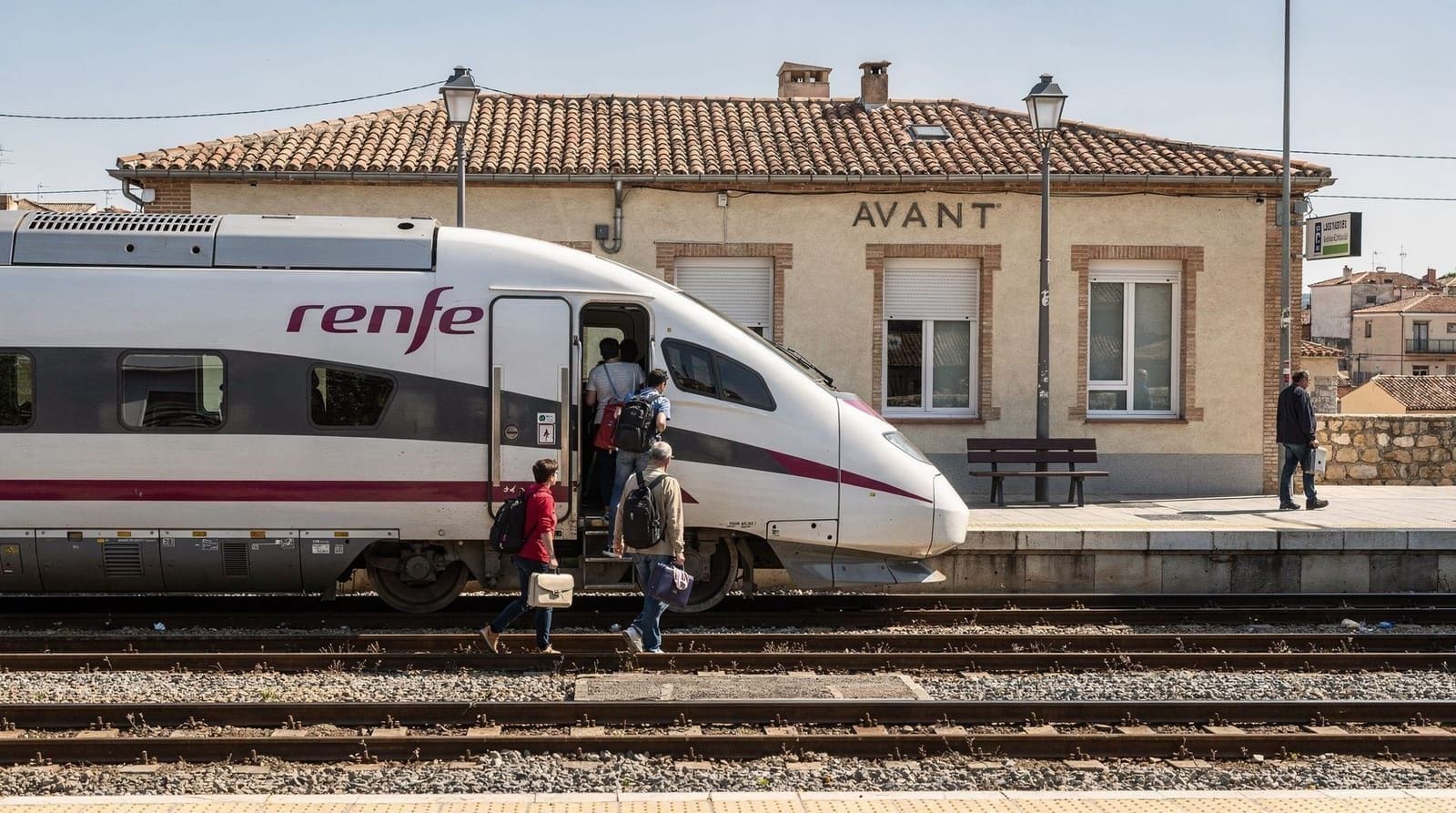
Regional Avant/MD trains depart from Madrid Atocha or Chamartín to Ávila in approximately 1 hour 30 minutes to 2 hours. Fare: ~€7–16 each way. There is no high-speed AVE service directly to Ávila; the journey uses the regional rail network. Trains depart several times daily. The station is a 10-minute walk from the medieval walls. A full day in Ávila is recommended — the walls alone take 1.5–2 hours if you walk the full circuit.
Why Ávila is the day trip fewer people make — and should
Toledo gets the day-trippers. Segovia gets the foodies. Ávila gets the people who actually want medieval authenticity without the tourist polish.
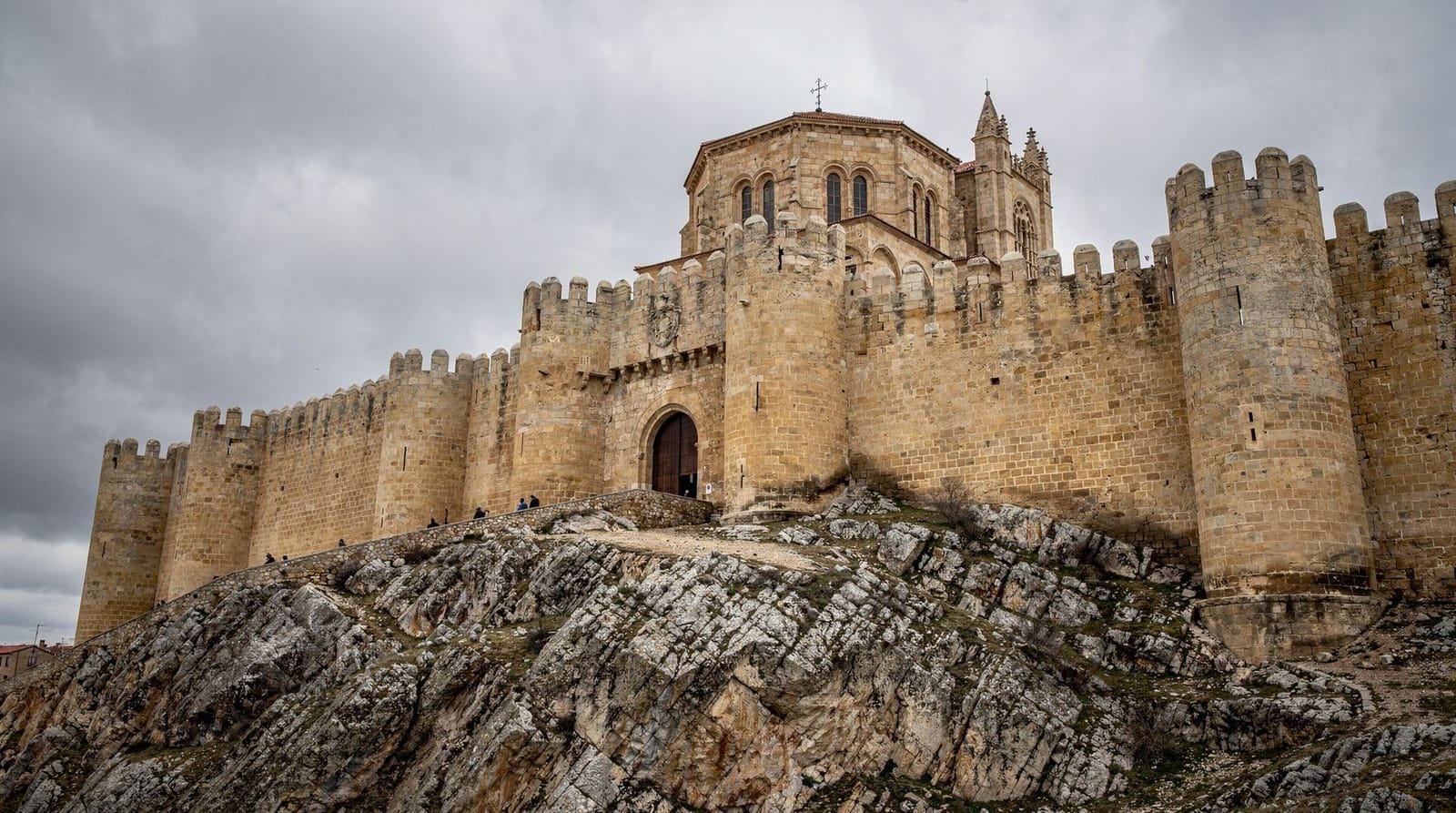
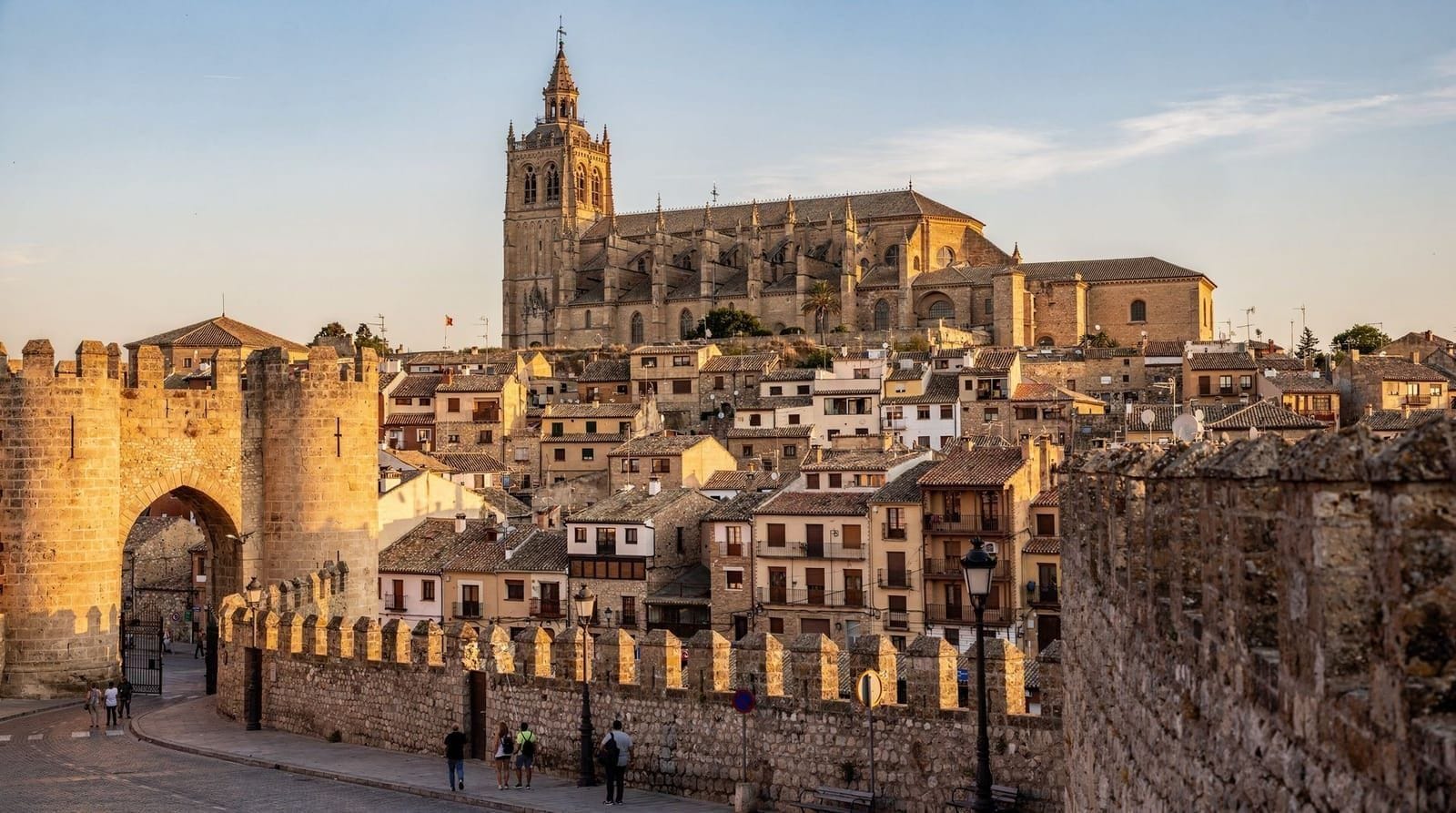
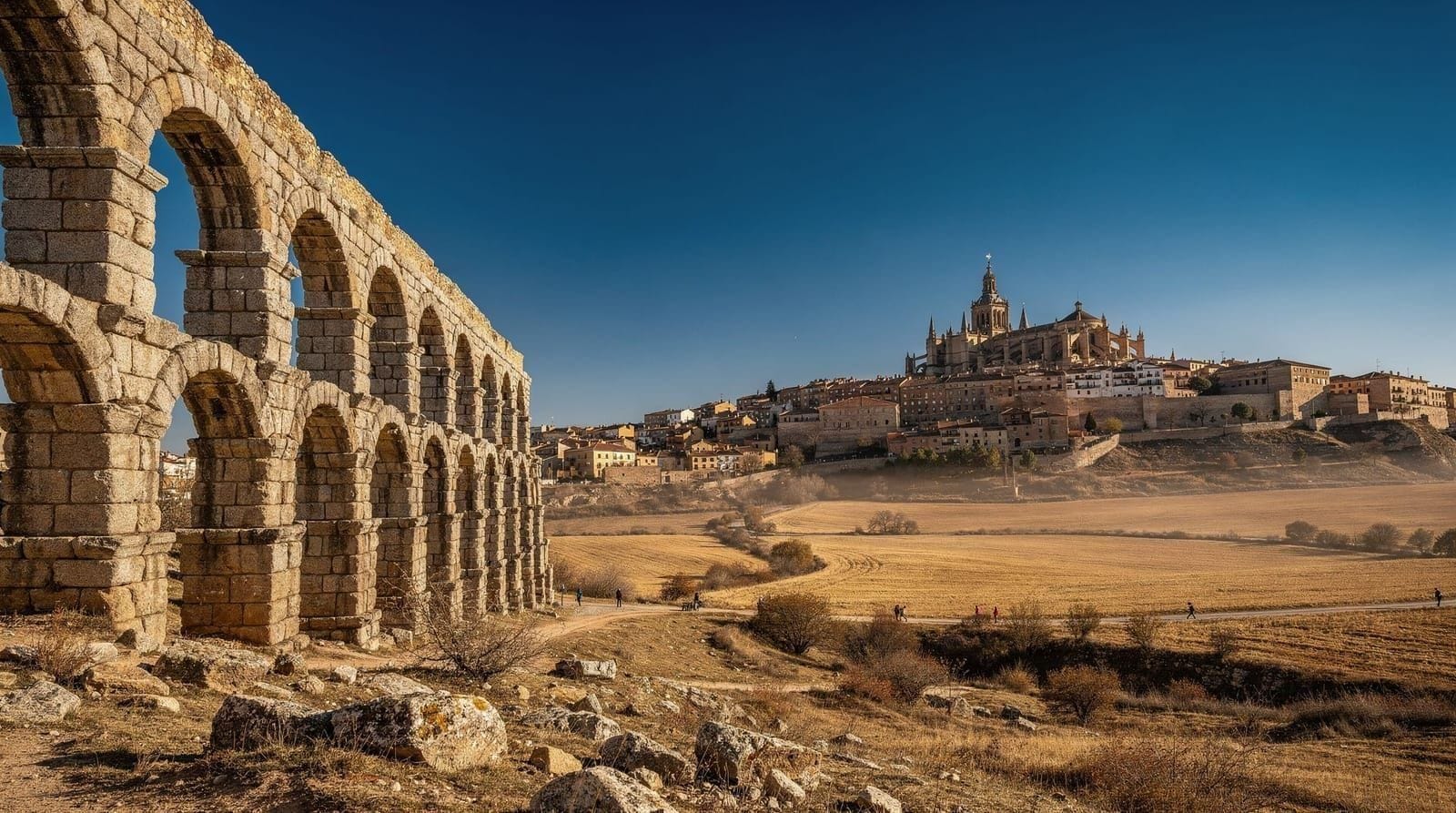
That’s not fair to Ávila — it has an extraordinary monument at its core: the best-preserved medieval city walls in Spain. Two and a half kilometres of granite ramparts, 88 towers, built from the 11th century on Roman foundations, still encircling the entire old town. Unlike Toledo’s walls (mostly gone) or Segovia’s (never existed as a continuous circuit), Ávila’s are complete. You can walk the top of them and look out across the Castilian plateau in every direction.
Below the walls: a compact old town with Spain’s oldest Romanesque cathedral, the birthplace and shrine of Saint Teresa, a handful of Romanesque churches with minimal tourist traffic, and an atmosphere that feels like the 15th century never quite ended.
| Where | Ávila, ~110km northwest of Madrid, Castile and León |
| Cost | Around €7–16 each way by regional train; walls €8 |
| Time needed | Full day recommended given the ~1.5–2hr journey each way |
| Getting there | Regional Avant/MD from Atocha or Chamartín |
| Best time | Weekday mornings, before the 11:00–15:00 tour-group window |
Getting to Ávila from Madrid
By train (recommended)
Regional Avant and MD trains run from Madrid Atocha and Chamartín to Ávila in approximately 1 hour 30 minutes to 2 hours. This is not a high-speed AVE journey — use the standard regional service.
- Departure station: Madrid Puerta de Atocha or Chamartín (check your specific train)
- Arrival station: Ávila — clean modern station, 10-minute walk from the walls
- Frequency: Several trains daily; check current timetables at Renfe.com
- Fare: ~€7–16 each way depending on booking window and service
- Tourist Travel Pass: NOT valid
From the Ávila train station, walk north along Avenida de la Estación for 10 minutes to reach the Puerta del Alcázar, the main gate to the walled city.
Which Madrid station suits you depends mostly on where you are sleeping, and our Atocha vs Chamartín guide explains how the two compare. If the rail network is new to you, the day trips by train overview and the AVE day trips guide cover how tickets and platforms work, while day trips without a car puts Ávila next to the other options that need no rental. Getting to the station from the centre is simple with the Madrid metro guide, and the Cercanías guide is useful if you start from a suburban stop.
By guided tour
Ávila is most commonly visited as part of a combined-city tour, since the journey time makes it a long independent day. The most practical options:
Full-day Ávila and Segovia tour from Madrid — bus transfer, guided walk in both cities, monument entries included.
Madrid–Ávila–Segovia with monument tickets — includes Alcázar entry in Segovia and walls entry in Ávila.
Madrid–Ávila–Salamanca day trip — the eastward combination, good if Salamanca is on your list.
3 cities in 1 day: Segovia, Ávila, Toledo — ambitious multi-city day. Works best for people with a specific multi-destination goal and acceptable that each city gets 2–3 hours.
What to see in Ávila
The city walls (Muralla de Ávila)
The centrepiece. Walk the north section of the walls — accessible from the Puerta del Alcázar (east) and the Puerta del Rastro (south) — for views over the Adaja valley and the old town rooflines. The full circuit takes 1.5–2 hours on foot; the wall walk covers about 1.2 km of the total 2.5 km circuit (the remainder is on street level).
The best view of the walls from outside is the Mirador de los Cuatro Postes, 1.5 km west of the old town across the Adaja river — a four-post Roman landmark framing the entire northern wall face. Taxi there; walk back.
Admission: €8 (€5 reduced). Open daily in summer (10:00–20:00); in winter 10:00–18:00, closed Mondays except public holidays.
Ávila Cathedral
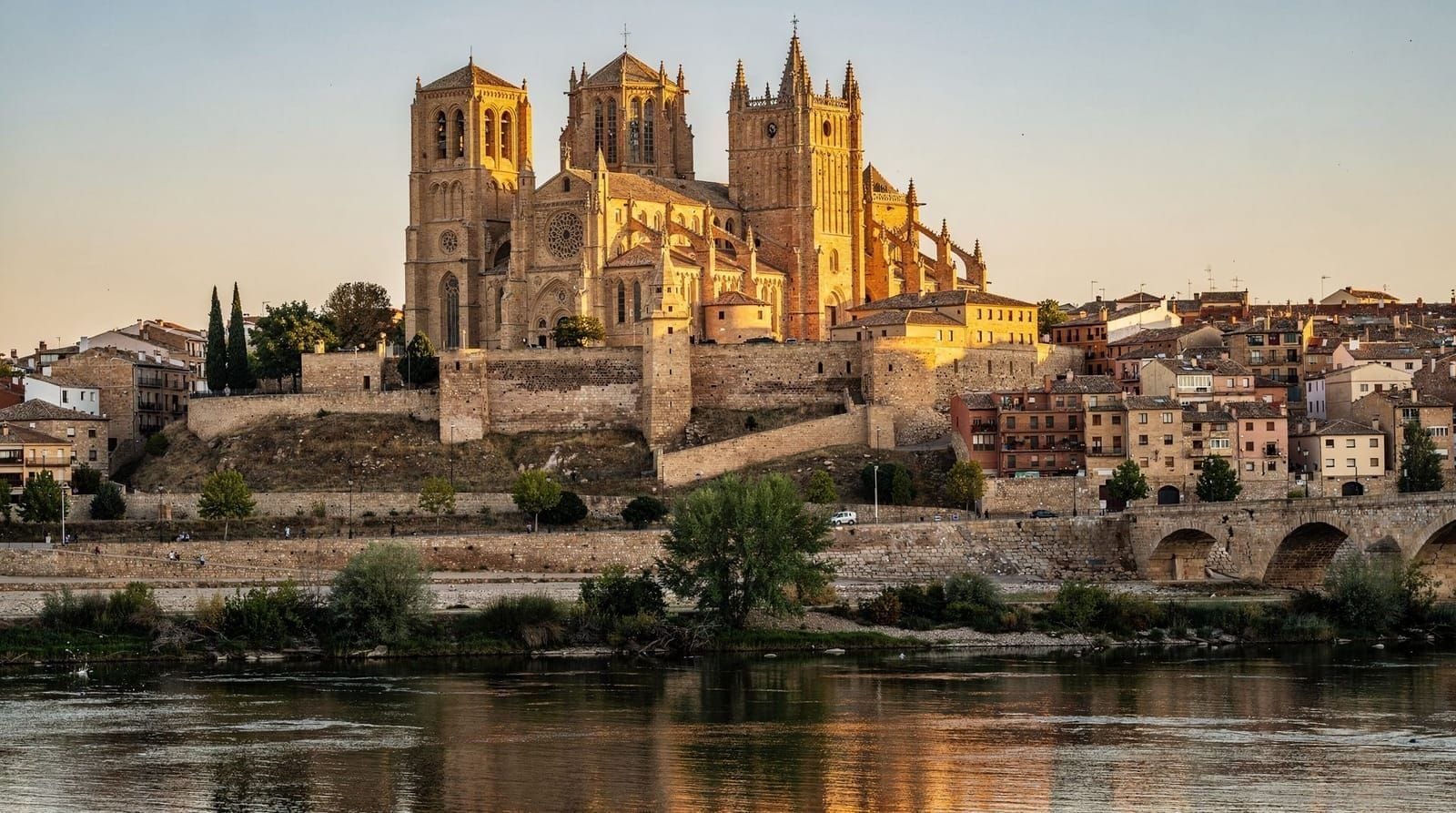
Built from the late 11th century, Ávila’s cathedral is considered the first Gothic cathedral in Spain — though the apse, fortified into the city walls, retains strong Romanesque character. The interior has notable carved choir stalls, episcopal tombs, and a museum. The Cathedral’s position, with its apse serving literally as part of the city’s defensive wall, is unique.
Admission: €10. Open daily.
Convento de Santa Teresa
Built in 1636 on the site of Teresa’s family home (she was born here on 28 March 1515). The church is free; the reliquary inside displays items associated with Teresa including her left hand (a relic). The basement preserves part of the original house foundation. The adjacent museum covers her life and reform movement. Free to enter the church.
Basílica de San Vicente
Outside the eastern city walls, this Romanesque basilica (12th century) is Ávila’s most architecturally pure monument — a mix of Romanesque and early Gothic, with a carved west portal depicting the martyrdom of the three children Vicente, Sabina, and Cristeta. Less visited than the cathedral; worth 30 minutes.
Monasterio de la Encarnación
Where Teresa spent 27 years as a Carmelite nun, including her first mystical experiences. The convent is 1 km north of the walls — walkable, 20-minute round trip. A small museum inside reconstructs her cell. The most intimate connection to Teresa’s actual life rather than her later legend.
Where to eat in Ávila
Ávila’s specialties are red meats — particularly chuletón de Ávila (large bone-in ribeye from Ávila’s certified beef breed) and judías del Barco (large white beans from the El Barco de Ávila area).
Restaurante El Fogón de Santa Teresa (Calle Tomás Luis de Victoria): Reliable, central, good chuletón and traditional bean dishes. Menú del día ~€15. Not flashy, but honest and busy with locals.
Mesón del Rastro (Plaza del Rastro 1): Near the south gate; panoramic views from the terrace, traditional Ávila dishes, slightly higher prices for the view (€20–30). Worth booking for summer evenings.
Yemas: For Saint Teresa’s egg-yolk sweets, the Convento de Santa Teresa sells them through the traditional turn-window. La Flor de Castilla bakery on Calle Reyes Católicos is the main commercial alternative.
A practical Ávila itinerary
Half-day in Ávila (4–5 hours)
10:00 — Arrive at Ávila station, walk north to Puerta del Alcázar (10 min). 10:15 — Enter the wall walk at the east access point (€8). 10:15–12:00 — Walk the north wall section (best views of the valley), descend via the west access near the Cathedral. 12:00 — Cathedral visit (45 min, €10). 12:45 — Walk to Convento de Santa Teresa (free church, 30 min). 13:30 — Lunch at El Fogón de Santa Teresa or similar. 15:00 — Return to station, train back to Madrid.
What you miss: Basílica de San Vicente, Monasterio de la Encarnación, the Mirador de los Cuatro Postes view.
Full day in Ávila
10:00 — Arrive. Walk the full wall circuit (2 hours). 12:15 — Cathedral (45 min). 13:00 — Basílica de San Vicente (30 min, outside the walls). 13:30 — Walk to Monasterio de la Encarnación (Teresa’s actual convent, 30 min walk). 14:30 — Return to old town for lunch. 16:00 — Taxi to Mirador de los Cuatro Postes (best exterior view of the walls, 15 min). 17:00 — Explore the historic streets and yema shopping. 19:00 — Return to station, evening train to Madrid.
The wall walk: what you actually see
The Muralla de Ávila walk covers two distinct sections accessible from tourist access points:
East section (Puerta del Alcázar): The main entry, with the best views of the Cathedral apse embedded in the wall (unique — the church and the fortification literally merge). Walk west along the north face: the valley of the Adaja below, the Sierra de Gredos horizon, the Sierra de Guadarrama to the east.
West section (Puerta del Rastro): The south-facing stretch with views over the old town’s rooflines and the rolling Castilian plateau. Less dramatic than the north face but quieter.
The towers: 88 cylindrical towers, uniformly spaced, give the wall its characteristic crenellated silhouette. The construction used Roman foundation stones (the Roman city of Ávela underlies the medieval city) mixed with medieval granite.
Saint Teresa: the actual story
Teresa de Ávila (1515–1582) was not the gentle mystical saint of popular hagiography. She was a determined, politically sophisticated reformer who created a new religious movement against fierce institutional opposition, wrote three major literary works (The Life, The Way of Perfection, The Interior Castle), founded 17 convents in 20 years while travelling across Spain in a wooden cart on roads that barely existed, and argued with Cardinals, Papal nuncios, and the King’s council while suffering from what she described as severe physical illness.
The Interior Castle — her major mystical work — describes the soul as a crystal castle with seven concentric mansions, each representing a stage of prayer and transformation toward union with God. It was written in 1577, in 45 days, while she was managing a lawsuit, a convent dispute, and correspondence with Philip II.
Pope Paul VI declared her a Doctor of the Church in 1970 — one of only four women to hold this title. She was the first.
The Convent of the Incarnation (Monasterio de la Encarnación, 1 km north of the walls) is where she spent 27 years before founding her own reform convents. Her cell has been preserved. The guide who leads the museum visit often knows the archive materials personally — worth asking for the unexpurgated version of why her reform movement faced opposition.
Ávila in your Madrid itinerary
Ávila works best on its own day (full day trip), or as part of the Madrid week with day trips itinerary on Day 5 or 6 when you’ve covered Toledo and Segovia and want a quieter, less-touristy experience.
If you would rather pair Ávila with its neighbours, the Segovia from Madrid guide and the Salamanca from Madrid guide lay out what each city offers, and the Segovia destination page and Salamanca destination page give more background. The Madrid and Segovia itinerary shows how a Castilian day fits around time in the capital, and the Toledo from Madrid guide covers the third classic walled city. Readers still deciding how long to stay in Madrid can start with how many days in Madrid, and the Madrid destination page is the starting point for the capital itself.
For a combined walled cities day, see the Ávila + Segovia guided tour options above. The best day trips from Madrid guide gives the overview comparison, and Toledo vs Segovia helps decide which of the “big two” to pair Ávila with if you’re planning multiple walled-city days.
Ávila vs Toledo vs Segovia: honest comparison
| Ávila | Toledo | Segovia | |
|---|---|---|---|
| Journey time | 1.5–2 hrs (regional train) | 33 min (AVANT) | 27–30 min (AVE) |
| Crowd level | Low | High | High |
| Signature sight | Complete medieval walls, 88 towers | ”Three cultures” old city, cathedral | Roman aqueduct, fairytale Alcázar |
| Best for | Quiet, authentic medieval atmosphere | First-time visitors, deepest history layering | Roman engineering, food, castle views |
| DIY difficulty | Moderate — long single-destination train ride | Easy | Easy |
If time is limited, Toledo or Segovia deliver more per hour of travel. If atmosphere and low crowds matter more than ticking off headline monuments, Ávila’s longer journey pays off.
Practical tips for the long train ride
Because the Ávila journey is 1.5–2 hours each way rather than the 30-minute hop to Toledo or Segovia, treat it more like a mini rail journey than a quick shuttle. Bring something to read or download for offline use, since phone signal can be patchy in the more rural stretches. Book a window seat if you want to watch the Sierra de Guadarrama pass give way to the open Castilian plateau — it’s a scenic ride in its own right. Double-check your train time before leaving your hotel, since regional Avant/MD services run less frequently than the Toledo or Segovia high-speed lines, and missing one can mean a genuinely long wait for the next.
DIY by train vs guided tour: the honest verdict
Guided tour wins for Ávila — unlike Toledo or Segovia where the train is fast and cheap, the 1.5–2 hour train journey to Ávila makes the timing less comfortable for a single-destination day. Combined-city guided tours (Ávila + Segovia, or Ávila + Salamanca) solve the logistics and reduce the dead time.
If you are still weighing the guided route against going alone, guided vs self-guided works through the trade-offs, and the blog comparison of Segovia or Toledo first is a useful companion when Ávila is your second or third walled city.
That said, if you want a slow, meditative day in a genuinely quiet city — Ávila is busiest at 11:00–15:00 with tour groups — then arriving independently by the first train, having the walls to yourself at 10:00, and staying until late afternoon when the groups leave, is genuinely rewarding.
Frequently asked questions about Ávila from Madrid
Are Ávila's walls really the best preserved in Spain?
Yes, by most assessments. The 2.5 km of granite ramparts, built from the late 11th century, remain intact with 88 towers and 9 gateways. Unlike Toledo's fragmentary walls or Lugo's Roman walls (also excellent), Ávila's medieval circuit is complete and walkable at the top for most of its length. The north face walk offers views across the Adaja valley.How much does it cost to walk Ávila's walls?
The wall walk (Muralla de Ávila) ticket costs €8 (€5 reduced). Purchase at the three access points: Casa de las Carnicerías, Puerta del Alcázar and Puerta del Puente. Open daily 10:00–20:00 in summer (about late March to late October); in winter 10:00–18:00, and closed on Mondays except public holidays. Last entry 45 minutes before closing.Who was Saint Teresa of Ávila and why does she matter?
Teresa of Ávila (1515–1582) was a Carmelite mystic, reformer, and the first woman declared Doctor of the Catholic Church. Born in Ávila, she founded 17 convents, wrote 'The Interior Castle,' and documented experiences of mystical union that influenced Catholic spirituality for centuries. Her birthplace (Convento de Santa Teresa, built over it in 1636) and the Carmelite monastery she founded are both in the old town.Is Ávila worth a visit without strong religious interest?
Yes. The walls are remarkable regardless of religious interest. The Romanesque cathedral (built into the walls, with the apse forming part of the fortifications) is architecturally fascinating. The medieval old town, small and manageable, has a quieter, more authentic feel than Toledo or Segovia on busy summer days.Can I combine Ávila with Segovia or Salamanca in one day?
Ávila + Segovia is a popular guided-tour combination (both ~1.5 h drive from Madrid). Doing it independently by train is complex since there's no direct service between the two cities. Ávila + Salamanca by train is possible but long (train between them takes ~1 h). A guided day tour handles both combinations most efficiently.What is the yema de Santa Teresa?
A small sweet made of egg yolk and sugar, Ávila's most famous confection, named in honour of Saint Teresa. Sold in pastry shops and convents throughout the old town. The convent of Las Madres Carmelitas Descalzas sells them through a turn-window (a traditional rotating wooden device preserving enclosure) — a genuinely medieval commerce experience.Is Ávila too far for a comfortable day trip from Madrid?
It's the longest of the classic Madrid walled-city day trips at 1.5–2 hours each way by regional train, so it needs a genuine full day rather than a half-day squeeze. It's still comfortable if you take an early train out and a later one back, and it rewards the extra travel time with a quieter, less touristy experience than Toledo or Segovia.Does Ávila get as crowded as Toledo or Segovia?
No — Ávila sees a fraction of the visitor numbers, partly because of the longer journey time and partly because it has less headline name recognition internationally. Tour-group buses do arrive between roughly 11:00 and 15:00, so an early or late visit gives you the walls almost to yourself.
Top experiences
Bookable activities with verified prices and instant confirmation on GetYourGuide.