Madrid Cercanías guide: suburban trains for day trips and city travel
El Escorial: Escorial Valley Half Day
What is the Cercanías and what can I reach from Madrid on it?
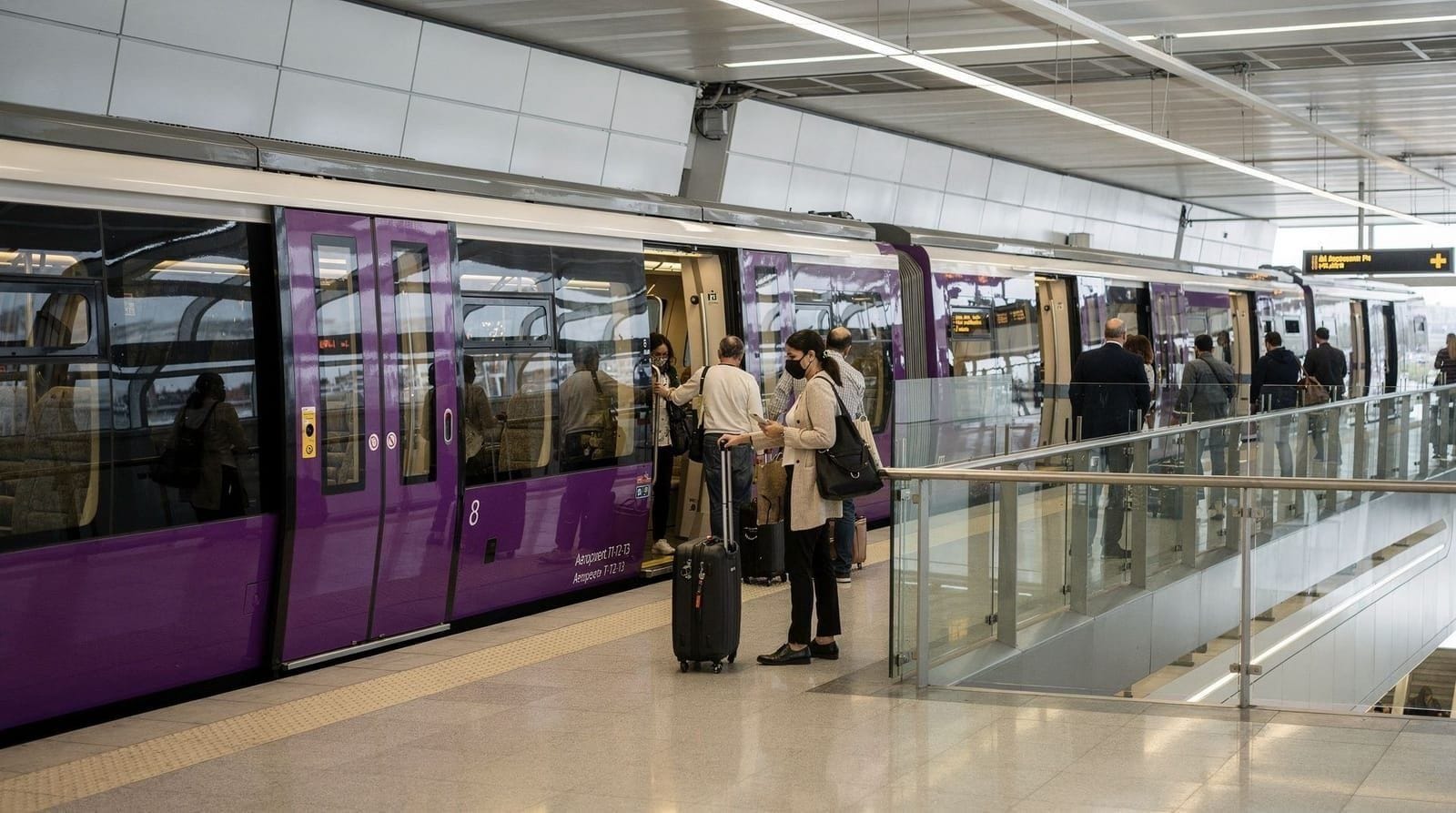
Cercanías is Madrid's suburban rail network, operated by Renfe. It serves El Escorial (C-8, ~1 hour), Aranjuez (C-3, ~45 minutes), Alcalá de Henares (C-2, ~40 minutes), and crosses the city between Atocha and Chamartín (C-1, ~20 minutes). Cercanías is covered by the Madrid Tourist Travel Pass — making these day trips effectively free for pass holders.
The short version: Cercanías is Madrid’s suburban rail network — slower than AVE but cheaper, and covered by the Tourist Travel Pass. Essential for reaching El Escorial, Aranjuez, and Alcalá de Henares, and for crossing the city between Atocha and Chamartín stations.
| Operator | Renfe (separate from Metro de Madrid) |
| Main uses | El Escorial, Aranjuez, Alcalá de Henares, Atocha↔Chamartín |
| Cost | From €1.70 per trip (by zones crossed); free with Tourist Pass |
| Frequency | Every 15–30 min on C-2/C-3 core routes; less on C-8 |
| Tickets | Machines at any station, or included on the Tourist Travel Pass |
What is the Cercanías?
Cercanías Madrid (short for Cercanías Renfe Madrid) is the suburban commuter rail network serving the Madrid metropolitan area. Operated by Renfe (Spain’s national railway), it runs on conventional tracks (not high-speed) and serves the ring of towns and suburbs within approximately 80 km of the city centre.
For tourists, the Cercanías does three important things:
- Provides inexpensive access to day-trip destinations that are not served by the AVE (El Escorial, Aranjuez, Alcalá de Henares)
- Connects the two main long-distance stations (Atocha and Chamartín) on the C-1 cross-city line
- Links the airport Terminal 4 to the city via the C-1
All of this is covered by the Madrid Tourist Travel Pass, making the Cercanías effectively free for visitors who’ve purchased a pass.
Key Cercanías lines for tourists
Line C-1 (the city connector and airport link)
This is the most useful Cercanías line for tourists. It runs from the airport Terminal 4 down through Chamartín, Nuevos Ministerios, Recoletos, Atocha, and south to Príncipe Pío. The C-1 is the fastest way to travel between Atocha and Chamartín (approximately 20 minutes) — faster than Metro Line 1 for the same journey and more comfortable with luggage.
Key stops: Aeropuerto T4 → Chamartín → Nuevos Ministerios → Recoletos → Sol → Atocha → Príncipe Pío
Airport note: The C-1 serves only Terminal 4. Passengers at T1/T2/T3 must take the free T4 shuttle bus first (5–10 minutes), adding time. For a complete airport transport comparison, see the airport to city guide.
Lines C-3 and C-8 (to Aranjuez and El Escorial)
The C-3 (Aranjuez) and the C-8 (El Escorial) are the main Cercanías lines for two popular day trips:
- South route: Madrid Atocha → Aranjuez (~45 minutes)
- North route: Madrid Chamartín/Atocha → El Escorial on the C-8 (~55–60 minutes, via Villalba junction)
Trains from Atocha to Aranjuez run frequently (every 20–30 minutes). Trains to El Escorial are less frequent — approximately every 30–60 minutes — so check schedules in advance.
Line C-2 (to Alcalá de Henares and beyond)
Alcalá de Henares, Cervantes’ birthplace and a UNESCO World Heritage university town, is approximately 40 minutes from Atocha or Chamartín on the C-2. This line runs east along the Henares River valley. Trains are frequent (every 15–20 minutes during the day).
Line C-8 (El Escorial and the Sierra)
The C-8 serves El Escorial and continues towards Cercedilla (C-8b), offering scenic sierra views. Journey time approximately 1h10–1h30 depending on stopping pattern. Less popular for day trips but useful for combining El Escorial with sierra hiking — see the Sierra de Guadarrama day guide.
Cercanías fares
Without a Tourist Travel Pass, the Cercanías single fare depends on the number of zones crossed (Renfe):
| Zones crossed | Single fare |
|---|---|
| 1–2 | €1.70 |
| 3 | €1.85 |
| 4 | €2.60 |
| 5 | €3.40 |
| 6 | €4.05 |
| 7 | €5.50 |
With the Tourist Travel Pass (Zone T), all Cercanías journeys within the Madrid metropolitan area are included — making El Escorial and Aranjuez free for pass holders.
For a 3-day visit doing two Cercanías day trips, the pass covers every Cercanías fare — a significant contribution to the overall pass value. Full pass analysis in the Tourist Travel Pass guide.
Cercanías vs Metro: when to use each
The Madrid Metro and Cercanías share some stations but are different networks. Key distinctions:
| Aspect | Metro | Cercanías |
|---|---|---|
| Coverage | Within M-30 and inner suburbs | Extends to outer ring towns |
| Frequency | 3–5 min on main lines | 15–60 min depending on line/hour |
| Fare | €1.50–€2 (Zone A) | €1.70–€5.50 by zones crossed |
| Airport | Line 8 (all terminals, €3 supplement) | C-1 from T4 only (no supplement) |
| Tourist Pass | Yes, both Zone A and Zone T | Yes, Zone T |
| Long-distance connections | No | Connects to Atocha/Chamartín |
Use the Metro for fast city travel. Use Cercanías for day trips, the airport C-1 connection, and the cross-city Atocha–Chamartín run.
Getting to destinations: Cercanías specifics
El Escorial
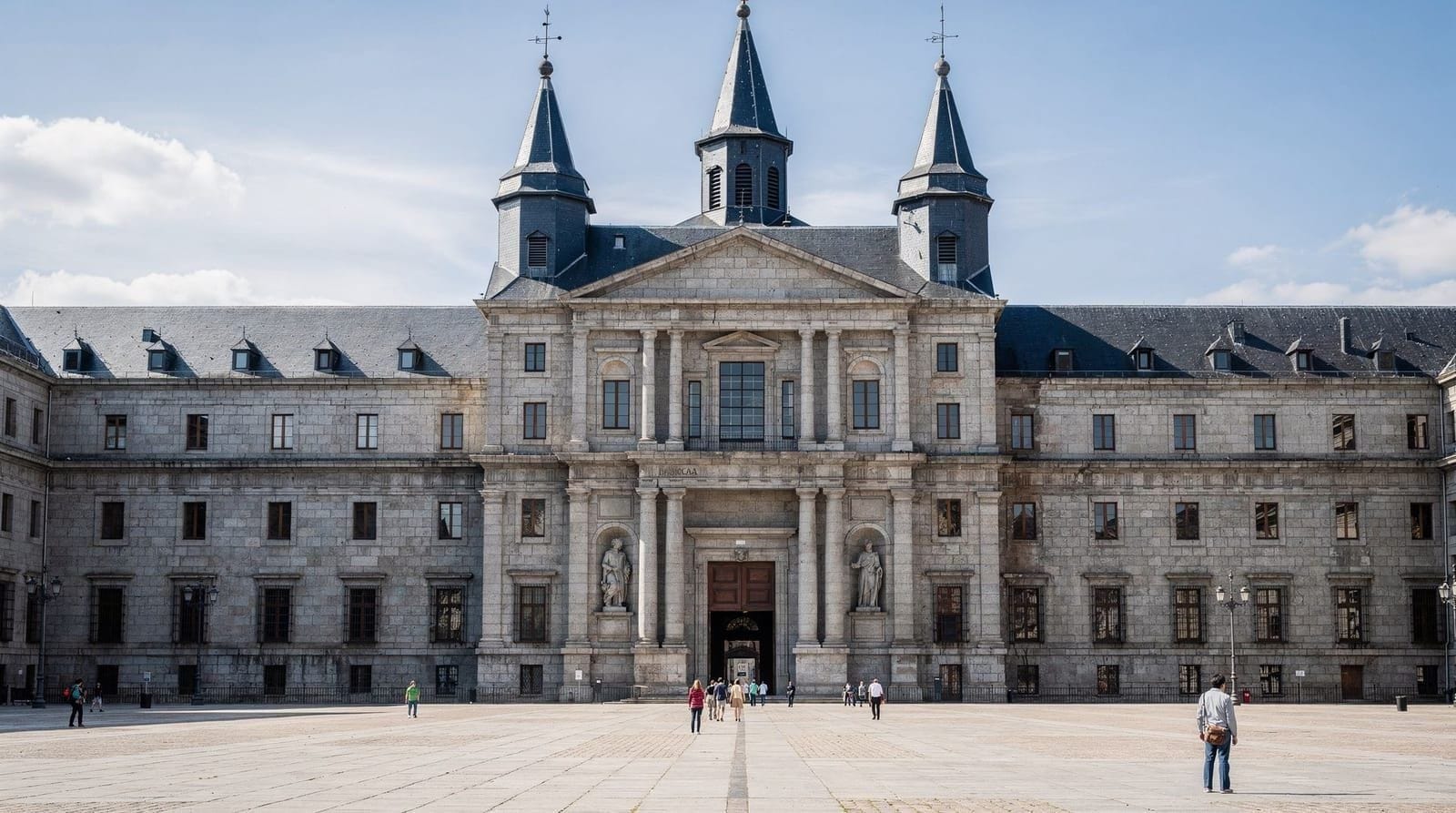
The Royal Monastery of El Escorial is one of Spain’s most historically important buildings — the massive palace-monastery of Philip II, with the royal tombs of Habsburg and Bourbon monarchs. It sits in the foothills of the Sierra de Guadarrama, 45 km northwest of Madrid.
By C-8: From Atocha or Chamartín, approximately 55–60 minutes to El Escorial station. From the station, it’s a 15-minute walk uphill to the monastery entrance, or a short taxi/bus.
Frequency: Every 30–60 minutes. Check the Renfe Cercanías app for exact times — the last train back is important to note, typically around 22:00.
On Tourist Pass: Fully covered. See the El Escorial from Madrid guide for the full day-trip logistics.
If you’d rather skip the transit planning altogether, a half-day guided trip to El Escorial and the Valley handles transport and entry in one booking.
Aranjuez
Aranjuez is a UNESCO World Cultural Landscape — the royal summer palace with formal gardens extending along the Tagus River, a short distance south of Madrid. In strawberry season (spring), the town is also known for its fresh strawberries, sold by vendors at the station.
By C-3: From Atocha, approximately 45–50 minutes. Very frequent service (every 15–20 minutes at peak times).
On Tourist Pass: Fully covered. See the Aranjuez from Madrid guide.
If you would rather have the palace explained by someone who knows it, a private visit to the royal palace of Aranjuez is an easy upgrade on the same day trip.
Seasonal highlight: The Strawberry Train (Tren de la Fresa) is a heritage tourist service running on selected dates — a vintage train with 19th-century coaches, strawberry distribution on board. Book on the official Tren de la Fresa website, as tickets sell out.
Alcalá de Henares
Alcalá is the birthplace of Miguel de Cervantes (author of Don Quixote) and home to one of Spain’s oldest universities, founded 1293. The historic centre, with its Plateresque university façade and Renaissance courtyards, is a UNESCO World Heritage site.
By C-2: From Atocha or Chamartín, approximately 35–40 minutes. High frequency (every 15–20 minutes).
On Tourist Pass: Fully covered. See the Alcalá from Madrid guide.
Other useful Cercanías destinations
Cercedilla and the Sierra de Guadarrama
Line C-8 extends northwest from Madrid toward the Sierra de Guadarrama mountains. Cercedilla station (approximately 1 hour from Chamartín) is the starting point for several hiking trails in the sierra and the Cotos ski area (winter). A narrow-gauge rack railway (Ferrocarril de Cotos) continues from Cercedilla up to Puerto de Navacerrada and Cotos, offering spectacular mountain views.
For a mountain day trip without a car, the C-8 + rack railway combination is excellent in both summer (hiking) and winter (skiing at modest levels). The Tourist Travel Pass covers the Cercanías portion; the rack railway requires a separate small ticket.
See Sierra de Guadarrama day guide for full hiking and access information.
Villalba junction
Villalba is the Cercanías interchange point for El Escorial — trains from Madrid Chamartín change direction here (on some services) before heading to El Escorial. You don’t need to do anything: if you’re on the right train, the change is automatic. But if you see “Villalba” on an intermediate board and wonder if you’ve gone wrong, you haven’t.
Pozuelo de Alarcón and Las Rozas
Western suburban destinations on Line C-5 — primarily residential commuter towns with no major tourist draw, but useful to know if your accommodation is in this part of the metropolitan area.
Guadalajara
Not to be confused with the Mexican city — Guadalajara is a historic Castilian city approximately 60 km east of Madrid on Line C-2 (beyond Alcalá de Henares), approximately 1 hour from Atocha. The Palacio del Infantado is one of Spain’s finest Isabelline Gothic palaces. An undervisited and uncrowded alternative to the main day-trip circuit.
Cercanías vs intercity Renfe buses: which to use?
For El Escorial and Aranjuez, the Cercanías is generally preferable to buses because:
- It’s faster
- It’s covered by the Tourist Pass
- Trains are more comfortable for day-trip distances
However, there is a bus alternative to El Escorial: Line 661 from Madrid Moncloa bus station (approximately 1 hour, ~€3 each way). This is useful if you’re in the northwest of the city and Moncloa is closer to your hotel than Chamartín.
For Toledo, the ALSA bus from Méndez Álvaro (€5.50 each way, 1h15–1h30) is a reasonable alternative to the AVE if you’re price-sensitive — see day trips without a car. The Cercanías does not serve Toledo. If you want to combine Toledo with other towns that the suburban network handles awkwardly, a single day trip linking Chinchón, Aranjuez and Toledo removes the connection puzzle.
Combining Cercanías with metro for seamless city travel
The Cercanías stations in Madrid are integrated with Metro stations in the same building, sharing concourses but having separate fare gates. The Tourist Pass covers both, so the transition from Metro to Cercanías is a simple walk through the station with no additional ticket needed.
Practical integration scenario: You’re at your hotel in Chueca (served by Metro Line 5). Your day trip is El Escorial via Cercanías C-8 from Chamartín. Your journey:
- Chueca station (Line 5) → Nuevos Ministerios (Line 10) → Chamartín (Line 10, ~15 minutes total)
- Walk from Metro Chamartín to Cercanías Chamartín (same building, ~5 minutes)
- Cercanías C-8 → El Escorial (~55 minutes)
Entire journey on one Tourist Pass with no extra payment. Return is the same in reverse.
Buying Cercanías tickets
Without a Tourist Pass: Buy at Cercanías ticket machines at Atocha, Chamartín, or any station. The machines have an English-language option. Select “Cercanías” on the main menu, enter your destination, and pay. Tickets are single-use paper tickets (or loaded onto a Multi card for zone A).
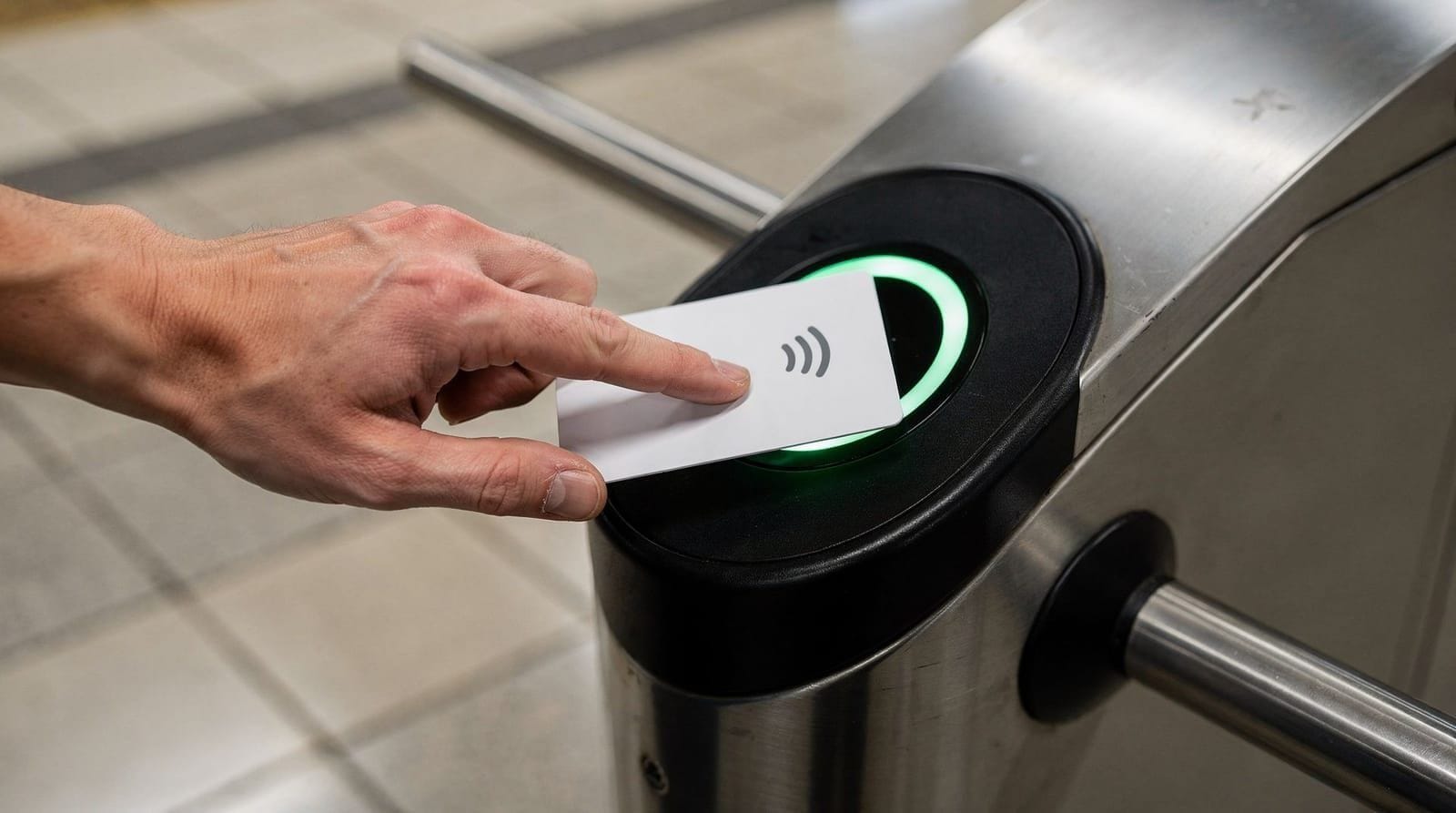
With a Tourist Pass: Simply touch the TTP card at the turnstile — no separate Cercanías ticket needed.
Important: Cercanías platforms at Atocha are separate from the AVE/AVANT high-speed platforms. At Atocha, look for “Cercanías” signage and follow the coloured line maps. The Cercanías area is on the lower level of the main terminal building.
Cercanías timetables
The Renfe Cercanías website (renfe.com/viajeros/cercanias/madrid) and the Renfe app have real-time timetables. Google Maps also integrates Cercanías departure times reasonably well. The key times to check:
- Last departure from your destination to Madrid (crucial for El Escorial — trains stop earlier than you’d expect on Sundays)
- Weekend timetables (Sundays often have reduced frequency, particularly on C-3 and C-8)
- Public holidays (reduced service — check in advance if your day trip falls on a public holiday)
Practical day-trip planning with Cercanías: a worked example
El Escorial: the ideal Cercanías day trip
This worked example shows the full logistics of a Cercanías day trip from central Madrid:
From a hotel in Malasaña:
- Walk to Tribunal Metro station (Line 5), 5 minutes
- Metro Line 5 → Nuevos Ministerios (interchange), 8 minutes
- Metro Line 10 → Chamartín, 8 minutes
- Walk from Metro Chamartín to Cercanías Chamartín, 5 minutes
- Cercanías C-8 → El Escorial station, 55 minutes
- Walk from station to monastery entrance, 15 minutes uphill (or bus/taxi, 5 minutes)
- Total transit time: approximately 90 minutes door-to-door
At El Escorial:
- The Royal Site entrance costs approximately €12 for the monastery-palace, royal tombs, and library
- Allow 2.5–3 hours for a thorough visit
- Lunch in the village (20-minute break — El Escorial has several tapas bars and restaurants near the monastery entrance)
- Return by the same C-8 route; last convenient return trains around 20:00–21:00 on weekdays
Total cost with Zone T Tourist Pass: €12 monument entry + €10–€15 lunch = approximately €22–€27 for a full day trip
Total cost without Tourist Pass: Add the return Cercanías fare (the price depends on the zones crossed; see Renfe)
The Tourist Pass saving on a single El Escorial day trip represents a meaningful fraction of the pass’s cost — particularly relevant when deciding whether to buy the pass.
The complete Cercanías network map overview
The Madrid Cercanías system has 9 lines (C-1 through C-10, with some gaps in numbering) radiating outward from the city centre:
For tourist relevance:
- C-1: Airport (T4) ↔ Chamartín ↔ Nuevos Ministerios ↔ Recoletos ↔ Atocha ↔ Príncipe Pío
- C-2: Alcalá de Henares (east)
- C-3: Aranjuez (south)
- C-4: Parla (south, residential)
- C-5: Móstoles/Fuenlabrada (southwest, residential)
- C-7: Alcalá de Henares – Atocha – Chamartín – Príncipe Pío
- C-8: El Escorial/Cercedilla/Sierra (northwest, scenic route)
- C-9: Cercedilla/Cotos (narrow gauge, mountain section)
- C-10: Villalba – Príncipe Pío – Atocha – Recoletos – Chamartín
For tourists, C-1, C-2, C-3, and C-8 cover the most relevant destinations. C-8 also adds the sierra hiking access.
Accessibility on the Cercanías network
Most Cercanías stations in central Madrid and at the main day-trip destinations have been upgraded with step-free access, but the network is not uniformly accessible, and a little planning helps for travellers with mobility needs, luggage, or pushchairs.
Step-free stations: Atocha, Chamartín, Nuevos Ministerios, and Recoletos all have lift access between the street, concourse, and platform levels. Aranjuez and Alcalá de Henares stations also have step-free routes. El Escorial station has more limited lift provision — check current status before relying on it, as older suburban stations lag behind the main hubs in accessibility upgrades.
On board: Cercanías trains have designated wheelchair spaces near the doors, and the gap between platform and train can vary by station — station staff can provide a ramp on request at major stops if notified in advance (Renfe’s assistance line handles this, and hotel concierges can often help arrange it).
With luggage or a pushchair: The C-1 line connecting the airport to the city centre is a common choice for travellers with luggage precisely because it avoids the escalator-heavy interchanges some Metro routes require — see the airport to city guide for the full comparison of routes into town.
Assistance booking: For travellers needing dedicated assistance (wheelchair users transferring between train and platform, visually impaired passengers), Renfe’s Atendo assistance service can be booked ahead of a specific journey through the Renfe website or by phone; this is particularly worth arranging for day trips to El Escorial, where station infrastructure is less modern than the central Madrid hubs.
Cercanías in context: connecting Madrid to its region
The Cercanías serves a fundamental function beyond tourism — it is Madrid’s commuter spine, carrying hundreds of thousands of daily commuters between the metropolitan area and the city centre. The result: trains on the main lines (C-1, C-2, C-3) are frequent during the day because of the underlying commuter demand, not just tourist use.
This also means that the network is genuinely well-maintained and funded. Unlike some European commuter rail systems that are neglected in favour of high-speed investment, Madrid’s Cercanías receives ongoing investment because it serves essential daily commuter needs.
For visitors, the practical benefit is reliability: a system that carries 100,000+ daily commuters simply cannot afford to be unreliable in the way a low-frequency tourist shuttle might be.
Frequently asked questions about the Madrid Cercanías
Is the Cercanías the same as the metro?
No. They are separate networks, though they share some station buildings (notably Atocha, Chamartín, and Nuevos Ministerios). The metro is operated by Metro de Madrid; Cercanías is operated by Renfe. Different turnstiles, different fare systems, different trains — but both are covered by the Tourist Travel Pass.
Can I use my Cercanías ticket on the metro?
No — tickets are specific to each network. The Tourist Travel Pass covers both. Without a pass, buy separate tickets for metro (TTP card) and Cercanías (paper ticket or Multi Cercanías card).
Are Cercanías trains on time?
Generally reliable on weekdays. Weekend and holiday services can be disrupted by engineering works, particularly in summer. The Renfe app shows real-time delays. El Escorial trains occasionally have delays of 10–15 minutes due to single-track sections in the sierra foothills.
What is the difference between Cercanías and Rodalies?
“Rodalies” is the Catalan name for Cercanías — it refers to the same concept (suburban rail network) in Catalonia. In Madrid, the network is always called Cercanías. Outside Madrid, other major Spanish cities (Barcelona, Valencia, Seville) have their own Cercanías/Rodalies networks.
Can I take my bicycle on Cercanías?
Yes — bicycles are permitted on Cercanías outside peak hours (generally before 06:30 and after 09:00 in the morning, and outside the 18:00–20:00 evening rush). Specific carriage markings indicate the bicycle zone. This is useful if combining a Cercanías journey with cycling in the sierra or at Aranjuez.