Madrid markets guide: food halls, local markets, and where to eat
Madrid: Ultimate Food Tour Markets Tapas
What is the best market in Madrid?
For food experiences, Mercado de San Miguel (adjacent to Plaza Mayor) is the most impressive and tourist-accessible but also the most expensive. Mercado de la Paz in Salamanca is the best local food market with excellent jamón and cheese. El Rastro (Sunday only) is Spain's most famous flea market. Mercado de San Antón in Chueca is a good mid-point. For a genuine local market rather than a tourist food hall, Mercado de Maravillas in Tetuán is Madrid's largest and most authentic.
| Most impressive | Mercado de San Miguel — beautiful, expensive |
| Best local market | Mercado de la Paz, Salamanca |
| Most authentic | Mercado de Maravillas, Tetuán |
| Sunday only | El Rastro flea market |
| Best for families | Mercado de la Paz or San Antón |
Madrid’s market landscape
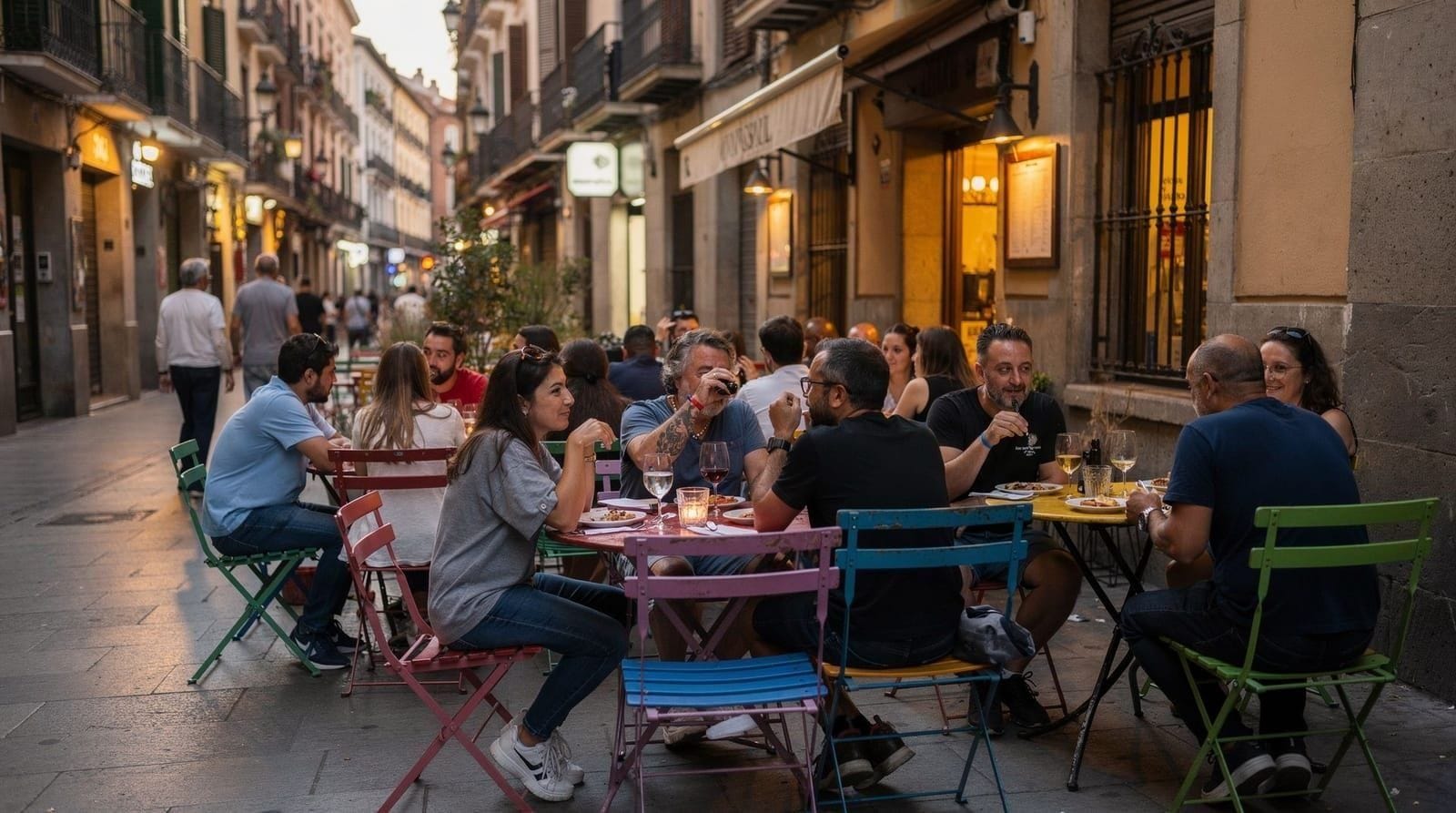
Madrid has markets across a spectrum — from the 19th-century iron food halls converted to upscale food experiences, to the working neighbourhood markets where residents buy their weekly groceries, to El Rastro (covered separately in the El Rastro guide). Understanding which category each market falls into saves you from paying Mercado de San Miguel prices when you’re looking for a local grocery experience, or ending up in a neighbourhood market when you want standing-room pintxos.
Mercado de San Miguel
Location: Plaza de San Miguel 1 (adjacent to Plaza Mayor, 2 minutes from Puerta del Sol) Hours: Sunday–Thursday 10:00–24:00; Friday, Saturday and the eve of public holidays 10:00–01:00
A 19th-century iron market structure — one of Madrid’s most beautiful architectural spaces — converted into a food hall in 2009. It is now one of the most visited spots in Madrid.
What it is honestly: A high-end tourist food hall. The quality of produce is genuine — jamón ibérico from serious producers, fresh oysters, excellent cheeses, good vermouth — but the prices are tourist-market (a glass of vermouth: €5–7; a montadito: €3–4). It is expensive for what it is.
When to go: Weekday mornings (10:00–12:00) when it is less crowded. Avoid Friday and Saturday evenings when it becomes nearly impossible to navigate. Sunday afternoons are surprisingly manageable.
What to order: The jamón selections from Cinco Jotas and similar producers are the best reason to be here. The oysters are consistently fresh. The vermouth with a small tapa is a reasonable mid-morning investment.
What to skip: The sit-down restaurant sections, which are overpriced. The paella stations (convenience, not quality). The souvenir-adjacent products near the entrance.
The honest assessment: Worth visiting once for the architecture and for the quality of the Spanish food products. Not a market for regular shopping or sustained eating.
Mercado de la Paz
Location: Calle de Ayala 28 (Salamanca neighbourhood) Hours: Monday–Friday 09:00–20:00; Saturday 09:00–14:30; Closed Sunday
This is Madrid’s best neighbourhood food market. While Mercado de San Miguel is geared toward tourist food experiences, Mercado de la Paz is where Salamanca residents buy food. The difference is visible immediately — professional scales, serious produce, regular customers on first-name terms with stallholders.
What to do here:
- Jamón counter: Order 100g of jamón ibérico de bellota (acorn-fed) sliced to order. Expect to pay €12–20 for the best quality. This is the correct way to experience Spanish jamón — not vacuum-packed from a supermarket.
- Cheese section: Manchego (various ages), Cabrales (Asturian blue), Idiazábal (Basque smoked sheep), Torta del Casar (Extremaduran — ask for a ripe one). Buy by the wedge.
- Fish and seafood: Fresh, well-sourced, with daily variation. The market’s proximity to high-income clients means quality is maintained.
- Bread: The bakery section sells pan de cristal (very crispy, thin-crusted loaves) — Madrid’s best bread format.
The honest assessment: The most enjoyable market experience in Madrid for anyone interested in food as more than a tourist product. Budget €20–30 for a serious shopping session.
Mercado de San Antón
Location: Calle de Augusto Figueroa 24 (Chueca neighbourhood) Hours: Market floor Monday–Saturday 10:00–22:00; tapas floor Monday–Saturday 10:00–24:00; top-floor restaurant daily 13:00–01:00
A three-floor market in the heart of Chueca — the ground floor has traditional market stalls (fish, meat, produce); the upper floors have a food court and restaurants. More intimate than San Miguel and significantly less crowded.
What to do here:
- Ground floor: Fresh produce and speciality foods. A good place to buy quality Spanish products if staying in accommodation with a kitchen.
- Second floor food court: Quality higher and prices lower than Mercado de San Miguel. Good for a casual lunch with vermouth and pintxos.
- Rooftop terrace: Open in good weather, views over Chueca rooftops. Cocktails and food.
The honest assessment: The best mid-point between San Miguel’s tourist positioning and the full local-market experience of La Paz. Useful for Chueca-based visitors. The Chueca guide covers the surrounding neighbourhood.
If you’d rather have a guide walk you through several of these markets with context on what you’re eating and why, a combined market-and-tapas tour covers this ground efficiently on a first visit: Madrid ultimate food tour: markets and tapas
Mercado de Maravillas
Location: Calle de Bravo Murillo 122 (Tetuán neighbourhood, north of centre) Hours: Monday–Friday 09:00–14:00 and 17:00–20:00 (17:30–20:30 in summer); Saturday 09:00–15:00; Closed Sunday
Madrid’s largest food market and genuinely the least touristy. Tetuán is a working-class multicultural neighbourhood north of Malasaña, and Mercado de Maravillas operates at that register — affordable, busy, and completely authentic.
Why go: To see what a real Madrid market looks like when it is not catering to tourists. The fruit and vegetable prices are the lowest in central Madrid. The fish section is enormous. The product variety reflects the neighbourhood’s diversity.
Getting there: Metro to Valdeacederas (Line 1) — five stops from Sol.
The honest assessment: Unless market anthropology is your specific interest, the other markets are more convenient. But if you want to understand Madrid’s food culture without the tourist overlay, Maravillas is the most honest option.
Mercado de Antón Martín
Location: Calle de Santa Isabel 5 (Lavapiés neighbourhood) Hours: Monday–Saturday, from 09:30; individual stalls and bars keep their own hours
A traditional neighbourhood market in Lavapiés that has partially converted to a food hall format in recent years while retaining more local character than San Miguel. The Japanese food section (run by Japanese residents of the neighbourhood) is notable — good sashimi-quality fish and prepared Japanese foods. The international character reflects Lavapiés’s multicultural composition.
The honest assessment: Interesting for the cultural mix and for reasonably priced food. Worth visiting if staying in Lavapiés. The Lavapiés guide has the full neighbourhood context.
El Rastro: the Sunday flea market
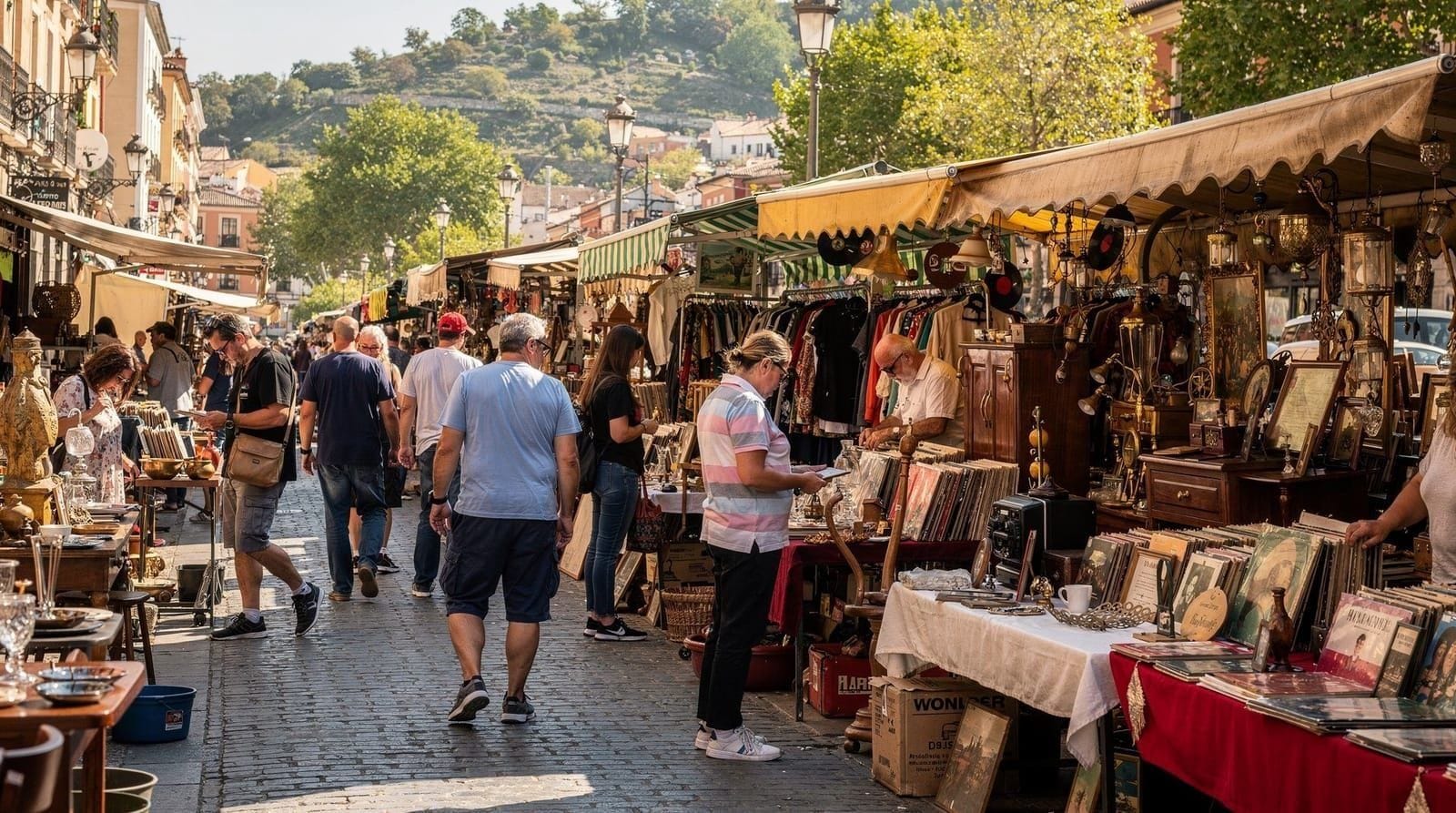
Spain’s most famous flea market — antiques, second-hand goods, leather, prints, and tourist merchandise, every Sunday and public holiday from 09:00 to 15:00 in La Latina. Separate comprehensive guide: El Rastro flea market guide.
The key practical point: El Rastro is Sunday only. There is no mid-week equivalent.
The market calendar: what’s when
| Market | Days | Best time | Category |
|---|---|---|---|
| El Rastro | Sun & public holidays | 09:00–11:00 | Flea market |
| Mercado de San Miguel | Daily | Weekday mornings | Tourist food hall |
| Mercado de la Paz | Mon–Sat | 09:00–13:00 | Neighbourhood food |
| Mercado de San Antón | Mon–Sun | Afternoon | Mid-range food hall |
| Mercado de Maravillas | Mon–Sat | Morning | Local food market |
| Mercado de Antón Martín | Mon–Sat | Morning | Neighbourhood/multicultural |
Food to bring home from Madrid markets
Jamón ibérico: The best souvenir from any Madrid food market. Buy vacuum-packed portions (100–200g) from a quality counter — they travel well and are generally allowed through customs in most countries (check before travel). Avoid the pre-sliced packets in supermarkets; the difference in quality from a freshly-sliced counter is significant.
Manchego: Buy a wedge at Mercado de la Paz or San Antón. An aged manchego (curado or viejo) travels better than a fresh one.
Membrillo (quince paste): Classic accompaniment to manchego. Available at most market cheese stalls. Vacuum-sealed and travels well.
Spanish paprika (pimentón de la Vera): Smoked paprika, the key flavouring in chorizo and many Spanish dishes. Available at most food markets and supermarkets. The de la Vera designation indicates the finest variety.
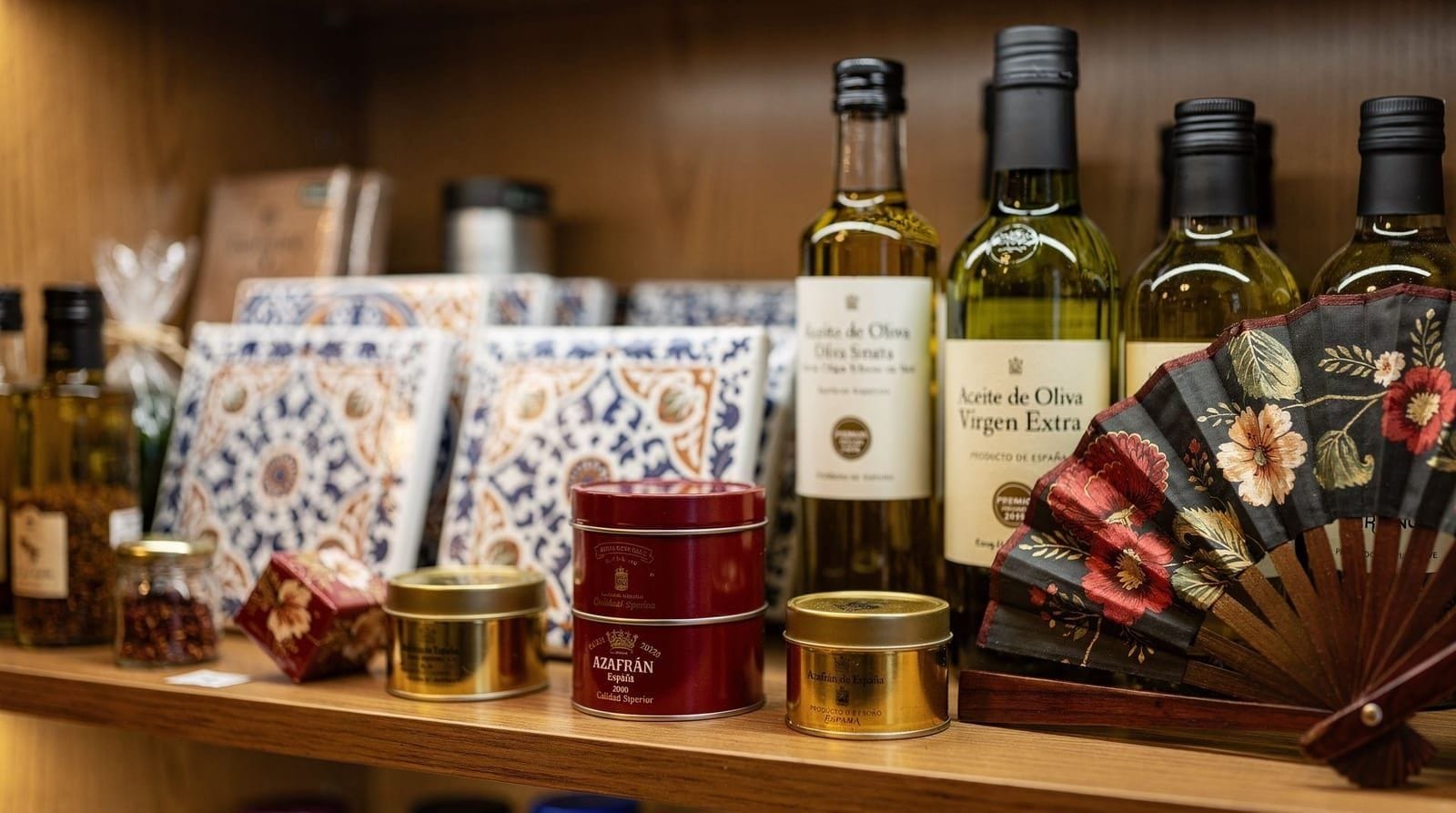
Saffron: Spanish saffron (from La Mancha) is genuine and better quality than most internationally available product. Small tins from market spice stalls are a practical and authentic purchase.
For a full guide to souvenirs and gifts, see the Madrid souvenirs guide.
Understanding Spanish market culture
Spanish markets operate within a social context that is different from Northern European equivalents. A few things worth understanding before you go:
The stallholder relationship: At a proper neighbourhood market like Mercado de la Paz, the stallholders have regular customers who have been buying from them for years. They know the regulars by name. As a visitor, you may not get the same casual chat — but the quality and honesty of the product will be the same. Spanish market trading has a strong ethic around product quality; a jamón counter that sold inferior product would lose its customers rapidly.
What “jamón ibérico” actually means: The Spanish ham classification system has four categories based on breed and diet. The top tier — jamón ibérico de bellota (100% Iberian pig, acorn-fed, free-range, cured minimum 36 months) — is the reference. Below this: jamón ibérico de cebo de campo (Iberian, mixed feeding), then jamón ibérico de cebo (Iberian, grain-fed). The black label (etiqueta negra) indicates the highest category. At a market counter, ask which category you are being offered — it determines the price range and the quality.
Market timing and the Spanish schedule: Spanish market trading follows a schedule that reflects the traditional Spanish day — morning hours (09:00–14:00), a long midday closure, and late afternoon reopening (17:00–20:00 in most cases). On Saturdays, most markets close at 14:00 and do not reopen. Sunday: only El Rastro and some food halls. Understanding this prevents wasted journeys.
The Madrid food hall circuit: a tasting strategy
If your programme includes multiple market or food-hall visits, sequencing them correctly makes the experiences distinct rather than repetitive:
Day 1 — Mercado de San Miguel (midday): Start with the tourist food hall to establish a baseline. The quality is honest; the prices are premium. Buy something you haven’t tried before — perhaps goose barnacles (percebes) if in season, or a tasting plate of various cheese.
Day 2 — Mercado de la Paz (morning): The contrast with San Miguel is immediate. A working neighbourhood market, no tourist prices, better jamón. Buy 100g of the best quality and eat it standing at the counter.
Day 3 — El Rastro (Sunday only): Different register entirely — antiques, second-hand, atmosphere rather than food. Follow with La Latina tapas at 12:30.
Day 4 (if time) — Mercado de San Antón (afternoon): Chueca’s market, good food court, more relaxed than San Miguel. The rooftop terrace is pleasant in warm weather.
This four-stop circuit gives a complete picture of Madrid’s market culture at different price points and for different purposes.
If your time is short and you would rather not sequence the stops yourself, a guided walk through the city’s food and drink spots with a local compresses the same idea into one outing. It also suits anyone who likes to taste first and ask questions as they go. For the wider trade-offs of paying for a guide, the food tour worth it guide weighs it honestly.
Markets and day trips
Toledo (33 minutes by AVE from Atocha) has its own market culture — the Mercado Municipal in the Casco Histórico, and numerous small food shops in the old town selling the city’s specialities (marzipan and Toledo steel). If you are planning the day trip, the Toledo from Madrid guide covers what to eat and buy there.
Salamanca (1h40–2h45 by train) is famous for its ibérico products — the province of Salamanca produces some of the finest jamón in Spain (Guijuelo is a major production zone). Shops in Salamanca city sell at lower prices than Madrid, though transport costs factor in. For serious food shopping, the Salamanca from Madrid guide covers the food dimension.
Markets for children
Madrid’s markets work well as family activities. The sensory experience (smells, colours, activity) is engaging for children.
Best market for children: Mercado de la Paz. The jamón counter slice-to-order is a memorable demonstration; the fish section is visually engaging; the overall atmosphere is friendly and unhurried.
El Rastro for older children: The flea-market energy and the variety of stalls holds attention for children 8 and older. Younger children in pushchairs will struggle with the crowd density on Sunday mornings.
Mercado de San Antón: The most comfortable family option among the food halls — the layout is clearer, less crowded than San Miguel, and the rooftop terrace provides space.
For a family itinerary built around Madrid’s food culture, the Madrid with kids guide includes market visits as a recommended activity.
Avoiding tourist-market traps
Mercado de San Miguel pricing: Everything is sold at the premium location premium. A caña of beer costs twice what it costs in La Latina two streets away. This is the trade-off for the architecture and the curation. Go once; do not make it your regular lunch option.
Souvenir packaging in food markets: The “artisan” jamón and olive oil in decorative tins sold near the entrance of tourist-facing markets is usually not the highest quality and costs twice what you would pay at a proper producer counter. Navigate to the actual market stalls.
“Traditional” recipes: Any market stall selling “grandmother’s recipe” paella in a tourist market should be approached with suspicion. Good paella is almost never made in a market stall format — it requires proper resting time. See the eat like a local guide for where to find good paella.
Choosing a market based on where you’re staying
Rather than trying to see every market, it’s usually more efficient to pick the one nearest your base and treat the rest as optional. Staying in Salamanca puts you a short walk from Mercado de la Paz, genuinely the best food market in the city. A La Latina or Austrias base puts San Miguel and El Rastro (on Sundays) both within easy reach. Chueca visitors have San Antón on their doorstep, which covers most of what San Miguel offers at a lower price and with less crowding. Only Maravillas requires a deliberate metro trip regardless of where you’re staying, which is part of why it stays authentic.
Markets and budget travel
Beyond the sit-down food halls, markets are one of the most effective budget tools in Madrid. Buying jamón, cheese, bread and fruit at Mercado de la Paz or Mercado de Maravillas and assembling a picnic — for Retiro Park or Madrid Río — routinely costs a third of a sit-down restaurant meal for equal or better ingredients. This pairs directly with the wider cost-cutting approach in the Madrid on a budget guide: market self-catering for one or two meals a day, saved for the sit-down menú del día at lunch.
Frequently asked questions about Madrid’s markets
Which market should I visit if I only have time for one?
If food quality and atmosphere both matter, Mercado de la Paz is the strongest single choice — genuine local character with excellent jamón and cheese, without San Miguel’s crowding or price premium. If you specifically want the tourist-famous experience and photogenic architecture, Mercado de San Miguel remains the obvious pick, best visited on a weekday morning.
Are Madrid’s markets open on public holidays?
Most follow Sunday-style reduced hours or close entirely on major public holidays, with the exception of Mercado de San Miguel, which tends to stay open due to its tourist-facing model. Check specific dates in advance if a holiday falls during your visit, particularly around Christmas, New Year, and Easter week.