Gran Vía shopping guide: what to buy and what to skip
Madrid: Prado Guided Skip the Line
Is Gran Vía good for shopping in Madrid?
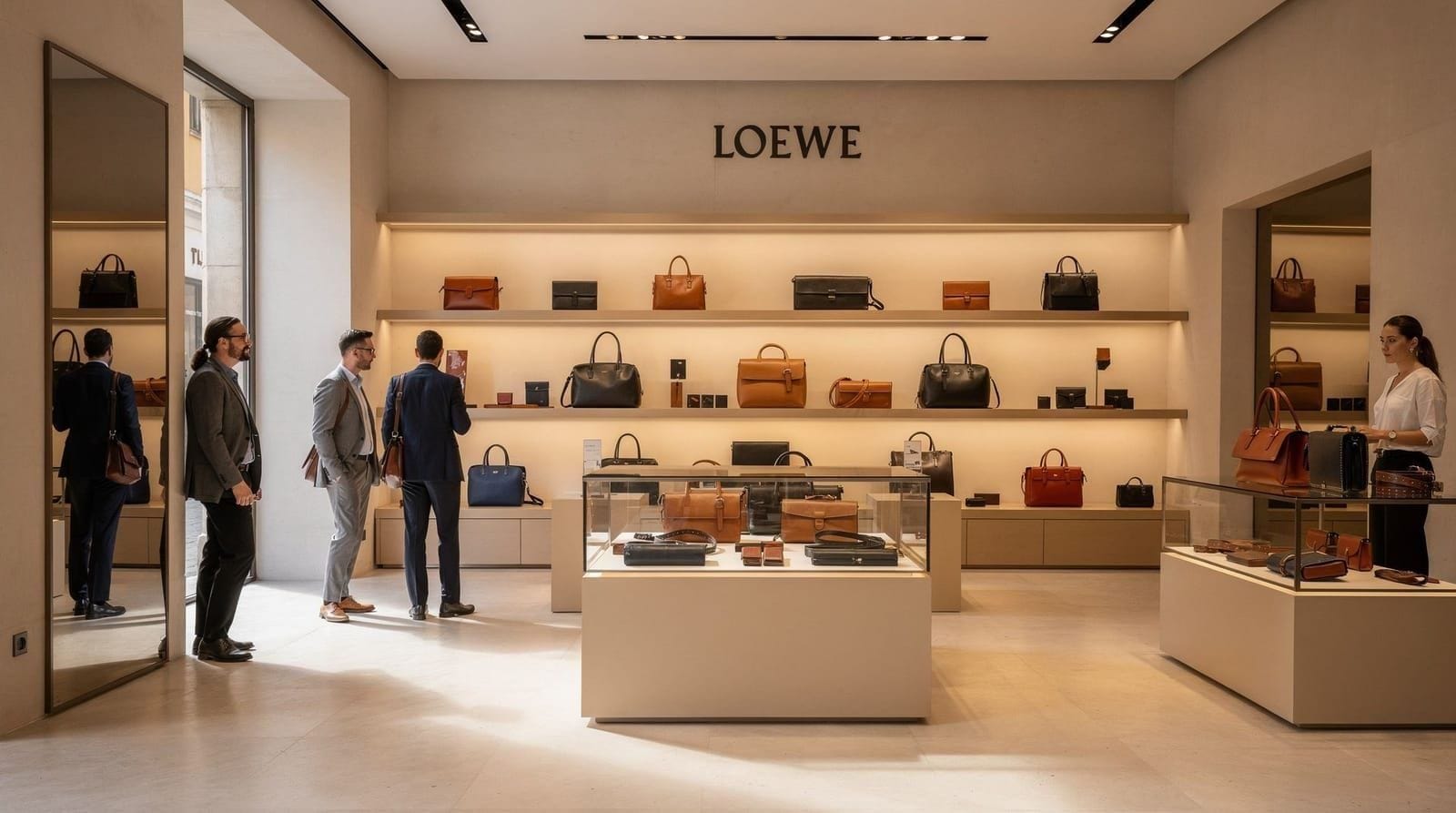
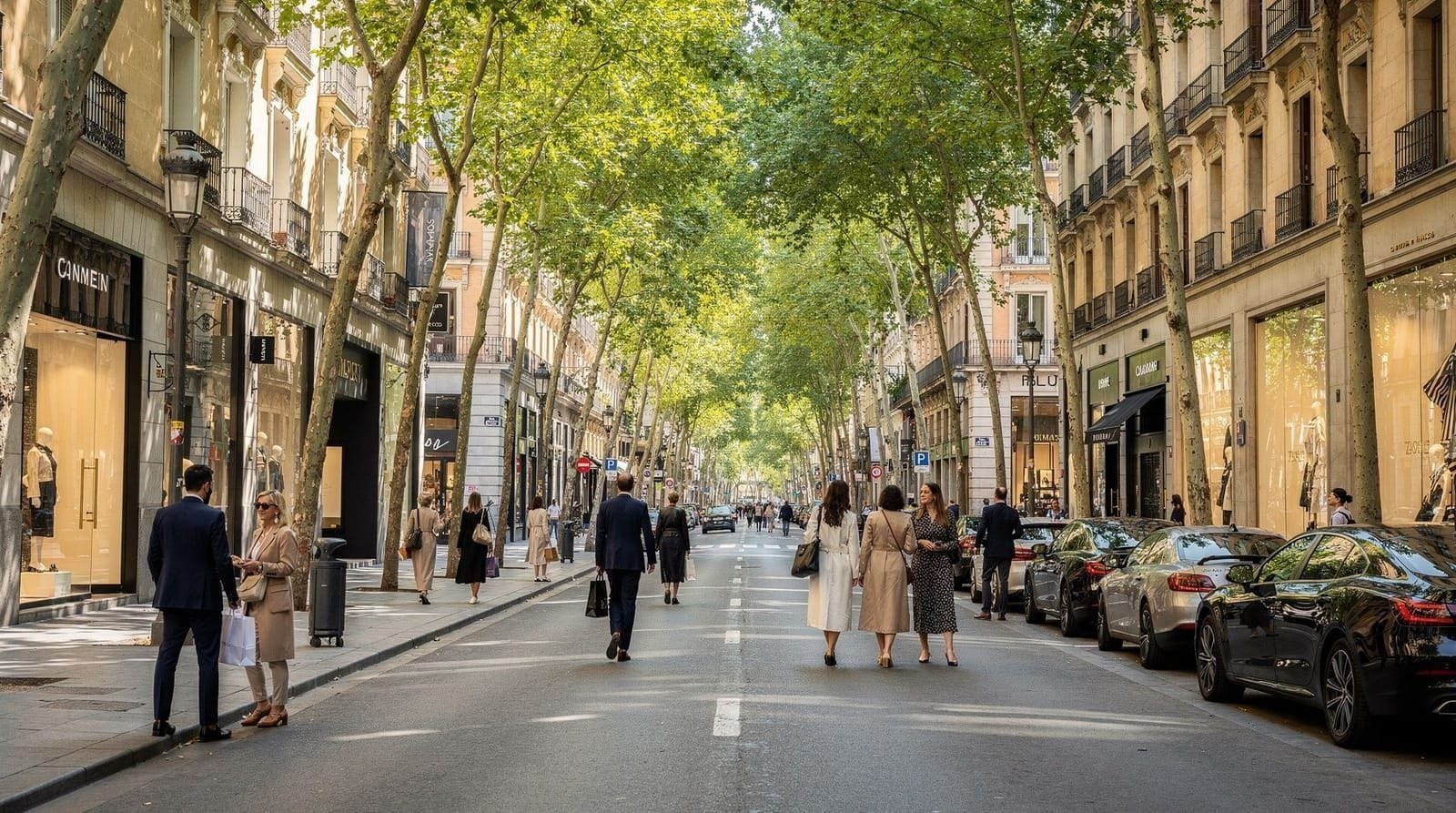
Gran Vía is Madrid's busiest shopping street — dominated by high-street chains (Zara, H&M, Primark, Mango), with a few genuinely Spanish options. It is not where Madrileños shop for quality; that happens on Calle Serrano in Salamanca and on Calle Fuencarral in Malasaña. But Gran Vía has the largest Zara and Mango stores in Spain, spectacular architecture, and is the most convenient shopping corridor in the city. Go in knowing what it is.
What Gran Vía actually is
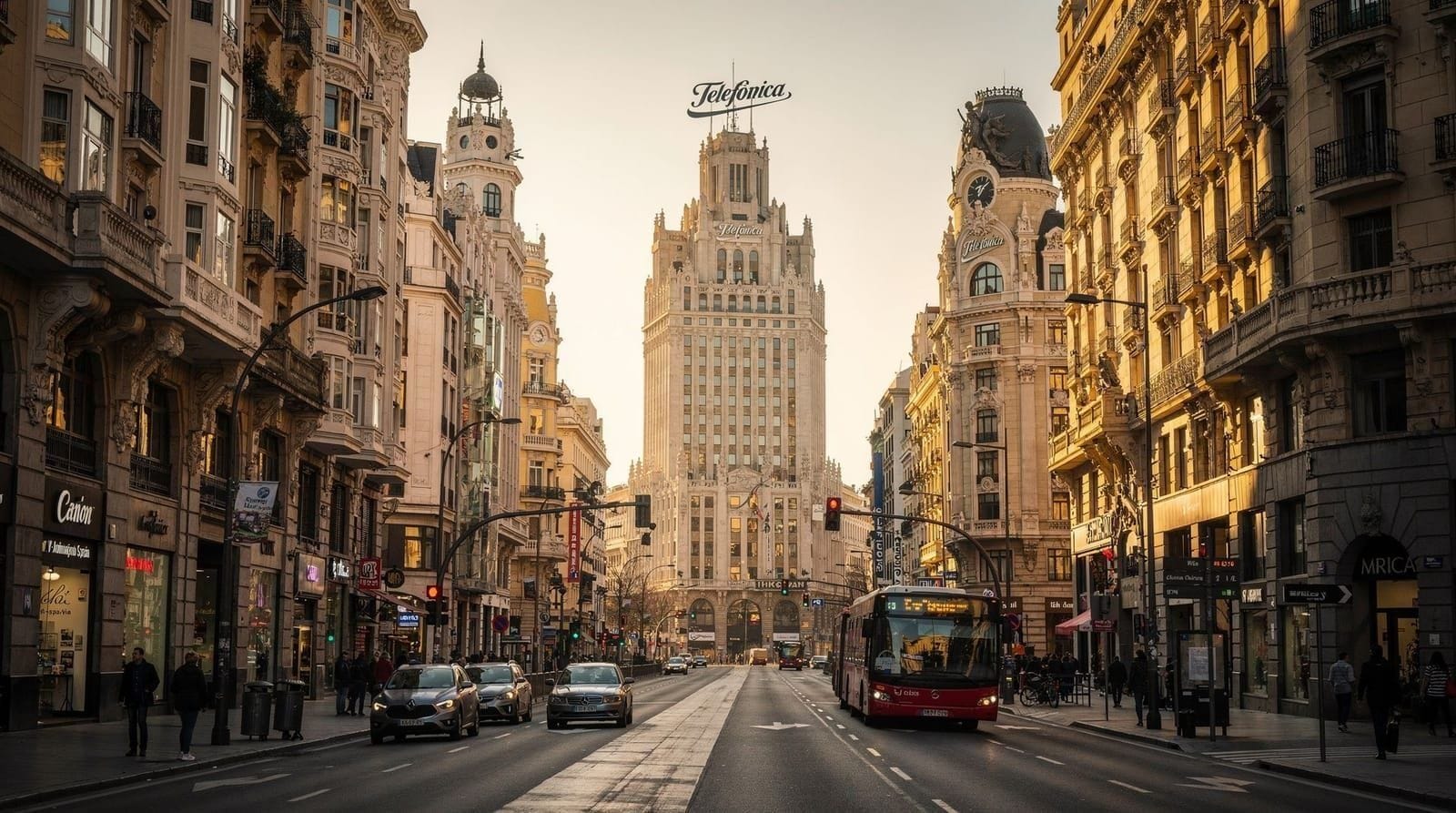
Gran Vía is not a neighbourhood — it is a boulevard. Built between 1910 and 1932 by cutting a new street diagonally through Madrid’s medieval grid (demolishing over 300 buildings in the process), it was designed to be the great commercial artery of a modern European capital. The architecture is extraordinary — American-influenced beaux-arts from the early stretch near Calle de Alcalá, through Art Deco at the Telefónica building, to neoclassical in the later sections approaching Plaza de España.
The Sol and Gran Vía destination page covers the architecture and history properly. This guide is about the commercial dimension — what to buy, where to shop, and what to skip.
| Where | Central Madrid, Calle de Alcalá to Plaza de España |
| What it’s good for | High-street chains (Zara, Mango, Primark flagships), architecture |
| What it’s not good for | Independent or luxury shopping, quality restaurants |
| Time needed | 1–2 hours for a shopping pass, 20–25 min to just walk it |
| Getting there | Metro Plaza de España, Callao or Gran Vía |
The honest shopping hierarchy
Madrid has three distinct shopping zones:
- Salamanca (Calle Serrano): Luxury, designer, high-quality Spanish brands. Where Madrileños with money shop.
- Malasaña/Chueca (Calle Fuencarral): Independent, indie fashion, vintage, music. Where creative Madrid shops.
- Gran Vía: High street chains, tourist-facing retail, flagship versions of international brands. Convenient, democratic, and not where anyone goes for a discovery.
Gran Vía is category three. Knowing this is not a criticism of the street — it is genuinely useful for specific purposes.
What Gran Vía does well
Zara flagship (Gran Vía): This is one of the largest Zara stores in the world — four floors, the full collection including items that don’t appear in smaller international stores, and prices that are 10–20% lower than in the UK or US. If you were planning to buy Zara anyway, this is the right place to do it. The brand is Spanish (founded in Galicia by Amancio Ortega); buying at the Spanish flagship has a certain logic.
Mango flagship (Gran Vía): Similar story — the flagship store has fuller selections and lower euro prices than international branches. Mango is a Barcelona-based Spanish brand.
El Corte Inglés (Calle de Preciados, just off Gran Vía): Spain’s department store — everything under one roof, good customer service, tax-free shopping process for non-EU visitors. Not cheap, but reliable. The Callao branch (Calle de Preciados 3) is the most centrally located.
Primark (Gran Vía 32): The largest Primark in Spain. If you need inexpensive basics or beach clothing, the prices are genuinely the lowest available.
Book shopping: The FNAC on Calle de Preciados (just off Gran Vía) has Spain’s best central bookshop — good English-language selection, travel books, and music.
Sports and outdoor gear: Decathlon and Sprinter both have branches within a few minutes of Gran Vía — genuinely useful if you’ve forgotten hiking shoes before a Sierra de Guadarrama day trip or need a rain layer before a Segovia or Toledo excursion, at prices well below specialist outdoor retailers back home.
What Gran Vía does poorly
Originality: The Gran Vía shopping corridor is interchangeable with any major high street in Western Europe. You will find the same H&M, Stradivarius, Bershka, and Pull&Bear that exist in your home country. There is nothing here that you cannot buy without travelling to Madrid — which is the relevant filter when deciding where to spend time.
Quality independent retail: There is essentially none on Gran Vía itself. The independents are on Fuencarral (Malasaña) and in Salamanca.
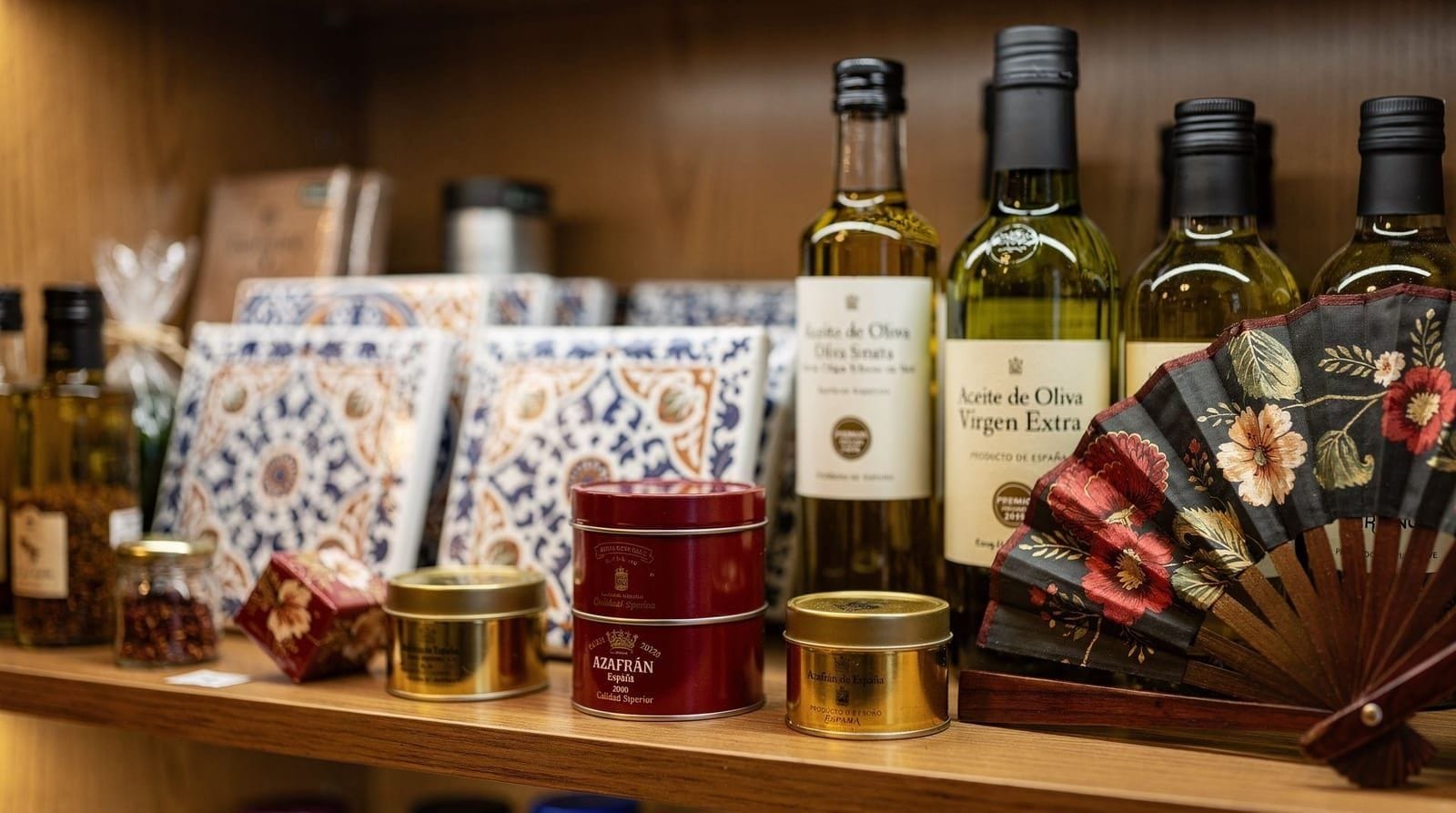
Souvenirs of actual quality: The souvenir shops on Gran Vía sell the same mass-produced items at the same inflated prices as everywhere in the tourist core. See the souvenirs guide for better options.
The Calle Fuencarral alternative
If you start from Gran Vía and walk north on Calle de Fuencarral (which begins just off Gran Vía at Callao), you enter a genuinely different retail environment. Fuencarral has:
- Independent Spanish fashion brands
- Vintage and second-hand stores with real selection
- Specialist shops (vinyl records, design objects, skatewear)
- Mercado de Fuencarral (an indoor market-format multi-brand store)
- Lower tourist density than Gran Vía
For anything beyond mass-market chains, Fuencarral is a better use of time. The Malasaña guide covers the Fuencarral shopping experience in depth.
Gran Vía architecture: the real reason to walk it
The best reason to spend time on Gran Vía is not the shops — it is the architecture. Walking from Calle de Alcalá toward Plaza de España gives you one of the most dramatic urban promenades in Spain.
Edificio Metrópolis (corner of Calle de Alcalá): The most photographed building in Madrid — a baroque tower capped by a steel dome and a winged figure. Built 1905–1911 for the Unión y el Fénix Española insurance company. The facade detail is extraordinary at close range.
Edificio Telefónica (Gran Vía 28): Spain’s first skyscraper (1930) and an early example of American-influenced commercial architecture in Europe. The communications equipment visible on the building is genuine — Telefónica still operates here. During the Civil War, foreign journalists used the upper floors to report on the siege of Madrid.
Capitol Building (Gran Vía 41): Rationalist-Art Deco cinema palace. The Callao cinema complex here is one of the best commercial cinema venues in Madrid, showing mainstream and art-house films.
Edificio España (Plaza de España, end of Gran Vía): Franco-era prestige architecture — enormous and somewhat oppressive. Now a luxury hotel (Riu Plaza España) after decades of partial abandonment. The rooftop is open to visitors with a ticket (see the hotel’s website for the current price) and gives excellent views across central Madrid.
Gran Vía as a starting point
Most visitors will pass through Gran Vía as a transit axis rather than a dedicated shopping destination. The practical approach:
On the way from the airport: The Nuevos Ministerios metro station (Line 8 from the airport, Lines 6 and 10 connecting to central Madrid) puts you close to Alonso Martínez, 15 minutes’ walk from Gran Vía. Many visitors orient from here on arrival.
As an evening walk: Gran Vía at night, with the cinema signage and illuminated building facades, is more impressive than it is in daylight. The Cines Callao and Teatro Gran Vía add theatre and cinema footfall that keeps the street lively until midnight.
Before El Rastro: If you’re staying on or near Gran Vía and heading to El Rastro on Sunday, the 20-minute walk south through Sol and down to La Latina is interesting in its own right.
Shopping budget benchmarks on Gran Vía
| Item | Gran Vía price | Comparable elsewhere |
|---|---|---|
| Zara mid-range top | €20–35 | Same brand, similar in most cities |
| Spanish ceramics souvenir shop | €15–40 | El Rastro: €8–25 for vintage |
| Department store toiletries | Standard retail | Consistent with supermarket prices |
| Tourist restaurant lunch | €18–28 | La Latina equivalent: €12–18 |
The Madrid on a budget guide covers spending benchmarks across all categories.
Combining Gran Vía with other shopping areas
A coherent Madrid shopping day:
- Morning: Calle Fuencarral north from Gran Vía into Malasaña — independent and vintage.
- Afternoon: Metro to Serrano — Salamanca luxury (window shopping or genuine purchases).
- Evening: Back to Gran Vía area for any major chain purchases and the Metrópolis/Telefónica architecture walk.
This circuit covers the full spectrum of Madrid’s commercial offer in a single day. For souvenirs and market shopping, add a Sunday El Rastro visit to the El Rastro guide.
Entertainment on Gran Vía: cinemas and theatres
Gran Vía is not only retail. It is Madrid’s primary theatre and cinema district, and the evening offer is substantial.
Cines Callao (Plaza del Callao): The two main commercial cinemas at Callao show mainstream releases. Spanish cinemas typically show foreign-language films in dubbed Spanish (versión doblada, VD) — check for versión original (VO) if you want English. Callao occasionally shows VO.
Teatro Gran Vía (Gran Vía 66): Large commercial theatre with touring productions. Spanish-language performances; occasionally hosts international productions with supertitles.
Teatro Lara (Corredera Baja de San Pablo 15, just off Gran Vía): A 19th-century theatre with a more interesting programming policy than the commercial Gran Vía venues.
Teatro Coliseum (Gran Vía 78): Big musical theatre productions — Spanish versions of international shows (Les Misérables, Beauty and the Beast, etc.).
For anyone staying on or near Gran Vía, the evening theatre and cinema culture is the best reason to be in the area. After a show, the restaurant and bar options on the cross streets (Fuencarral north, toward Malasaña) are the right choice.
Gran Vía food: honest assessment
The restaurants directly on Gran Vía are almost universally tourist-priced and mediocre. The best food near Gran Vía is found by walking one or two blocks off the main street.
Good options within five minutes’ walk:
- Calle de Fuencarral (north from Gran Vía): Malasaña neighbourhood begins here. Numerous good café and restaurant options.
- Calle de Montera and surrounding streets (south of Sol): Some decent traditional bars survive among the tourist traps.
- The Barrio de las Letras (south from Calle de Alcalá end of Gran Vía): 15 minutes’ walk to the literary quarter’s considerably better restaurant options.
Chocolatería San Ginés (Pasadizo de San Ginés, off Calle del Arenal near Sol): Worth singling out — the best churros con chocolate in Madrid, open 24 hours, and genuinely popular with Madrileños rather than being a tourist construct. The location (a passageway off a side street) means it is slightly removed from the Gran Vía tourist stream.
Rooftop dining as a middle ground: If you’d rather not walk far but still want to avoid the ground-level tourist traps, several hotel rooftops on and near Gran Vía (the Círculo de Bellas Artes, the NH Collection at the Capitol building) serve food alongside drinks, at a price premium but with views the side-street restaurants can’t match. It’s not cheap eating, but it’s an honest trade for the location.
Navigating Gran Vía: the practical walk
Gran Vía is long enough (1.3 km from Calle de Alcalá to Plaza de España) that walking it in one direction and metro-ing back is sensible if you do not want to retrace steps.
West-to-east walk (Plaza de España to Calle de Alcalá): Start at the Edificio España rooftop if you want the elevated perspective (paid access). Walk down Gran Vía past the Capitol building (Callao area), the Telefónica building, and end at the corner of Calle de Alcalá where the Metrópolis building provides the photographic payoff. Total walk: approximately 20–25 minutes without stops.
Metro connections on Gran Vía: Three metro stations serve the boulevard — Plaza de España (Lines 3 and 10), Callao (Lines 3 and 5), Gran Vía (Lines 1 and 5). Any of these connects to the full metro network for onward travel.
The Gran Vía vs Fuencarral comparison
For visitors considering where to spend shopping time, the distinction is worth stating clearly:
Gran Vía (and the Calle de Preciados / Callao axis): Major chains at scale. Good if you intend to buy from Zara, Mango, or similar international brands and want the largest possible selection. The Corte Inglés department store on Preciados is the most complete single-building option.
Calle de Fuencarral (north from Gran Vía/Callao): Independent and Spanish retail, vintage, specialist. Better for discovering something you have not seen before and for a more interesting browsing experience.
Calle Serrano / Salamanca: Luxury and mid-luxury, Spanish and international quality brands. See the Salamanca luxury shopping guide.
El Rastro (Sundays): Second-hand, antiques, prints. See the El Rastro guide.
For most visitors, Gran Vía is worth walking once for the architecture and cinema district, with shopping as a secondary activity. The independent retail of Fuencarral and the quality shopping of Salamanca offer more interesting use of shopping time.
A note on prices year to year: Gran Vía chain prices track the same seasonal sales calendar as the rest of Spain — the main sales periods are early January (rebajas de invierno) and early July (rebajas de verano), when Zara, Mango, and the department stores discount 30–50% on end-of-season stock. If your trip lands in one of those windows, Gran Vía’s flagship stores are genuinely worth prioritising over Fuencarral or Salamanca, since the discount depth on mainstream brands is usually deeper here than at smaller branches.
Where to eat near Gran Vía (that is not a tourist trap)
The restaurant situation on Gran Vía is genuinely poor. The good news is that excellent food is available within a 10-minute walk in three directions.
West (toward Opera and La Latina): Walk 15 minutes west from Sol to La Latina’s Cava Baja. Honest tapas at non-tourist prices. The difference in quality and price from the Gran Vía restaurants is not marginal — it is significant.
North (Malasaña): Walk 10 minutes up Fuencarral from Callao. The Malasaña café and restaurant scene begins immediately. La Carmencita (Calle de la Libertad) and El Ñeru (Calle de la Palma) are 12–15 minutes from Gran Vía.
East (Barrio de las Letras): Walk 20 minutes east along Carrera de San Jerónimo toward the Prado. Casa Alberto (Calle de las Huertas) and the surrounding tabernas offer the best traditional cooking at honest prices within walking distance.
The Sol exception — Chocolatería San Ginés: The churros con chocolate institution at Pasadizo de San Ginés (off Calle del Arenal) is genuinely excellent and genuinely popular with Madrileños. Open 24 hours. This is the one food stop near Gran Vía/Sol that is not a tourist trap. Go before noon (quieter) or after midnight (surreal but atmospheric).
Gran Vía for families
The Gran Vía cinema and theatre district makes it a practical evening destination for families. The Callao cinemas show family films in Spanish (dubbed versions). The Primark, Zara, and H&M stores offer practical shopping for children’s clothing at low cost.
El Corte Inglés (Calle de Preciados): The children’s department is comprehensive — clothes, toys, books. For families needing to replace damaged or forgotten items, this is the most efficient option in central Madrid.
The Bernabéu stadium is accessible by metro from Gran Vía (five stops to Santiago Bernabéu station) — for football-focused families, a morning at the stadium followed by afternoon Gran Vía shopping is a practical day. The Bernabéu stadium tour guide covers booking and what to expect.
For families staying centrally, the where to stay in Madrid guide covers whether a Gran Vía base makes sense versus quieter alternatives nearby — the trade-off is convenience against evening noise, which matters more with young children who need an earlier bedtime than the boulevard’s late rhythm.
Gran Vía’s history in brief
The boulevard was not built without controversy. Over 300 buildings were demolished to create it — including the Convent of San Felipe Neri and several medieval streets. The project required four decades and three separate construction phases (1910–1932). The result was deliberately monumental: Madrid as a statement about modern European capital ambitions.
The street has been used as a film location for everything from Spanish Civil War depictions (the building facades were heavily bombed and sniped) to contemporary comedy. During the Siege of Madrid (1936–1939), the Gran Vía was nicknamed “Howitzer Boulevard” (Avenida del Obús) by residents because of the artillery fire.
The Telefónica building — Spain’s first true skyscraper — served as an observation post for the Republican government during the siege; journalists including Ernest Hemingway filed dispatches from its upper floors. This historical weight coexists oddly with the Primark on the ground floor today, but that is the nature of cities.
Practical shopping logistics
Tax-free shopping: Non-EU visitors (there has been no minimum purchase amount since 2018) can claim VAT back at the airport. El Corte Inglés has an in-store tax-free desk that simplifies the paperwork; smaller chain stores require you to ask at the till and keep every receipt for the airport DIVA/customs process.
Opening hours: Most Gran Vía chains open 10:00–21:30 or 22:00 daily, including Sundays — unusual for Spain, where Sunday closing is still standard in residential neighbourhoods. This makes Gran Vía a reliable fallback if you need something on a Sunday and Fuencarral or Salamanca shops are shut.
Card and cash: All major Gran Vía stores accept cards without a minimum spend. Cash is rarely needed except at some souvenir kiosks.
Returns and sizing: Spanish clothing sizes run close to the wider EU standard rather than UK or US sizing — if in doubt, ask staff for a size comparison chart rather than guessing, and keep receipts, since most chains accept returns at any branch across Spain within a set window (typically 30 days), not only the store of purchase.
Carrying bags: If you’re shopping before sightseeing elsewhere, note that most museums (Prado, Reina Sofía) require large bags to go into lockers — plan shopping for the end of the day, or after museum visits, rather than before.
If a shopping day is also meant to include a museum, booking ahead keeps the two from fighting each other. Pairing a morning at the Prado with an afternoon on the boulevard works best when you already hold a guided Prado visit with skip-the-line entry, because you are not queueing with shopping bags or improvising around opening times. Those who would rather see the art with context can read the Prado museum guide first, and the Golden Triangle art walk shows how the big museums fit together.
The western end of the boulevard also suits a royal-history detour. Plaza de España sits at one end of Gran Vía, so ending a walk there leaves the palace within easy reach on another day. For a visit that avoids the ticket line, a skip-the-line Royal Palace entry is the simplest way to fit it around a shopping schedule; the Royal Palace guide and the Madrid royal sites itinerary cover what to see inside.