Photo tours in Madrid: best spots, guided options, and the honest shot list
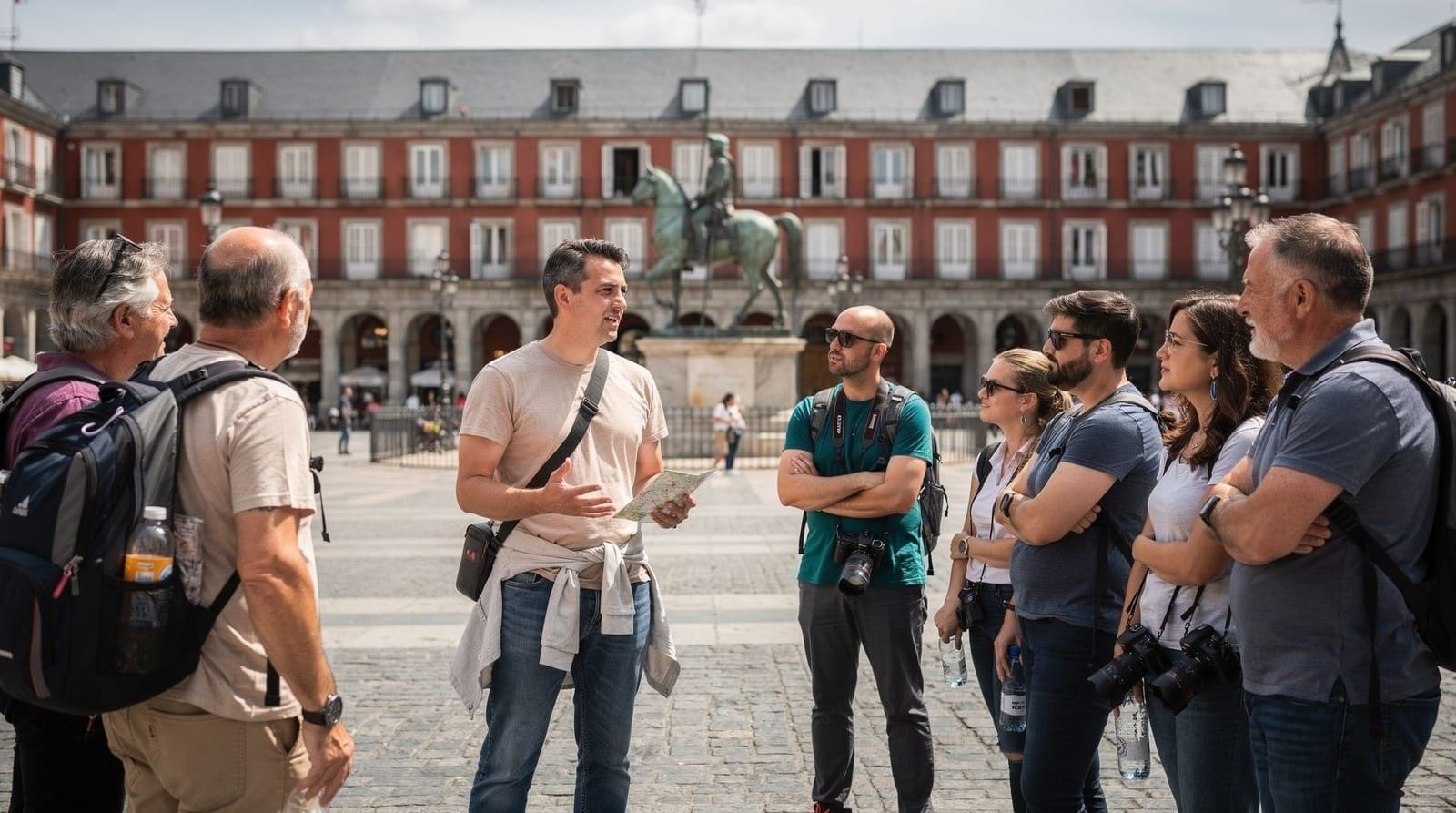
Madrid: Old Town Walking Tour
What are the best photography spots in Madrid?
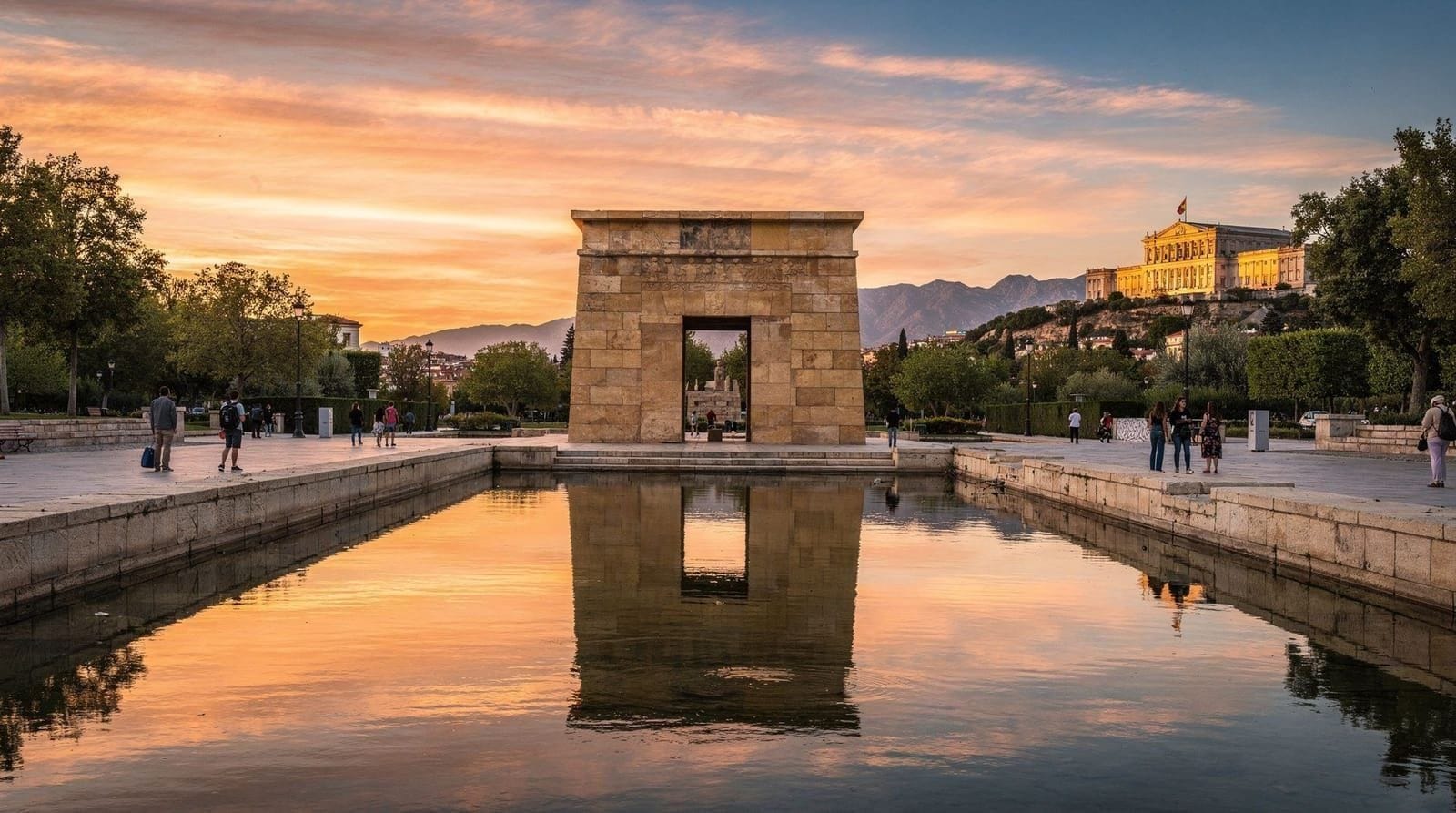
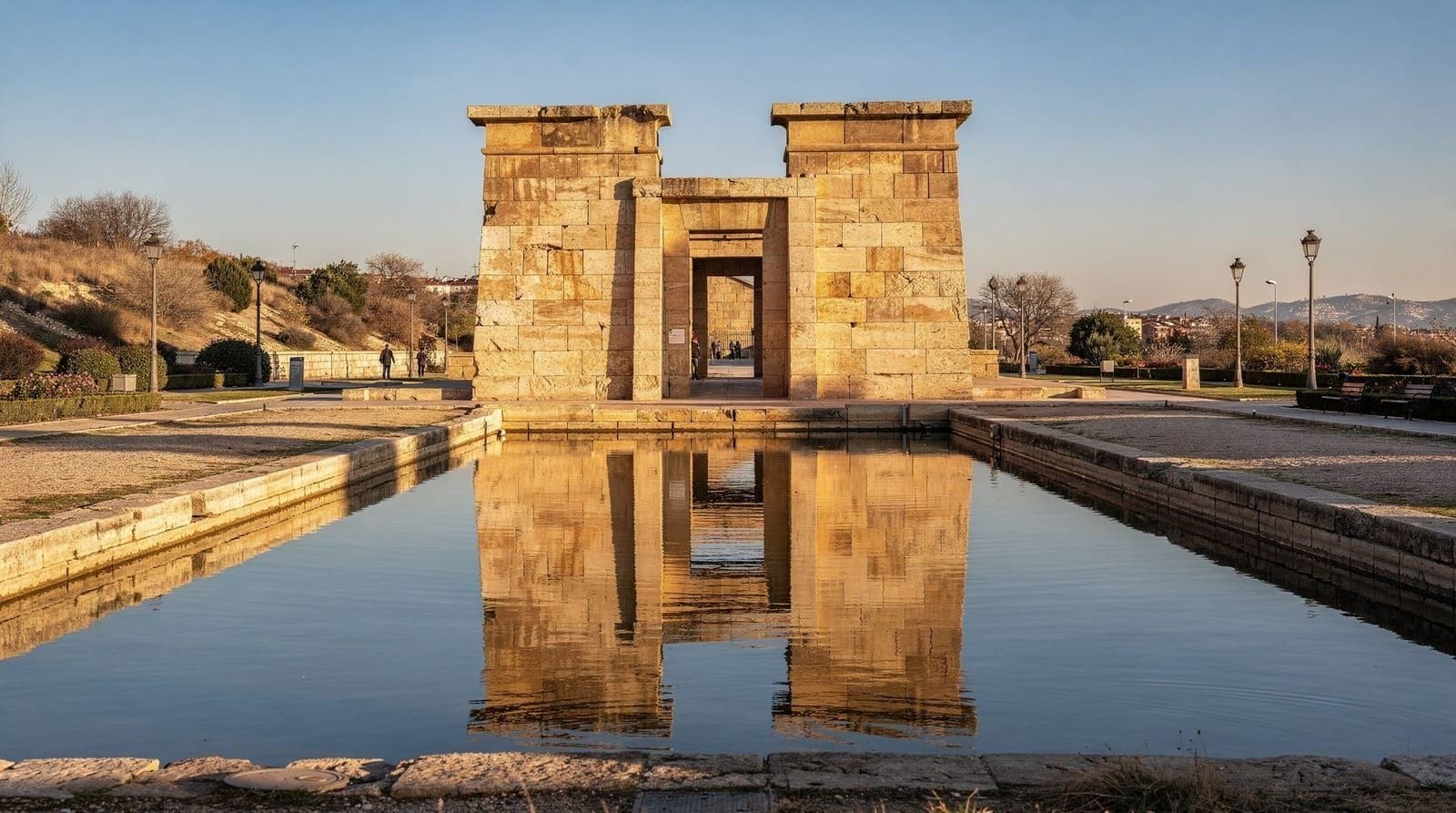
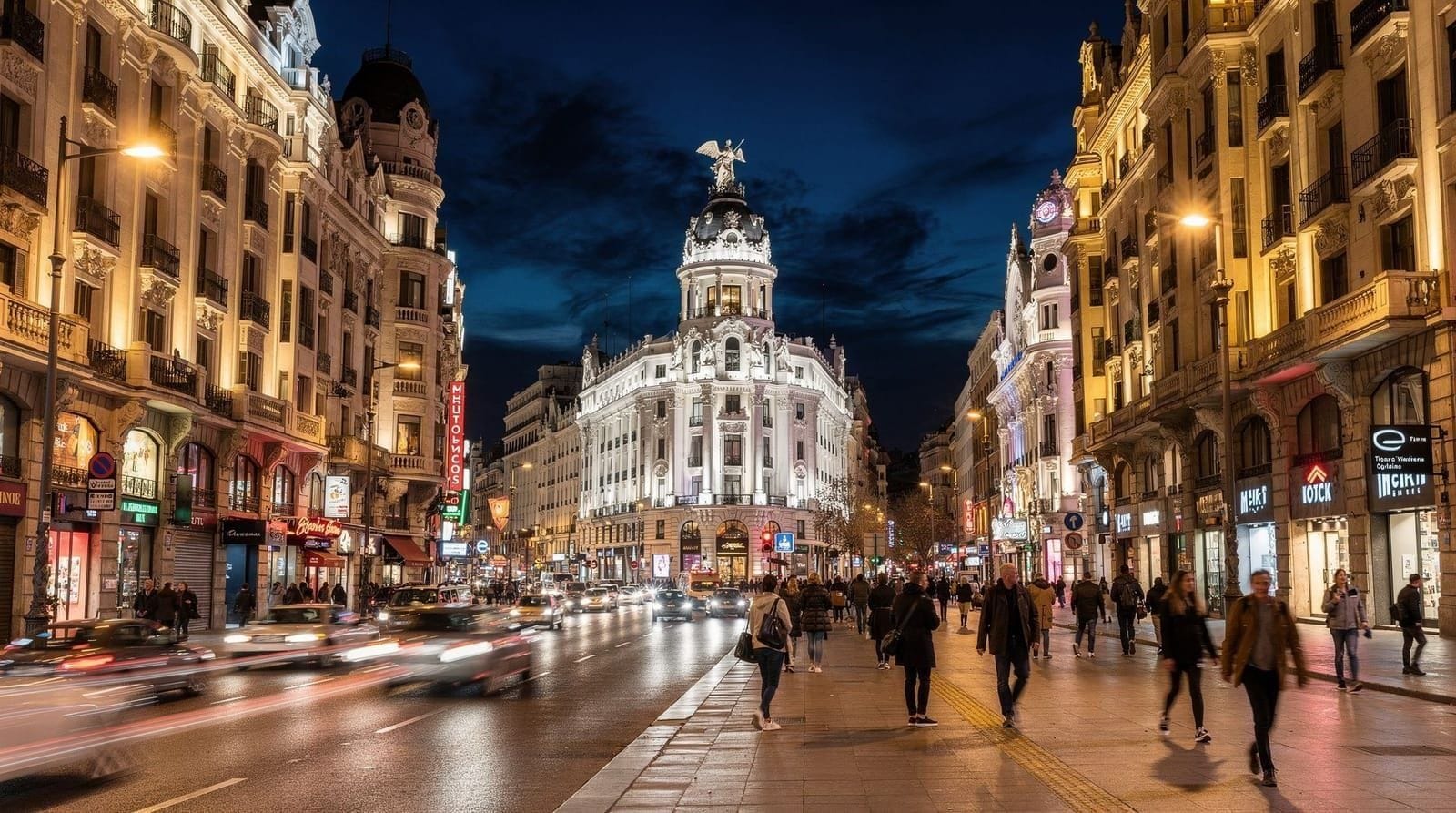
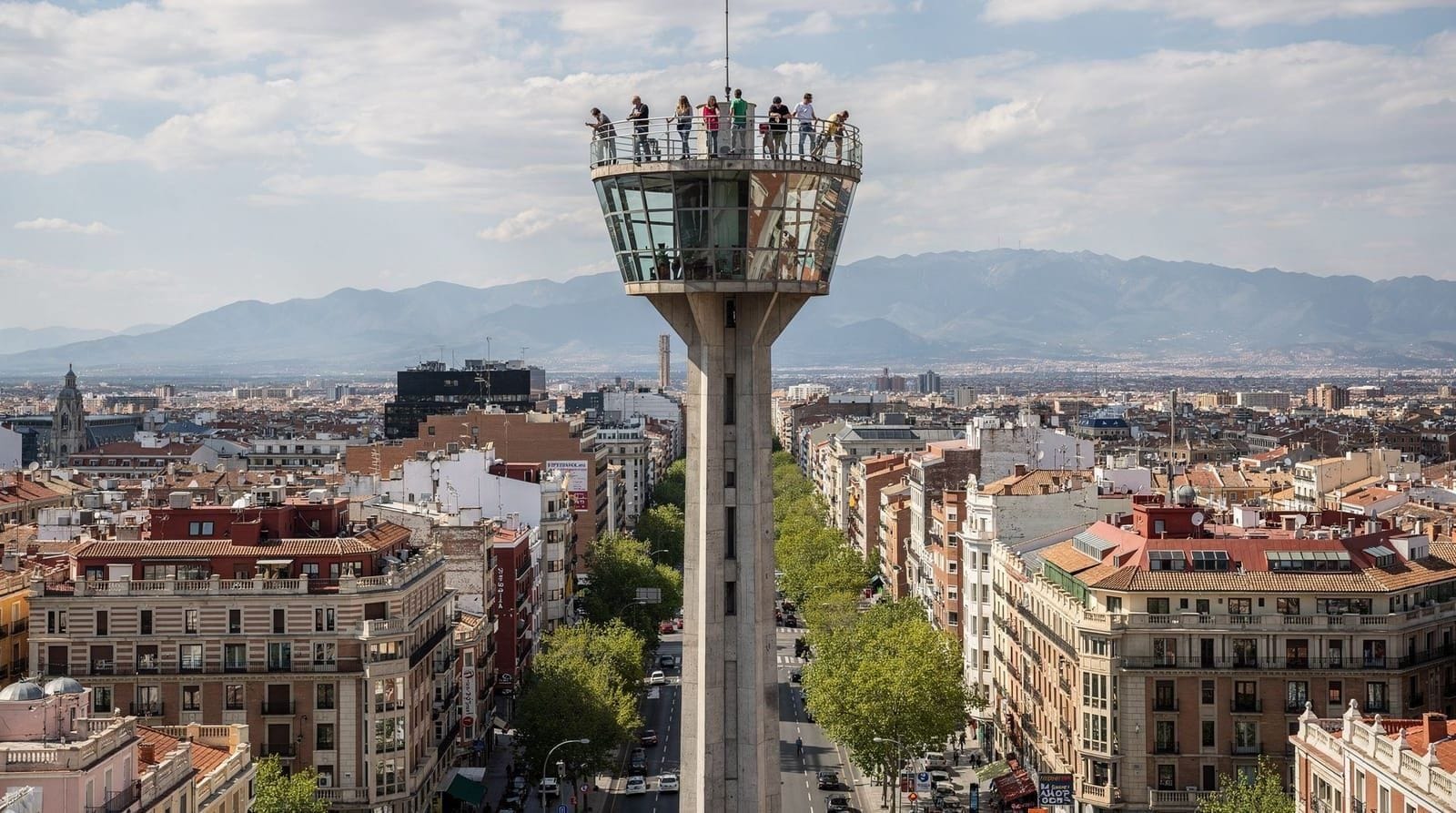
The Temple of Debod at sunset (free, with direct light on the structure and the western sky), Gran Vía from the Callao end toward Metropolis (morning light from the east), Retiro's Crystal Palace from any angle, Plaza Mayor's colonnades from inside, and the Vistillas viewpoint for the Royal Palace and Almudena Cathedral silhouette. The Faro de Moncloa gives the broadest city panorama. All are free and accessible on foot.
In brief: Madrid’s best photography does not require a guided tour — the city’s most photogenic locations are all publicly accessible and free. But a guided tour adds value if you do not know where to position yourself for the best light, or if you want someone to help with composition and local context.
| Where | Historic centre, Retiro, Gran Vía, and western viewpoints — all walkable |
| Cost | Free (all spots are public access); guided tours from around €20–40 |
| Time needed | 4 hours for the core circuit; a full day with the western viewpoints added |
| Getting there | On foot within the centre; metro to Faro de Moncloa and Cerro del Tío Pío |
| Best time | Golden hour (sunrise/sunset); spring or autumn for the clearest light |
Why Madrid is photogenic
Madrid sits at 650 metres altitude, which gives it unusual atmospheric clarity — the light is harder and crisper than coastal cities, and the shadows cut more decisively. The golden hours (1 hour after sunrise, 1 hour before sunset) are particularly intense in spring and autumn when the sun is at a useful angle.
The city is also architecturally diverse enough to support multiple photography styles: Habsburg stone and wrought iron, Belle Époque Gran Vía facades, modernist concrete of the 1970s financial district, and the green corridors of the Retiro and Madrid Río.
The 10 best photography spots in Madrid
1. Temple of Debod at sunset
The best single shot in Madrid. An authentic ancient Egyptian temple sitting on a hill above the Royal Palace, with the western sky behind it. In summer, sunset is around 21:30 — the light turns the sandstone golden and the sky goes from blue to orange to deep red. Arrive 40 minutes before sunset to claim your position (the western terrace fills up from 30 minutes before).
The reflection pools around the temple are often drained — check current status before planning your shot around reflections. When full, the reflection shot at golden hour is exceptional. See the Temple of Debod sunset guide for precise positioning.
Best light: 45 minutes before sunset. Camera: Any — this shot works on a phone.
2. Gran Vía looking toward the Metropolis building
Standing at the end of Gran Vía near Callao, looking back toward the Cibeles end, the Metropolis building (the domed insurance building at the corner of Alcalá) anchors the perspective in the middle distance. Early morning (08:00–09:30) gives you east-facing light on the facades and empty pavements. Evening light comes from behind you at this angle — better for the Callao cinema sign shots.
The Gran Vía guide covers the building history; for photography, the key is vertical framing that captures the canyon of Art Deco facades along the full length.
Best light: 08:00–10:00 (east-facing facades in morning). Tip: Monday morning has the least pedestrian traffic.
3. Retiro Park: Crystal Palace
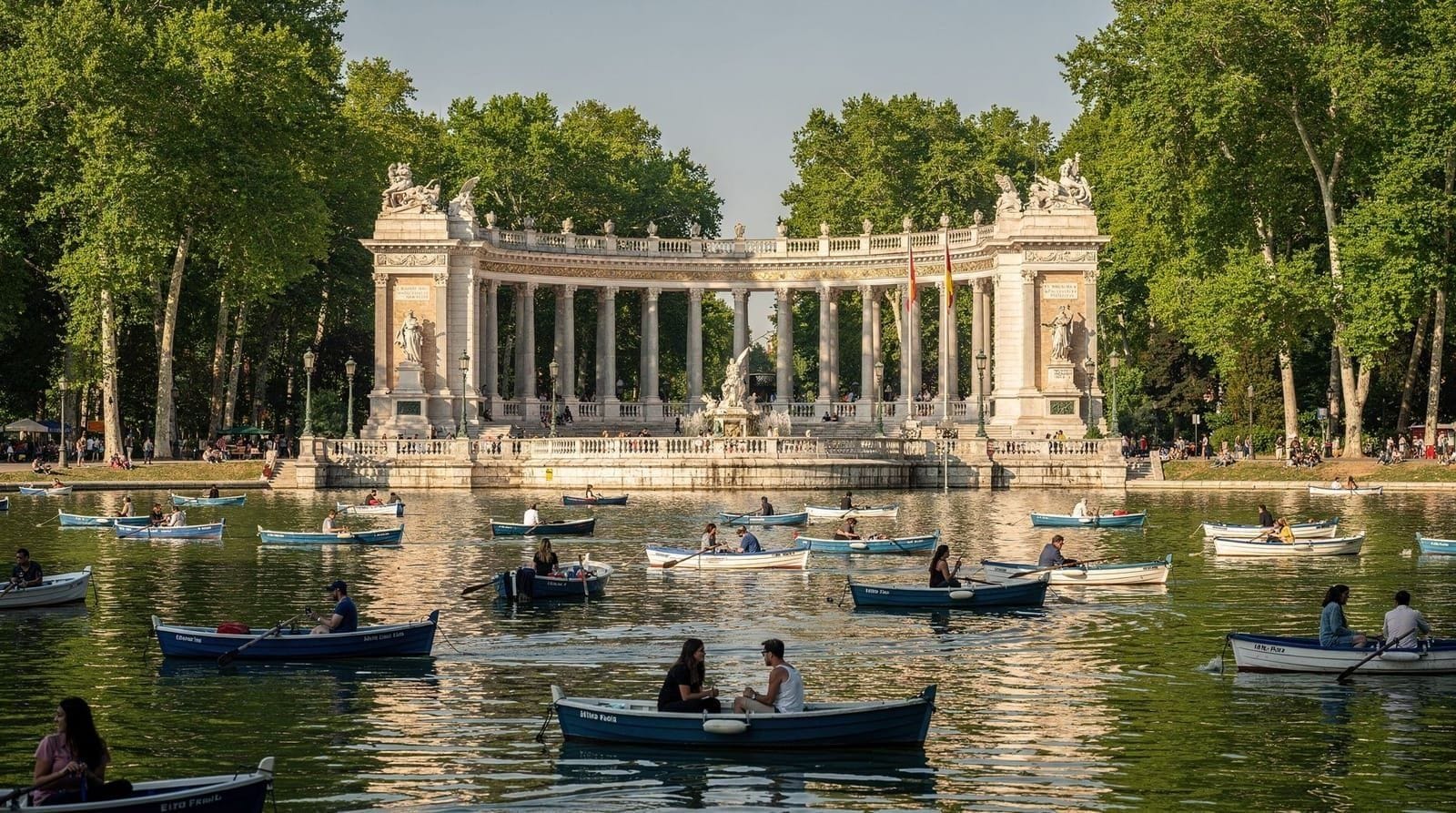
The Crystal Palace (Palacio de Cristal) is a 19th-century iron-and-glass exhibition hall inside Retiro, currently used for temporary contemporary art exhibitions. It is freely accessible — enter from the Jerónimos side of the park. The glass structure photographs best in overcast light (which diffuses evenly) or in the hour after sunrise when the interior catches direct light through the glass.
The lake in front of the Crystal Palace is a complementary element — late morning, the combination of trees, water, and glass structure works in any season. See the Retiro park guide.
Best light: Early morning or overcast days. Season: Spring (azaleas around the edges in April–May).
4. Plaza Mayor: colonnades and geometry
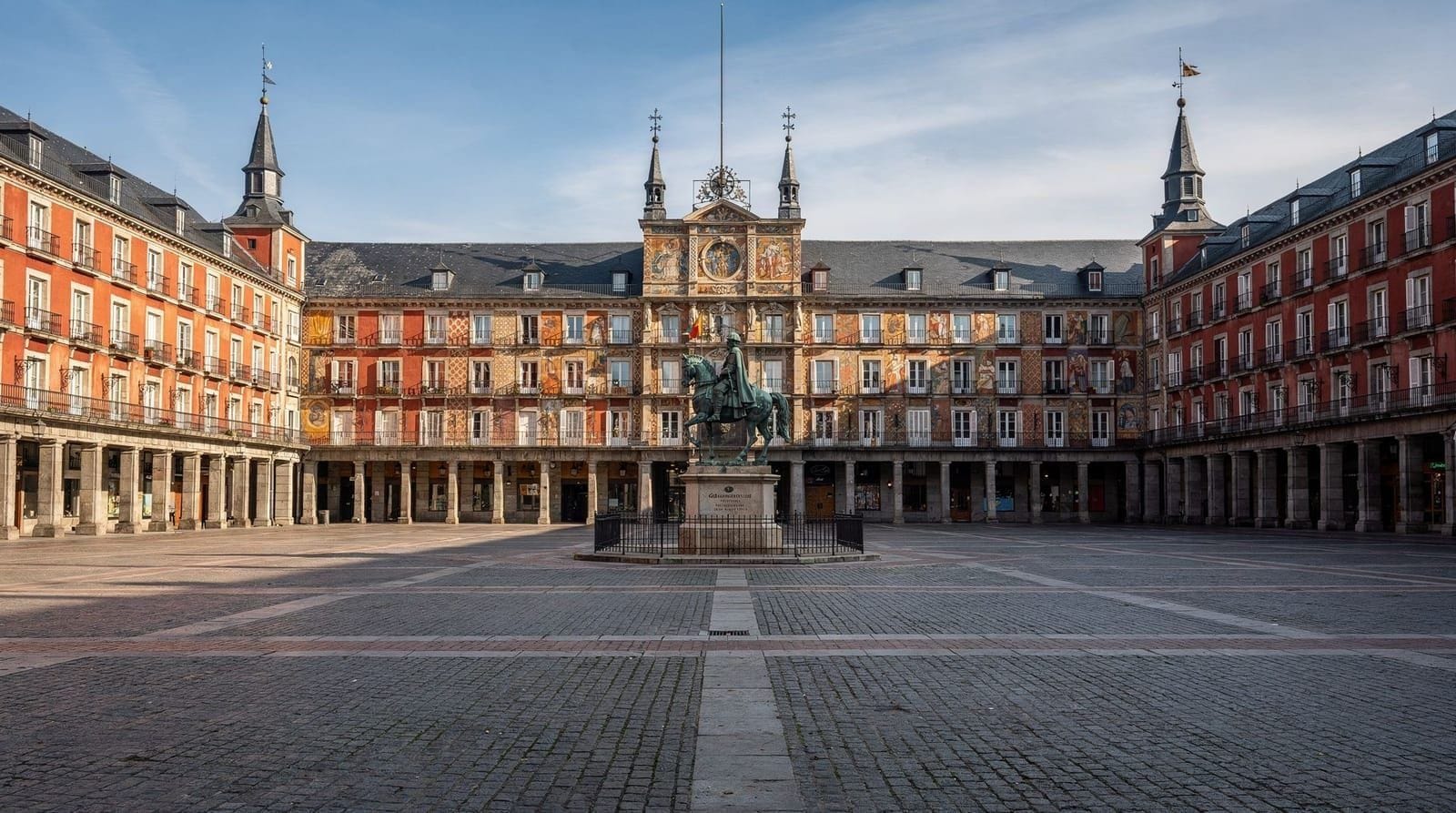
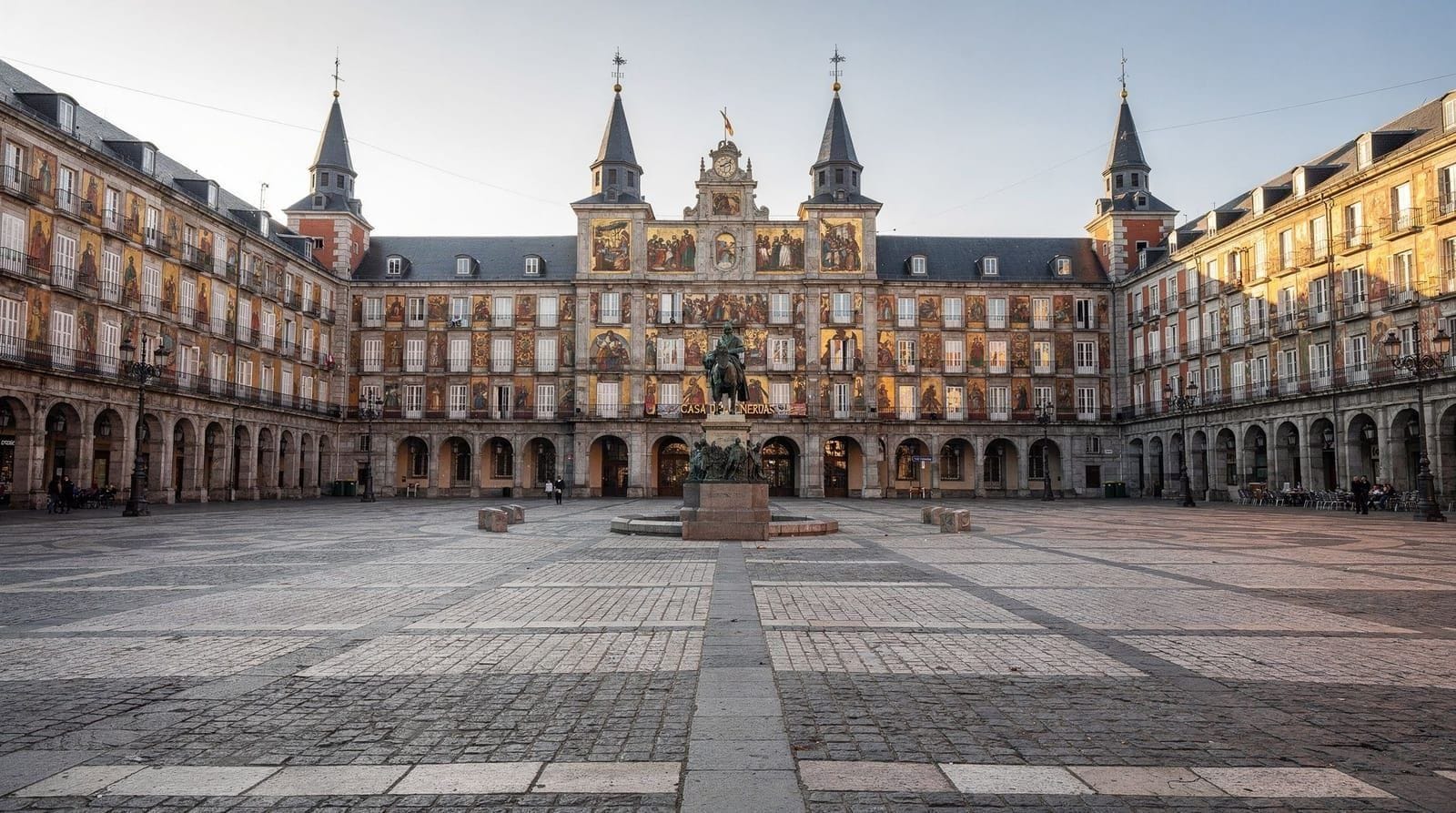
The enclosed square’s uniform architecture — 237 matching balconies in ochre — creates strong geometric patterns. The best photography is from inside the square looking up at the balconied corners, particularly the Casa de la Panadería (the painted facade on the north side). Early morning (08:00–09:00) before the terrace chairs are set out gives you the clean stone without restaurant furniture. See the Plaza Mayor guide.
Best light: Early morning. Tip: Come at 08:00, before the street vendors and tour groups arrive.
5. Vistillas viewpoint
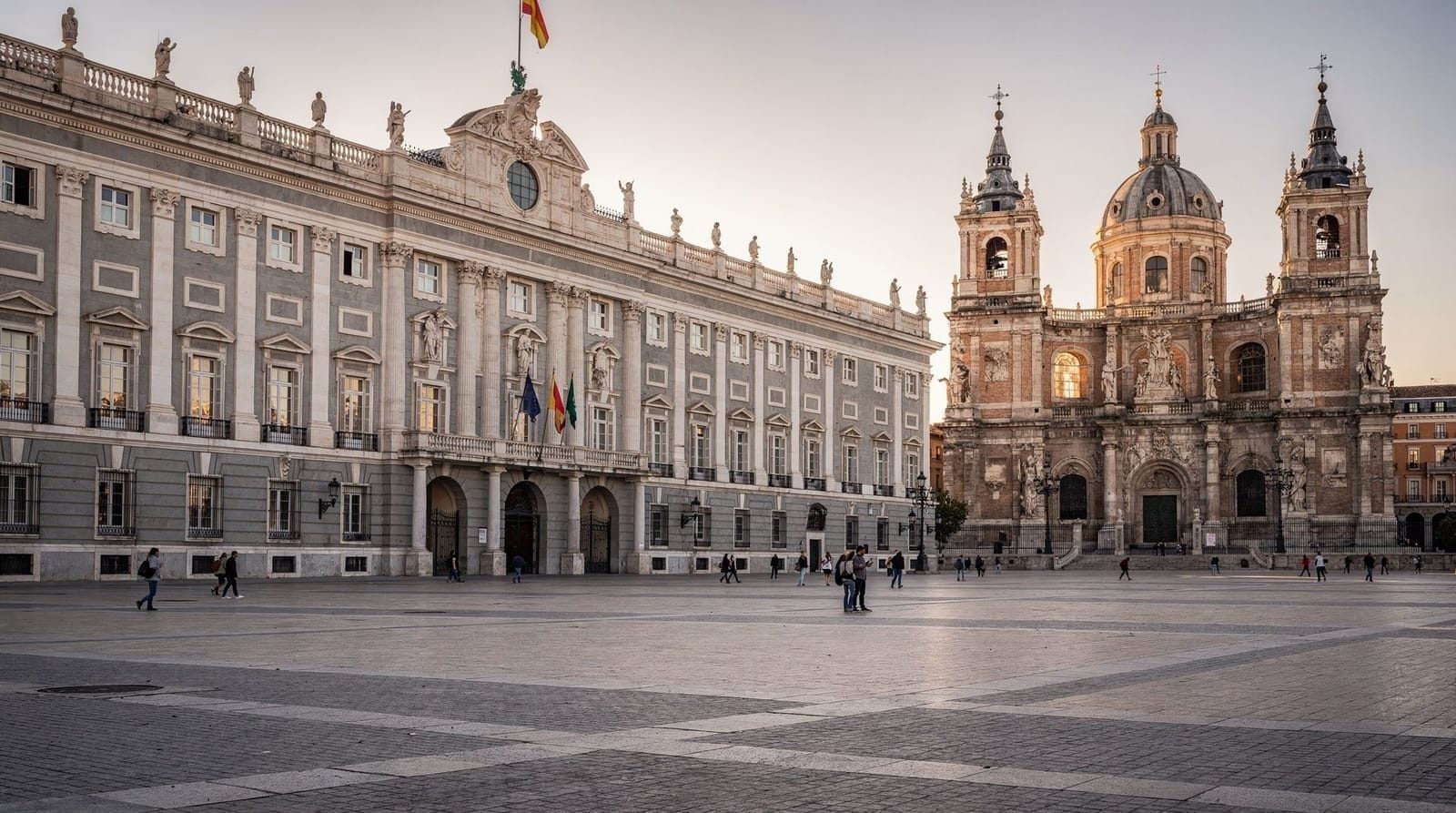
The Jardines de las Vistillas, a small park on a hill just south of the Royal Palace, offers a line-of-sight view of the Almudena Cathedral and the Palace silhouetted against the western sky. Sunset shot from here is underused compared to the Temple of Debod, and the perspective is different — lower, more intimate, with the cathedral dome prominent.
Best light: Sunset (western facing). How to get there: 10 minutes on foot from La Latina.
6. Faro de Moncloa
The 92-metre telecommunications tower in the Moncloa district has a glass observation deck giving 360-degree views of Madrid. The Sierra de Guadarrama mountains to the north, the Casa de Campo forests to the west, and the city centre skyline to the southeast. Best in winter when the mountains have snow. See the Faro de Moncloa guide.
Best light: Any. Season: Winter for mountain snow backdrop.
7. Royal Palace from Sabatini Gardens
The Sabatini Gardens (on the north side of the Palace, free entry) give you a direct north-facing shot of the palace facade with formal hedged gardens in the foreground. Morning light (east) is indirect here; late afternoon gives better sidelight on the limestone. An underused angle compared to the Plaza de Oriente approach.
Best light: Late afternoon. Access: Free, closes at dusk.
8. Mercado de San Miguel interior
The 1916 iron market at the edge of Plaza Mayor is open for photography — the combination of glass, iron structure, and coloured food stalls in warm interior light is good for food photography. Best early (09:00–10:00) before the crowds, or in the last 30 minutes before closing when the light drops and the artificial lighting takes over. See the Mercado de San Miguel guide.
Best light: Early morning or evening interior. Camera: Higher ISO for interior shots.
9. Lavapiés street art
The neighbourhood of Lavapiés has the most concentrated and high-quality street art in Madrid — multi-storey murals on building ends, detailed stencil work, and commissioned pieces from international artists. Calle del Doctor Fourquet, Calle de Argumosa, and the area around the Tabacalera cultural centre have the densest concentration. See the Lavapiés guide.
Best light: Diffuse (overcast), or any direction depending on the wall orientation.
10. Cerro del Tío Pío (the Churros Hill) at sunset
The seven peaks of this park in the Vallecas district are an authentic Madrid local experience — families, groups of friends, and vermouth sessions with views of the city skyline. The “Sackful of Hours” benches on the highest point give an elevated southwest view at sunset. Completely off the tourist circuit; almost no other foreigners. See the Cerro del Tío Pío guide.
Best light: Sunset, looking west-southwest.
Guided photo tours: the options
A guided photo tour makes sense if you want:
- Local knowledge of exactly where to stand for the best composition
- Advice on camera settings for the specific location
- A guide who can photograph you as well as teach you
The Old Town Walking Tour covers most of the photogenic historic centre and is the most practical way to reach all the spots with orientation context included.
A private walking tour can be briefed to focus on photography — ask specifically for this emphasis when booking, and the guide can adjust pacing for you to compose shots rather than moving continuously.
For the best old-town spots with local context and hidden perspectives:
The Old Town Secret Sites & Churros tour includes hidden angles on the historic centre that the standard circuit misses.
Best seasons for photography
Spring (April–May): The best overall season. Azaleas in Retiro, clear skies, 18–22°C, long golden hours. The light has warmth without the summer haze.
Autumn (September–October): Second best. Warm afternoon light, plane tree colour in the park, less dust haze than summer.
Winter (December–February): Low sun angle creates long shadows and dramatic sidelight all day. Snow on the Sierra is visible from Faro de Moncloa and north-facing viewpoints. The Christmas lights on Gran Vía are a specific subject (December).
Summer (July–August): Harsh midday light and heat haze. Good photos still possible early morning (07:00–09:00) and late evening (21:00–22:30), but the windows are shorter. The Temple of Debod at summer sunset remains excellent.
See the best time to visit Madrid guide for seasonal context beyond photography.
Practical tips
Tripods: Legal in public spaces, but security at the Prado, Reina Sofía, and Royal Palace does not allow them indoors. Crystal Palace is an exception.
Drone regulations: Drones require a Spanish AESA permit and are prohibited over central Madrid (urban area classification). Do not attempt drone flying in the city centre.
Crowds: Summer (July–August) and Christmas–New Year are the hardest times to shoot people-free architectural photography. Weekday mornings (07:00–09:00) are the best window year-round.
Phone vs camera: Madrid’s best locations are photographable with a modern smartphone. The Temple of Debod, Gran Vía, and Plaza Mayor are well-exposed subjects that do not require specialised equipment.
Five underrated photo spots that are not on the standard lists
Beyond the established locations, several spots in Madrid are consistently overlooked by photography guides:
1. The Plaza de Oriente at dawn
The large formal square between the Royal Palace and the Teatro Real is photographed constantly during the day — usually from behind the ornamental hedges looking toward the palace. At dawn (06:30–07:30), before any other visitors, the square is empty, the hedges cast long shadows in the early light, and the palace facade takes on a warm gold colour. The equestrian statue of Philip IV (cast using a design supervised by Velázquez) photographs well with the palace behind it in this light.
2. Calle del Arenal from the Gran Vía end, early morning
This street connects the Gran Vía with Sol. It is usually crowded. At 07:00 on a weekday morning it is empty — the perspective shows the Teatro Real at the end, with the street’s historic buildings creating a classic Madrid corridor shot that is almost impossible to achieve in normal hours.
3. Barrio de las Letras inscription pavement
The paving stones of Calle de las Huertas have verses from Spanish Golden Age writers (Quevedo, Lope de Vega, Cervantes) carved into them and inlaid with bronze. At dusk or dawn, when the low-angle light catches the raised lettering, it creates a visually interesting ground-level shot that most photographers walk past without noticing. See the Barrio de las Letras guide.
4. The Botanical Garden in spring (Real Jardín Botánico)
Adjacent to the Prado Museum, this 18th-century garden has glass hothouses and formal terraces that are less visited than Retiro. In April–May, the rose terraces and the blossom trees create colour gradients that photograph well. Entry €4. See the Real Jardín Botánico guide.
5. The covered market of San Antón (Chueca)
The San Antón market in Chueca (different from San Miguel) is a multi-level covered market with a rooftop terrace bar. The interior — iron structure, food stalls, natural light from the glass ceiling — photographs similarly to San Miguel but is significantly less crowded. Good for food photography and architectural interior shots.
The light calendar: month by month
January–February: Lowest sun angle of the year. Long blue shadows from mid-morning. The Royal Palace facade in afternoon sidelight is exceptional. Sunrise at 08:30–08:45 — possible to be at the Temple of Debod at first light before the city wakes.
March–April: The best all-round photography month. Blossom in Retiro and the Botanical Garden. Clear skies without summer haze. Golden hour at 20:30–21:00 in April.
May: Excellent. The light is warm and long (golden hour at 21:00–21:30). The Rose Garden in Retiro peaks in mid-May. Not yet crowded with summer tourists.
June–July: Summer haze affects distance shots significantly. The Gran Vía corridor and close-up architectural shots are unaffected. Best shooting windows: 07:00–09:00 and 21:30–22:30. Temple of Debod at summer sunset (22:00) is the best single summer shot.
August: Similar to July. Many local Madrileños are on holiday, which reduces pedestrian density in some residential areas. The historic centre remains crowded with tourists.
September–October: Second peak after spring. The plane trees in Retiro and along the Paseo del Prado begin to turn in late October. Warm afternoon light. Golden hour at 20:00 in September, 19:00 in October.
November: Autumn colour in Retiro peaks early-to-mid November. Often overcast — good for diffuse light photography without harsh shadows. The Crystal Palace in the park photographs well in soft winter light.
December: Christmas illuminations on the Gran Vía from late November. The illuminated street at 18:00–20:00 (when natural and artificial light balance) is one of the year’s best photography opportunities. Low sun angle also creates interesting architectural shadows throughout the month.
Building a photo walk: the 4-hour circuit
Start: 07:00, Calle del Arenal / Plaza de Oriente Empty streets, good light on the Royal Palace western facade, the formal square before tourists arrive.
08:00: Plaza Mayor The colonnades in early morning light, before terrace furniture is set out. The painted fresco of the north facade (Casa de la Panadería) in direct morning light.
09:00: Mercado de San Miguel exterior The 1916 iron structure catches early light before crowds. Interior is also worth photographing at this hour.
09:30: La Latina walk The narrow medieval streets between Plaza de la Paja and Cava Baja. The Iglesia de San Andrés and the Plaza del Humilladero have good architectural variety.
10:00: Madrid Río / Vistillas viewpoint From the hill above the river, looking across to the Royal Palace and Almudena Cathedral — the most photographed skyline view in Madrid, best in morning light.
11:00: Lavapiés murals Walk from La Latina south toward Lavapiés. Calle del Doctor Fourquet and the surrounding streets for street art in direct morning light.
Evening (19:30–22:00 in spring, 21:00–22:30 in summer): Temple of Debod Reserve your position 40 minutes before sunset. Stay for the full golden hour. This is the definitive Madrid photography location.
For the logistics of each location, see the individual guides linked throughout this page. For photographing Madrid as part of a broader sightseeing trip, see how many days in Madrid for how to sequence your priorities.
Best season by subject, at a glance
| Subject | Best season | Why |
|---|---|---|
| Temple of Debod sunset | Any (summer sunsets are later, ~21:30) | Consistent quality year-round |
| Rose garden / Retiro blossom | Mid-May | Peak bloom, warm light |
| Mountain backdrop (Faro de Moncloa, Vistillas) | Winter | Snow on the Sierra de Guadarrama |
| Street art (Lavapiés) | Overcast days, any season | Diffuse light suits flat murals |
| Christmas lights (Gran Vía) | Late Nov–early Jan | Illuminated facades in blue hour |
Camera gear notes for a Madrid photo walk
Most of the spots on this list favour a light kit over heavy equipment — the appeal of Madrid’s best photography is precisely that it does not require waiting for exclusive access or hauling a tripod through crowds. A standard zoom (24–70mm equivalent) covers the majority of these locations; a wider lens helps at Plaza Mayor’s enclosed geometry and the Faro de Moncloa’s panorama, while a short telephoto is useful for isolating architectural detail on Gran Vía’s upper facades.
Tripods are legal outdoors but restricted indoors at the Prado, Reina Sofía, and Royal Palace — plan interior shots (Mercado de San Miguel, San Antón market) around handheld work at a higher ISO instead. For the guided-tour spots, ask in advance whether the pace allows time to set up a shot rather than simply keeping up with the group; the private walking tour is the most flexible option if photography is your priority rather than a secondary interest.
Frequently asked questions about Photo tours in Madrid
Do I need a professional camera for Madrid's best photo spots?
No. The Temple of Debod, Gran Vía, and Plaza Mayor are well-exposed subjects that photograph well on a modern smartphone, especially in good light. A dedicated camera helps most with low-light interior shots (Mercado de San Miguel, the Botanical Garden hothouses) and with longer lenses for architectural detail, but it is not a requirement for the majority of the spots on this list.What is the single best time of year for photography in Madrid?
Spring, specifically April–May: clear skies without summer haze, long golden hours, azaleas in Retiro, and the rose garden peaking in mid-May. Autumn (September–October) is a close second, with warm afternoon light and plane tree colour without spring's crowds. Winter offers the most dramatic sidelight from the low sun angle, useful for architectural shots even though the days are shorter.
Top experiences
Bookable activities with verified prices and instant confirmation on GetYourGuide.