Madrid at Christmas: what's real, what's touristy, and what's worth it
Madrid: Guided Walking Tour with Churros and Hot Chocolate
Is Madrid good at Christmas and when is the best time to visit?
Madrid is genuinely festive from late November through 6 January (Three Kings Day), with the Plaza Mayor Christmas market, elaborate Gran Vía light displays, and the famous New Year's Eve grape countdown at Puerta del Sol. The city is at its most authentically Spanish during this period — Christmas is taken seriously as a cultural and family occasion, not primarily as a tourist event. Best timing: mid-December for the decorations and market without the New Year peak prices, or 4–6 January for the Three Kings Parade.
The Madrid Christmas experience: what you need to know first
Madrid takes Christmas seriously. This is a Catholic country where the period from 8 December (Immaculate Conception) to 6 January (Epiphany/Three Kings) is a genuine cultural season — religious, familial, and social simultaneously. The experience for a visitor is different from Northern European Christmas markets, which tend to be primarily commercial events.
| When | Late November – 6 January |
| Highlight dates | Plaza Mayor market opens ~25 Nov, grape countdown 31 Dec, Three Kings Parade 5 Jan |
| Cost | Moderate mid-Dec, peak 24 Dec–2 Jan |
| Best value window | 10–22 December, or 3–5 January |
| Getting around | Metro Sol/Gran Vía; some closures around 31 Dec |
Several things distinguish Madrid at Christmas:
- The Three Kings tradition (5 January parade) is as important as Christmas Day for Spanish families — children receive gifts on the night of 5 January, not 24 December
- The New Year’s Eve grape countdown at Puerta del Sol is a native tradition, not a tourist-designed event
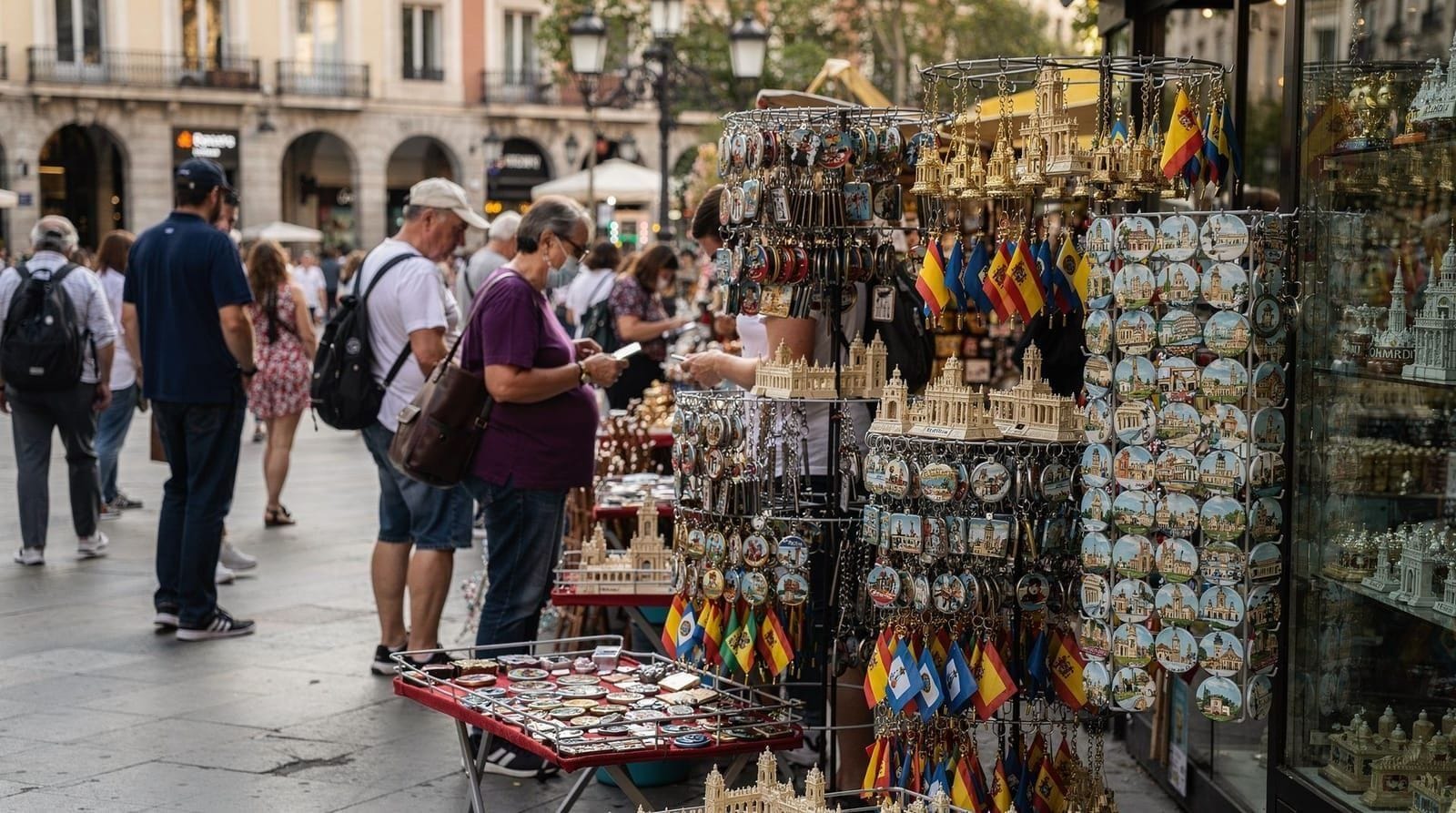
- Belén (nativity scene) culture is elaborate — entire shops sell miniature nativity figures; the Plaza Mayor market specialises in them
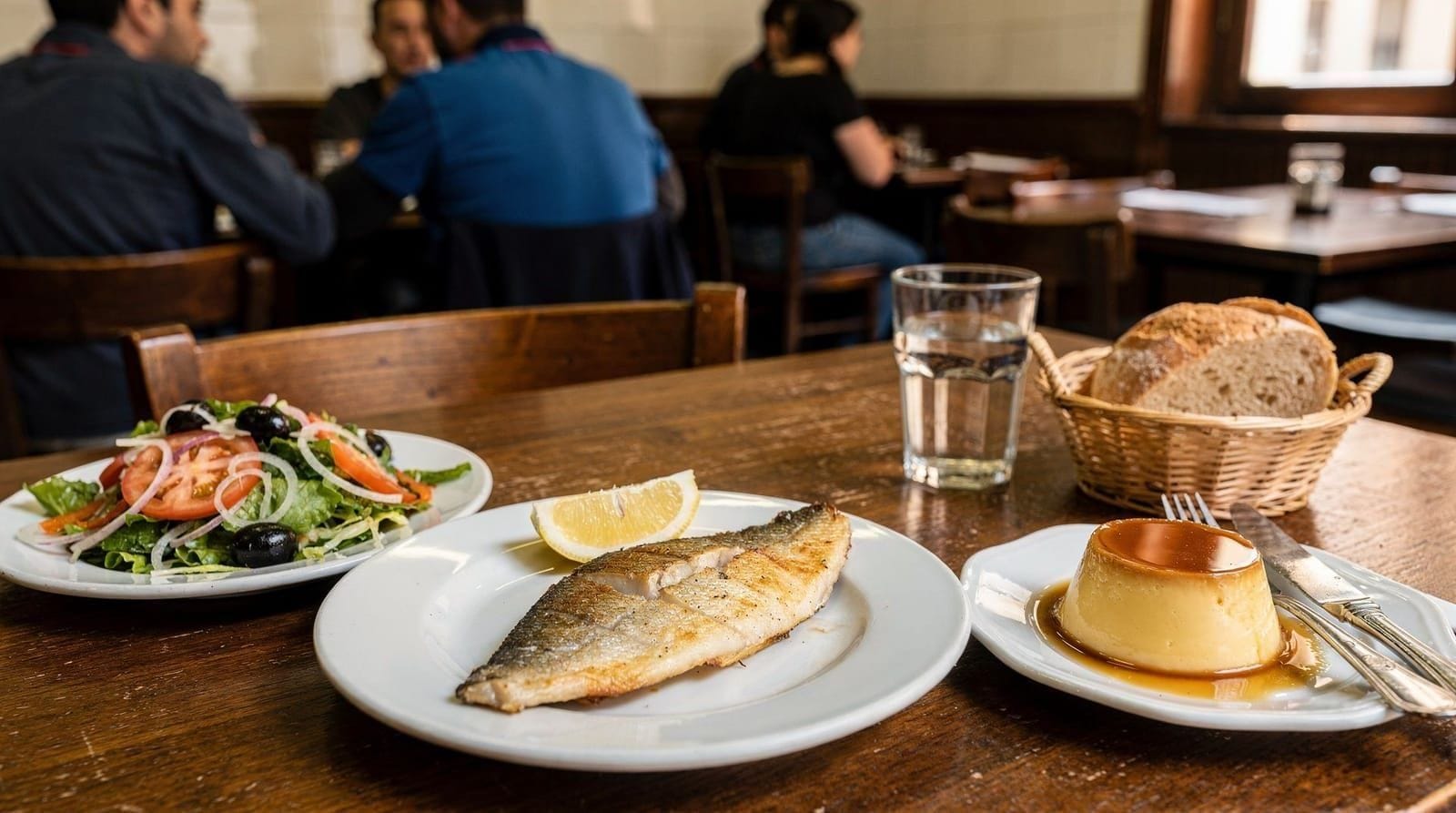
- The food traditions — turrón, polvorones, cocido on Christmas Eve — are genuinely distinct from the rest of the year
This guide cuts through what deserves your time and what is overpriced tourist noise.
The Christmas decorations: the honest assessment
Madrid invests seriously in Christmas lighting. The Gran Vía illumination is spectacular — the wide boulevard’s trees and facades strung with millions of LED lights create a genuinely impressive tunnel of light from Plaza de España to Red de San Luis. The best time to see it: just after dusk (17:30–18:30 in December), when the night sky is still dark blue and the lights at their most vivid.
The Calle Serrano (Salamanca district, Madrid’s luxury shopping street) typically has elaborate individual shop window displays and competing illumination — worth walking even if you’re not shopping.
The honest caveat: The lights are undeniably beautiful but heavily photographed. On December weekends, Gran Vía is genuinely crowded from 17:00 to 22:00. Visit on a weekday evening if possible.
Overrated: The lighting at Plaza Mayor itself (compared to the surrounding streets). The plaza’s Christmas illumination is less impressive than the street displays because the enclosed space doesn’t carry the scale well. The market in the plaza is more interesting than the lights.
If seeing the lights and market with some context matters more to you than doing it solo, a short evening walking tour covers the old town’s illuminated streets efficiently: Madrid old town evening walking tour with churros stop
When to go: a week-by-week breakdown
| Window | Crowds | Prices | What’s on |
|---|---|---|---|
| 25 Nov – 9 Dec | Low–moderate | Normal to slightly above | Market opens, lights switched on |
| 10–22 Dec | Moderate | Moderate (shoulder) | Full decorations, market, mild weather crowds |
| 23–30 Dec | High | Peak | School holidays, Christmas Eve/Day family events |
| 31 Dec | Extreme (Sol) | Peak | Grape countdown at Puerta del Sol |
| 1–4 Jan | Low–moderate | Snapping back to normal | Quiet museums, market closed |
| 5–6 Jan | High (parade route) | Moderate | Three Kings Parade, Epiphany |
The Plaza Mayor Christmas market: real talk
The market is worth attending. But manage expectations:
What works: The nativity figure (belén) stalls are genuine and well-priced — if you want quality nativity accessories, this is exactly the right place, with specialists who know their product. The atmosphere of the enclosed plaza, the smell of roasting chestnuts, and the sound of Christmas music in a genuinely beautiful historic setting are real.
What to avoid:
- Food at the market stalls — churros, chocolate caliente, and wine are 2–3x the price you’d pay at a café one street away. Walk to Calle Cuchilleros (the street running under the southwestern arches) or any café in La Latina for the same things at normal prices.
- Generic ornaments and mass-produced goods — the same items are available in any Christmas shop in Europe. The nativity figures and traditional sweets are the genuine buys.
Best time to visit the market: Tuesday or Wednesday afternoon, 14:00–17:00. Weekends from 17:00 are very crowded — the plaza fills to uncomfortable capacity on peak December Saturdays. See the Plaza Mayor guide for the square’s history and year-round context, and the tourist traps guide for which stalls to skip regardless of season.
Puerta del Sol: New Year’s Eve
The grape countdown is the most photographed moment in Madrid’s calendar. Every year, hundreds of thousands of people gather in and around Sol to eat twelve grapes as the clock tower’s bell tolls midnight.
The practical reality:
- The area around Sol is blocked off to traffic from approximately 18:00
- The closest metro stations (Sol, Gran Vía, Callao) stop normal service during peak crowd periods — check the metro website for the specific schedule
- The crowd density inside the plaza makes movement impossible from 22:00 to 02:00
- Security is heavy; expect bag checks at the perimeter
Strategy for the genuine experience: Arrive at Sol by 20:00. Buy a bunch of twelve grapes (or a pre-packaged “uvas de Nochevieja” tin, sold everywhere) before arriving. Position yourself anywhere with sight of the clock. The atmosphere builds steadily from 23:00 — singing, champagne, fireworks on the surrounding streets — to the midnight explosion. After midnight, the crowd disperses north along Gran Vía, east toward Huertas, and south toward La Latina for late-night bars and dancing.
Alternative: If the Sol crowd is too intense, follow the same tradition from a terrace bar in Malasaña, Chueca, or Barrio de las Letras. Many bars set up their own countdown events with twelve grapes included. See the Puerta del Sol guide for the square’s layout and how to navigate it outside the New Year’s Eve crush.
The Three Kings Parade (5 January)
The Cabalgata de Reyes is not on most international visitors’ radar, but it should be. This is the main gift-giving night of the Spanish Christmas season, and the parade is a genuinely impressive civic event:
- Three elaborately decorated floats carrying the Kings
- Hundreds of accompanying characters in costume
- Sweets (caramelos) thrown generously into the crowd from the floats — children line the route with bags
- Musical groups, acrobats, and local school bands
- Duration: approximately 2–3 hours from start to finish
The route (verify annually on esmadrid.com): In the 2026 edition, from Nuevos Ministerios along Paseo de la Castellana, Plaza de Colón and Paseo de Recoletos, ending at Plaza de Cibeles. The crowd density varies along the route — the sections near Colón and Cibeles are most packed; the northern section near Nuevos Ministerios is more spacious.
For families with children: This is the event. Spanish children are extraordinarily excited by the Three Kings in a way that equals or exceeds Christmas morning in other cultures. The candy-throwing alone is a carnival experience worth attending.
Christmas and museum access
Some of the best museum access of the year falls in the Christmas period:
- Reina Sofía is closed on 25 December, 1 January and 6 January, with early closing on 24 and 31 December (verify on museoreinasofia.es)
- Reina Sofía free on 12 October (national day) — this applies in the pre-Christmas period
- The Thyssen, Prado, and most national museums close on 25 December and 1 January — plan around this
- Museum crowds are low in the 26 December to 4 January period (between Christmas Day and Three Kings), making it an excellent window for unhurried museum visits
See the museum free hours honest guide for exact opening hours over Christmas and New Year.
Making the most of a quiet museum week
The days between Christmas and Three Kings suit visitors who want to see the big collections without the shoulder-to-shoulder feeling of high season. The Prado museum guide, the Reina Sofía guide and the Thyssen guide each help you decide what to prioritise, and the Golden Triangle art walk strings the three together in a sensible order. If you would rather have the Prado explained than wander it alone, a guided Prado visit with skip-the-line entry is a comfortable way to spend a cold afternoon. Pair a morning indoors with an evening outdoors: museums while the daylight is short and unremarkable, then the lights once it gets dark. For a gentler pace, the Madrid for art lovers itinerary shows how to space visits so you are not rushing from gallery to gallery.
If it rains, the rainy day guide for families and the winter guide list indoor fallbacks that work just as well for adults.
Christmas food and drink: what to buy and where
Turrón and Christmas sweets
The definitive Madrid turrón shop is Casa Mira (Carrera de San Jerónimo 30, near the Thyssen) — operating since 1855, selling only its own production of nougat. The turrón de Jijona (soft, almond paste) and turrón de Alicante (hard, with whole almonds) are the canonical varieties. Prices €8–18 for a standard tablet. Worth the detour.
The El Corte Inglés food halls (Callao location is the most accessible) have comprehensive selections of every Christmas sweet at lower prices if you want variety without the premium.
Christmas restaurant traditions
Cocido madrileño on Christmas Eve: The chickpea stew is the traditional Nochebuena (24 December) dish in Madrid families. Restaurants that serve it year-round serve it with extra ceremony in December. La Bola Taberna (Calle de la Bola 5, near the Royal Palace) is the most historic version.
New Year’s Eve set menus: Most mid-range and upmarket restaurants offer a special Nochevieja menu on 31 December. Budget €60–100 per person at mid-range spots, €120–200 at upmarket venues. Quality varies significantly; book a venue you know or research specifically rather than accepting the first tourist-area offer. For everyday eating outside the festive set menus, the eat like a local guide still applies throughout December.
Eating well without the festive markup
December is a good month for the slower, heartier side of Madrid cooking. The cocido guide and the Sunday cocido guide explain how the stew is served and when, while the tapas guide and the best tapas bars list cover the quick, cheap option for the evenings when you are out walking the lights. If you would like a local to steer you through the bars rather than choosing alone, a guided evening of tapas in non-touristy bars keeps you away from the places that put their prices up for the season. The churros con chocolate guide and the vermut guide are good for the afternoon stop, and the food mistakes blog post lists the habits that cost visitors the most. For markets with a festive feel, the Mercado de San Miguel guide and the markets guide are useful, though the same caution about tourist-area prices applies.
Planning your days: how to fit it together
A Christmas trip works best when you pair the evenings, which belong to the lights, with daytime plans that do not depend on good weather. Spend an evening on Gran Vía, another around Plaza Mayor and Sol, and keep one for a calm dinner in a neighbourhood like La Latina or Chueca. The Gran Vía guide and the Sol and centre guide help you plan the walking route, and the Madrid at night guide covers what is open after dark.
Visitors with a few days to spare can combine the festive city with a train trip, since Toledo and Segovia both look good in winter light; the Madrid and Toledo itinerary and the how many days guide help you decide how to split your time. Families will find the Madrid with kids guide useful, and the Madrid in 3 days itinerary is a sound base to adapt around the Christmas events. For a read on the season from another angle, the Madrid at Christmas blog post is a good companion.
Packing and weather for a Madrid Christmas
December and early January in Madrid run cold by day (typically 5–12°C) and cold at night (often near or below freezing), with occasional light rain but rarely snow in the city centre itself. Layer up: a proper coat, scarf and gloves matter more than in most people’s mental image of Spain. The good news is that Madrid’s Christmas weather is usually dry and often sunny at midday, which makes walking the Gran Vía lights or queuing for the Three Kings Parade more comfortable than a damp Northern European December. The Madrid in winter guide covers the broader season’s weather and what to pack in more detail, and the Madrid on a budget guide has strategies for keeping costs down during the expensive peak week.
Frequently asked questions about Madrid at Christmas
When does the Madrid Christmas market open and close?
The Plaza Mayor Christmas market (Mercado de Navidad) typically opens in late November (around 25 November) and runs until 31 December. Hours are 10:00–21:00 Sunday to Thursday and 10:00–22:00 on Fridays, Saturdays and the eve of public holidays. The market fills the plaza with wooden stalls selling: nativity figures (belenes), Christmas tree ornaments, traditional sweets (turrón, polvorones, mazapán), and toys. Free to enter and browse.Is the Plaza Mayor Christmas market worth it?
It depends on what you expect. The market is atmospheric and the setting — the enclosed plaza with its Baroque façades strung with lights — is genuinely impressive. The goods are a mix: nativity figures and belén accessories are authentic and reasonably priced (€5–50 for a good figure); ornaments vary in quality; the food stalls are overpriced (churros at €5–6, hot wine at €4–5 when you could pay €2–3 around the corner). Worth visiting to see and photograph; not worth spending significantly on food or generic trinkets.What is the New Year's Eve grape countdown?
The Nochevieja (New Year's Eve) tradition at Puerta del Sol: at midnight, the crowd eats twelve grapes — one per chime of the clock on the Real Casa de Correos. This is a genuine Spanish tradition dating to 1909, not a tourist recreation. The crowd at Sol on 31 December numbers in the hundreds of thousands. It is free, it is culturally authentic, and it is intensely crowded. Arrive by 20:00 to secure a position near the clock. The area is closed to traffic from 18:00. Bring your own grapes or buy a pre-packaged bunch (sold everywhere from early December).What is the Three Kings Parade and when does it happen?
The Cabalgata de Reyes Magos on 5 January is the biggest parade in Madrid's calendar — larger than any Christmas event. The three Kings (Balthazar, Melchior, Caspar) arrive on elaborate floats with hundreds of accompanying characters, and sweets (caramelos) are thrown generously into the crowd. The route runs from Nuevos Ministerios along Paseo de la Castellana, Plaza de Colón and Paseo de Recoletos to Plaza de Cibeles. Start time around 18:00 (check the city programme each year). Arrive 1–2 hours early to secure a spot. For Spanish families, this is the night children receive their main gifts.What Christmas concerts and events are there in Madrid?
Key events: Christmas concerts at the Teatro Real (Handel's Messiah, carol concerts, varying programmes each year); Belén Viviente (Living Nativity) performances at various churches and historic sites; Zarzuela (Spanish comic opera) Christmas season at the Teatro de la Zarzuela; free concerts at the Círculo de Bellas Artes and other public venues. The full programme is published by the Madrid city tourism office (esmadrid.com) in late October.What traditional Christmas foods should I try in Madrid?
Turrón (nougat, in soft or hard forms, from Jijona or Alicante) is the defining Christmas sweet — sold at every confectionery and supermarket. Polvorones and mantecados (crumbly lard-based shortbread), mazapán (marzipan figures, imported from Toledo), and roscos de vino (wine-soaked doughnut-rings). For Christmas dinner, Madrileños traditionally eat: cocido madrileño on 24 December (the family meal), and lamb or suckling pig (lechazo, cochinillo) on Christmas Day and New Year's. The Café de Oriente near the Royal Palace is excellent for a Christmas-period set lunch.Is Madrid expensive at Christmas?
Two-tier pricing: mid-December to 23 December is moderate (shoulder season, often 15–20% above normal). From 24 December to 2 January, prices are at annual peak — hotels go to maximum rates, some restaurants triple their prices for the 31 December set menu. The 3–5 January period after New Year often snaps back to normal. If budget is the priority, visit 10–22 December for the decorations and market at reasonable rates.Do I need to book anything in advance for Madrid at Christmas?
Museums generally don't need advance booking even in the busy 26 December to 4 January window, though a timed Prado or Reina Sofía slot avoids any queue. Restaurants for Nochebuena (24 December) and Nochevieja (31 December) set menus fill up by early December — book those at least two to three weeks ahead if you want a specific venue. Hotels for the 24 December to 2 January window should be booked well ahead, as this is the single most expensive stretch of the Madrid calendar.Is Madrid at Christmas suitable for a first-time visit?
Yes, and arguably better than many other times of year — the Christmas lights, market and Three Kings Parade add genuine cultural texture on top of the standard sights, and museum crowds are lower between Christmas and New Year. The main trade-off is cost: hotels and restaurants peak from 24 December to 2 January, so a first-time visitor on a budget does better visiting 10–22 December or the first week of January after the 5th.