Food walking tours in Madrid: what you eat, what it costs, and which to choose
Madrid: Food Tour Tapas Spanish Wine
Are food walking tours in Madrid worth doing?
Yes — especially on a first visit. Madrid's food scene is geographically scattered and the best places are not obvious from the outside. A 3-hour food tour covers 4–6 stops with guided tastings, gives you a map of neighborhoods where you will actually want to eat, and costs €65–85 per person including all food. Self-guided food exploration takes longer to figure out and wastes more failed attempts. The guided tour compresses the learning curve.
In brief: Madrid’s food walking tours genuinely deliver value because the best places to eat are not always visible or legible from the street. A good guide takes you through markets, traditional bars, and neighbourhood stops that would take you several days to discover independently — and includes enough food that most people do not need dinner afterward.
| Cost | €65–85 per person, all tastings/drinks included |
| Duration | 3–3.5 hours, 5–7 stops |
| Group size | 12–14 max at quality operators |
| Meeting point | Usually Puerta del Sol or Plaza Mayor |
| Best day | Sunday (El Rastro + vermut rhythm) |
Who a food walking tour genuinely suits
The format works best for visitors on their first Madrid trip, travelling solo or in pairs, who have limited time to research restaurants independently and would rather spend an afternoon eating well with context than risk a string of average tourist-facing meals while they figure the city out. It suits people who enjoy small-group social settings and don’t mind a fixed schedule in exchange for not having to plan. It suits less well travellers who prefer eating at their own pace, have significant dietary restrictions the standard circuit can’t easily accommodate, or who are visiting Madrid for a second or third time and already have a mental map of where to eat.
What food walking tours cover in Madrid
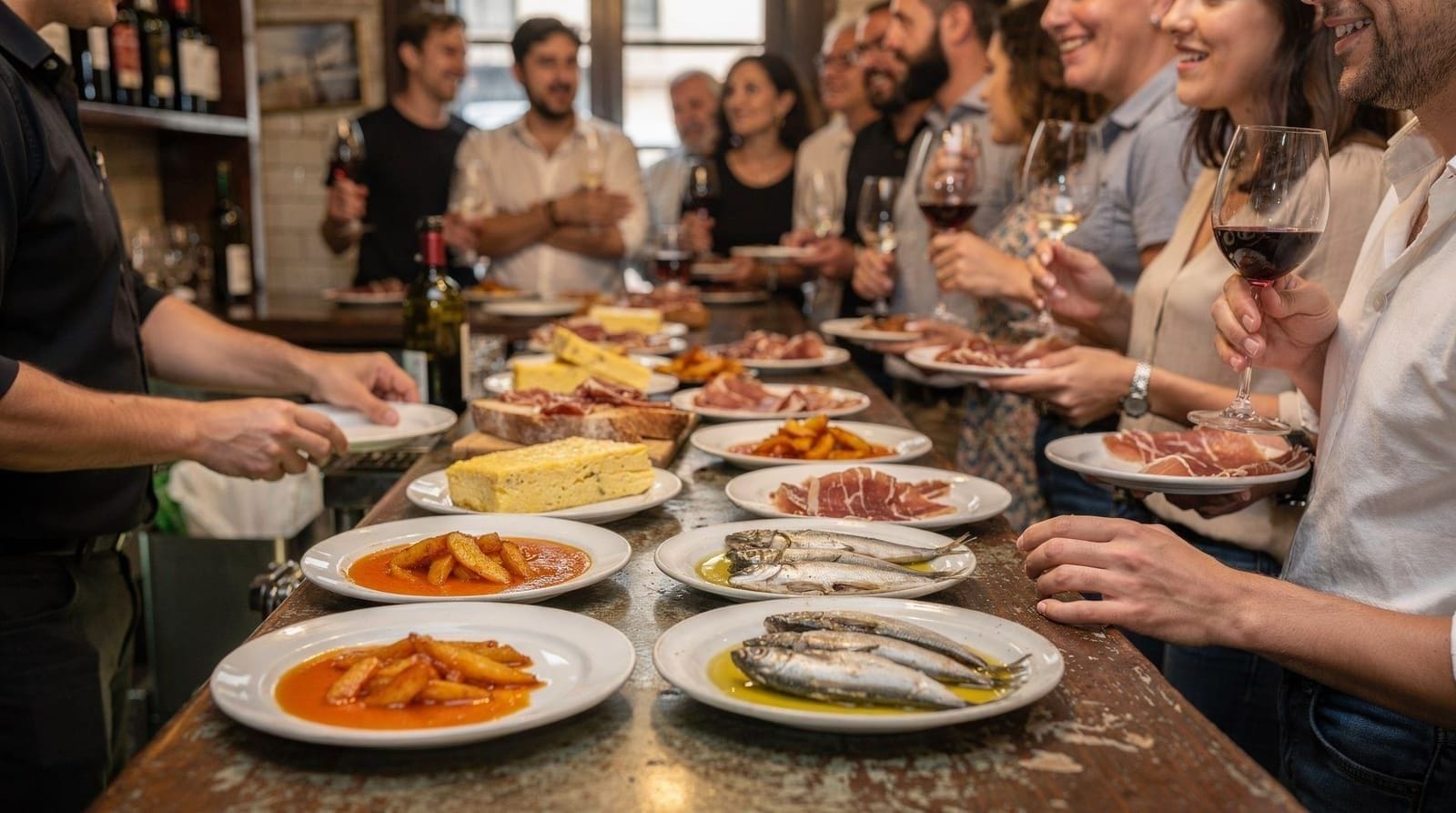
A standard Madrid food walking tour runs 3–3.5 hours and includes 5–7 stops across the historic centre and La Latina. The format varies by operator, but the core elements are consistent:
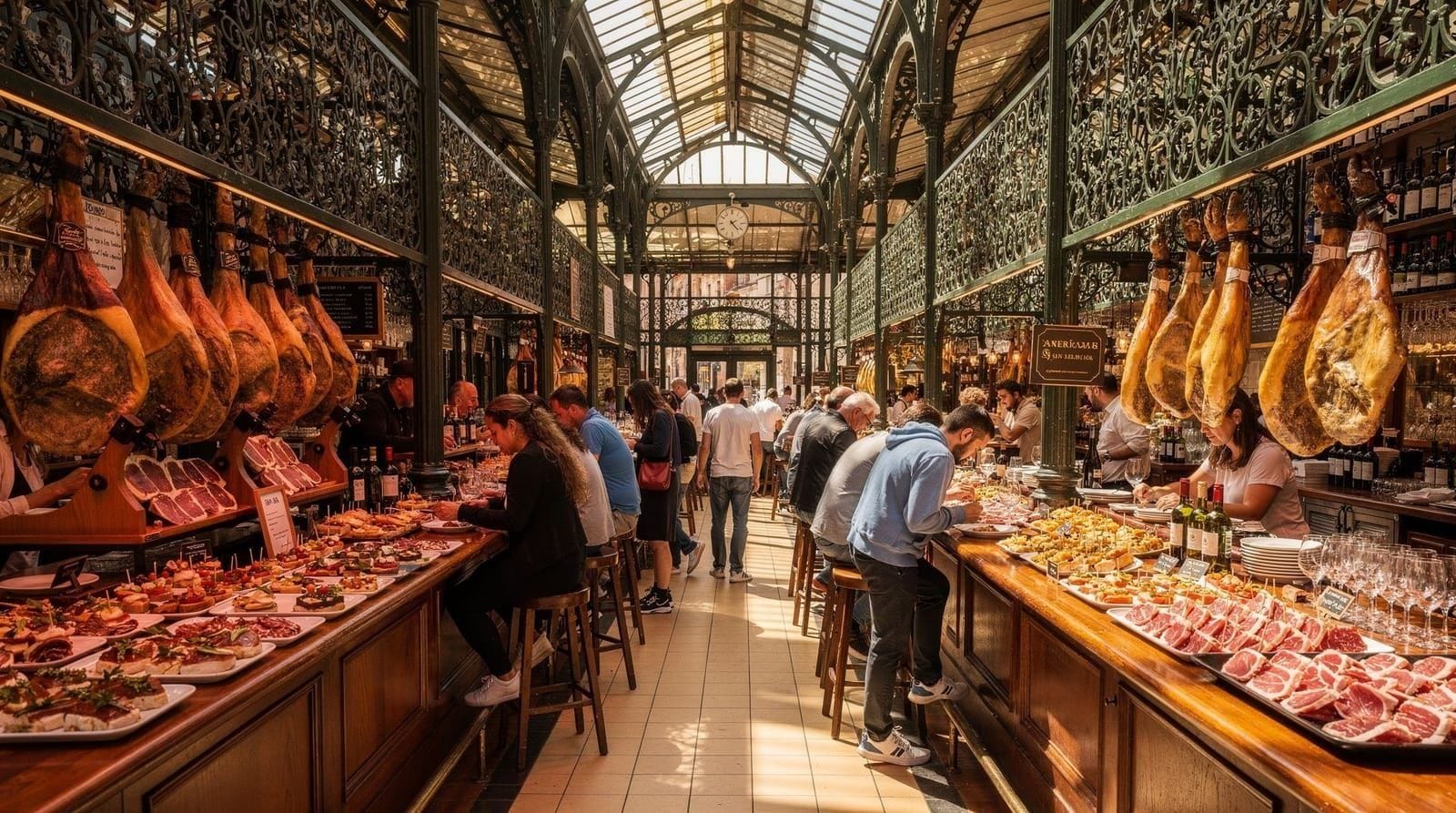
Mercado de San Miguel: The covered 1916 iron market adjacent to Plaza Mayor. Usually the opening or closing stop. Good for cured meats, cheese, oysters, and the famous tortilla española stall. The market is overpriced for lunch but reasonable in a guided context where you try specific things. See the Mercado de San Miguel guide.
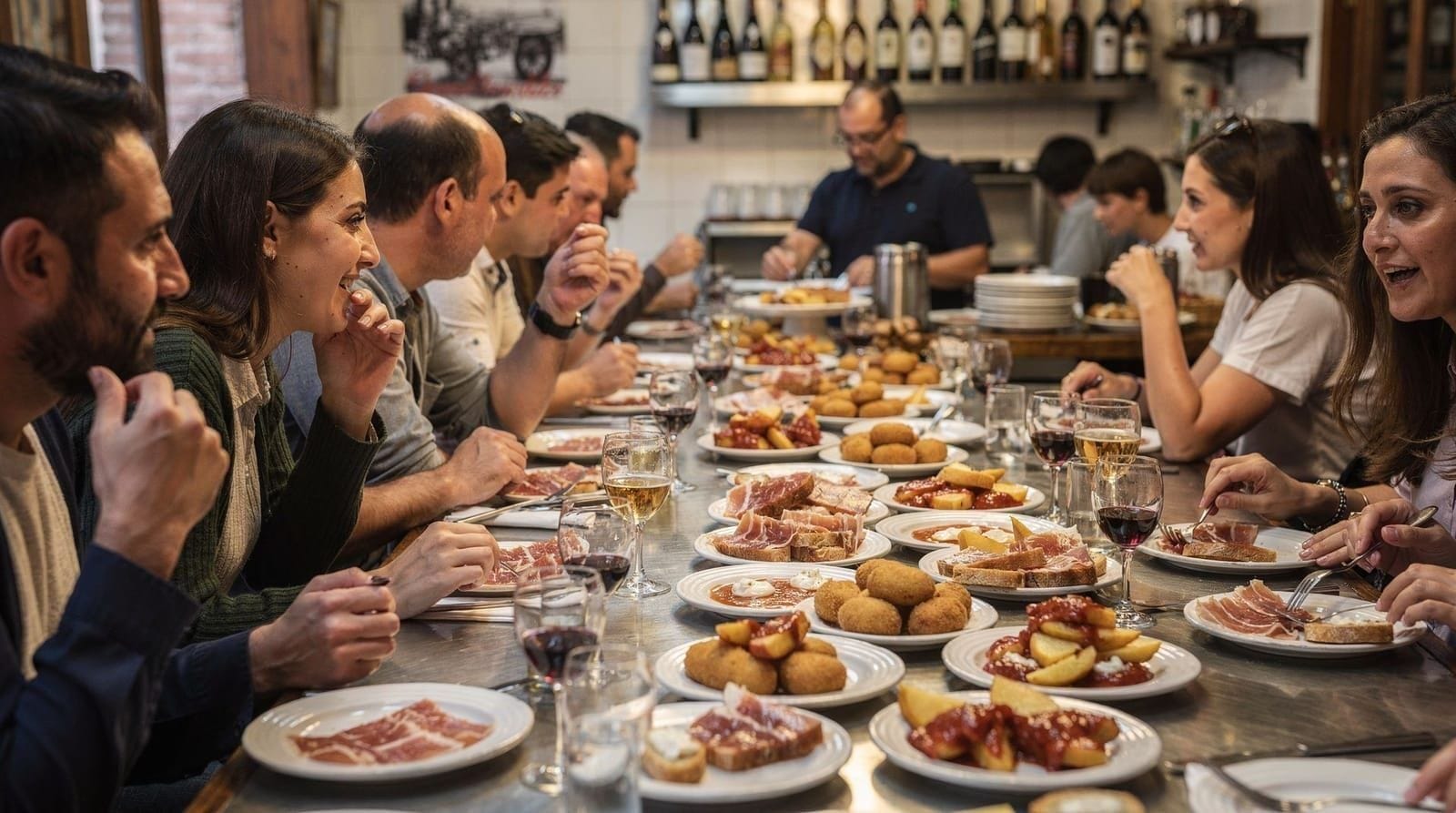
Traditional tapas bars: The substantive part of most tours — 2–3 stops at bars that have been doing one thing well for decades. Casa Labra (croquetas de bacalao), El Tempranillo (wines), or similar. The guide explains the history of the bar, what to order, and why the particular preparation is specific to Madrid.
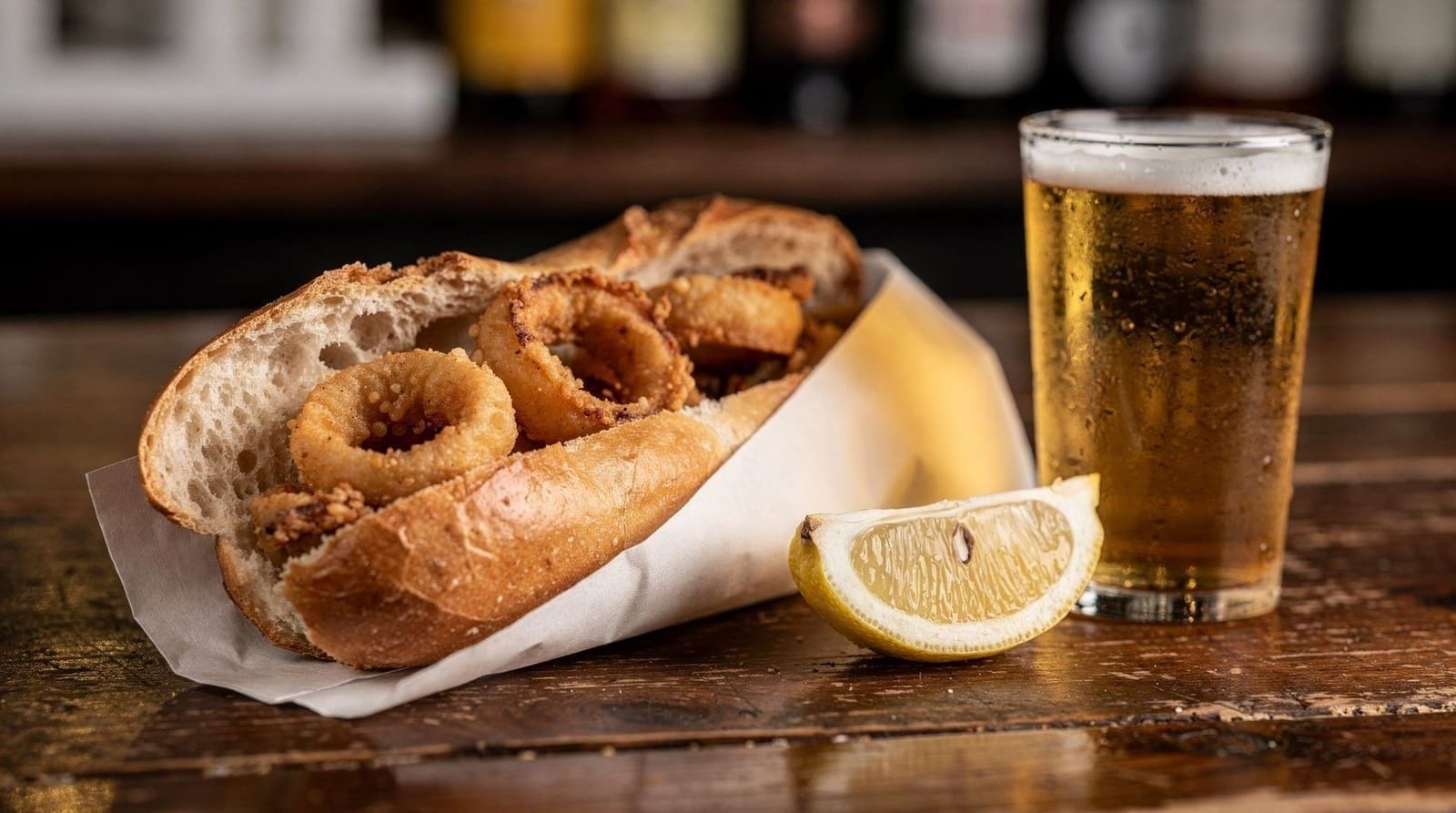
Bocadillo de calamares: The definitive Madrid street food — squid rings in batter, in a bread roll, nothing else. Usually at a traditional freiduría around the Sol area. See the bocadillo de calamares guide.
Vermut and aperitivo: Some tours include a vermut stop — a classic aperitivo moment that is central to Madrid’s weekend culture. Red vermouth, olive, a few chips. See the vermut Madrid guide.
Wine: Most tours include 2–4 glasses of wine across the stops, typically Rioja or Ribera del Duero with appropriate food pairings.
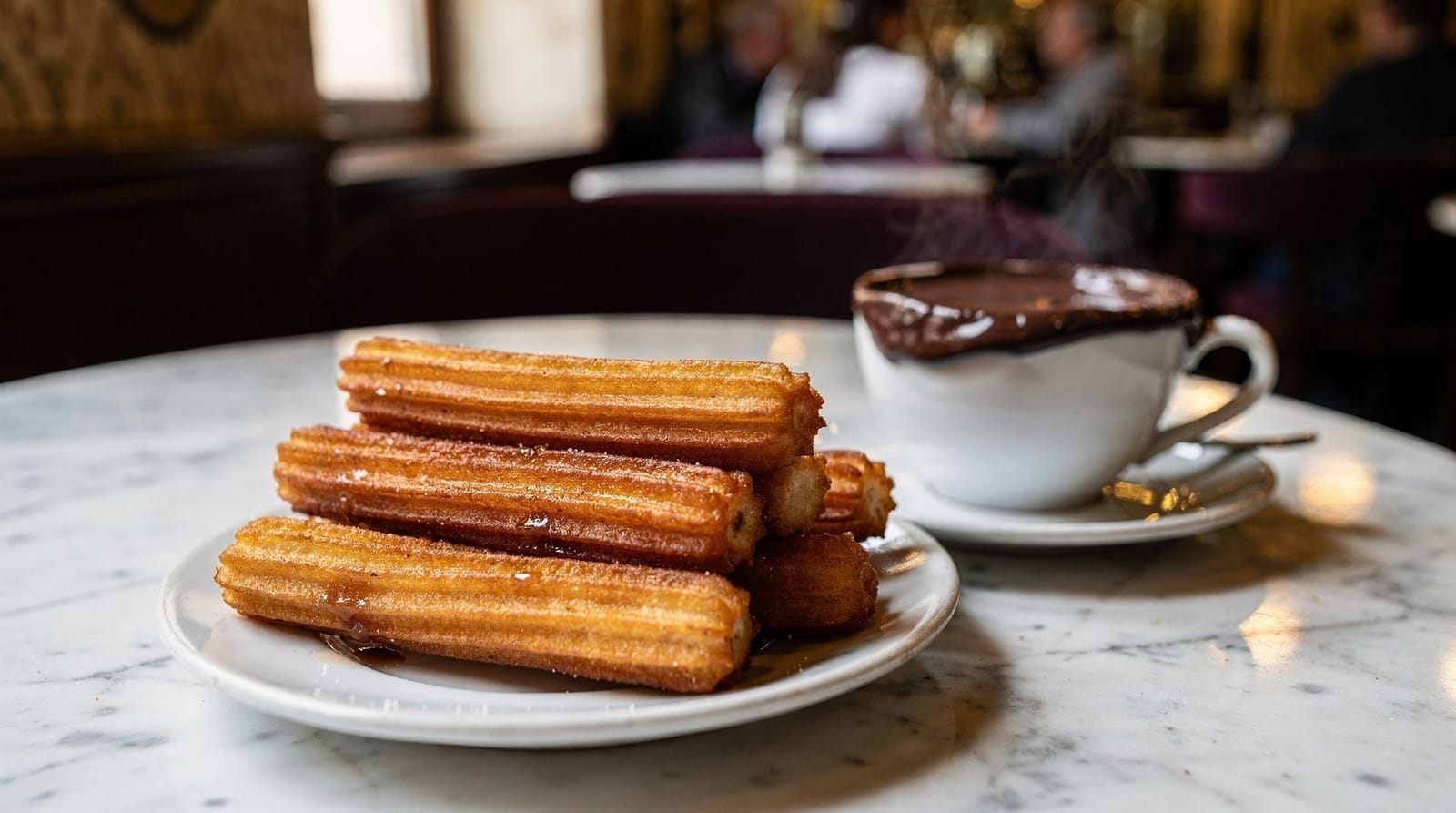
Optional extension — churros: Some tours start or end with churros con chocolate, which is Madrid’s canonical breakfast-time food. See the churros con chocolate guide.
The main tour options
The Madrid Food Tour with Tapas and Spanish Wine is the most widely reviewed option — covers the standard circuit with 10+ tastings and wine pairings. 3 hours, small group (max 12). Good choice if this is your main food experience in Madrid.
The Ultimate Food Tour: Local Markets and Tapas adds a market element (usually the Mercado de la Cebada in La Latina) to the standard tapas circuit. Longer (3.5 hours) and covers more ground. Better for visitors who want to understand Madrid’s food sourcing as well as its eating culture.
The Food Walking Tour with Drink and Local Guide has a higher drink emphasis — more wine and vermut stops, less food volume. Better for visitors specifically interested in Spanish wine and cocktail culture rather than pure eating.
The Madrid Food Tour with 10 Tastings including Tortilla is explicitly structured around 10 specific tastings including the classic tortilla española. Good if you want quantified variety across different food types rather than fewer, deeper stops.
What you actually eat: the typical Madrid food tour menu
Over the course of 3 hours and 5–6 stops, a standard Madrid food tour includes approximately:
-
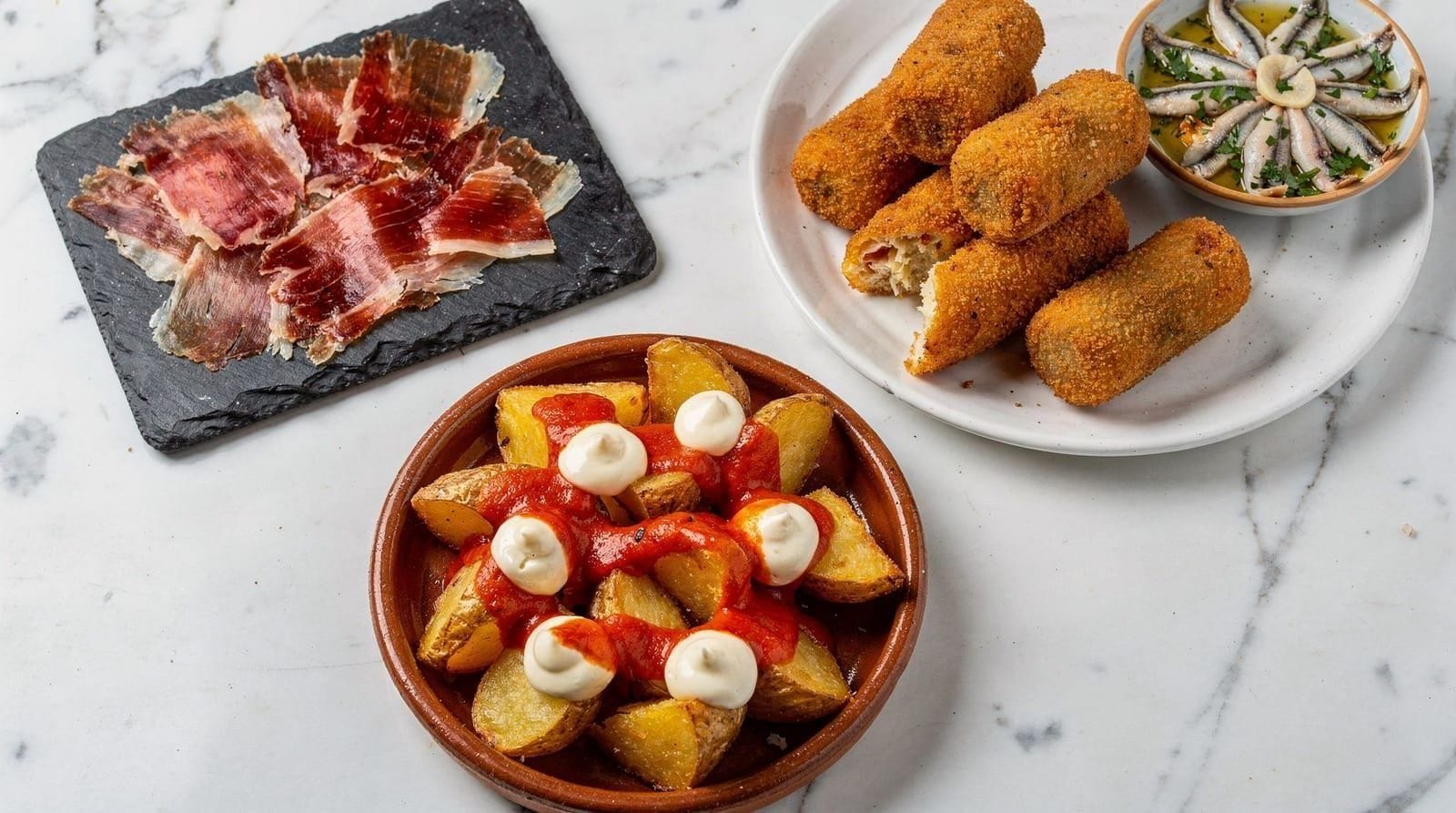
Jamón ibérico de bellota: The best category of cured ham — from black-footed pigs fed on acorns. Understanding why this costs €80–120/kg in a good shop gives context to Madrid’s central role in Spain’s food culture.
-
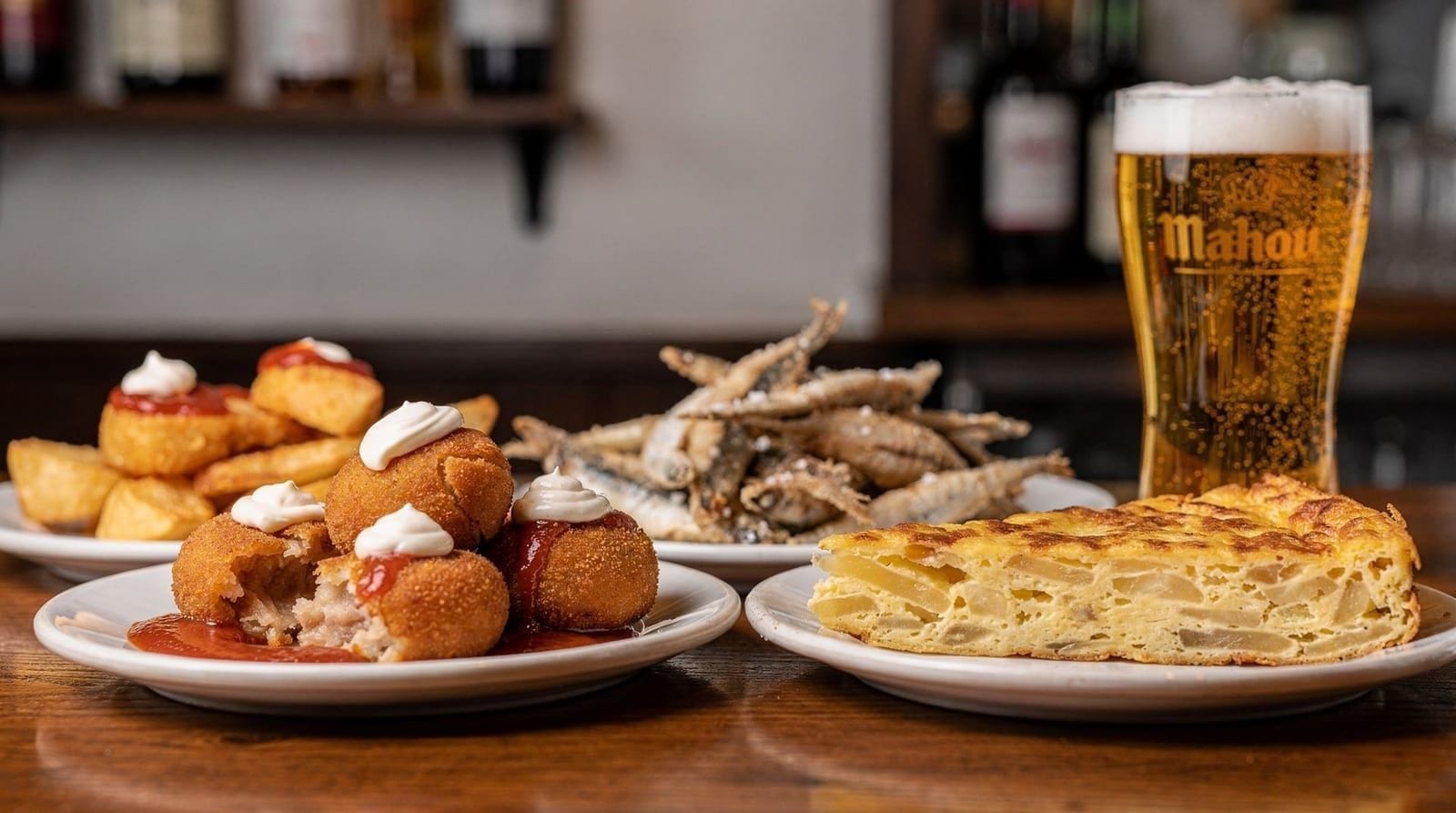
Croquetas: Usually bacalao (salt cod) or jamón. The difference between a good croqueta (creamy, thin crust, properly seasoned filling) and a mediocre one is immediately apparent once a guide points it out.
-
Tortilla española: The classic Spanish omelette — potato, egg, sometimes onion. Madrid’s version (runny centre, or cuajada — set centre) is a subject of local debate. Most tour guides will have an opinion.
-
Pan con tomate: Catalan in origin, but ubiquitous in Madrid — bread rubbed with tomato and olive oil. Appears on most menus and demonstrates olive oil quality more effectively than anything else on the table.
-
Patatas bravas: Fried potato cubes with a spicy tomato sauce and sometimes aioli. Madrid’s version uses a sauce rather than the oil-based preparations elsewhere. Docamar, in the Alcalá neighbourhood, makes the most discussed version in the city.
-
Boquerones en vinagre: White anchovies marinated in vinegar, finished with olive oil and garlic. A Madrid aperitivo staple.
-
Queso manchego: Aged sheep’s milk cheese from La Mancha. The age categories (fresco, semicurado, curado, viejo) affect flavour significantly — most tours taste two or three.
-
Wine: Typically red — Rioja (Tempranillo-dominant) and Ribera del Duero (same grape, different terroir). Some tours add a white (Verdejo from Rueda) or a Jerez (sherry, Andalusian but popular in Madrid).
What you do not eat on most tours
Food tours rarely include:
- Cocido madrileño — the city’s canonical slow-cooked stew. Too substantial for a tapas circuit; requires a dedicated lunch. See the cocido madrileño guide.
- Full sit-down meals — the format is standing at bars, not seated dining.
- Desserts — churros are the exception; otherwise most tours skip this.
Self-guided food exploration: the honest alternative
If you do not want a guided tour, you can replicate the circuit independently — but it takes more time and more failed attempts. The best tapas bars guide covers the specific addresses. The where to eat in La Latina guide focuses on the best neighbourhood. The Madrid tapas guide explains the culture.
The honest difference: a guide knows which bars are good on which days (many rotate their best dishes), which stalls at which markets are worth the premium, and how to get served efficiently at crowded counters. These things take several visits to figure out independently.
When to take a food tour
Best timing: Lunchtime tours (13:00–16:00) align with Madrid’s main eating culture — tapas are at their freshest, bars are at their liveliest, and you walk away having eaten a proper lunch. Evening tours (19:00–22:00) are cooler in summer and the bars have a different atmosphere — more locals in for pre-dinner drinks.
Best season: Spring and autumn when the weather allows comfortable walking. Summer tours are fine but the heat can make the walking sections less pleasant.
Best day: Sunday in Madrid has specific food culture — El Rastro flea market in La Latina, vermut from noon, cocido at traditional restaurants. A Sunday food tour captures this rhythm.
Practical details
Duration: 3–3.5 hours typical; confirm when booking.
Group size: Quality operators cap at 12–14 people. Larger groups make bar visits difficult and slow down the circuit.
Dietary restrictions: Most operators accommodate vegetarians with notice. Vegan and gluten-free options are more limited — confirm specifics when booking.
Cost: €65–85 per person including all tastings and drinks. This is not a budget activity, but as a restaurant substitute it is cost-comparable to a full restaurant lunch.
What to bring: Nothing specific, but do not eat a large breakfast before a food tour. The food volume is sufficient to count as a meal.
Meeting point: Usually at Puerta del Sol or Plaza Mayor. Confirm with the specific operator.
For the broader context of eating in Madrid, see the Madrid tapas guide and the how many days in Madrid planning guide.
The markets: understanding what food tours include
Madrid’s markets play a significant role in the better food tours. Understanding what they are helps you calibrate expectations.
Mercado de San Miguel (Plaza Mayor adjacent): A 1916 iron market restored as a gourmet food hall in 2009. Beautiful architecture, high-quality produce, premium pricing. Good for specific high-quality bites — a glass of vermouth at the bar, a tapa of Joselito jamón, a fresh oyster. Not a place to buy groceries. Food tours use it for atmosphere and 1–2 specific products; those who linger and graze across many stalls typically spend €30+ without a guide’s curation. See the Mercado de San Miguel guide.
Mercado de la Cebada (La Latina, Calle de la Cebada): An authentic neighbourhood market — less photogenic than San Miguel, more used by actual residents. Fruit and vegetables, butchers, fishmongers, tapas bars. The food tour context here is authenticity rather than gastronomy-as-spectacle. Less tourist footfall.
Mercado del Antón Martín (Barrio de las Letras): A covered neighbourhood market with a similar profile to La Cebada. Some food tours use its tapas bars as stops for authentic, non-touristy eating.
Mercados de Abastos (Salamanca district): The larger neighbourhood markets in the wealthier Salamanca district stock higher-quality produce and imported products alongside the standard range. Less common on tourist food tours, but occasionally included in gourmet-focused circuits.
What makes a food guide excellent vs mediocre
The difference between the best and the worst food walking tour guides is substantial.
An excellent guide:
- Knows the names and histories of the specific bar owners and producers involved
- Can explain why a particular croqueta recipe uses bacalao rather than jamón
- Tells you where to return for dinner tonight, specifically for your tastes
- Explains the wine with the food rather than just pouring it
- Takes you to places that tourists would not find independently
- Adapts the circuit slightly based on what has been especially good that day
A mediocre guide:
- Takes you to the same three tourist-oriented stops on every circuit
- Gives generic background (“Spain is famous for tapas…”) rather than specific stories
- Recommends obvious tourist restaurants at the end rather than local ones
- Rushes through the eating portions to cover the sightseeing portions
The way to identify the difference before booking: recent reviews that mention specific bars, specific dishes, and specific interactions with producers. Reviews that say “we went to this little bar near the market” and “the guide knew the owner personally” indicate the right type of guide. Reviews that say “we tried jamón and cheese” without specifics suggest the mediocre format.
The food geography of Madrid: where tours go
Most Madrid food tours operate in a triangle of about 1.5 square kilometres centred on the historic core:
North boundary: Puerta del Sol and the area around Mercado de San Miguel West boundary: Plaza Mayor and the Calle Mayor toward La Latina South: La Latina (Calle Cava Baja and Cava Alta) — the tapas corridor East: Barrio de las Letras (Calle de las Huertas, Calle del León)
This is Madrid’s most concentrated food district. The walking distances between stops are short (5–10 minutes between bars), which means the tour covers ground efficiently without feeling rushed.
Some specialty food tours venture further:
- Malasaña food tour: The Fuencarral/Barceló market area, neighbourhood bars
- Salamanca gourmet tour: The upmarket northern district, delicatessen culture
- Whole-city food and culture hybrid: Combining food with a walking tour of the historic centre
For most first-time visitors, the central triangle tour is the right choice.
Food tours vs restaurant dining: what each delivers
A food tour and a restaurant meal are different experiences that answer different needs.
Food tour delivers:
- Breadth — 8–10 different Spanish dishes across multiple stops
- Context — why these dishes exist, where they come from
- Discovery — places you would not find independently
- Social — eating alongside 6–12 people with the same curiosity
- Map of the city — you understand the food geography afterward
Restaurant dining delivers:
- Depth — 2–3 dishes eaten in full portions with time to savour
- Atmosphere — a specific place with its own character
- Spontaneity — you can order what looks good that day
- Relaxed pace — no group or timetable
The ideal Madrid food strategy: food tour on day one (breadth, context, map), restaurant dining on subsequent evenings at the specific places the guide pointed out. See the where to eat in La Latina guide for restaurant recommendations.
Booking checklist before paying
Before booking any Madrid food walking tour:
- Confirm the group size maximum. Should be 12 or under.
- Confirm what is included. Food and drinks? Or food only?
- Check the meeting time. Lunchtime (13:00) or evening (19:00)?
- Check dietary accommodation. Vegetarian feasible? Vegan limited?
- Read reviews from the last 3 months. Guide quality changes with staff turnover.
- Confirm the cancellation policy. Madrid weather is rarely an issue but operators vary on last-minute changes.
See the food tour worth it guide for a detailed assessment of the format across all Madrid options.
The wine dimension: what you drink on Madrid food tours
Most food walking tours include 2–4 glasses of wine across the stops. Understanding what you are drinking helps calibrate expectations and gives you vocabulary for ordering independently afterward.
Red wines:
Rioja (La Rioja region): Spain’s most internationally recognised wine region. Tempranillo grape, aged in oak barrels. Crianza (12+ months oak) is the everyday version; Reserva and Gran Reserva are more complex. Rioja is the default red on most Spanish restaurant wine lists.
Ribera del Duero (Castile): Same grape (Tempranillo, here called Tinto Fino), different terroir at higher altitude (850–900m). The wines tend to be more structured and darker than Rioja. Often pricier. Vega Sicilia (the region’s most prestigious producer) has global reputation; everyday Ribera del Duero is excellent value.
Garnacha (various, including Madrid’s own Vinos de Madrid): The Garnacha grape produces softer, more aromatic reds. Madrid’s own wine region (DO Vinos de Madrid) produces Garnacha-based wines that a good guide will use to demonstrate the local connection.
White wines:
Verdejo (Rueda): The characteristic white of Castile — crisp, aromatic, with herbal notes. Excellent with seafood and lighter tapas. Often underappreciated by visitors who associate Spain with reds.
Albariño (Galicia): A Northwest Spanish white, often served at tapas bars alongside seafood. Higher acidity, fresher style.
Vermut:
Red vermouth is the aperitivo of Madrid. Served cold with ice and a slice of orange or an olive. The best versions are house-made or from small producers — ask the guide which vermuts they consider worth trying.
After the tour: applying what you learned
A food walking tour is most valuable if you apply the knowledge to the rest of your trip. Specific actions after a good food tour:
-
Return to the best bar on the circuit for dinner. If the guide’s bar was exceptional, go back tomorrow evening — now you know what to order and how to get served efficiently.
-
Buy jamón at the market. The guide likely explained the grading system. Apply it at a market stall or a deli shop — ask for a 100g slice of jamón ibérico de bellota and taste the difference from what you had before.
-
Ask for wine recommendations by name. The Verdejo the guide poured is probably available at most wine shops. The Ribera del Duero she chose for the cheese pairing will be listed on most serious restaurant wine lists.
-
Navigate La Latina independently. The Cava Baja/Cava Alta circuit that the food tour likely covered is now navigable on your own. Evening exploration in this neighbourhood is the natural follow-up.
-
Order at a churros bar with confidence. The guide’s explanation of the right consistency for dipping (chocolate thick enough to coat the churro, not so thick it is soup) gives you a standard to expect.
For the broader eating-in-Madrid context, see the Madrid tapas guide and the where to eat in La Latina guide.
Food walking tours vs food tours: the naming confusion
“Food tour” and “food walking tour” are used almost interchangeably by operators in Madrid, and the distinction is not standardised — both formats typically mean the same thing: a guided circuit of tapas bars and markets with tastings included. The food tour worth-it guide covers the same core format from a slightly different angle, focused on whether the format suits your travel style rather than the specific logistics. If you’re comparing multiple listings, read the itinerary description rather than the title — a “food tour” with 8 stops and a “food walking tour” with 6 stops may deliver a nearly identical experience despite the different name.
Combining a food walking tour with a self-guided evening
The most efficient way to use a food walking tour is as the afternoon anchor of a day that continues independently in the evening. A lunchtime tour (13:00–16:00) leaves the evening free to revisit a favourite stop, explore a neighbourhood the tour only passed through, or simply rest before a later dinner. This sequencing works particularly well paired with the free walking tours guide earlier in the day for historical orientation, followed by the food tour for the culinary layer — together they cover both the visual and edible sides of Madrid’s historic centre in a single day without over-scheduling.
Top experiences
Bookable activities with verified prices and instant confirmation on GetYourGuide.