Madrid vs Barcelona: which city should you visit first?
Madrid: Food Tour Tapas Spanish Wine
Should I visit Madrid or Barcelona first?
Madrid if your priorities are world-class art, royal history, affordable dining, and day trips to UNESCO cities (Toledo, Segovia). Barcelona if you want Gaudí architecture, beach access, a Mediterranean feel, and a more international party scene. For a first visit to Spain, Madrid offers more depth for the same number of days. They are under 3 hours apart by AVE — a combined trip is very manageable.
The honest answer: These are two very different cities that happen to be in the same country. Madrid is a capital city with European gravitas — art, history, court culture. Barcelona is a Mediterranean port city with a distinct Catalan identity — architecture, beach, design. Choose based on what you’re looking for, not which has more Instagram posts.
| Madrid wins | Art museums, day trips, value for money, nightlife depth |
| Barcelona wins | Architecture, beach access, Mediterranean feel |
| Time between them | From about 2h45 by AVE high-speed train |
| Best for one trip | 3–4 days each if doing both |
| First-visit pick | Madrid for depth per day, Barcelona for iconic single sights |
The fundamental difference
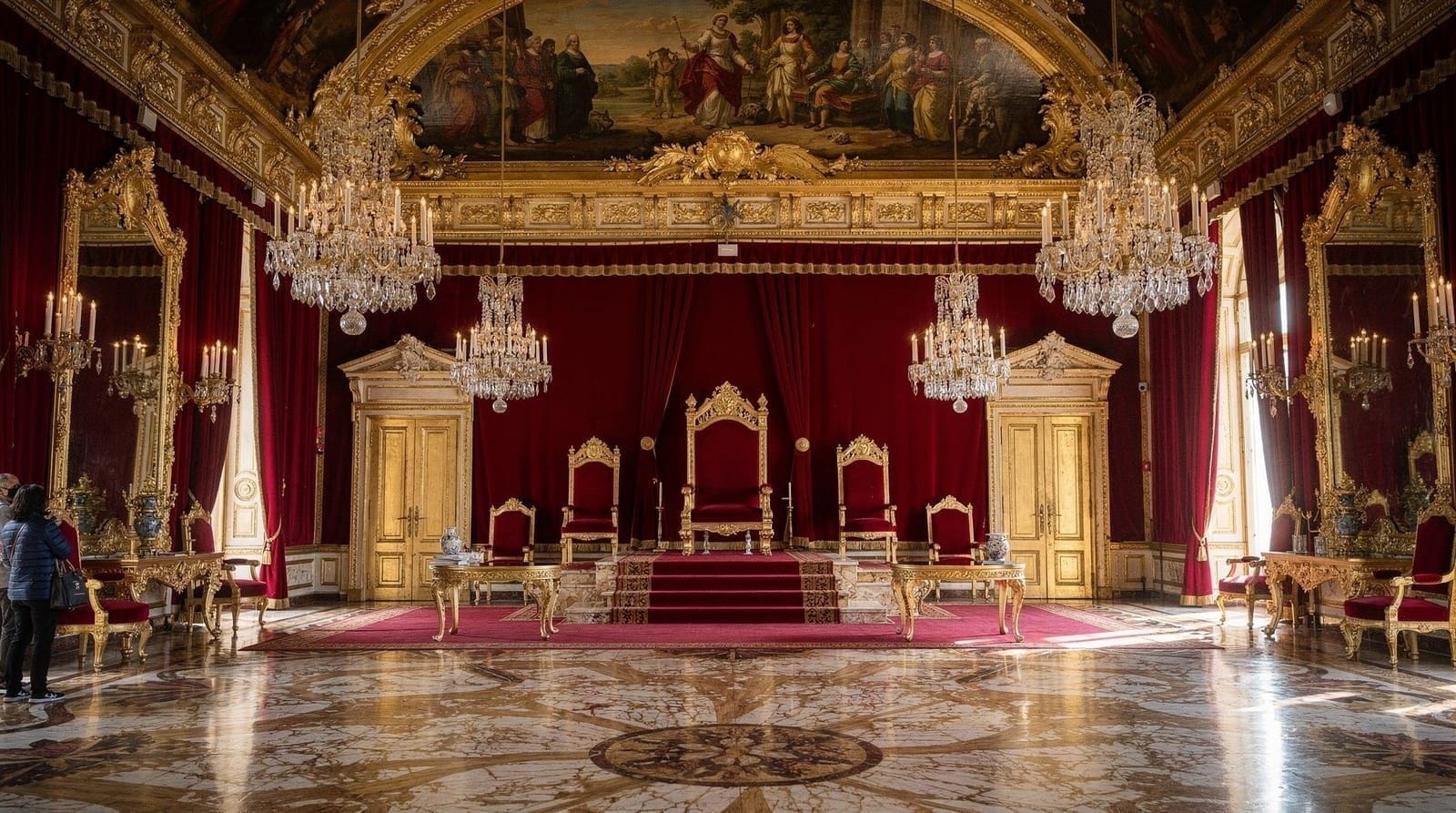
Madrid is the Spanish capital — a Castilian inland city at 650 metres elevation, built by Habsburg and Bourbon monarchs, home to three world-class art museums, the finest royal palace in Spain, and a ring of UNESCO World Heritage day trips within 30 minutes by high-speed train.
Barcelona is a Mediterranean port city with its own language (Catalan), a distinct cultural identity separate from Castilian Spain, arguably the most original architectural vision of the 20th century (Gaudí), beach access, and a design and nightlife culture that has made it one of the most visited cities in Europe.
They are different propositions. The question isn’t which is “better” but which better matches what you’ve come to Spain for.
Art and museums
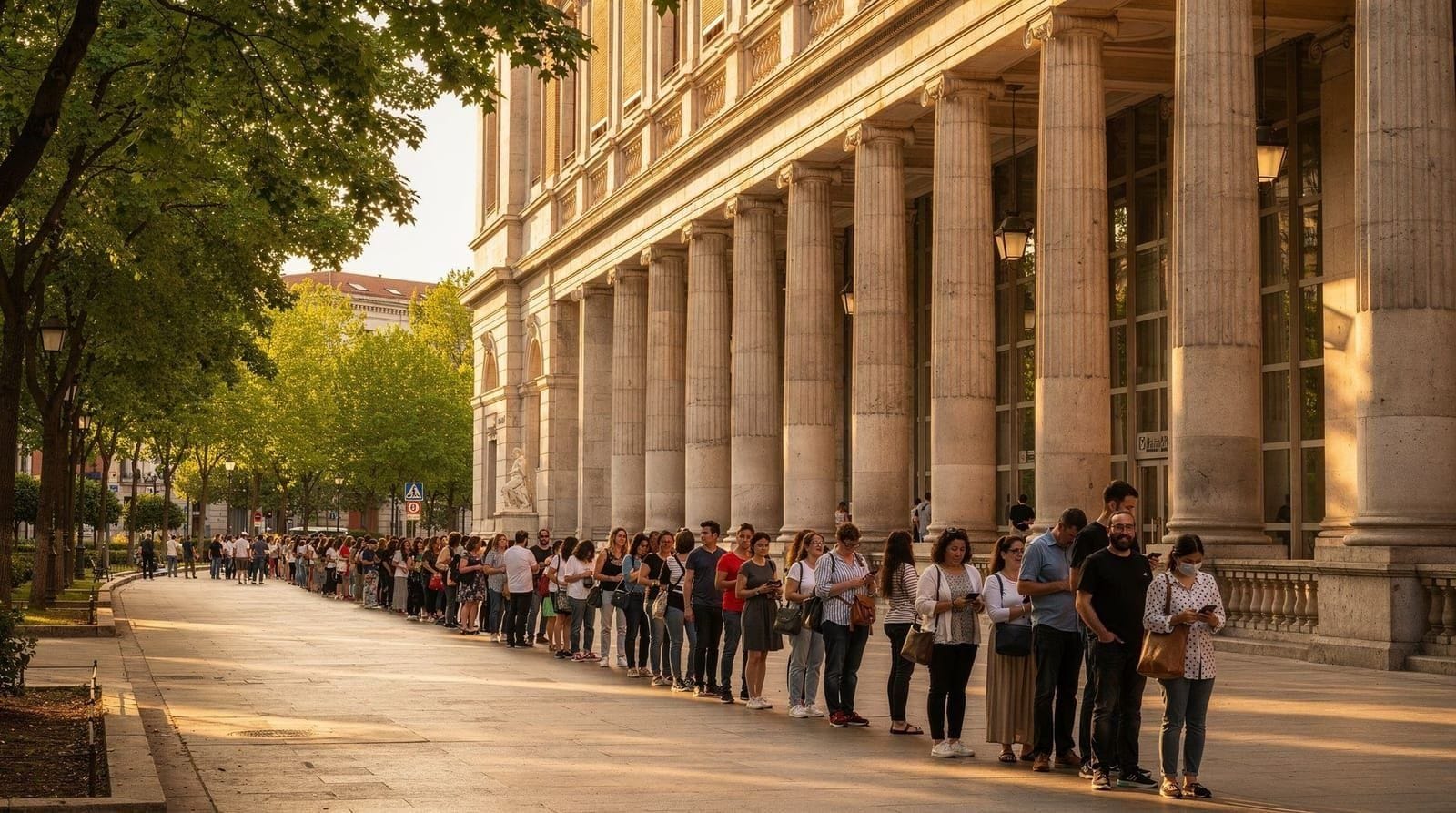
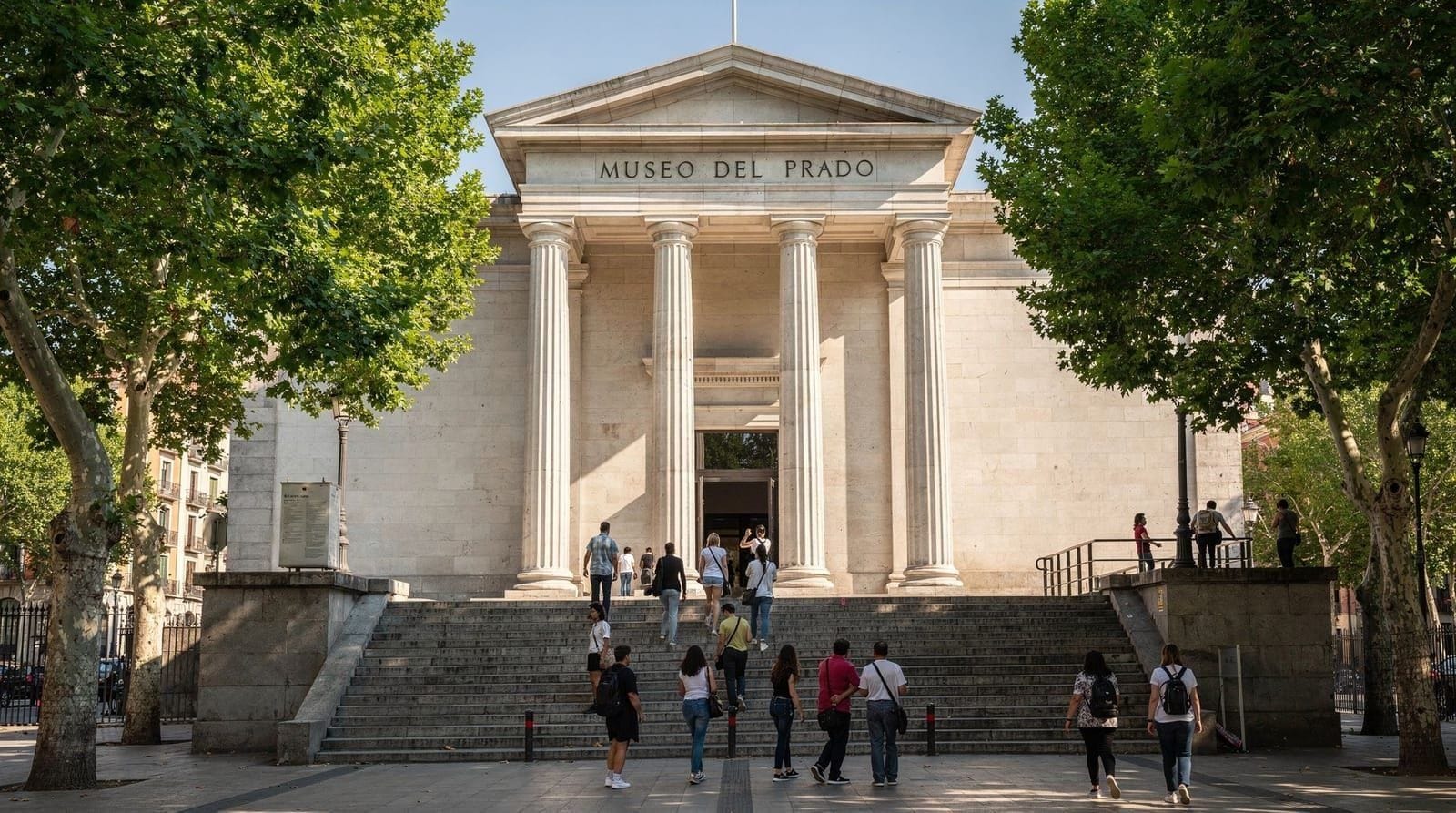
Madrid wins. The Golden Triangle — the Prado, Reina Sofía, and Thyssen-Bornemisza, all within a 15-minute walk — is the finest art museum cluster in Spain and one of the best in Europe. No equivalent concentration exists in Barcelona.
| Museum | Location | Highlight |
|---|---|---|
| Prado | Madrid | Velázquez, Goya, Bosch — unmatched Spanish collection |
| Reina Sofía | Madrid | Guernica; modern/contemporary art |
| Thyssen | Madrid | Dutch masters, Impressionism, 20th century |
| MNAC | Barcelona | Romanesque art; strong Catalan collection |
| Fundació Joan Miró | Barcelona | Miró; good modern art |
| Museu Picasso | Barcelona | Picasso’s early work |
Barcelona has good museums but no single one approaches the Prado in range and depth. If major art museums are a priority, Madrid is the destination.
For museum details: Prado museum guide, Reina Sofía museum guide.
Architecture
Barcelona wins. Gaudí’s work — Sagrada Família, Park Güell, Casa Batlló, Casa Milà — is unlike anything else in the world. The Eixample neighbourhood’s Modernisme architecture is a sustained urban achievement. Barcelona’s Gothic Quarter is one of the best-preserved medieval centres in Europe.
Madrid has excellent architecture — the Royal Palace and the Habsburg old town are genuinely impressive, the late 19th-century Gran Vía is a complete architectural statement, and the Palacio de Cibeles is magnificent. But no single Madrid building produces the visceral reaction that Sagrada Família does.
If architecture is your primary interest: Barcelona. If you care about architecture alongside other interests: both cities reward architectural attention.
Day trips
Madrid wins decisively. The AVE high-speed network places several of Spain’s finest cities within 30–90 minutes of Madrid:
| Day trip | Time from Madrid | Highlight |
|---|---|---|
| Toledo | 33 min (AVE) | UNESCO walled city, cathedral, El Greco |
| Segovia | 27–30 min (AVE) | Roman aqueduct, Alcázar |
| El Escorial | ~60 min (Cercanías) | Philip II’s monastery-palace |
| Aranjuez | 45 min (Cercanías) | Royal gardens, strawberries |
| Cuenca | 55 min (AVE) | Hanging houses, gorge city |
| Ávila | ~1h30 (train) | Medieval city walls |
Barcelona has good day trips — Montserrat, Tarragona, Sitges, the Costa Brava — but none with the UNESCO World Heritage concentration that Madrid’s ring of Castilian cities provides. Toledo alone justifies a Madrid base for many visitors.
See AVE train day trips guide and best day trips from Madrid.
Food
Different rather than one better. Both cities have exceptional food cultures, but they are distinct:
Madrid food identity: Cocido madrileño (chickpea and meat stew), callos (tripe), bocadillo de calamares (squid baguette, a Madrid street food institution), jamón ibérico culture, tapas bars with free tapas with drinks, late-night dinner culture (21:00–23:00).
Barcelona food identity: Catalan cuisine (sea and mountain cooking), pa amb tomàquet (bread rubbed with tomato), botifarra (Catalan sausage), seafood-forward cooking, the influence of El Bulli-era modernist gastronomy, excellent pintxos (from the Basque north, popular in Barcelona bars).
Price: Madrid is approximately 15–25% cheaper for food than Barcelona at equivalent quality levels. A menú del día in Madrid: €12–€15. Same concept in Barcelona: €14–€18.
For Madrid food: Madrid tapas guide, cocido madrileño guide.
Beach access
Barcelona wins completely. Barcelona has sandy urban beaches (Barceloneta, Bogatell, Mar Bella) accessible by metro within the city. In summer, the beach is a core part of Barcelona life.
Madrid has no beach. The nearest coastal beaches are approximately 1h40 away by AVE (Valencia) or 1h30 (Alicante airport by plane). The Manzanares river through Madrid is a pleasant urban park (Madrid Río) but not a swimming option.
If beach access is important to your trip, Barcelona wins. If you’re visiting Spain primarily for culture, history, and food, Madrid’s lack of beach is irrelevant.
Cost comparison
Madrid is cheaper:
| Category | Madrid (approx.) | Barcelona (approx.) |
|---|---|---|
| Hotel (mid-range double) | €100–€160 | €130–€200 |
| Set lunch (menú del día) | €12–€15 | €14–€18 |
| Coffee | €1.60–€2 | €1.80–€2.50 |
| Beer (small, bar) | €2–€3 | €2.50–€3.50 |
| Attraction admission | Comparable | Slightly higher |
Madrid offers 15–25% better value for money across most categories. For budget-conscious travellers, this is a meaningful difference over a week’s stay.
Nightlife
Both excellent, different character.
Madrid’s nightlife is famous for starting late (clubs fill after 01:00), running until dawn, and being distributed across multiple neighbourhoods: Malasaña (indie/alternative), Chueca (LGBTQ+, buzzy terraces), La Latina (Sunday vermouth culture, Thursday–Saturday packed), Chamberí (more local, less touristy). See Madrid nightlife guide.
Barcelona’s nightlife: similarly late-starting, more internationally famous (Barcelona regularly tops European nightlife rankings), more beach-adjacent in summer, stronger electronic music scene (Sonar festival in June is a global draw). Slightly more expensive.
Both are world-class nightlife cities. The choice depends on personal preference.
Language
Spain-first vs Catalan-first. In Madrid, the language is Castilian Spanish — what the world calls “Spanish.” In Barcelona, while everyone speaks Spanish, Catalan is the official co-language and the one used in daily life, official communications, and increasingly in tourism. Signs are in Catalan first. Some cultural institutions emphasise Catalan identity strongly.
For Spanish learners or first-time Spain visitors, Madrid is a “purer” Spanish environment. Barcelona’s linguistic situation (Catalan in daily life, Spanish in most tourist contexts) adds an interesting cultural dimension but can occasionally feel excluding.
Safety
Both cities are safe for tourists. Barcelona has a higher-profile problem with pickpocketing (particularly on Las Ramblas and around the Barceloneta beach and on the Metro) — it is one of the highest-pickpocket cities in Europe in surveys. Madrid’s pickpocketing is more concentrated (Sol, El Rastro, crowded Metro cars) but generally considered somewhat less intense than Barcelona’s tourist areas.
Both cities are fundamentally safe for visitors taking standard precautions.
Getting between Madrid and Barcelona
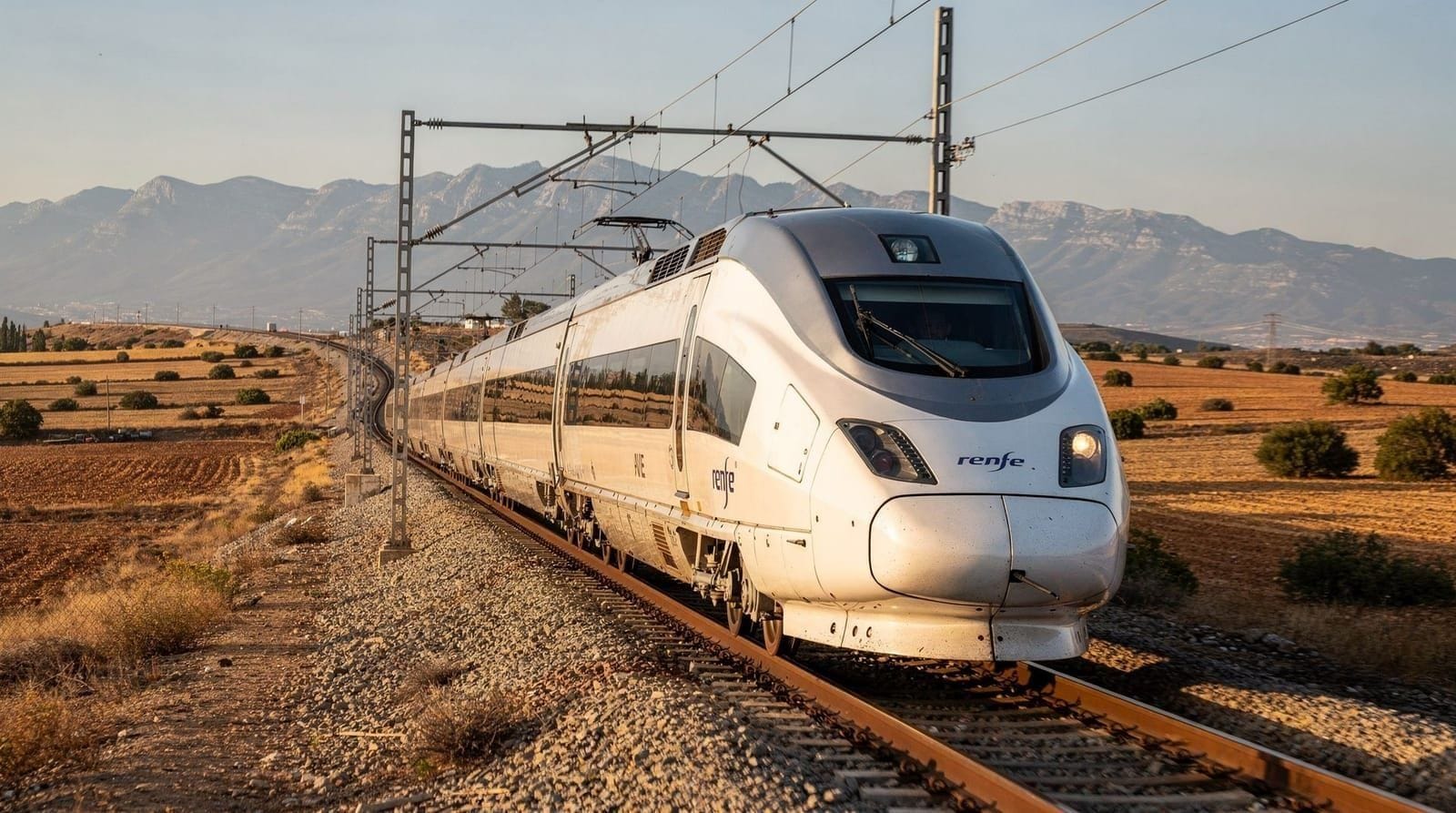
The AVE high-speed train runs Madrid (Atocha or Chamartín) to Barcelona (Sants) in about 2h45 at best. This is faster than flying once you factor in airport check-in, security, and transit time. The train is also city-centre to city-centre, which the flight is not.
Fares: Dynamic pricing. The cheapest advance “Promo” tickets from €25–€35 each way. Standard mid-range fares: €50–€80 each way. Last-minute: €80–€120+. Book on Renfe.com directly.
Frequency: Multiple departures per day from early morning to late evening. Roughly every 30–60 minutes during busy periods.
Alternative — budget flights: Vueling, Iberia, and Ryanair offer Madrid–Barcelona flights from ~€20–€60 each way at the cheapest. But when you add check-in time, transit to/from airport (30–45 min each end), and luggage, the total journey is often 4–5 hours door-to-door vs the AVE’s 3–3.5 hours. For most travellers, the AVE is the better option in comfort, time, and often price.
Honesty about the “Spain in one trip” cliché
Travel content routinely presents “the best of Spain” as covering Madrid, Barcelona, Seville, and possibly Granada — all in two weeks. This is an itinerary for a travel writer’s expense account, not a meaningful experience.
The honest truth: if you have 7–10 days and this is your first Spain visit, choose one of these:
- Madrid base + day trips (Toledo, Segovia, perhaps El Escorial)
- Barcelona base + day trips (Montserrat, Tarragona, Costa Brava)
- Madrid + Barcelona: 3–4 days each, connected by one AVE journey
Adding Seville or Granada to a 7-day Madrid-Barcelona itinerary means spending approximately 30–40% of your trip on trains. The cities deserve more time than the rushed version allows.
Cultural differences worth knowing
Eating hours: Both cities eat late, but Madrid is the more extreme case. Dinner at 21:30 is normal in Madrid; arriving at a restaurant at 19:30 and finding it empty is not unusual. Barcelona restaurants may open for dinner slightly earlier (20:00–20:30) but the culture is similar. Lunch is the main meal in both cities.
Sunday culture: In Madrid, Sunday is the day of the El Rastro flea market (La Latina, 09:00–15:00), followed by vermouth and tapas in neighbourhood bars. In Barcelona, Sunday is quieter commercially but the Boqueria market and Barceloneta beach are active. Both cities are lively on Sundays despite some shop closures.
Siesta: The midday closing tradition (14:00–17:00 for smaller shops) persists in both cities but is fading in tourist areas. Major attractions, large stores, and restaurants stay open through the afternoon. Small family-run neighbourhood bars may close for a few hours mid-afternoon.
Local attitude toward tourists: Both cities see very high tourist volumes and maintain a professional, welcoming attitude in tourist contexts. Madrid’s locals tend to be direct and businesslike; service is efficient if not always effusive. Barcelona’s service culture is sometimes described as warmer, though this varies widely by establishment.
Making the choice
Choose Madrid if:
- Art museums are a priority
- You want UNESCO World Heritage day trips within 30 minutes
- Budget matters and you want better value
- You prefer a classic European capital feel
- Football (Real Madrid, Atlético Madrid) is relevant to your visit
- You want the most authentic Castilian Spanish food and culture
Choose Barcelona if:
- Gaudí and Modernisme architecture is a draw
- Beach access matters for your trip
- A Mediterranean feel is what you’re looking for
- You’re interested in Catalan culture specifically
- You’re connecting to the Costa Brava or Costa Daurada
Do both if: The AVE covers Madrid–Barcelona in about 2h45 at best. A combined Spain trip of 7–10 days can include both cities comfortably: 3–4 days in Madrid (with one Toledo day trip), 3–4 days in Barcelona, travel between on the AVE. This is a very popular itinerary and genuinely rewarding. See how many days in Madrid for the Madrid portion.
What each city does best: a category breakdown
For families with children:
Both cities cater well to families, with different strengths. Madrid has the Bernabéu stadium (football fans), a large zoo-aquarium, Parque Warner (theme park, 40 km south), and the excellent family-friendly Retiro Park. Barcelona has the Aquarium, Tibidabo amusement park on a hill, and beaches the kids can run to after a morning at the Picasso Museum.
Madrid wins for budget family travel — the extra 20–25% cost savings add up significantly for families with hotel rooms and restaurant bills.
For wine and food experiences:
Both cities have exceptional food. Madrid’s food identity is more authentically Spanish (Castilian, working with the inland products — lamb, pork, game, cheese, legumes). Barcelona leans Mediterranean and international — fresh seafood, Catalan cuisine, and the ongoing influence of the modernist gastronomy movement.
Wine: Madrid is surrounded by wine regions (Ribera del Duero to the north, Vinos de Madrid, Rueda) and serves them at neighbourhood restaurants at honest prices. Barcelona’s proximity to Penedès (Cava country) and Priorat makes its wine scene equally excellent and more international.
For an immersive food experience, Madrid’s neighbourhood bars and markets offer better value and more authentic access. See Madrid tapas guide for the full picture. If you choose Madrid, a first-evening guided tapas tour is a practical way to get oriented before exploring on your own for the rest of the trip:
Madrid tapas and Spanish wine tasting tourFor weather:
Both cities share a Mediterranean-adjacent climate but with real differences. Madrid, at 650 m elevation and inland, has hotter, drier summers (July highs regularly above 35°C, low humidity) and colder winters (occasional frost, rarely snow in the city itself) than its latitude suggests. Barcelona, coastal, has milder summers tempered by sea breeze but higher humidity, and winters that rarely drop below 8–10°C. For pure comfort in August, Barcelona’s coast is more forgiving; for crisp, sunny spring and autumn days, Madrid is hard to beat. See the best time to visit guide for month-by-month detail.
For solo travellers:
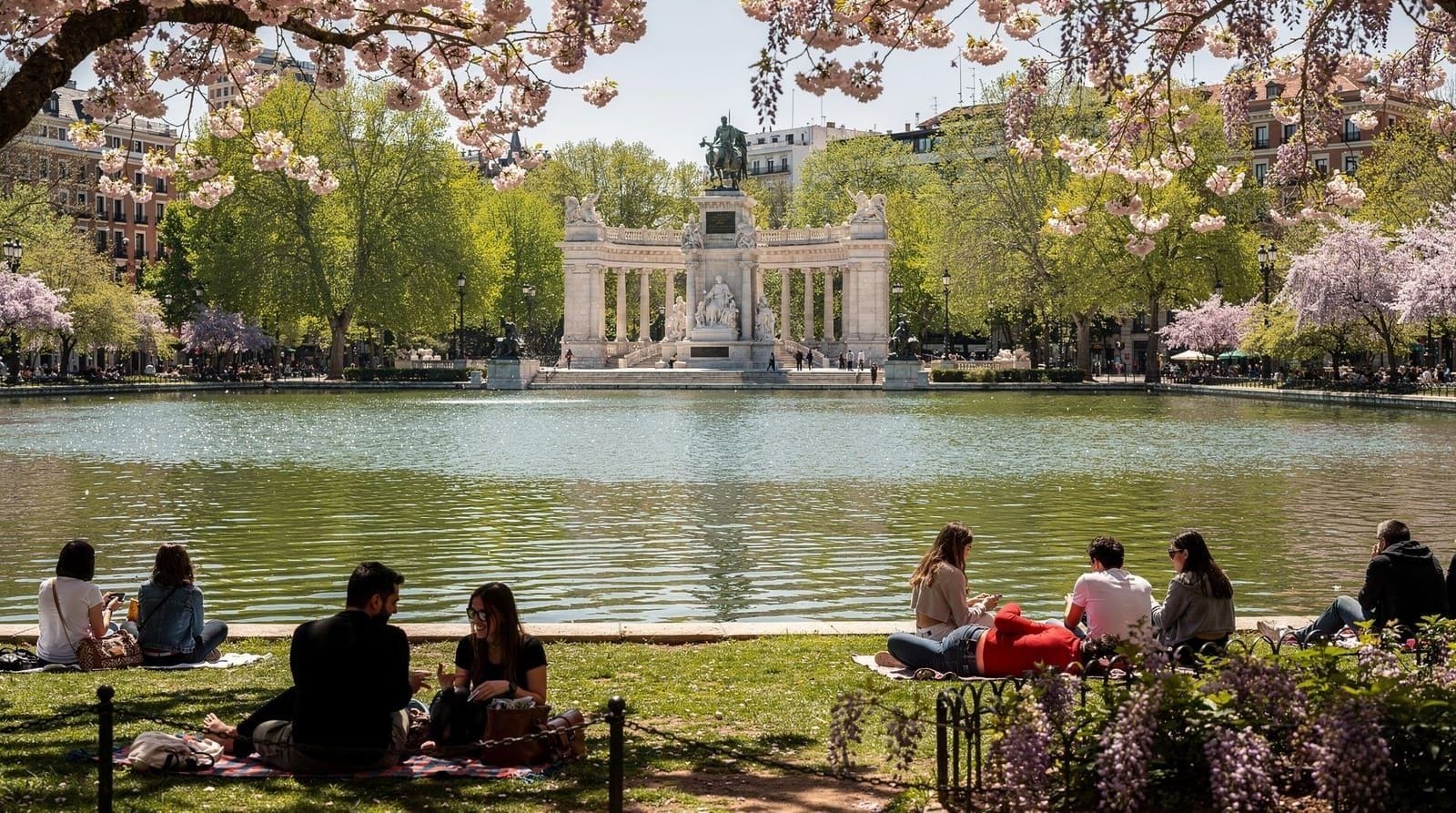
Both cities work well solo — extensive public transport, safe central neighbourhoods, and a bar culture (tapas in Madrid, pintxos and vermuts in Barcelona) that makes eating alone at a counter completely normal rather than awkward. Madrid’s grid of walkable central neighbourhoods (Sol, La Latina, Malasaña, Chueca) arguably makes casual solo exploring easier, since almost everything of interest sits within a compact core rather than spread along a coastline.
For couples:
Barcelona’s beach sunsets and Gaudí architecture lend themselves to a classic romantic-city-break narrative. Madrid counters with golden-hour views over Retiro Park, rooftop bars overlooking Gran Vía, and a slower, later dinner culture that suits a couple with nowhere particular to be before 22:00. Neither city has a clear edge here — it comes down to whether beach or art-and-architecture matters more to the two of you.
For shopping:
Barcelona’s fashion and design scene is marginally more sophisticated — the Eixample has international luxury brands, local Catalan designers, and excellent concept stores. Madrid’s shopping is concentrated on Gran Vía (mass-market), the Salamanca district (luxury), and El Rastro (vintage/flea market). Neither city has a significant price advantage for major brand purchases (prices are pan-EU).
For day trips:
Madrid wins comprehensively — see the full comparison above. Barcelona’s day trips (Montserrat, Sitges, Girona) are enjoyable but do not match the UNESCO World Heritage concentration that Toledo, Segovia, and Ávila provide from Madrid. For detail see best day trips from Madrid.
The “Madrid isn’t as fun as Barcelona” myth
A persistent stereotype frames Barcelona as the vibrant, fun city and Madrid as the serious, political one. This is outdated and inaccurate.
Madrid’s nightlife runs deeper and later than Barcelona’s — it is consistently rated among the top 5 European nightlife cities in independent surveys. The city’s bar culture is genuinely excellent at every budget level. Its festival calendar (San Isidro, Orgullo/Pride, Veranos de la Villa) rivals any European city.
What Madrid lacks compared to Barcelona: the Mediterranean visual backdrop (the sea, the hills, the Gaudí skyline). What it has instead: an enormous flat city with endless walking streets, a thermal climate that puts people outside in terraces for more months of the year than anywhere in northern Europe, and a social culture built around staying out late.
Museums beyond the big three: a closer look
The comparison above focuses on the headline museums, but the gap widens once you look at the second tier. Madrid’s Golden Triangle is backed up by the Royal Palace itself (a working state building and museum in one), the Sorolla Museum, and the Royal Tapestry Factory — none of which have a close Barcelona equivalent outside the Picasso Museum. Barcelona counters with a genuinely strong contemporary and design scene: CCCB, the Design Museum, and rotating exhibitions across the Eixample’s smaller galleries. If your interest is specifically Old Master painting, Madrid is not a close contest — the Prado’s depth in Velázquez, Goya, and the Flemish and Italian schools has no Barcelona parallel. If your interest is 20th-century and contemporary work, the gap narrows considerably.
Transport within each city
Both metro systems are excellent by European standards, but they suit different trip shapes. Madrid’s Metro is dense and radial, with most tourist sights reachable within one or two changes from any central hotel, and the historic core is compact enough that many visitors barely need it for a day at a time. Barcelona’s metro, plus its tram and bus network, matters more because the city’s attractions — the beach, Gaudí sites scattered across the Eixample and beyond, Montjuïc — are genuinely spread out and not realistically walkable in sequence. A Barcelona day involving the beach, Park Güell, and the Gothic Quarter needs proper transport planning in a way a comparable Madrid day usually doesn’t.
Frequently asked questions about Madrid vs Barcelona
Which city is better for a first visit to Spain?
Both are valid first visits. Madrid offers more variety of experience per day (three world-class museums + day trips), while Barcelona offers more singular iconic experiences (Sagrada Família, the beach). Madrid is usually recommended for art and history enthusiasts; Barcelona for design and Mediterranean lifestyle.
Is Madrid safer than Barcelona?
Madrid is generally considered slightly safer for pickpockets — Barcelona’s Las Ramblas is one of Europe’s most notorious pickpocket zones. Both cities are fundamentally safe for visitors taking normal precautions.
Can I visit both Madrid and Barcelona in one trip?
Yes — 7 to 10 days is the typical combined trip length. 3–4 days in each city plus a day for the AVE journey is workable. Book the AVE train between the cities directly on Renfe.com (not third-party sites that add fees).
Is Madrid or Barcelona better for football?
Both have iconic clubs. Real Madrid (and the Bernabéu) and Atlético Madrid (Metropolitano) are in Madrid; FC Barcelona (Spotify Camp Nou) is in Barcelona. Both offer stadium tours. Match tickets for either club require advance booking. If Real Madrid is your primary interest, Madrid is the obvious base.
Santiago Bernabéu stadium entry ticketWhich city has better weather for a summer trip?
Barcelona is more forgiving in July and August thanks to the coastal breeze, even though its humidity is higher. Madrid’s summer heat is drier but more intense — 35°C+ afternoons are common, which pushes sightseeing toward mornings and evenings. For spring or autumn, Madrid’s dry, sunny climate is arguably the better of the two.
Is one city more walkable than the other?
Madrid’s historic core is more compact and grid-like, making casual walking between major sights (Sol, the Royal Palace, the Prado, Retiro) genuinely easy without much transport. Barcelona is walkable within neighbourhoods (the Gothic Quarter, the Eixample) but its sights are more spread out along the coast, so you’ll rely on the metro more for a full day’s sightseeing.