Las Ventas bullring: guide to Madrid's famous plaza de toros
Madrid: Las Ventas Audio Guide
Can you visit Las Ventas bullring in Madrid without attending a bullfight?
Yes — Las Ventas has a museum and guided tours available year-round, including on non-fight days. The Museo Taurino is free and covers the history and culture of bullfighting. The audio-guide visit of the bullring costs €16. The bullfighting season at Las Ventas runs May–October; the main festival is San Isidro (roughly 10 May to 10 June).
In brief: Las Ventas is not merely a venue — it is the Vatican of bullfighting, the standard by which every corrida in the world is judged. Whether you come to attend a fight, tour the arena, or simply understand a defining piece of Spanish cultural history, it deserves at least a visit to the museum and the exterior.
| Where | Calle de Alcalá 237, Salamanca district (Metro Ventas, Line 2) |
| Cost | Museum free; audio-guide visit €16; fight tickets from about €3–5 up to €200+ |
| Time needed | 45–60 min museum, 60–90 min guided tour, 2.5–3 hrs for a corrida |
| Season | Bullfights run May–October; San Isidro feria mid-May |
| Without a fight | Museum and arena tours run year-round on non-fight days |
What Las Ventas actually is
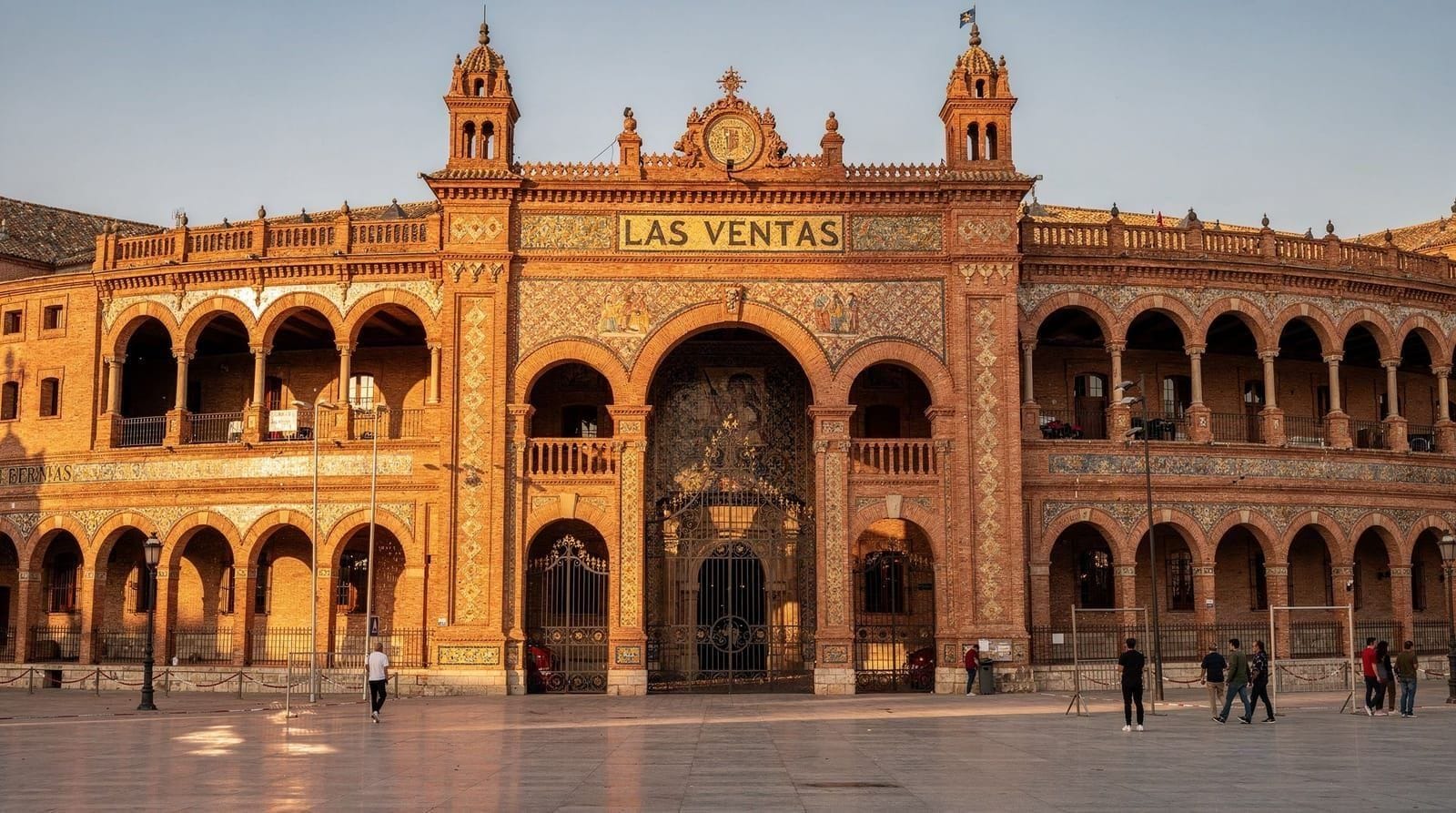
The Plaza de Toros de Las Ventas opened in 1931 and seats approximately 23,800 spectators — making it the largest bullring in Spain and the most prestigious in the world. The architectural style is neo-Mudéjar: elaborate brick construction with horseshoe arches, ornamental tile work, and towers at each corner. The exterior, visible from the Calle de Alcalá, is genuinely striking — the building is photogenic regardless of your views on what happens inside.
For bullfighting aficionados, Las Ventas holds the status that La Scala holds for opera. Matadors must perform here to be considered truly validated by the profession. The San Isidro feria is the most watched and analyzed festival in the world of tauromachia — a triumphant afternoon at San Isidro can define a matador’s career; a poor performance here is amplified globally.
The ethical dimension — an honest note
Bullfighting involves a bull being killed in a ritual combat. The animal suffers during the fight — this is not in dispute. Supporters argue it is a complex art form with deep cultural roots and a philosophical engagement with death and bravery. Opponents consider it animal cruelty with no justification, regardless of cultural framing.
Spain’s regional governments are divided: Catalonia banned bullfighting in 2011; the Canary Islands never permitted it; Madrid, Andalusia, Valencia, and other regions maintain strong traditions. Attendance has declined significantly over the past two decades — from millions per season in the 1990s to roughly half that by the 2020s — partly due to generational change in attitudes.
This guide does not advocate for attending a fight or boycotting one. Many visitors to Las Ventas come for the museum, the architecture, and the cultural context — and never attend a corrida. That is a legitimate choice. The information below covers both options honestly.
Visiting without a fight: the museum and tour
Museo Taurino de Las Ventas is free and open every day except 25 December and 1 January (April–October 10:00–19:00, November–March 10:00–18:00; on event days visits end 2 hours before the show). The collection includes:
- Trajes de luces (the elaborate embroidered fighting suits, historically made by specialized workshops and costing thousands of euros each)
- Fighting capes (magenta and gold capotes; small red muleta cloths)
- Bull horns and mounted heads from significant fights
- Portraits and photographs of matadors from the 19th century to the present
- Memorabilia from San Isidro — the ribbons, the music, the ritual objects
The museum provides genuine cultural context even for visitors with no prior interest in bullfighting. The craftsmanship of the suits alone is remarkable.
The Las Ventas audio guide covers both the museum and the arena floor with historical narration.
Guided arena tours allow access to the arena floor (the sand), the matador preparation room (callejón), the bull pens (corrales), and the chapel where matadors pray before entering the ring. These tours provide the closest experience to what the corrida actually involves, without attending one. Book through the official Las Ventas website or GetYourGuide.
A VIP private tour of Las Ventas includes spaces not accessible on the public tour, including the matador dressing rooms and archive areas.
The San Isidro feria
The Feria de San Isidro typically runs for about a month, from around 10 May to 10 June (the feast of San Isidro Labrador, Madrid’s patron saint, is on 15 May). During this festival:
- A corrida is held every single afternoon (18:00 start time)
- The most prestigious matadors and most select bulls are programmed
- All 23,800 seats sell out for important fights, often weeks in advance
- The city’s social life revolves around the feria — people dress up, the cafés around Las Ventas are standing room only, and the atmosphere is genuinely festive
Getting San Isidro tickets: The official website opens sales approximately 3–4 weeks before the feria begins. The best fights (mano a mano between top matadors, or a novillero who has generated season buzz) sell out within hours. General afternoon fights are more accessible. Be cautious of resellers charging multiples of face value.
Attending San Isidro without a fight: The neighborhood around Las Ventas during the feria is festive regardless of whether you have tickets. The bars on Calle de Alcalá and the adjacent streets fill with Madrileños who combine the corrida culture with eating and drinking. The exterior queues and crowd around the building during a big fight are worth experiencing for the atmosphere alone.
Attending a corrida: practical guide
Choosing a fight: The Las Ventas calendar runs from May to October. Not all fights are equal in prestige.
- Corrida de toros: Full-format fight with professional matadors and adult bulls. The highest category.
- Novillada: Younger bulls, aspiring matadors (novilleros). Lower prestige but more affordable; sometimes more spontaneous.
- Rejoneo: Bullfighting on horseback. A different tradition, less common.
- Becerrada: Young bulls, amateur fighters. The least prestigious and least expensive; not recommended for a first corrida.
Timing: Fights start at 17:00, 18:00, or 19:00 depending on the season and sunlight. The full corrida (six bulls, three matadors) lasts approximately 2.5–3 hours.
Seating: Book online via the Las Ventas official website (las-ventas.com) or authorized ticket agencies. Arrive 30 minutes early to find your seat — the ring numbering system is logical but unfamiliar to first-time visitors. Seat cushion rental is available at the gate (€1–2) — the stone seating is hard.
What to bring: Hat and sunscreen for sol seats. Binoculars recommended (the ring is large). The bars inside Las Ventas serve beer, wine, and tapas during the fight — eating and drinking during the corrida is normal.
The building and the neighborhood
Las Ventas sits at the eastern end of the Salamanca district, where the comfortable residential neighborhood transitions toward Ventas and the more working-class eastern suburbs. The building dominates its corner of the Calle de Alcalá.
The Ventas Metro station is directly in front of the bullring. The surrounding streets have bars and restaurants that are at their most lively on fight days — the Café de la Vaca and the traditional taurine bars on nearby streets are genuine Madrid, not tourist infrastructure.
From Las Ventas, the Salamanca district guide covers the upmarket shopping and restaurant neighborhood to the west. The Retiro park guide is a 20-minute walk south and west.
Las Ventas in Madrid’s cultural context
Understanding Las Ventas requires understanding that bullfighting in Spain is not primarily a tourist spectacle — it is a cultural practice with its own media ecosystem (dedicated TV channels, specialist press), fashion tradition, agricultural heritage (the raising of fighting bulls is a significant rural industry), and seasonal rhythm that structures southern Spanish social life from spring to autumn.
Whether one considers this culturally rich or ethically unacceptable, the reality is that Las Ventas is a more significant building in the cultural landscape of Madrid than many of the tourist attractions that receive more international attention. The Prado holds Velázquez and Goya — artists who both painted bullfighting. The connection between Las Ventas and the Prado as interpreters of the same cultural tradition is not accidental.
How to include Las Ventas in your visit
Half-day visit: Metro to Ventas, museum (free, 45–60 minutes), guided arena tour (60–90 minutes), lunch in the surrounding bars, Metro back to center. No fight attendance required.
Combined with Salamanca: Start in the Salamanca district for morning coffee, walk east to Las Ventas (30 minutes), museum and tour, return via the Calle de Alcalá.
On a fight day: Arrive 30–45 minutes before the fight for atmosphere. Even without a ticket, the exterior crowd during a major fight is an experience.
For the 3-day Madrid itinerary, Las Ventas fits naturally into a half-afternoon alongside the Salamanca district — a genuine Madrid experience that most city guides underplay.
Deciding whether to attend a fight
There’s no single right answer here, and this guide won’t pretend otherwise. Some visitors find the museum and architecture sufficient — a way to understand the cultural weight of bullfighting without watching an animal die for entertainment. Others feel that understanding a defining piece of Spanish culture means experiencing the real thing at least once, and that a first-hand view is more honest than judging from a distance. If you do decide to attend, a novillada (younger bulls, aspiring matadors) is generally considered a gentler entry point than a full corrida during San Isidro, both in intensity and price. If you decide against it, the museum, the exterior architecture, and the neighbourhood atmosphere on a fight afternoon still give you a genuine sense of what the tradition means to Madrid without requiring you to watch a fight yourself.
If bullfighting isn’t for you at all but you still want a sports-culture afternoon in Madrid, the Bernabéu stadium tour or the broader sports fan guide cover football’s equivalent institutions without the ethical debate. For San Isidro timing specifically, the Semana Santa and San Isidro guide covers how the festival calendar overlaps with other spring events in the city.
Photography and etiquette
Photography is generally permitted in the museum and on guided tours, though flash is discouraged near the historic textiles and suits. During an actual corrida, photography is common among spectators, but be aware that reactions to a fight — cheering, waving white handkerchiefs for a matador’s ear award, moments of silence for a gored fighter — are deeply felt by the Spanish audience around you; visiting out of curiosity is fine, but visible mockery or loud objection during the fight itself is likely to draw a strong reaction from neighbouring spectators who take the tradition seriously.
Velázquez’s and Goya’s paintings of bullfighting scenes at the Prado are worth seeing before or after your Las Ventas visit — they show how deeply the tradition is woven into Spain’s visual art history, independent of where you land on the ethics of it today.
Pairing Las Ventas with the rest of your trip
Las Ventas works best as one chapter in a wider Madrid plan rather than a stand-alone outing. If you are still deciding where to base yourself, the best area for first-time visitors guide explains how the Salamanca side of the city connects to the centre, and how many days in Madrid helps you judge whether an afternoon here fits your schedule. Getting there is simple once you understand the network: the Madrid metro guide covers the basics of the system that drops you right in front of the arena.
For a day built around culture and history, combine the bullring with the Habsburg and Bourbon history guide or the golden triangle art walk, which show the same Spain from the gallery and palace side. Art lovers can follow the Madrid for art lovers itinerary, while sports fans will find the Madrid football fan itinerary a natural companion, since both put a defining local tradition at the centre of the day.
Afterwards, a relaxed meal helps the visit settle. The Madrid tapas guide and the Madrid in spring guide are useful when you are planning around a May fight or the wider festival season.
Frequently asked questions about Las Ventas bullring
What is the bullfighting season at Las Ventas?
Las Ventas holds corridas from May to October, with the heaviest schedule during the Feria de San Isidro (typically from around 10 May to 10 June, the most prestigious festival in bullfighting). Weekend fights continue through June–September, tapering in October. The arena is also used for concerts and events outside the bullfighting season.Is bullfighting ethically problematic — should I attend?
This is a genuine ethical debate. Bullfighting involves the killing of bulls in a ritual that is considered an art form by proponents and animal cruelty by opponents. The practice is legal in Spain and classified as cultural heritage, but attendance rates have fallen significantly over two decades. Many visitors choose to tour the museum and arena without attending a fight. This guide presents both options without judgment — the decision is yours.How much do bullfighting tickets cost at Las Ventas?
Prices depend on the fight and the seat category, from about €3–5 for the cheapest upper-level seats to over €200 for front-row shade seats at a corrida. San Isidro tickets sell out weeks in advance and operate through a separate allocation system. Book via the Las Ventas official website or verified resellers.What is the difference between sol and sombra seats?
Sol (sun) seats are on the side facing the afternoon sun — cheaper but you will be in direct sunlight for the entire fight (typically starting at 18:00 or 19:00 in summer). Sombra (shade) seats are on the shaded side — more expensive but cooler and more comfortable. Sol y sombra are the transitional seats that start in sun and end in shade.Where is Las Ventas and how do I get there?
Plaza de las Ventas, Calle de Alcalá 237, Salamanca district. Metro Line 2, stop Ventas. From Puerta del Sol, approximately 15 minutes on Line 2 east. The bullring is unmistakable — a large neo-Mudéjar brick building at the edge of the Salamanca district.Is Las Ventas only for bullfighting?
No — Las Ventas hosts concerts, theatrical events, and cultural programming outside the bullfighting season and on non-fight days. The venue has hosted major music acts and is sometimes used for large-scale exhibitions. Check the current events calendar for non-bullfighting programming.What is the Las Ventas Museo Taurino?
The Museo Taurino is the bullfighting museum inside the Las Ventas complex. It contains bullfighting suits (trajes de luces), historic capes, portraits of famous matadors, mounted bull heads, and documentation of significant fights. Entry is free, with capacity control. Open every day except 25 December and 1 January: April–October 10:00–19:00, November–March 10:00–18:00; on event days visits end 2 hours before the show.
Top experiences
Bookable activities with verified prices and instant confirmation on GetYourGuide.