Madrid sports fan guide: football, cycling, tennis and more
Madrid: Bernabéu Real Madrid Guided
What are the best sports experiences for a fan visiting Madrid?
Football is primary — the Bernabéu and Metropolitano are world-class venues. Beyond football: the Madrid Open tennis (May, Caja Mágica), La Vuelta a España passes through Madrid each September, bullfighting at Las Ventas (May–October), and Real Madrid basketball (Palacio de los Deportes). Madrid offers more sporting variety than most European capitals.
In brief: Madrid is a serious sports city. The obvious entry point is football — two of Europe’s five most successful clubs play here — but the sporting calendar extends well beyond: world-class tennis in May, a Tour-level cycling finish in September, elite basketball, and the ancient spectacle of Las Ventas. This guide maps the full picture.
| Where | Bernabéu, Metropolitano, Caja Mágica, WiZink Center, Las Ventas |
| Cost | Free (La Vuelta roadside) to €200+ (tennis finals, big matches) |
| Time needed | A single match or session (2–3 hours); a full May visit for multi-sport variety |
| Getting there | Metro serves all main venues directly |
| Best time | May for the widest variety; September for La Vuelta’s free finish |
Football: the dominant sport
Football is Madrid’s default language of sport. On any Saturday or Sunday between August and May, the city is oriented around whether Real Madrid and/or Atlético de Madrid are playing — and, if both are playing, which match is being discussed more.
Real Madrid
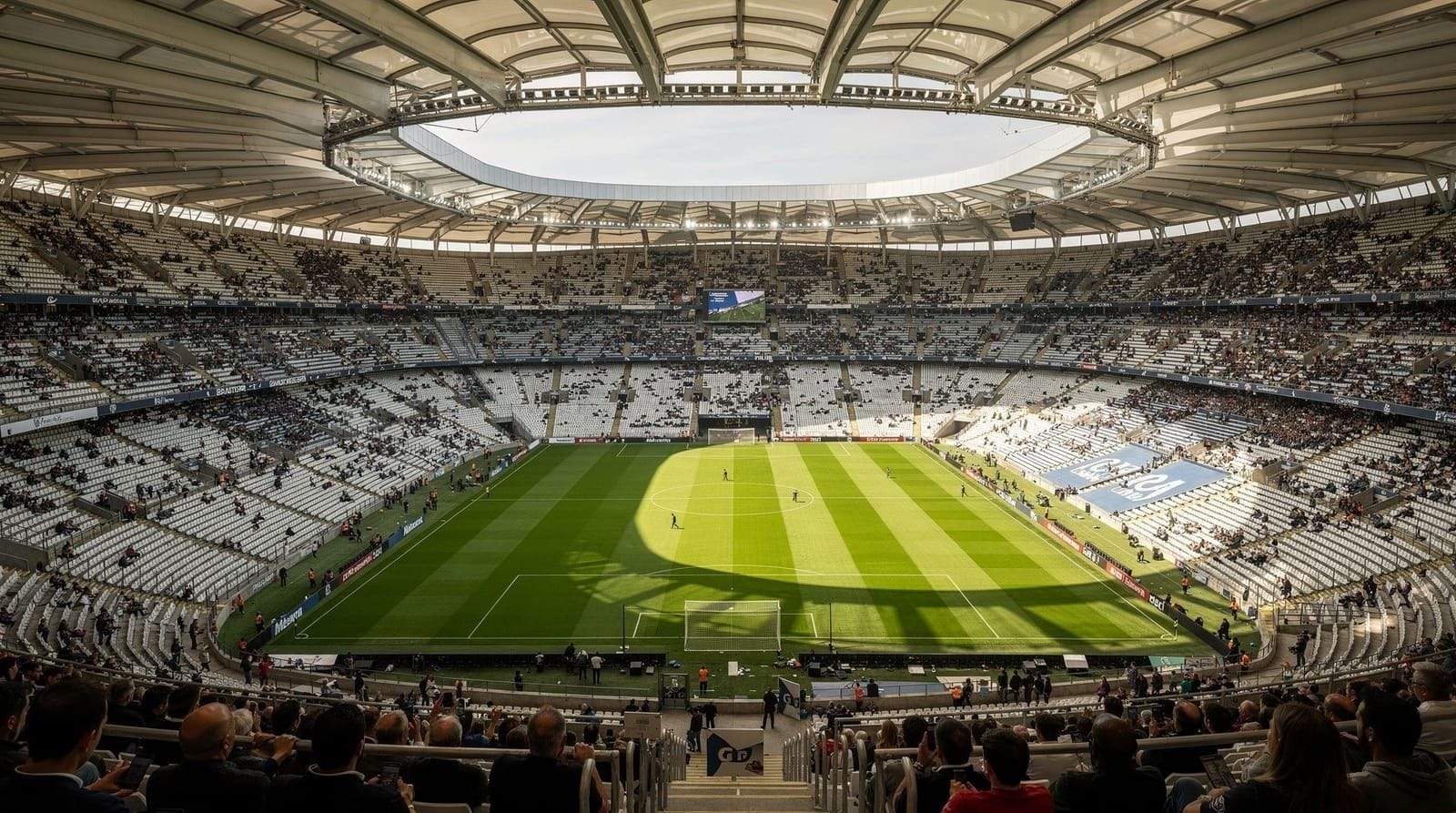
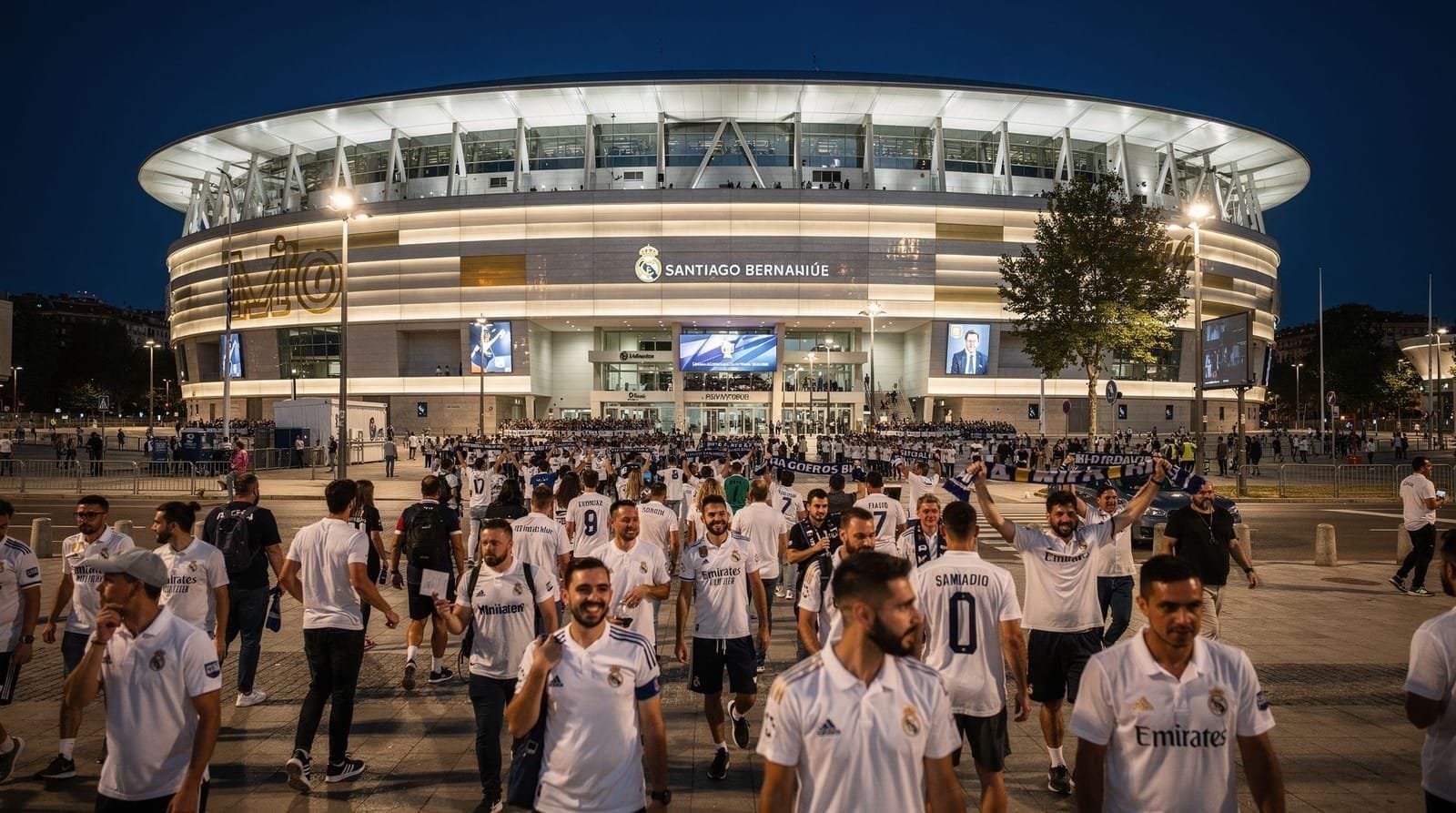
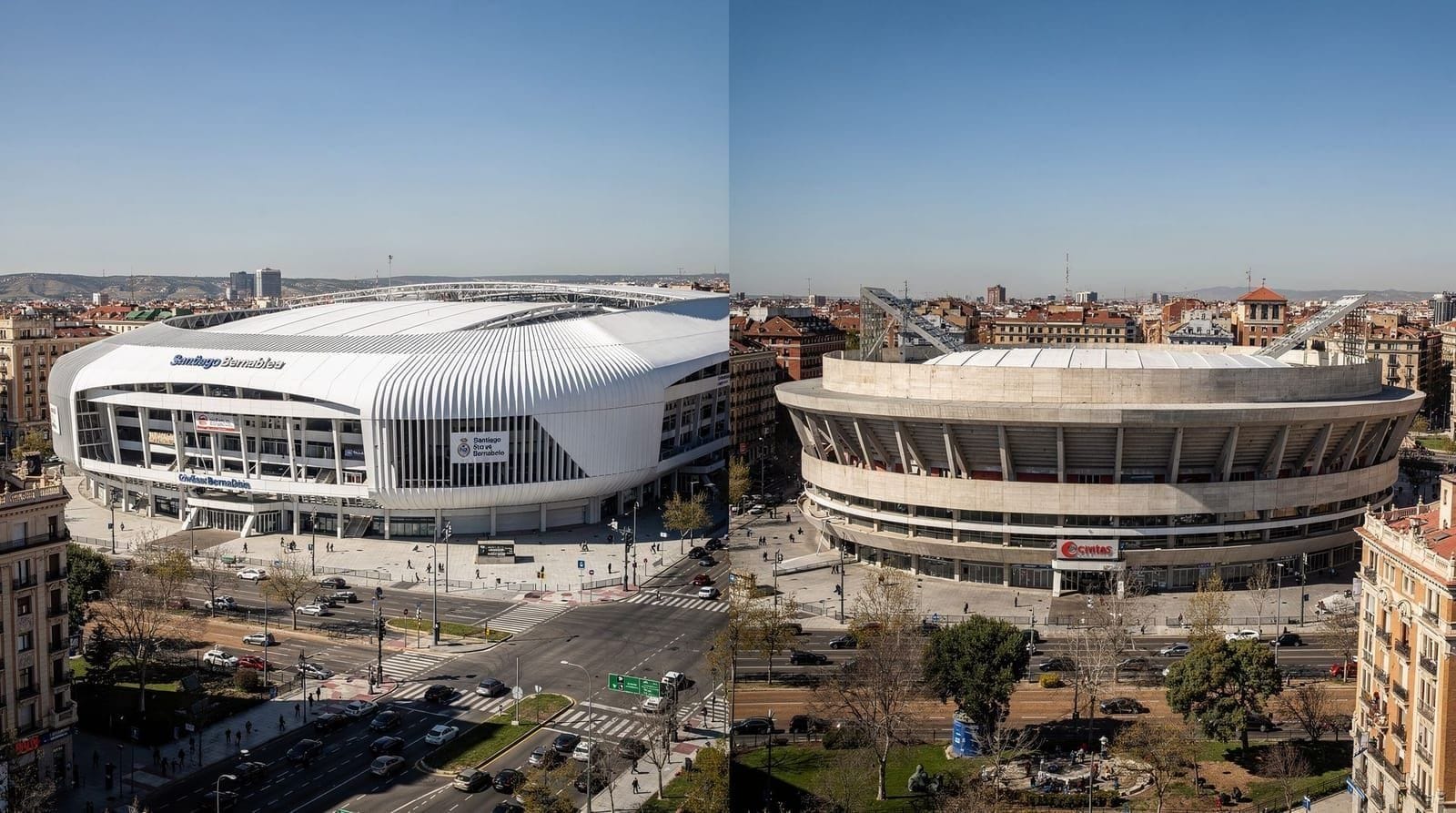
Founded 1902. Current Bernabéu capacity: 81,044 (post-renovation). 15 Champions League titles (as of 2026). La Liga record holder. The most globally followed club in the world by some metrics.
For visiting fans: the priority is attending a match (see Real Madrid tickets guide), followed by the stadium tour if no match is available (see Bernabéu tour guide). The club also runs Real Madrid basketball (see below).
If no match fits your dates, a visit to the stadium is the next best thing, and a guided visit of the Bernabéu adds the club’s history and the behind-the-scenes spaces that a self-paced walk-through can leave out. Travelling as a small group or with a fan who wants a slower pace? A private tour of the Real Madrid stadium lets you set the rhythm and ask as many questions as you like.
Atlético de Madrid
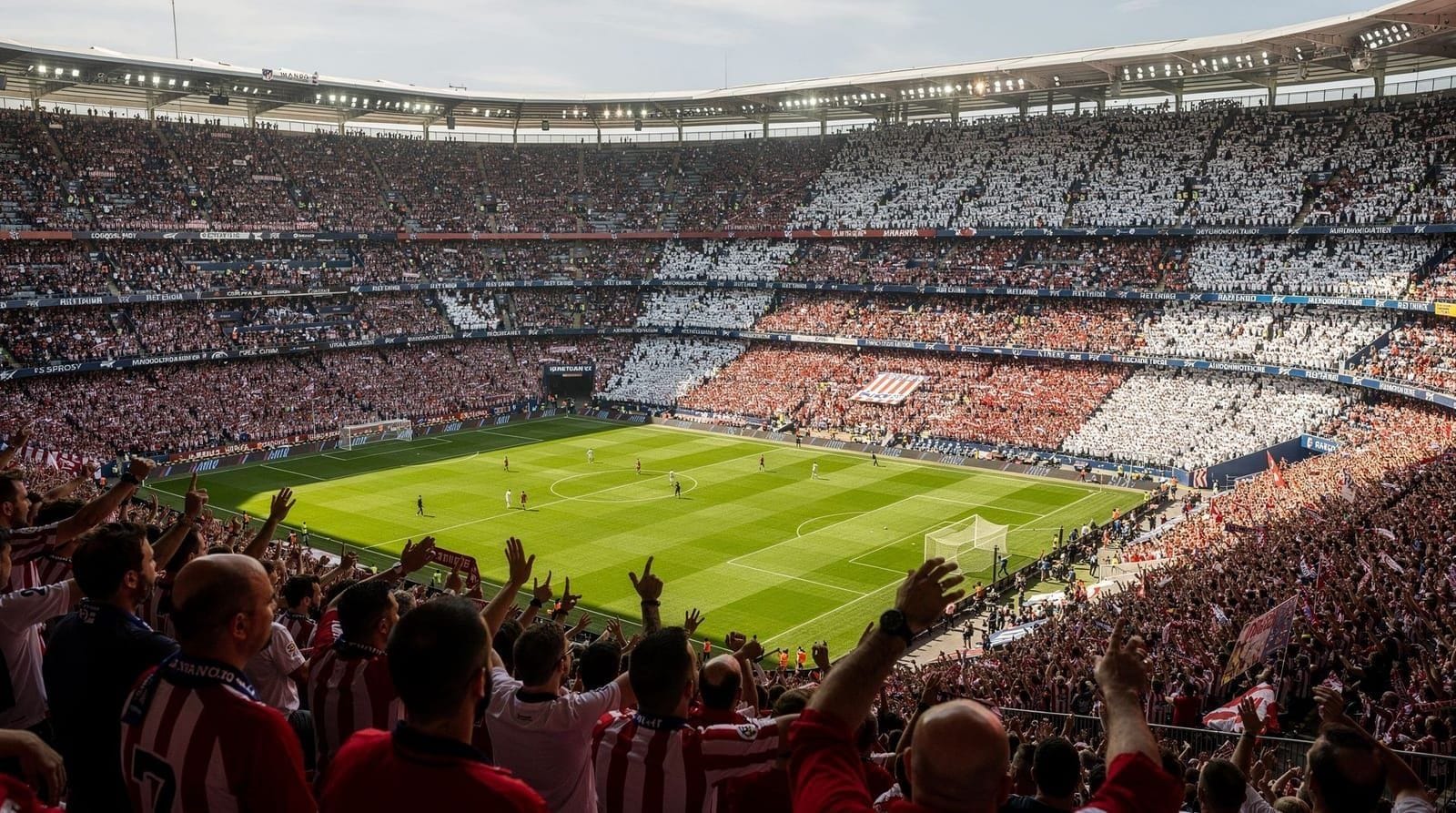
Founded 1903. Metropolitano capacity: 68,456. The third club in Spain behind Real Madrid and Barcelona by silverware, but arguably the most emotionally intense fan culture of the three.
For visiting fans: the Metropolitano is more accessible for casual ticket purchases than the Bernabéu, and the Atlético atmosphere on matchday is exceptional. See the Metropolitano tour guide.
The Madrid derby
Real Madrid vs Atlético is played twice per La Liga season, plus potential cup and European meetings. The most important fixture in Madrid sport. See the full Madrid derby guide.
Rayo Vallecano and Getafe
Two smaller Madrid clubs also compete in La Liga in most seasons. Rayo Vallecano (Vallecas district, capacity 14,700) has the most distinctive working-class, left-wing fan identity in Spanish football. Getafe (suburban south of Madrid) is the least glamorous of the Madrid clubs but has maintained La Liga status. Both are significantly easier to get tickets for and offer a local rather than tourist atmosphere.
Tennis: the Madrid Open
The Mutua Madrid Open (usually branded by a sponsor) takes place in May at the Caja Mágica sports complex in the south of Madrid. It is one of the ATP and WTA Masters 1000 events — the top tier of the ATP and WTA Tours below the Grand Slams.
Consistently draws the world’s top players (Djokovic, Alcaraz, Sinner on the men’s side; Swiatek, Sabalenka, Gauff on the women’s side as of 2026 ranking hierarchy).
Tickets: Available through the official Mutua Madrid Open website, opening typically in February/March for the May event. Day passes (grounds access for lower courts) start at €30–50; individual sessions on Manolo Santana stadium (the main court) cost €60–200+. Finals week tickets are expensive and sell quickly. Book as early as possible if your visit coincides with the event.
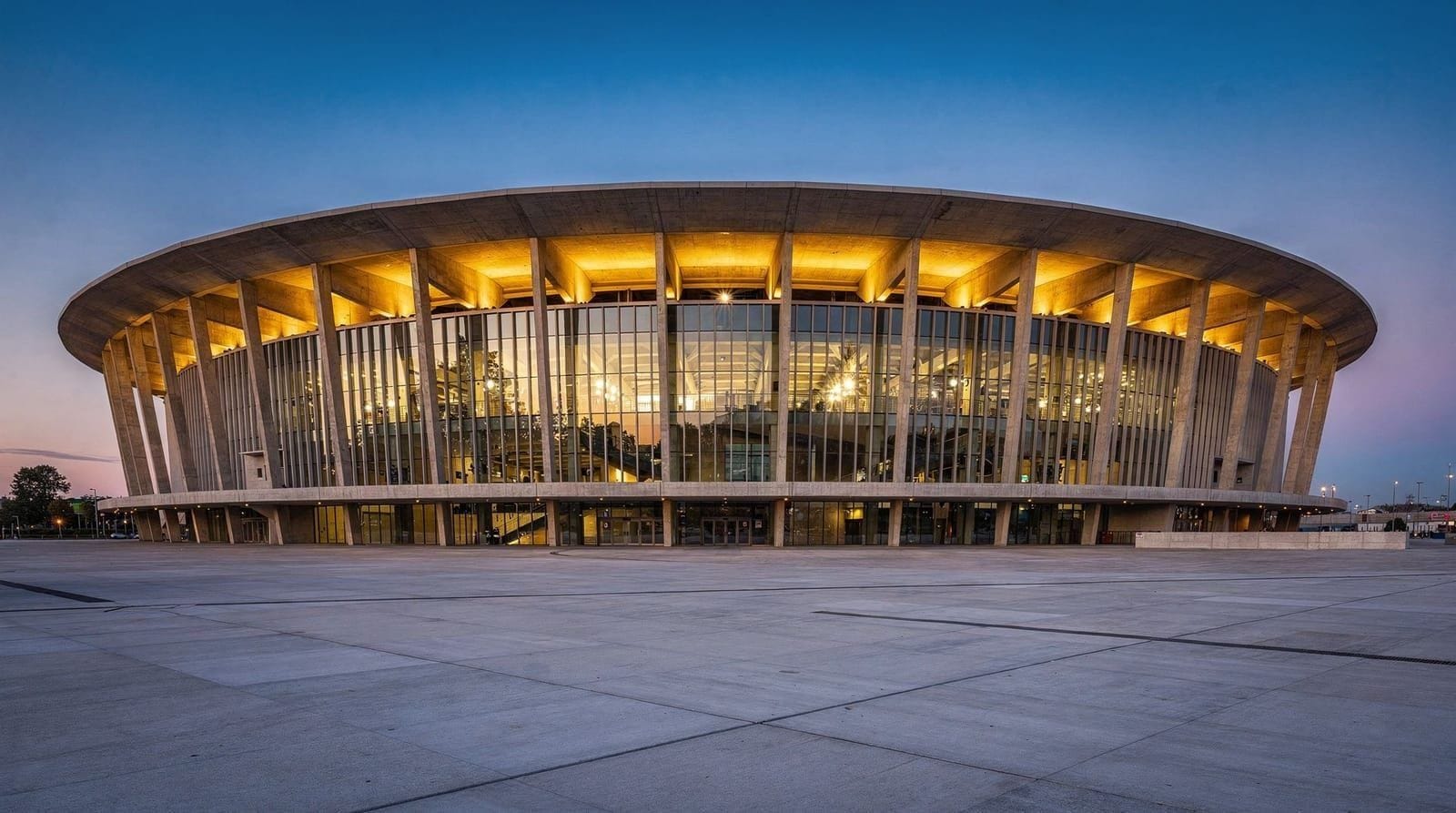
The Caja Mágica (Magic Box): A distinctive architectural complex with three retractable-roof courts. The main court capacity is 12,500. Grounds access allows viewing on the outer courts where the atmosphere is relaxed and distances from the players are short — excellent value.
Getting there: Metro Line 3 to Legazpi, then walk 20 minutes south, or bus. Alternatively, Line 3 to Oporto, walk 15 minutes.
Cycling: La Vuelta a España
La Vuelta a España (the Tour of Spain) is one of cycling’s three Grand Tours — the third in calendar order, running through August and September. The final stage traditionally finishes in Madrid, with a multiple-lap circuit on the Paseo de la Castellana in the city center.
What this means for visitors: If your visit coincides with the final week of La Vuelta (typically the third week of September), you can watch one of the world’s top sporting events for free from the roadside. The atmosphere on the Castellana for the final stage is genuinely festive.
Where to stand: The finishing straight on the Castellana south of the Plaza de Cibeles gives a good view of the sprint finish. The Paseo del Prado section, where the riders circle repeatedly, has flat road and good visibility. Arrive 2 hours before the stage finishes to secure position.
The overall winner: La Vuelta’s final stage is largely processional — the GC (general classification) is decided by mountain stages in the final week. The last day is a criterium sprint. Watch the penultimate mountain stage on television to understand the competitive context.
Basketball: Real Madrid Baloncesto
Real Madrid’s basketball section (officially Real Madrid Baloncesto) is one of Europe’s most successful clubs — three EuroLeague titles in the past decade, consistent La Liga ACB championship contenders.
They play at the WiZink Center (formerly Palacio de los Deportes) in the Salamanca/Retiro area — a 17,000-seat arena also used for concerts.
Tickets: Available through the Real Madrid website (basketball section). La Liga ACB games cost €25–60; EuroLeague games €30–80. Significantly more accessible than football tickets — same-week purchase is often possible.
Season: October to May/June (EuroLeague Finals in May). The EuroLeague Final Four is held at a neutral venue.
The experience: Spanish basketball crowds are knowledgeable and vocal. Palacio de los Deportes is more intimate than the Bernabéu, and the atmosphere for a competitive EuroLeague match is excellent. A genuine alternative for sports fans who cannot get football tickets.
Bullfighting: Las Ventas
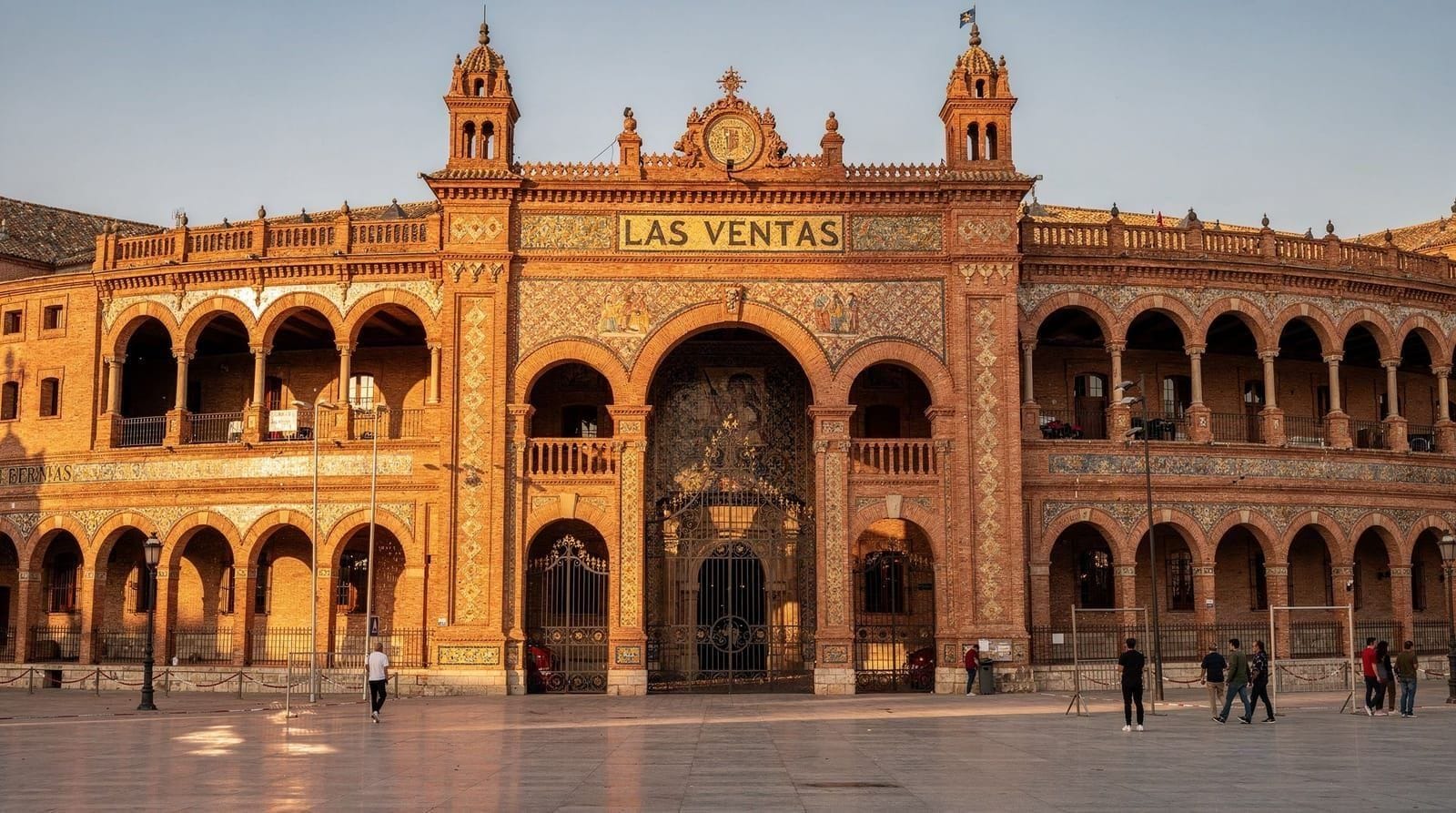
The Plaza de Toros de Las Ventas holds corridas from May to October. The world’s most prestigious bullfighting venue — see the full Las Ventas guide for a complete picture including the ethical dimension.
Key dates: the Feria de San Isidro (typically around 10 May to 10 June) is the peak of the season, lasting about a month. Weekend bullfights continue through September.
If you want to understand the ritual, the terminology and the history of the ring without attending a corrida, an audio-guided visit of the bullring is a calmer way in. It suits sports fans who are curious about the tradition but unsure about watching a live fight, and it fits easily into a free morning between matches.
Running events
San Silvestre Vallecana (December 31): One of the world’s most famous New Year’s Eve road races, run through the Vallecas neighborhood in the afternoon before midnight. International elite runners compete; thousands of popular participants join.
Rock ‘n’ Roll Madrid Marathon (April): The main annual marathon. Route passes many central landmarks including the Paseo del Prado and the Retiro.
Madrid RUN and various 10K series throughout the year. If you are a runner, the Retiro park running guide covers the best routes from the city center.
Where to watch sport in Madrid
Madrid has an excellent culture of watching sport in bars, with multiple screens and a knowledgeable crowd.
General sports bars with good atmosphere:
- Irish Corner (Calle de la Cruz, Huertas area): Classic international sports bar, English-speaking staff, big screens for Premier League and other broadcasts.
- The Hole in the Wall (Calle Fernández de los Ríos, Chamberí): British pub atmosphere, good for Rugby World Cup and Six Nations.
- Cervecería Alemana (Plaza de Santa Ana): Historic bar associated with bullfighting culture; screens showing La Liga on match days.
For Real Madrid matches: Bars in the Salamanca and Chamartín districts are the natural gathering points. Most regular bars in Madrid will have a screen showing Real Madrid matches.
For Atlético matches: The Ventas and Vallekas areas have concentrated Atlético support. Bars in La Latina also skew Atlético. The differences in how the two fanbases watch the same game in the same city are instructive.
Booking a table for a big match: For genuinely important fixtures (a Clásico, a Champions League final, a derby), popular sports bars fill up well before kickoff. Arrive at least an hour early or reserve a table if the bar takes bookings — standing room only is common for the biggest matches, and being turned away from a full bar minutes before kickoff is a frustrating way to miss the atmosphere you came for.
Sport in parks: active options
Madrid’s parks offer year-round running, cycling, and informal sport:
Retiro Park: The primary running loop (2.5 km around the lake) and longer circuits through the park. See the Retiro park running guide.
Madrid Río: The linear park along the Manzanares offers 30+ km of cycling and running paths. See the Madrid Río cycling guide.
Casa de Campo: Madrid’s largest park (17 km²) west of the center, with mountain bike trails, a climbing wall, and cross-country running routes. See the Casa de Campo guide.
BiciMAD: The city’s public e-bike system, with docking stations throughout the center. See the e-bike tours guide for full details.
Planning a sports-focused Madrid visit
Football-only visit: See the Madrid football fan itinerary.
Multi-sport May visit: May is the richest month — Madrid Open tennis, La Liga final weeks, bullfighting at San Isidro, cycling build-up. No other month combines as many elite sporting events.
September visit: La Vuelta finishes in Madrid, La Liga begins, bullfighting continues through October.
Off-season options (June–August): Football stops (domestic leagues finish in May/June); bullfighting and tennis are the primary live sports. Basketball pre-season starts in September.
For the practical combination of sport and sightseeing in a 3-day visit, the 3-day Madrid itinerary integrates the Bernabéu tour with the city’s art and food highlights without requiring a match ticket.
Madrid’s sporting calendar month by month
| Month | Key events |
|---|---|
| January–April | La Liga season in full swing; basketball EuroLeague regular season |
| May | Madrid Open tennis, La Liga’s final weeks, San Isidro bullfighting begins, EuroLeague Final Four |
| June–July | Domestic football off-season; bullfighting continues; basketball season ends |
| August | Football pre-season friendlies; bullfighting continues; quietest sporting month overall |
| September | La Vuelta a España final stage (free), La Liga resumes, bullfighting season ends in October |
| October–December | Full football and basketball seasons; San Silvestre Vallecana closes the year on 31 December |
This table is a planning shortcut — cross-reference it against the how many days in Madrid guide if sport is a major factor in choosing your trip dates, since a visit timed for May or September delivers noticeably more live sport than a random summer week.
Frequently asked questions about sports in Madrid
Is there a good alternative to football for sports fans visiting Madrid?
Real Madrid basketball at the WiZink Center is the best alternative — elite competition, accessible tickets, and a knowledgeable crowd. The Madrid Open tennis in May is world-class. La Vuelta a España final stage in September is free.
What is the best sports month to visit Madrid?
May — the Madrid Open tennis, final weeks of La Liga (potentially decisive), San Isidro bullfighting season, and generally good weather combine to make it the most sports-dense month.
Is it possible to see multiple sports in one Madrid visit?
Yes, especially if your visit spans a weekend in La Liga season. A Saturday La Liga match (Bernabéu or Metropolitano) and a Sunday Real Madrid basketball game at WiZink Center is a realistic two-sport weekend. Add a Las Ventas guided tour and you have three sports experiences in 48 hours.
Where can I find out current Madrid sports events during my visit?
The relevant club websites (realmadrid.com, atleticodemadrid.com), the La Liga app, and the Mutua Madrid Open website. For La Vuelta stage information, lavuelta.es. General event listings: Esmadrid.com (the official Madrid tourism portal).
Is football less popular in Madrid in summer?
Yes — the domestic season ends in May/June and resumes in August. July and early August have no La Liga matches. The Champions League and Copa del Rey also finish by May. Summer visits have stadium tours but no matchday experience.